


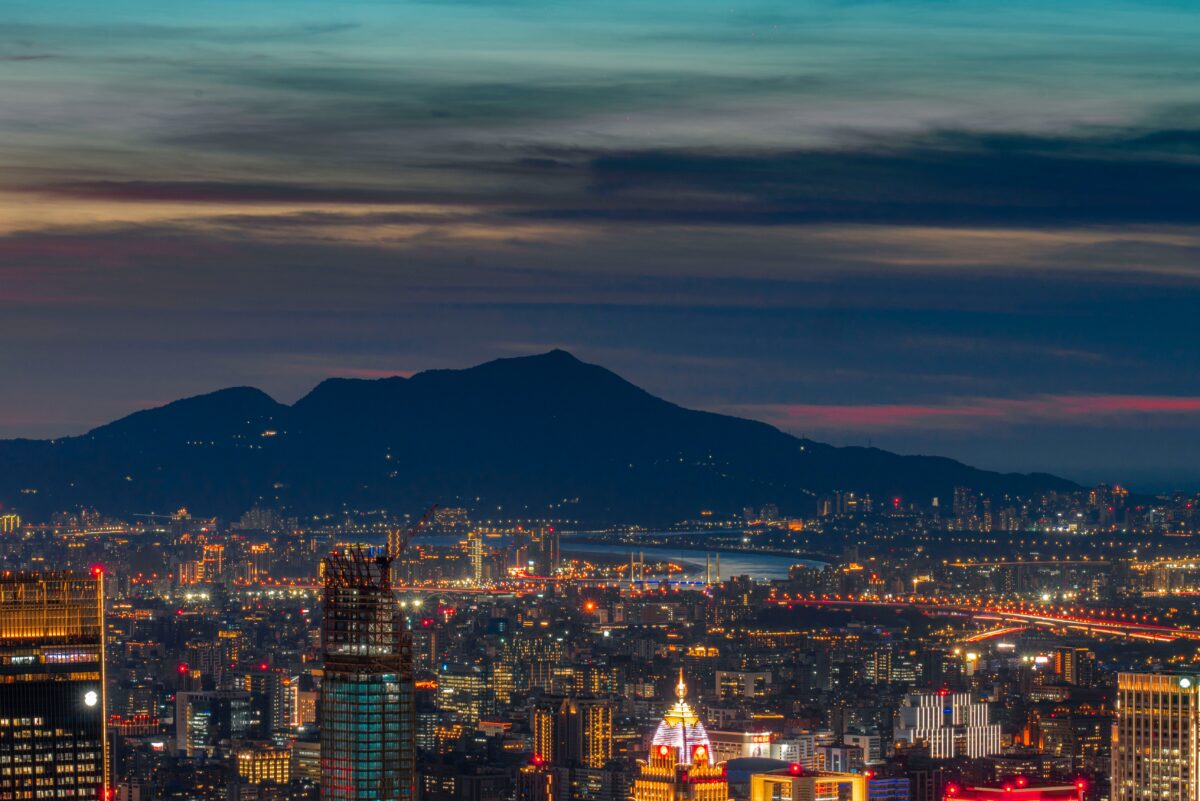
Tokyo’s status as East Asia’s default city break recommendation has kept both flight and accommodation costs consistently high, particularly since the yen’s relative strength against other currencies has fluctuated less favourably in recent periods than some alternatives. Taipei offers genuinely comparable city energy, distinctive night market culture, and dramatic natural scenery within striking distance, all at meaningfully lower cost.
Quick answer: swap Tokyo for Taipei if the priority is genuine East Asian city energy, distinctive night market food culture, and dramatic natural scenery at noticeably lower cost. Keep Tokyo on the itinerary if its specific scale, traditional culture, and status as Japan’s capital are the non-negotiable draw, since Taipei’s different character doesn’t replicate that particular experience.
Tokyo vs Taipei: Head-to-Head
| Factor | Tokyo | Taipei |
|---|---|---|
| Accommodation (mid-range, per night) | ¥14,000-¥24,000 (£75-£128) | NT$2,500-NT$4,500 (£62-£112) |
| Signature food culture | Varied, high-end sushi reputation | Night markets, genuinely distinctive street food |
| Natural scenery access | Requires travel to Hakone or Nikko | Taroko Gorge reachable within a day trip |
| High-speed rail | Extensive Shinkansen network | Taiwan High Speed Rail, genuinely efficient |
| Overall cost | Higher | Roughly 35-40% lower |
What Taipei Actually Offers
Taipei’s night market culture represents a genuinely distinctive food tradition, with markets like Shilin and Raohe offering a concentrated, affordable street food experience considerably more accessible than Tokyo’s more scattered, often pricier dining scene.
- Shilin Night Market: Taipei’s largest and most famous night market, offering genuinely excellent, affordable street food (stinky tofu, oyster omelettes, bubble tea’s spiritual home) within a lively, distinctly Taiwanese atmosphere
- Taipei 101: once the world’s tallest building, offering a genuinely striking observation deck experience at a fraction of comparable Tokyo Skytree pricing
- Taroko Gorge: a dramatic marble canyon reachable via a roughly 2-hour high-speed rail journey plus onward transport, offering genuinely spectacular natural scenery within a feasible day trip from the capital, unlike Tokyo’s more logistically involved nature access
- Taiwan High Speed Rail: genuinely efficient and considerably cheaper than Japan’s Shinkansen for comparable distances, making day trips and onward travel within Taiwan genuinely affordable
Why Tokyo Still Wins for Specific Things
Tokyo’s sheer scale, its status as Japan’s capital and one of the world’s most significant cities, alongside its particular blend of traditional and cutting-edge modern culture, represents a combination Taipei’s smaller, different character doesn’t match. For travellers specifically wanting Tokyo’s particular scale and Japanese cultural depth, that requires Tokyo itself.
The honest verdict: if Tokyo’s specific scale and Japanese cultural experience are the trip’s purpose, that requires accepting the higher costs. For travellers wanting genuine East Asian city energy, exceptional night market food culture, and easier access to dramatic natural scenery, Taipei delivers considerably more value.
What a Week Actually Costs
| Category | Tokyo (per person) | Taipei (per person) |
|---|---|---|
| Accommodation (6 nights, split two ways) | £225-£384 | £186-£336 |
| Food | £150-£230 | £90-£150 |
| Local transport/day trips | £50-£90 | £35-£65 |
| Total (excluding flights) | £425-£704 | £311-£551 |
Taipei runs roughly 25-30% cheaper than Tokyo across accommodation, food, and transport combined.
Step-by-Step: Planning a Taipei Trip
- Fly into Taoyuan International Airport, with UK connections typically routing through a major Asian or Middle Eastern hub.
- Base accommodation near a major MRT (metro) station, since Taipei’s public transport network is genuinely efficient and comprehensive.
- Book Taroko Gorge as a day trip via Taiwan High Speed Rail, confirming current train schedules and any required onward transport connections at Hualien station.
- Visit night markets on an empty stomach and graze across multiple stalls, following the same approach that works well at similar Asian street food markets, rather than filling up at the first stall encountered.
- Check current UK-Taiwan entry requirements before booking, since visa-free arrangements for UK citizens should be reconfirmed close to travel dates.
Frequently Asked Questions
Is Taipei as safe as Tokyo for tourists?
Yes, Taiwan consistently ranks among the safer destinations in Asia, with Taipei specifically offering comparable safety standards to Tokyo for solo travellers and families alike.
Do UK citizens need a visa for Taiwan?
UK passport holders can currently enter Taiwan visa-free for short tourist stays; confirm current specific terms before booking given the possibility of policy changes.
Is Taipei’s food scene genuinely comparable to Tokyo’s?
Differently strong rather than directly comparable, Taipei’s night market culture offers genuinely exceptional, affordable street food, while Tokyo’s food scene spans a wider range from casual to internationally renowned high-end dining.
What is the best time of year to visit Taipei?
October-November and March-April offer the most comfortable temperatures, avoiding both Taiwan’s genuinely hot, humid summer and its typhoon season, which typically runs from June through October.
Taipei’s Hot Spring Culture: A Genuine Comparison Point
Taiwan’s own volcanic geology has produced a genuine hot spring bathing culture, particularly around Beitou, a district reachable within Taipei’s own metro network, offering an experience genuinely comparable to Japan’s celebrated onsen tradition at a fraction of the typical Japanese pricing. This gives Taipei a wellness dimension often overlooked by travellers who assume Japan holds an exclusive claim to this kind of East Asian thermal bathing experience.
Taiwan’s Convenience Store Culture
Similar to Japan’s well-regarded konbini system, Taiwan’s own convenience stores (7-Eleven and FamilyMart both operate extensively) offer genuinely good quality, affordable food and a reliable base for budget travellers, extending the cost savings already covered in this comparison into everyday practical spending beyond restaurants and night markets specifically.
Language and Practical Considerations
English signage is genuinely more limited in Taipei than in Tokyo’s most tourist-dense areas, though the city’s MRT system uses clear English labelling throughout, and a translation app handles most other practical needs without significant difficulty. This is a modest adjustment worth knowing about in advance rather than a genuine barrier, since Taiwan’s overall tourism infrastructure remains well-equipped for international visitors despite the somewhat lower English fluency compared to Tokyo’s more internationally geared central districts.
The Bottom Line
Taipei delivers genuine East Asian city energy, exceptional night market food culture, and considerably easier access to dramatic natural scenery like Taroko Gorge, at roughly a quarter to a third less cost than Tokyo. The trade-off is losing Tokyo’s specific vast scale and status as Japan’s capital, both genuinely valuable for travellers whose trip centres on that particular Japanese cultural experience.