



Cancun’s all-inclusive resort model delivers reliable, hassle-free Caribbean beach holidays, but this convenience comes with genuinely limited cultural engagement and increasingly steep resort pricing. Colombia’s Cartagena, alongside the country’s celebrated coffee region, offers comparable Caribbean beach access combined with genuinely rich colonial history and coffee culture entirely absent from Cancun’s resort-zone model.
Quick answer: swap Cancun for Cartagena and Colombia’s coffee region if the priority is genuine colonial architecture, coffee culture, and Caribbean beaches within a single, culturally rich trip. Keep Cancun on the itinerary if its specific all-inclusive resort convenience and hassle-free beach holiday model are the non-negotiable draw, since Colombia’s more independent travel style doesn’t replicate that particular ease.
Cancun vs Cartagena & Coffee Region: Head-to-Head
| Factor | Cancun | Cartagena & Colombia’s Coffee Region |
|---|---|---|
| Accommodation model | All-inclusive resorts | Independent hotels, boutique colonial properties |
| Accommodation (mid-range, per night) | $250-$450+ (£195-£351+) | $60-$150 (£47-£117) |
| Cultural depth | Limited, resort-zone focused | Genuinely significant, colonial history and coffee tradition |
| Beach character | Developed resort beaches | Caribbean coast plus inland coffee country |
| Flight time from UK | 10-11+ hours via connections | 11-13+ hours via connections |
What Cartagena & the Coffee Region Actually Offer
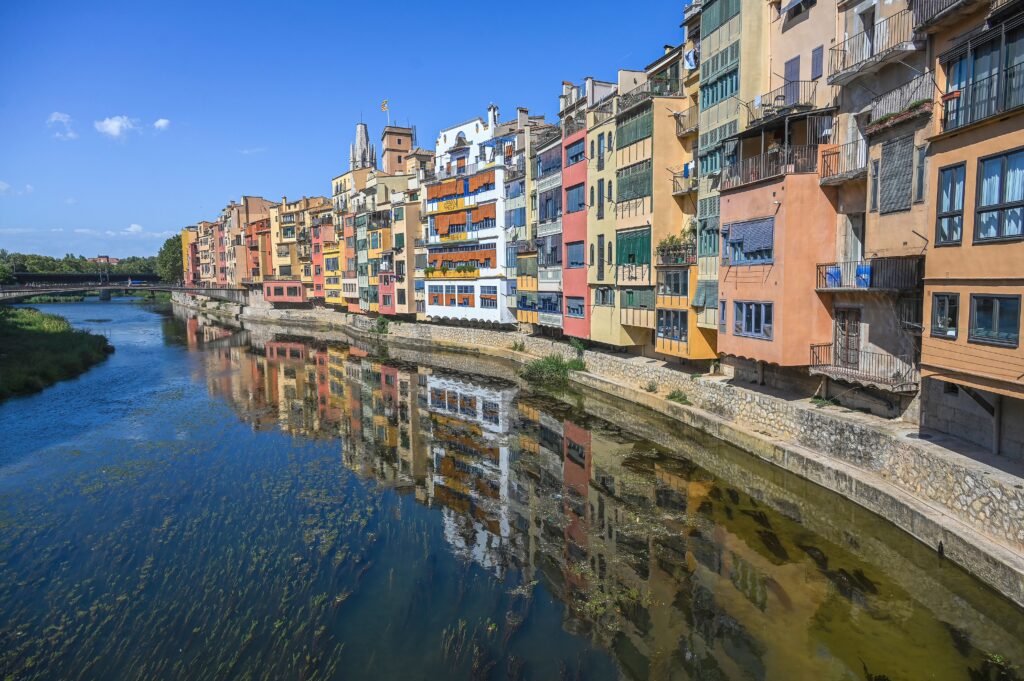
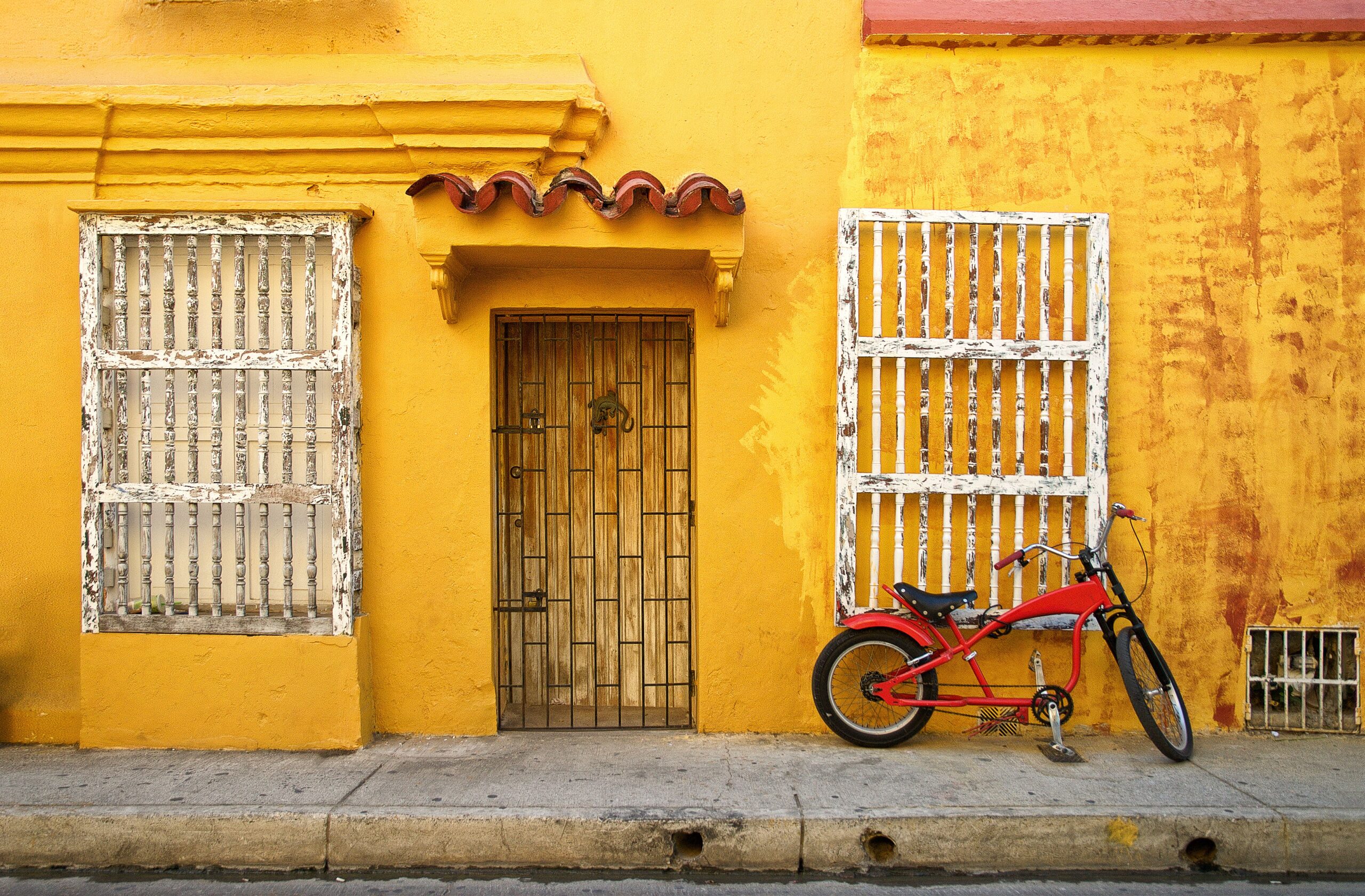
Cartagena’s walled Old City, a UNESCO World Heritage Site, offers genuinely striking Spanish colonial architecture, colourful balconied buildings, and centuries of layered history entirely absent from Cancun’s purpose-built resort zone.
- Cartagena’s Old City: free to walk, a genuine maze of colonial-era streets, plazas, and churches, with the massive Castillo San Felipe de Barajas fortress offering significant historical depth
- Getsemaní neighbourhood: Cartagena’s increasingly lively arts district, with genuine street art and a livelier, more local nightlife scene than the more polished Old City
- Colombia’s Coffee Triangle (Eje Cafetero): a UNESCO-recognised cultural landscape, offering genuine coffee farm tours and tastings within dramatic mountain scenery, a completely different experience from any beach resort
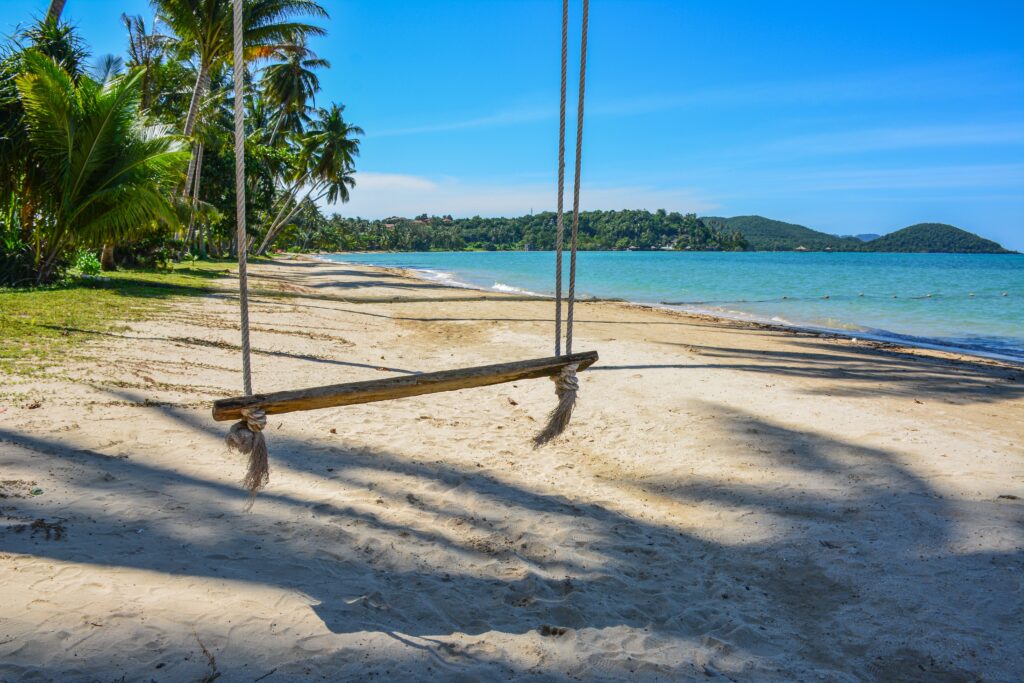
- Rosario Islands: a short boat trip from Cartagena, offering genuine Caribbean beach and snorkelling access comparable to Cancun’s own beach appeal, without requiring the resort-zone model
Why Cancun Still Wins for Specific Things
Cancun’s all-inclusive resort model offers a genuinely hassle-free, predictable holiday experience, everything from meals to activities bundled into a single upfront cost, that Colombia’s more independent, city-and-country travel style doesn’t replicate. For travellers specifically wanting that particular convenience and predictability, that requires Cancun itself.
The honest verdict: if Cancun’s specific all-inclusive convenience is the trip’s purpose, that requires accepting its genuinely limited cultural engagement. For travellers wanting a richer, more independently structured trip combining colonial history, coffee culture, and Caribbean beaches, Colombia delivers considerably more depth.
What a Week Actually Costs
| Category | Cancun (per person) | Cartagena & Coffee Region (per person) |
|---|---|---|
| Accommodation (6 nights, split two ways) | £585-£1,053 | £141-£351 |
| Food | £250-£400 (often included in resort rate) | £120-£200 |
| Activities/domestic flights | £150-£300 | £100-£180 |
| Total (excluding international flights) | £985-£1,753 | £361-£731 |
Colombia runs at roughly a third to a half of Cancun’s total cost, reflecting both the different accommodation model and Colombia’s overall lower cost of living.
Step-by-Step: Planning a Colombia Trip
- Fly into Cartagena directly or via Bogotá, with UK connections typically routing through a European or US hub.
- Book a domestic flight to the Coffee Region (Armenia, Pereira, or Manizales airports) to combine the coastal and mountain legs of the trip efficiently.
- Book a coffee farm tour and stay directly at a working finca (farm), offering genuine hands-on engagement with Colombia’s celebrated coffee culture.
- Check current FCDO travel advice for Colombia before booking, since specific regions and safety considerations should be reviewed close to travel dates given the country’s varied security situation by area.
- Add a Rosario Islands boat trip from Cartagena for genuine Caribbean beach time within the same overall itinerary.
Frequently Asked Questions
Is Colombia safe for tourists?
Cartagena and the main coffee region tourist areas are generally considered safe for visitors, with millions of tourists visiting annually, though checking current FCDO advice for specific regions before travel remains sensible given the country’s varied security situation by area.
Do UK citizens need a visa for Colombia?
No, UK passport holders can enter Colombia visa-free for tourist stays of up to 90 days.
Is Colombia suitable for a beach-only holiday like Cancun?
Less directly comparable, since Colombia’s appeal centres on combining beach time with genuine cultural and coffee region exploration rather than an extended pure beach stay; travellers wanting only beach relaxation may find Cancun’s model more directly suited to that specific goal.
What is the best time of year to visit Cartagena and the Coffee Region?
December through March offers the driest weather for both regions, avoiding Colombia’s wetter season, which can bring significant rainfall particularly in the mountainous coffee region.
Salento and the Cocora Valley: A Genuine Highlight
Within the Coffee Region, the small town of Salento serves as the gateway to the Cocora Valley, home to Colombia’s national tree, the wax palm, which grows to genuinely striking heights unlike anywhere else in the world. A hike through this valley, often combined with horseback riding options for those wanting a less strenuous route, delivers one of Colombia’s most distinctive natural landscapes, entirely unavailable within Cancun’s resort-zone model regardless of budget.
Cartagena’s Afro-Colombian Cultural Heritage
Beyond its Spanish colonial architecture, Cartagena holds significant Afro-Colombian cultural heritage, reflecting the region’s history as a major hub in the transatlantic slave trade, with the Palenque de San Basilio nearby recognised by UNESCO as the first free African town in the Americas. This adds a genuinely important, often overlooked historical dimension to a Cartagena visit, worth engaging with respectfully alongside the more commonly covered colonial architecture and Caribbean beach appeal.
Getting Between Cartagena and the Coffee Region
The domestic flight connecting Cartagena to the Coffee Region’s regional airports typically takes just over an hour, considerably faster than the alternative overland route, which can take a full day or more given Colombia’s mountainous terrain between the coast and the interior. Booking this domestic leg in advance, alongside the international flights, ensures a smoother overall itinerary rather than treating it as an afterthought once already in the country.
The Bottom Line
Cartagena and Colombia’s Coffee Region deliver genuine colonial architecture, rich coffee culture, and Caribbean beach access, all within a considerably more affordable and culturally engaged trip than Cancun’s resort-zone model. The trade-off is losing Cancun’s specific all-inclusive convenience and predictability, genuinely valuable for travellers prioritising a hassle-free, bundled holiday experience over independent cultural exploration.