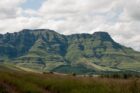
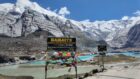
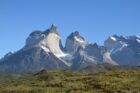
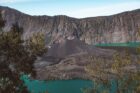

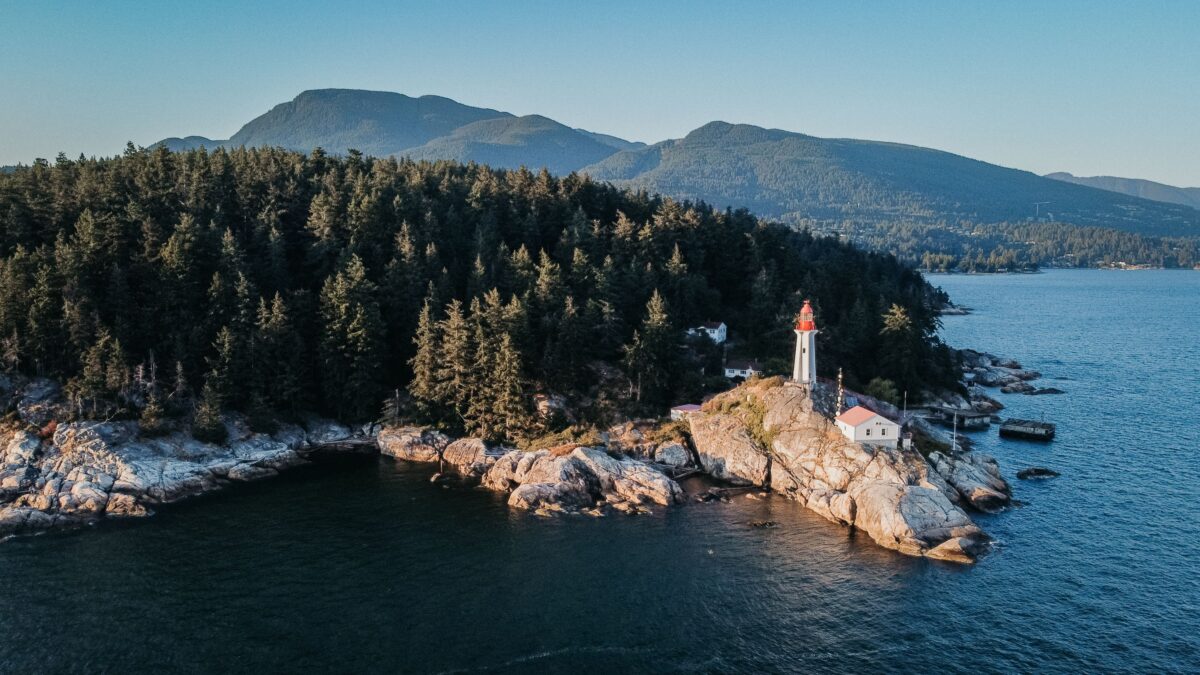
Banff National Park’s fame has driven both accommodation costs and summer crowd density to genuinely significant levels, with parking and trail congestion now a routine feature of peak-season visits. British Columbia’s Pacific coast, Vancouver and Vancouver Island specifically, offers comparably dramatic mountain and wilderness scenery alongside genuine city energy and coastal access Banff’s landlocked mountain setting doesn’t provide.
Quick answer: swap Banff for Vancouver and Vancouver Island if the priority is combining genuine mountain wilderness with city culture and Pacific coastal access. Keep Banff on the itinerary if its specific Rocky Mountain scenery and iconic turquoise lakes (Lake Louise, Moraine Lake) are the non-negotiable draw, since Vancouver Island’s landscape, while dramatic, offers a different character.
Banff vs Vancouver & Vancouver Island: Head-to-Head
| Factor | Banff | Vancouver & Vancouver Island |
|---|---|---|
| Setting | Landlocked Rocky Mountains | Coastal mountains plus Pacific island wilderness |
| Accommodation (mid-range, per night) | CAD $250-$450 (£145-£262) | CAD $150-$280 (£87-£163) |
| City culture access | Limited, small mountain town | Genuine major city (Vancouver) plus wilderness |
| Signature natural feature | Lake Louise, Moraine Lake | Pacific Rim National Park, old-growth forests |
| Wildlife viewing | Strong, grizzly bears, elk | Strong, orcas, black bears, bald eagles |
What Vancouver & Vancouver Island Actually Offer
Vancouver’s genuine combination of a major, culturally rich city with immediate access to mountains and coastline offers a different but comparably compelling version of “wilderness meets civilisation” than Banff’s more purely mountain-focused setting.
- Vancouver’s Stanley Park and North Shore mountains: genuine old-growth forest and mountain hiking accessible within the city limits, alongside Vancouver’s strong food scene, museums, and urban culture entirely absent from Banff’s small mountain town
- Vancouver Island and Pacific Rim National Park: dramatic old-growth rainforest, genuinely wild Pacific coastline, and some of Canada’s best surfing (Tofino) offer a landscape distinct from Banff’s Rocky Mountain scenery
- Whale watching: Vancouver Island’s waters offer genuinely strong orca and humpback whale watching, a wildlife experience Banff’s landlocked position cannot provide
- Butchart Gardens and Victoria: Vancouver Island’s capital, Victoria, offers a genuinely charming, walkable city with strong British colonial heritage, alongside the world-renowned Butchart Gardens
Why Banff Still Wins for Specific Things
Banff’s specific Rocky Mountain scenery, the iconic turquoise waters of Lake Louise and Moraine Lake, and its status as one of the world’s most photographed mountain landscapes represent a genuinely unique combination Vancouver Island’s different, coastal mountain terrain doesn’t replicate. For travellers specifically wanting those particular iconic lakes and Rocky Mountain drama, that requires Banff itself.
The honest verdict: if Banff’s specific iconic lakes and Rocky Mountain scenery are the trip’s purpose, that requires accepting the crowds and costs. For travellers wanting a broader combination of city culture, coastal wilderness, and genuine Pacific island character, Vancouver and Vancouver Island deliver a meaningfully different, more varied experience.
What a Week Actually Costs
| Category | Banff (per person) | Vancouver & Vancouver Island (per person) |
|---|---|---|
| Accommodation (6 nights, split two ways) | £435-£786 | £261-£489 |
| Food | £250-£380 | £220-£340 |
| Activities/park fees | £100-£180 | £90-£170 |
| Total (excluding flights) | £785-£1,346 | £571-£999 |
Vancouver and Vancouver Island run roughly 25-30% cheaper than Banff, alongside offering a genuinely broader range of experiences within the same overall trip.
Step-by-Step: Planning a Vancouver & Vancouver Island Trip
- Fly directly into Vancouver, served by direct UK routes, removing any need for the additional domestic connection Banff typically requires via Calgary.
- Take the ferry from Vancouver to Vancouver Island (roughly 1.5-2 hours), a genuinely scenic crossing offering a practical and enjoyable transition between the two destinations.
- Book whale watching tours from Victoria or Tofino in advance during peak season, since this popular activity benefits from securing a preferred date and time.
- Allow at least 2-3 days in Tofino specifically, given its genuine remoteness and the value of properly experiencing Pacific Rim National Park’s old-growth forest and coastline.
- Visit Stanley Park early in the day for the calmest, most pleasant conditions before Vancouver’s own tourist and local crowds build.
Frequently Asked Questions
Do UK citizens need a visa for Canada?
UK passport holders require an Electronic Travel Authorization (eTA) for short tourist visits, a straightforward online application rather than a full visa, applicable regardless of whether visiting Banff or British Columbia.
Is Vancouver Island as scenic as Banff?
Genuinely comparable in dramatic natural beauty, though offering a different character, Pacific coastal old-growth rainforest and whale watching rather than Banff’s Rocky Mountain lakes and peaks.
Is this route suitable for a first-time visit to Canada?
Yes, genuinely well-suited, offering a strong combination of city culture and wilderness within a single trip, arguably a more varied introduction to Canada than Banff’s more purely mountain-focused, smaller-town setting.
What is the best time of year to visit Vancouver and Vancouver Island?
June through September offers the most reliable weather for outdoor activities and whale watching, with the region’s genuinely wet winter and spring months better suited to a different kind of trip focused on the coastal rainforest’s own atmospheric character.
Vancouver’s Food Scene: A Genuine Point of Distinction
Vancouver’s status as a major, culturally diverse Canadian city gives it a genuinely strong and varied food scene, reflecting significant Asian immigration and culinary influence in particular, offering Michelin-recognised dim sum and some of North America’s best sushi outside Japan itself. This urban culinary strength is something Banff’s small mountain town, while offering solid dining, simply cannot match given its considerably smaller population and more limited scope.
Combining This Trip With a Rockies Extension
For travellers wanting both experiences, it’s genuinely possible to combine a Vancouver and Vancouver Island trip with a shorter Rockies extension, flying into Vancouver, exploring the coast, then continuing inland toward Banff or Jasper for a taste of the Rocky Mountain scenery as well. This hybrid approach delivers both landscapes within a single longer trip, worth considering for travellers unable to fully choose between the two regions.
The Bottom Line
Vancouver and Vancouver Island deliver a genuinely broader combination of city culture, coastal wilderness, and Pacific wildlife viewing, at meaningfully lower cost than Banff and without its peak-season crowd congestion. The trade-off is losing Banff’s specific iconic Rocky Mountain lakes and landscape, both genuinely unique to that particular mountain setting.