
The Batu Caves Hindu temple complex at 7am when the 272 steps are in the morning light and the macaques have the place to themselves before the pilgrims and the tourists arrive, the Petaling Street wet market at 6:30am when the Kuala Lumpur Chinatown is operating as a neighbourhood rather than an attraction, the Jalan Alor street food street at 8pm when the woks are at full heat and the seven types of seafood being cooked simultaneously fill the lane with the specific KL smoke, and why Kuala Lumpur — the capital that most visitors treat as a 24-hour airport connection — repays 48 hours of deliberate attention more than almost any capital in Southeast Asia.
Reading time: 9 minutes | Last updated: 2026
Kuala Lumpur is Malaysia’s capital and the most cosmopolitan city in Southeast Asia — the Malay, Chinese, Indian Tamil, and Indian Punjabi communities visible simultaneously on a single street, the Nasi Lemak beside the Dim Sum beside the Banana Leaf rice beside the Mamak roti canai in a food geography that reflects the specific Malaysian colonial and trade history that brought these communities together in one place.
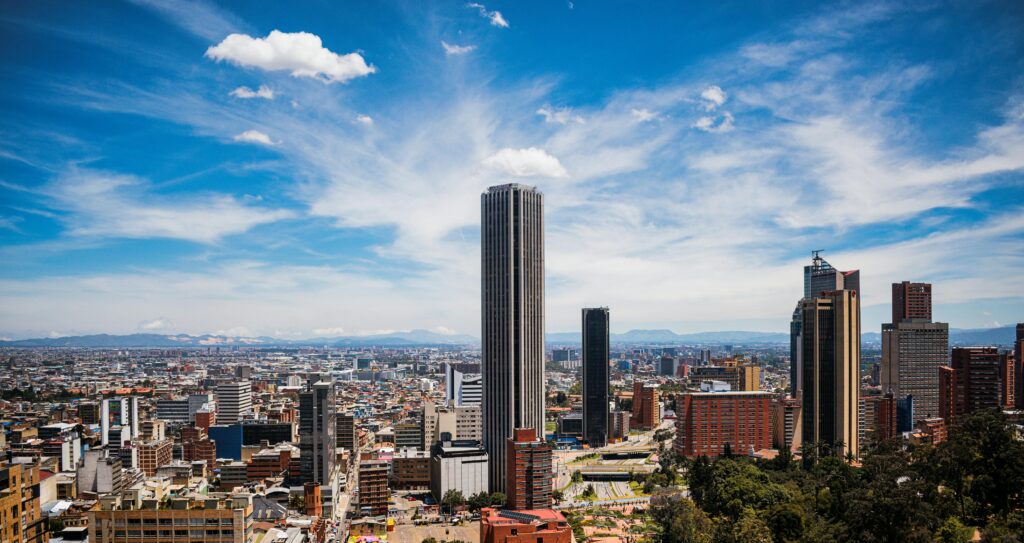
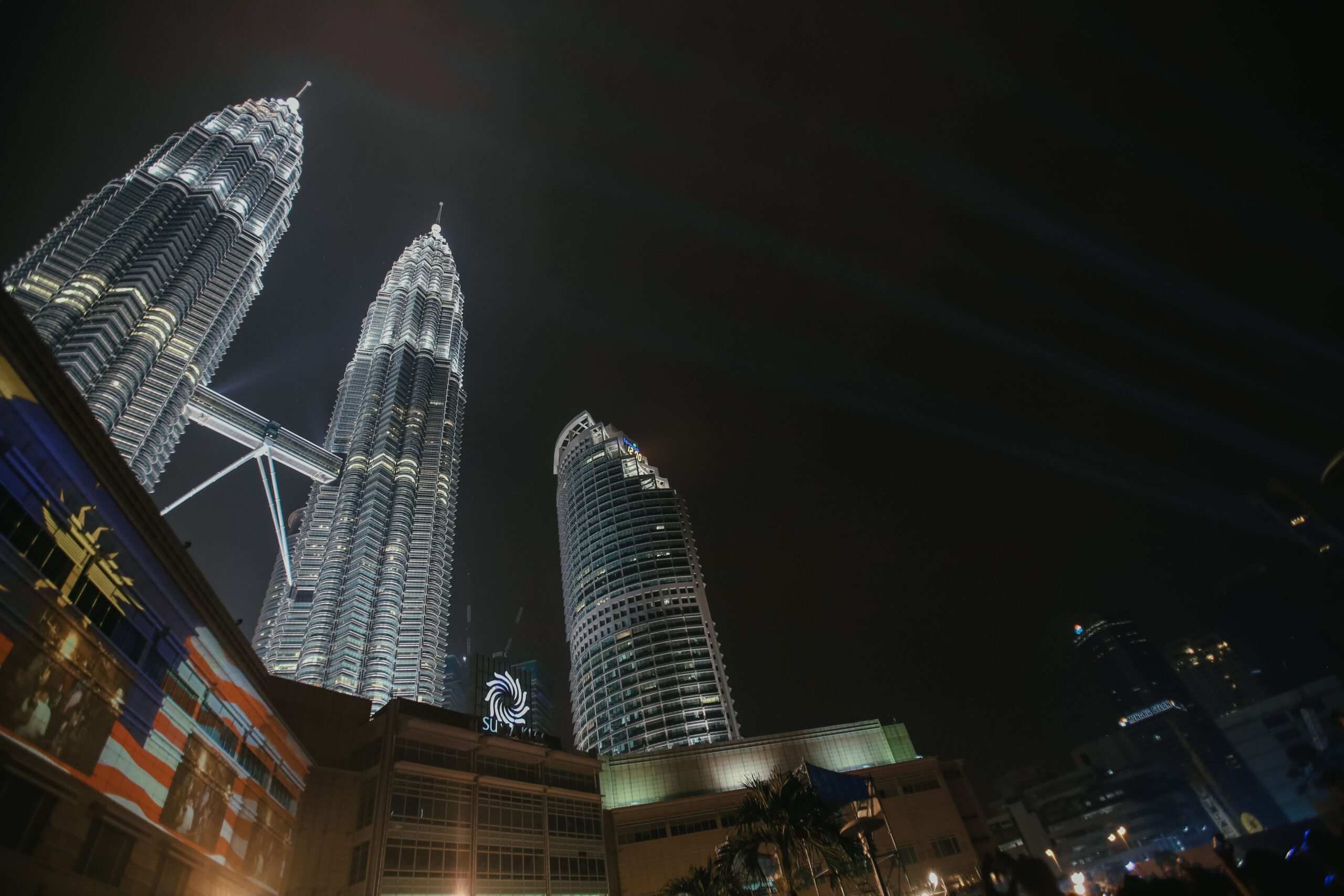
The city of 8 million people has been transformed since the 1990s oil boom — the Petronas Twin Towers (completed 1998, the tallest buildings in the world until 2004), the new financial district of KL Sentral, and the urban rail network that now connects the airport to the city in 28 minutes. The old KL (the Chinatown, the Brickfields Little India, the Masjid India market) coexists with the new alongside rather than in replacement.
The 48 Hours
DAY ONE
6:30am — Petaling Street and the Chinatown Market
The Petaling Street wet market (the covered market in the Chinatown district, operating from 5:30am): at 6:30am, the fresh produce vendors (the morning herb selection — the pandan leaf, the kaffir lime, the lemongrass in quantities that suggest they supply every Chinatown restaurant simultaneously), the fish vendors with the overnight catch, and the prepared food stalls serving the market workers.
The specific 6:30am Chinatown breakfast: the chee cheong fun (the steamed rice noodle rolls served with the sweet sauce and the sesame seeds, the Cantonese breakfast staple that the Kuala Lumpur Chinatown has made its own): MYR 4-8 / £0.70-1.40 per plate.
The Koon Kee Wan Tan Mee (Petaling Street area — the wonton noodle stall that opens at 6:30am and that the Chinatown residents line up for before work): the wonton noodle (the thin egg noodles with the pork and prawn wontons in the clear stock, the char siu on top): MYR 8-12 / £1.40-2.10.
8:30am — The Batu Caves
The Batu Caves (13km north of KL, accessible by KTM Komuter train from KL Sentral to Batu Caves station — 30 minutes, MYR 2.60 / £0.46): the limestone hill cave system sacred to the Hindu Tamil community, the 272 steps to the Cathedral Cave (the largest cave, the Hindu shrines at the top), and the 42.7-metre gold-painted Lord Murugan statue at the base — the tallest statue of a Hindu deity in the world.
At 7am (if staying overnight at the Batu Caves area), the caves in the morning light with the macaques on the steps and the pilgrims beginning their ascent are the correct Batu Caves. At 10am: the tour buses.
The Ramayana Cave (the separate decorated cave to the right of the main steps, the scenes from the Hindu epic Ramayana painted across the cave walls and ceilings, the darkness broken only by the spotlights on the figures): entry MYR 5 / £0.88.
Return to KL by 11am.
11:30am — The National Mosque and Merdeka Square
The Masjid Negara (the National Mosque — the 1965 modernist mosque, the star-shaped roof, the single 73-metre minaret, the interior open to non-Muslim visitors in the non-prayer hours: 9am-12pm, 3-4pm, 5:30-6:30pm, appropriate dress required): the KL mosque architecture at its most significant.
The Merdeka Square (the former Padang cricket ground where the Union Jack was lowered and the Malaysian flag raised on August 31, 1957 — the flagpole at 100 metres is one of the tallest in the world): the historical weight of the square is visible in the surrounding colonial architecture (the Sultan Abdul Samad Building, the Royal Selangor Club, the City Gallery).
1:00pm — Lunch: Nasi Kandar
The Nasi Kandar (the Penang-origin Indian Muslim rice dish — the long-grain rice served with the selection of curries poured from the serving vessel carried by the server, the specific KL tradition of the curry mixing on the plate): at the Nasi Kandar Pelita (multiple KL locations — the most consistent Nasi Kandar chain in KL, the 24-hour operation, the prawn curry and the chicken and the vegetable sides): MYR 15-25 / £2.63-4.39 per plate.
The specific Nasi Kandar instruction: the server pours the curries — you do not specify the amount, you stop them when the plate is correct. The mixing of the curries (the gravity-assisted blending on the plate as the different sauces combine) is the specific Nasi Kandar eating method.
3:00pm — The Petronas Towers and KLCC Park
The Petronas Twin Towers (KL City Centre — the 452-metre twin towers visible from 50km, the skybridge at Level 41 connecting the two towers at 170 metres): the Skybridge is the correct visit (the Level 86 observation deck is higher but gives the towers from the side rather than between them — the Skybridge gives the view from between the two towers, the most specific Petronas perspective). Book at petronastwintowers.com.my. Entry: MYR 100-180 / £17.54-31.58 depending on the access level.
The KLCC Park (the 50-acre park at the base of the towers — the lake, the jogging circuit used by the KL professional class, the children’s water park): free access. The towers at 5pm, the park in the late afternoon light, the reflections in the lake below.
6:00pm — The KL Bird Park
The KL Bird Park (Perdana Botanical Gardens, Jalan Cenderawasih — the world’s largest free-flight bird park, 3,000 birds across 200 species in the 20.9-acre enclosure, the hornbills and the peacocks and the flamingos accessible at arm’s length): entry MYR 67-70 / £11.75-12.28. Open until 6pm.
8:00pm — Jalan Alor
Jalan Alor (Bukit Bintang area — the KL street food lane, the rows of seafood restaurants with the woks visible from the street, the plastic tables on the pavement, the Chinese beer in the ice bucket): the specific KL evening.
The correct Jalan Alor order: the butter prawns (the butter-fried prawns with the curry leaf and the dried chilli and the egg floss — the dish specific to Malaysian Chinese cooking, unavailable in the same form in Thailand or Vietnam), the chilli crab (the KL version of the Singapore chilli crab, the sauce slightly different in its spice balance), and the char kuey teow (the wok-fried flat rice noodles with the prawn and the cockle and the egg and the soy — the Malaysian Chinese noodle dish whose wok hei — the “breath of the wok”, the specific flavour of the superheated wok smoke — is the element that cannot be replicated outside the cooking context).
MYR 80-150 / £14.04-26.32 per person for the full spread.
DAY TWO
7:00am — Brickfields Little India
The Brickfields neighbourhood (the Little India district of KL — the Tamil community established during the British colonial period when Indian labourers built the KL-Singapore railway): the morning puja visible at the Sri Kandaswamy Temple (the 1902 Tamil temple, the gopuram tower with the carved deities, the morning devotions), the banana leaf breakfast at the Annalakshmi (the vegetarian temple-run restaurant), and the Murugaiah Banana Leaf (the neighbourhood restaurant, the full banana leaf rice available from 8am — the ghee poured over the rice, the multiple vegetable and lentil accompaniments, the papadum, the pickle): MYR 12-20 / £2.11-3.51 per leaf.
9:30am — The Islamic Arts Museum
The Islamic Arts Museum (Jalan Lembah Perdana — the finest museum of Islamic art in Southeast Asia, the collection covering the full geographic range of the Islamic world from Spain to Southeast Asia, the miniature paintings, the Quranic manuscripts, the architectural models, the jewellery):
The specific rooms: the Malay World textile room (the songket weaving — the gold and silver thread hand-woven into the silk, the most technically demanding textile tradition in Southeast Asia), the Ottoman room (the tilework, the metalwork, the specific Ottoman craft vocabulary visible in comparative context with the Malay tradition), and the gallery of Quranic manuscripts (the illuminated manuscripts from the Ottoman, Persian, and Malay traditions — the comparison of calligraphic styles across the three greatest Muslim calligraphic traditions).
Entry: MYR 14-20 / £2.46-3.51.
12:00pm — Lunch: the Central Market
The Central Market (Jalan Hang Kasturi — the 1888 market building, now the KL tourist craft market, the basement food court serving the multi-ethnic KL cuisine in the one location): the specific basement lunch: the Malay nasi lemak from the Malay stall (the coconut rice with the sambal, the cucumber, the fried anchovies, the boiled egg, the rendang beef), the Indian roti canai from the Mamak stall (the flaky griddle-fried flatbread with the curry dipping sauce), and the Chinese wonton soup from the Chinese stall.
The three dishes together: MYR 20-35 / £3.51-6.14 — the most efficiently diverse KL lunch available.
3:00pm — The Perdana Botanical Gardens and the Butterfly Park
The Perdana Botanical Gardens (the 91.6-hectare garden at the edge of the KLCC zone): the Butterfly Park (the enclosed flight aviary with 120 Malaysian butterfly species — the largest butterfly park in the world at 6,000 square metres: entry MYR 25-35 / £4.39-6.14), the Hibiscus Garden (the national flower of Malaysia in 500 varieties), and the Orchid Garden.
6:00pm — Final Hours: the KL Tower
The Menara KL (the KL Tower, the 421-metre telecommunications tower on the Bukit Nanas hill — the observation deck at 276 metres giving the full KL skyline with the Petronas Towers visible in the city below: entry MYR 100-128 / £17.54-22.46): the Petronas at sunset from the KL Tower is the correct final KL view — the towers in the golden light, the city spread below in all directions.
8:00pm — Final Dinner: the Bangsar Food Strip
The Bangsar neighbourhood (the upscale suburb south of the city centre, the most cosmopolitan restaurant strip in KL): the Acme Bar & Coffee (the all-day dining, the KL brunch culture), or the Rebung (the traditional Malay restaurant with the buffet of Malay heritage dishes — the beef rendang made from the Negeri Sembilan tradition, the ulam (raw herb salad), the nasi minyak — the ghee rice): MYR 60-90 / £10.53-15.79 per person.
The Essentials
Getting to KL from the UK: Malaysia Airlines direct from Heathrow (13 hours). British Airways direct. Return: £450-750. The KLIA (Kuala Lumpur International Airport) is 57km from the city — the KLIA Ekspres train to KL Sentral: 28 minutes, MYR 55 / £9.65.
Getting around: The KL MRT and LRT network (the integrated rail system, the Touch ‘n Go card covering all lines: MYR 12 / £2.11 for the card, top up at any station). Grab for the areas not served by rail (Batu Caves by KTM, all others by Grab or rail).
Where to stay: The Mandarin Oriental Kuala Lumpur (the KLCC location, the Petronas visible from the rooms: £120-220/night), the WOLO Bukit Bintang (the boutique hotel adjacent to the Bintang Walk: £60-100/night), the Tian Jing Hotel (Petaling Street, Chinatown: from £25-45/night).
The Closing Moment
I was on the Jalan Alor at 9:15pm. The char kuey teow was on the wok — the gas flame at maximum, the wok at the specific temperature that produces the wok hei, the cook moving the spatula continuously for 90 seconds without stopping.
The noodles went on the plate in front of me still smoking.
KL is the city where the specific intersection of Malay, Chinese, and Indian cooking happens without the boundaries that separate them elsewhere. The Nasi Kandar and the wonton soup and the roti canai are all correct KL lunches. None of them is more Malaysian than the others. All of them are more specifically Malaysian than they would be if they had stayed in their country of origin.
That is the KL proposition: the specific KL version of things from elsewhere is the thing worth coming for.
The char kuey teow stopped smoking. I started eating.