
The route that gives Bolivia its full argument: two days in La Paz for the world’s highest capital city and the cholita wrestling and the witch market where the dried llama foetuses are sold openly for the Pachamama offerings, one day in the Valle de la Luna for the eroded clay landscape that has no geological equivalent in South America, and four days on the Uyuni circuit for the Salar de Uyuni at sunrise when the thin water layer on the salt flat gives the mirror reflection that every Bolivia photograph is taken from, the flamingo colony at the Laguna Colorada, and the Salvador Dalí Desert at 4,500 metres where the wind erosion has produced the specific rock formations that Dalí asked to use as the setting for a painting — and why Bolivia, the poorest country in South America by GDP and the most extraordinary by landscape, costs £40/day at the mid-range and gives nothing else in the hemisphere at that price.
Reading time: 11 minutes | Last updated: 2026
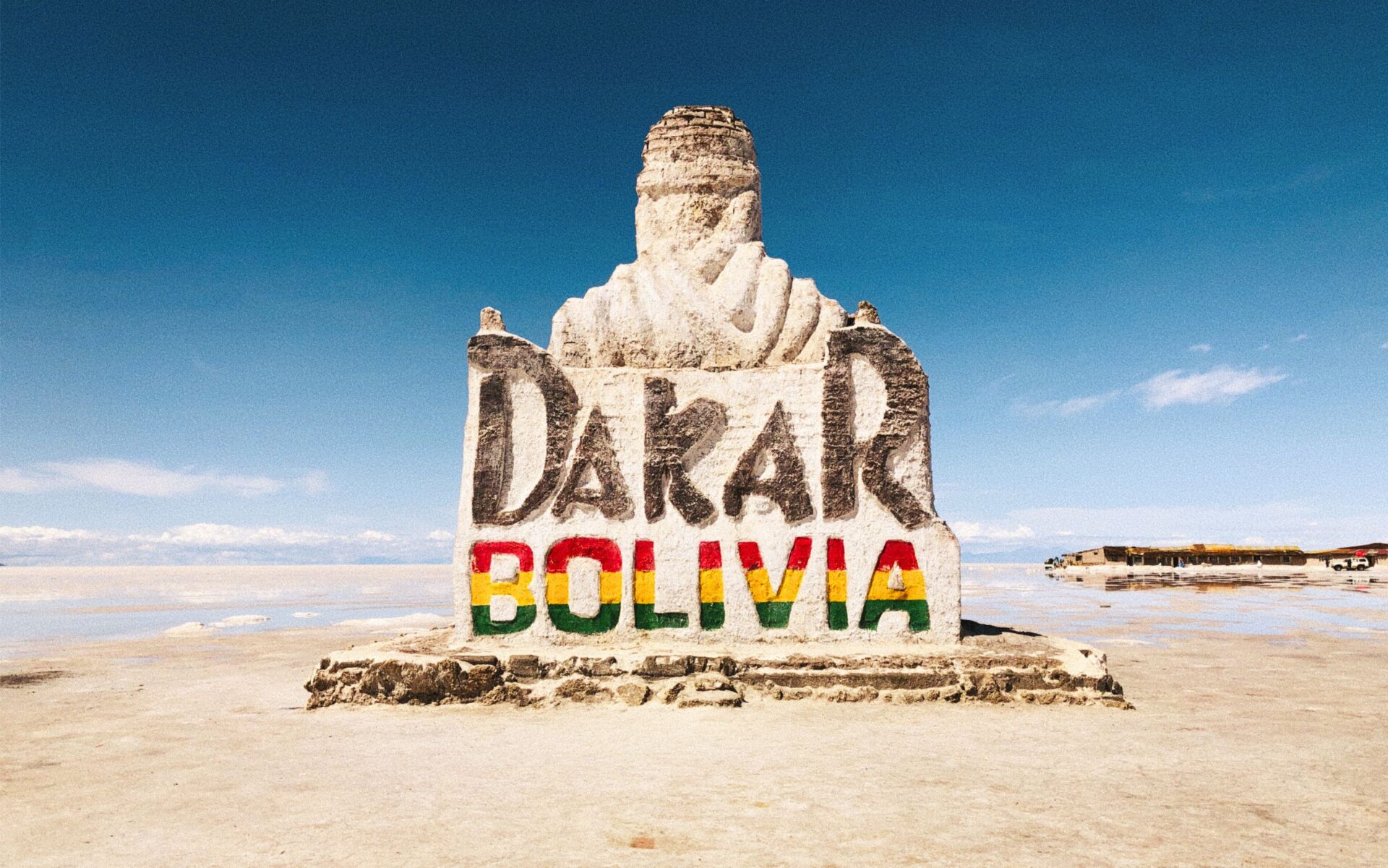
Bolivia is the country that South America keeps as its secret — the landlocked state at the centre of the continent, the Andean country at the altitude that makes every activity harder and every landscape more specific. The Salar de Uyuni (the world’s largest salt flat, 10,582 square kilometres of salt crust at 3,656 metres) is the most photographed single landscape in South America and one of the most specific on Earth — the reflective surface in the rainy season (November-April) gives the horizon-less mirror that requires no photographic manipulation to produce.
Seven days covers La Paz and the Uyuni circuit in the depth they deserve.
Before You Leave
The altitude: La Paz sits at 3,625 metres (the El Alto suburb where the airport is located: 4,061 metres — the highest commercial airport in the world). The Salar de Uyuni: 3,656 metres. The Laguna Colorada: 4,278 metres. The entire Bolivia circuit operates at altitudes that cause AMS in 25-40% of visitors on arrival. The mitigation: arrive from lower altitude (Cusco at 3,400 metres is higher than sea level but gives a 2-day acclimatisation step before La Paz), drink coca leaf tea continuously, ascend slowly.
The visa: Bolivia requires a visa for UK citizens — the tourist visa is available on arrival at the Santa Cruz Viru Viru International Airport (the main Bolivia entry point) for USD 160 / £126.02. Apply online at visabol.com to reduce the border processing time.
The Uyuni tour: The salt flat circuit is done by jeep — the standard 3-day/2-night tour in a 4WD Land Cruiser with a guide, the accommodation in the salt hotels (the hotels built from salt blocks on the salt flat itself), and the circuit covering the Salar, the Isla Incahuasi (the cactus island in the centre of the flat), the coloured lagoons, and the Eduardo Avaroa Andean Fauna National Reserve. Cost: USD 80-180 / £63.00-141.73 per person for the 3-day tour depending on the season and the operator quality.
The Route
La Paz (2 nights) → Valle de la Luna (day trip) → fly or bus to Uyuni (1 night) → 3-day Uyuni salt flat and altiplano circuit (3 nights including the salt hotel) → return to La Paz, fly home
The 7 Days
DAYS 1-2 — La Paz
Day 1: The Arrival and the Witch Market
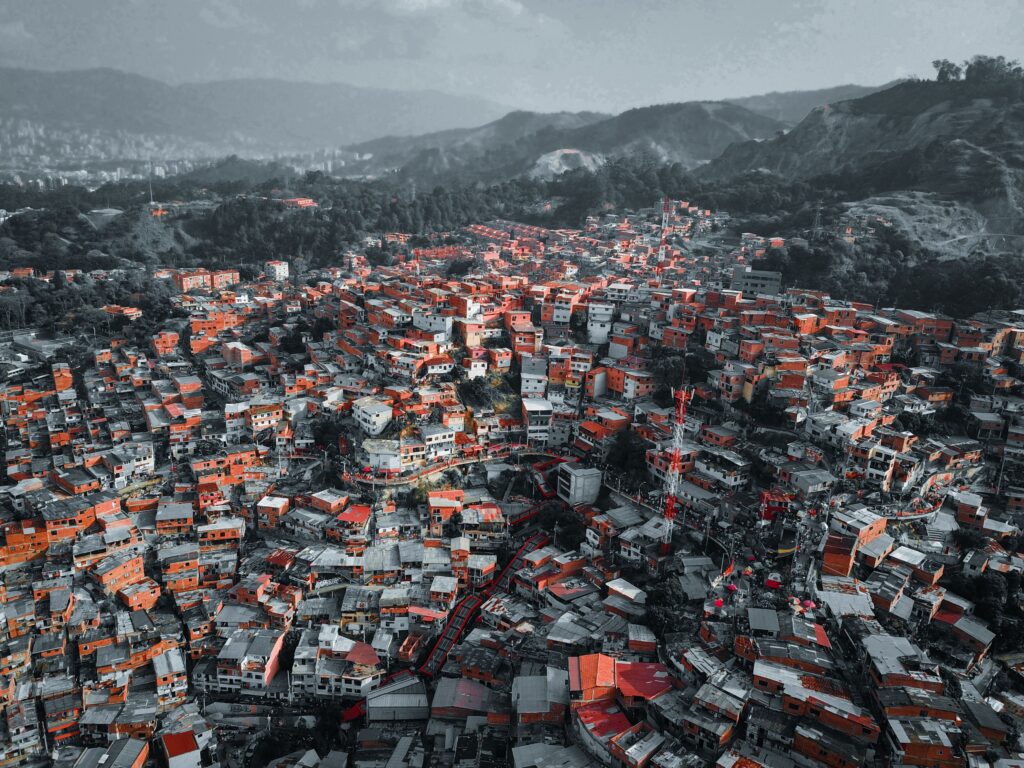
The arrival in La Paz is the specific Bolivia beginning — the airport bus from El Alto to the city descends 500 metres in 20 minutes, the bowl of the city visible from the rim as the bus descends (La Paz sits at the bottom of a natural bowl, the buildings climbing the sides in every direction, the urban density of the canyon visible as the urban grid covering what would elsewhere be a mountain river valley): the city of 900,000 visible as a complete geography in a way that flat cities never are.
The Mercado de las Brujas (the Witch Market):
The Calle Linares (the street in the San Francisco neighbourhood running north from the Mercado de Hechicería — the market of herbal medicine, ritual objects, and the Aymara spiritual tradition): the dried llama foetuses (the foetus offerings buried beneath the foundations of new buildings as an offering to Pachamama — the Aymara Earth goddess — the most discussed single item in any Bolivia market and the one that most visually confirms that La Paz is a city where the pre-Columbian spiritual tradition is not folklore but daily practice), the herb bundles for specific ailments, the offering tables assembled for the ch’alla ritual (the ritual blessing of new possessions).
The Mercado de las Brujas at 9am: the market vendors arranging the displays, the smoke from the burning offerings visible from the street above. Free.
The Teleférico:
The La Paz Teleférico (the cable car system connecting the city of La Paz with the suburb of El Alto — the 10-line urban cable car network, the longest urban cable car network in the world at 30km, the cable car used by the 400,000 El Alto residents as their primary commute): the Mi Teleférico card (BOB 3 / £0.31 per journey — the correct La Paz transport and the single best urban view available in the city, the cable car crossing the canyon at 400 metres above the canyon floor).
The specific Teleférico instruction: take the Línea Roja (the Red Line) from the Plaza Bicentenario station to the El Alto terminal — the full canyon crossing, the La Paz city visible in both directions simultaneously, the Illimani (the 6,438-metre snowcapped peak above the city) visible on clear days to the southeast.
Day 2: The Cholita Wrestling and the Cholita Quarter
The Cholita Wrestling (the lucha libre event featuring the Bolivian wrestling — the matches involving the cholitas (the Aymara women in the pollera dress, the bowler hat, the braids) wrestling each other and the male wrestlers in the theatrical tradition of the Mexican lucha libre): the matches at the El Alto arena every Sunday morning, the Saturday matches at the La Paz ring.
Cost: BOB 60-150 / £6.20-15.52 depending on the seating tier. The event is genuine sport, genuine entertainment, and the specific La Paz cultural event that the tourist industry has discovered without diminishing. Book through any La Paz hostel.
The Laikakota Hill:
The Parque Laikakota (the park on the hill above the city centre — the llamas visible in the park, the city view from the hill, the specific La Paz afternoon accessible on foot from the centre): free.
The Plaza Murillo evening:
The Plaza Murillo (the central political square — the Presidential Palace, the Legislative Assembly, the Metropolitan Cathedral visible from the square, the pigeons that have occupied the square since the plaza was built in the 18th century, the street vendors selling anticuchos (the beef heart skewers grilled over charcoal) at the plaza edge from 5pm): BOB 5-10 / £0.52-1.03 per skewer.
Where to stay: The Atix Hotel (the most celebrated boutique hotel in La Paz: £80-150/night), the Hotel Rosario (the colonial courtyard hotel: £40-80/night), the Loki Hostel La Paz (the most socially active hostel: private rooms from £15-30/night).
DAY 3 — Valle de la Luna
The Valle de la Luna (Valley of the Moon):
The Valle de la Luna (10km south of La Paz on the road to Mallasa — the eroded clay and sandstone formations produced by the weathering of the Andean plateau, the specific moonscape of pointed spires and canyons created by the rainwater erosion of the soft sedimentary rock): the most accessible of the specific geological landscapes in the Bolivia circuit, a taxi from La Paz (BOB 30-50 / £3.10-5.17 return), the 1-hour walking circuit through the formations.
Entry: BOB 15 / £1.55. The Valle de la Luna at 8am (before the tour groups arrive at 10am) in the early light — the shadows from the low sun giving the spire formations their maximum drama.
The Tiwanaku Ruins (afternoon):
The Tiwanaku (the pre-Inca archaeological site 70km from La Paz on the road to the Chilean border — the capital of the Tiwanaku civilisation at its height from 200-1000 CE, the Sun Gate (the Puerta del Sol — the monolithic carved gateway visible from across the site, the specific Andean astronomical symbolism visible in the carved calendar frieze), and the Kalasasaya temple complex):
The Tiwanaku UNESCO site is the least-visited major archaeological site in South America relative to its significance — the civilisation that preceded the Inca and that the Inca absorbed into their own cultural mythology, the site that predates Machu Picchu by 800 years and that receives 1% of the visitors.
Entry: BOB 100 / £10.34. The Bolivia Museum of Archaeology adjacent to the site: the Ponce Monolith and the Bennett Monolith (the carved stone figures from the Tiwanaku site, the Bennett Monolith at 7.3 metres the largest stone carving in South America): entry included.
Return to La Paz by 6pm. Fly or take the overnight bus to Uyuni.
DAY 4 — Uyuni Town and First Salt Flat Evening
The Uyuni town:
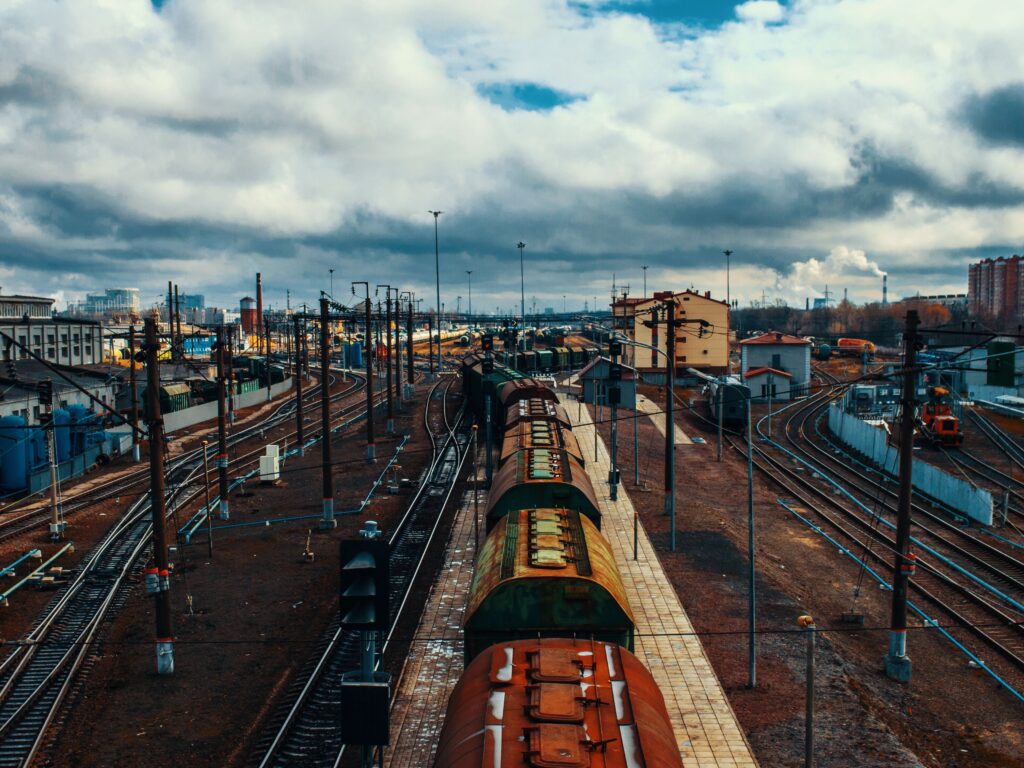
Uyuni (the small town at the edge of the salt flat — the tourist infrastructure town, the jeep agencies on every block, the train cemetery (the Cementerio de Trenes — the rusting steam train graveyard 3km from the town, the locomotives abandoned when the Bolivian mining industry collapsed in the 1940s, the rust-orange hulks visible against the altiplano sky): free.
The salt flat at sunset:
The first Salar de Uyuni visit (the tour operator collects from the Uyuni hotel at 4pm for the sunset visit — the flat in the last light, the horizon visible in every direction, the perspective tricks possible at the flat surface where the distance cannot be calculated): the sunset on the salt flat gives the colour from the pink-orange sky reflected in the thin water layer (in the rainy season) or the salt crust glowing in the direct horizontal light (in the dry season).
DAYS 5-6 — The 3-Day Circuit (Days 2 and 3 of the Tour)
Day 5: The Isla Incahuasi and the Laguna Colorada
The Isla Incahuasi (the cactus island in the centre of the Salar — the ancient coral reef island at 3,670 metres covered in the giant Trichocereus cacti, the tallest specimens reaching 12 metres, the island accessible from the salt flat by jeep): the 360-degree salt flat view from the island summit, the cacti visible against the white horizon in every direction.
The specific Salar photography instruction: the perspective trick photographs (the giant seemingly standing over the tiny figure, the person apparently holding the jeep on their palm, the impossible scale created by the flat surface that gives no depth cues) require: the plain background (move until there is only salt behind and in front of both subjects), the overcast sky (direct sun creates shadows that break the illusion), and the alignment of subjects on the same horizontal plane. The guide will assist — this is a practiced skill on the flat and the guides have done it 500 times.
The Laguna Colorada (the red lagoon at 4,278 metres in the Eduardo Avaroa National Reserve — the red colour from the sediment and the algae in the alkaline water, the flamingo colony (the James’s flamingo, the Andean flamingo, and the Chilean flamingo — the three Andean flamingo species visible simultaneously at the Laguna Colorada, available in no other single location in the world):
The flamingo at 4,278 metres — the James’s flamingo feeding in the shallow alkaline water, the specific pink-red colour against the red-brown of the lagoon, the white peaks of the Eduardo Avaroa mountains visible above.
Day 6: The Salvador Dalí Desert, the Geysers, and the Return
The Sol de Mañana geysers (the geothermal field at 4,850 metres — the mud pots and the steam vents visible at the surface, the ground temperature in the active zone reaching 200°C, the cold altiplano air making the steam visible from 2km): the 7am visit (the coolest air of the day gives the maximum steam visibility).
The Salvador Dalí Desert (the Siloli Desert — the wind-eroded sandstone formations at the northern end of the Eduardo Avaroa Reserve, the rock formations that the Surrealist painter Salvador Dalí requested permission to use as a backdrop for a painting after seeing photographs in the 1940s): the specific geological formations include the Árbol de Piedra (the 7-metre eroded rock tower, the thinner base than the top giving the precarious appearance that the wind erosion produced over thousands of years).
The Laguna Verde (the green lake at the Chilean border — the green colour from the copper and arsenic sediment, the Licancabur volcano at 5,920 metres behind the lake): the most specific single Bolivia landscape combination — the impossible green lake, the ice-capped volcano, the blue altiplano sky.
Return to Uyuni. Fly to La Paz or take the overnight bus to the Chilean border for the Atacama extension.
DAY 7 — Return to La Paz and Departure
The morning flight from Uyuni Airport (BOB — the small airfield, the Boliviana de Aviación service to La Paz: 45 minutes, USD 80-120 / £63.00-94.49 one way). Fly home from La Paz.
What It Costs
| Category | Budget | Mid-Range |
|---|---|---|
| Return flights (UK-La Paz via Lima or São Paulo) | £700-1,100 | £900-1,400 |
| Internal flights (La Paz-Uyuni-La Paz) | £100-180 | £120-200 |
| 7 nights accommodation | £105-210 | £280-560 |
| Uyuni 3-day tour (all-inclusive) | £63-142 | £110-200 |
| Food (7 days) | £50-100 | £100-200 |
| Activities and entries | £30-60 | £50-90 |
| Total | £1,048-1,792 | £1,560-2,650 |
Bolivia is the best-value destination in this guide — the Salar de Uyuni 3-day tour at £63-142 per person is the cheapest major wilderness circuit in the world by any reasonable comparison. The budget visitor to Bolivia gets the Uyuni sunrise, the flamingos at 4,278 metres, and the Salvador Dalí Desert for a total daily spend that a Lisbon lunch approaches.