

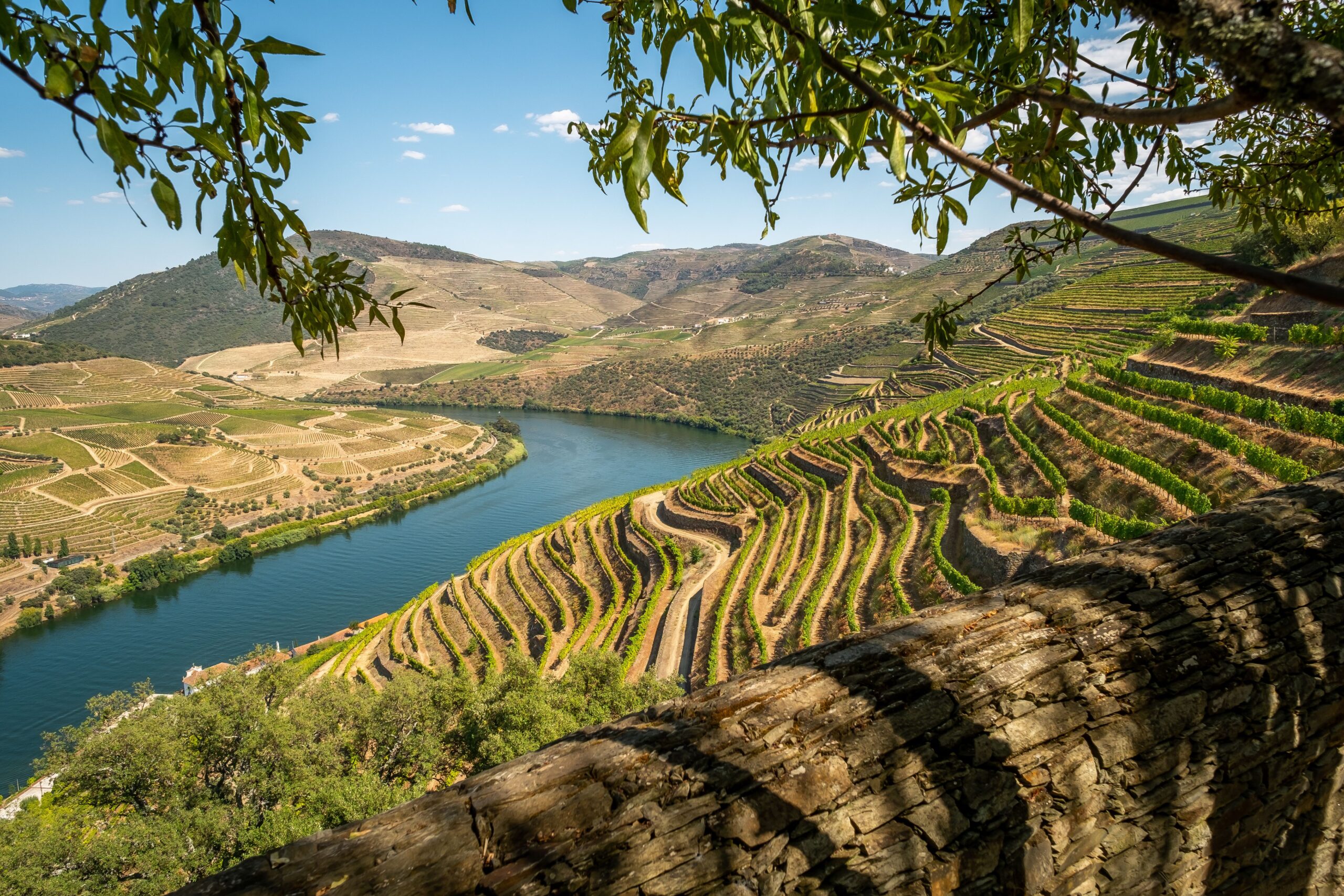
The ranking for the person who knows they prefer red wine to white, who has ordered Malbec and Pinot Noir and knows they’re different but cannot explain why they’re different, and who wants the wine travel experience without the sommelier test. The Douro Valley (Portugal) because you can taste the wine at the quinta where it was made by the family who has been making it for 300 years and where nobody expects you to identify the specific clonal variant. The Marlborough region in New Zealand because the Sauvignon Blanc is so emphatically what it is that the first sip explains the grape variety. Rioja because the ageing categories are literally written on the bottle in English. And Burgundy last — visited only when you have been to all the others and are ready for the Pinot Noir that costs €8 in a café in Beaune and is better than most bottles purchased in the UK at three times the price.
Reading time: 9 minutes | Last updated: 2025
Wine travel is the most accessible form of food tourism and the one most hedged by the assumption that you need expertise to participate. You do not. The winery that makes the wine is in the business of selling the wine. The wine tourism infrastructure exists to give people the experience of the wine at the source. The expert and the non-expert drink from the same glass.
This guide ranks the wine regions by accessibility for the non-expert traveller — the visitor who enjoys wine, wants to understand it better through experience rather than reading, and wants the wine travel experience to be about the landscape and the people as much as the specific tannic structure.
The Regions
1. The Douro Valley, Portugal — The Most Dramatic Landscape
Why it’s first for non-experts: The Douro Valley gives the wine in its most comprehensible setting — the terraced vineyards covering the schist hillsides above the river, the quintas (the estate wineries) accessible from the river road, and the wine that is either the Port (the fortified wine that the entire world has heard of) or the dry Douro red and white (the same grape varieties as Port but made as table wine rather than fortified). The non-expert who visits the Douro understands what Port is before they taste it — the understanding comes from seeing the steep hillsides and hearing the specific argument for why the grapes were grown here rather than anywhere else.
The visit:
The Quinta do Crasto (the Douro Superior estate — the tasting room on the plateau above the river, the view of the terraced vineyards from the tasting table): the guide describes the granite and the schist (the two soil types of the Douro, the schist retaining the heat and the granite draining the water, the specific geology visible on the hillside from the quinta’s terrace). The non-expert understands the soil’s role in the wine’s flavour after seeing the hillside and tasting the wine in sequence.
The Douro train:
The Douro Line from Porto to Régua (the 2-hour train journey following the river, the wine country visible from the window, the quinta buildings visible on the hillside): the most specific wine travel journey in Europe. The non-expert who arrives by train understands the Douro before the first sip.
The wine vocabulary needed: None. The quintas explain everything.
2. Rioja, Spain — The Label That Explains Itself
Why it’s second for non-experts: Rioja uses a legally mandated ageing classification system that is printed in English on every bottle:
- Rioja: Aged a minimum of 12 months in oak and bottle combined
- Rioja Crianza: Aged a minimum of 2 years (minimum 1 year in oak)
- Rioja Reserva: Aged a minimum of 3 years (minimum 1 year in oak)
- Rioja Gran Reserva: Aged a minimum of 5 years (minimum 2 years in oak)
The non-expert who knows these four categories can decode every Rioja label without any additional vocabulary. The categories exist precisely because the Spanish wine industry wanted to communicate quality and ageing to buyers who don’t know the vocabulary.
The visit:
The Haro wine town (the capital of the Rioja Alta — the most concentrated quality wine town in Spain, the Haro train station district where the most important Rioja bodegas are located in a single neighbourhood: the Muga, the CVNE, the López de Heredia):
The López de Heredia (Rioja’s most distinctive bodega — the family estate that has been making Rioja in the same tradition since 1877, the cobweb-covered barrels in the traditional underground cellar, the wines that taste of the 19th century rather than the 21st): the tasting of the Viña Tondonia Reserva (the wine that costs €15 in the bodega and €35 in the UK) and the Gran Reserva (the wine that costs €25 in the bodega). The difference between the two is 2 years of ageing. The tasting makes the difference audible to anyone who has ever tasted wine. No vocabulary required.
The wine vocabulary needed: Crianza, Reserva, Gran Reserva. Three words.
3. Marlborough, New Zealand — The Grape That Tells You What It Is
Why it’s third for non-experts: The Marlborough Sauvignon Blanc is the wine that explains itself in the first sip. The specific combination of the Wairau Valley terroir (the alluvial gravel, the UV radiation at the 41° south latitude, the cool nights that preserve the aromatic compounds) and the Sauvignon Blanc grape gives the most emphatically flavoured single variety in the world — the gooseberry, the cut grass, the passionfruit, the lime zest. The non-expert who tastes the Cloudy Bay or the Dog Point Sauvignon Blanc on the winery terrace in Marlborough and then tastes the Sancerre Sauvignon Blanc 12 months later in the Loire understands the difference between New World and Old World winemaking — the terroir, the yield, the oak — through the memory of the two tastes rather than through any reading.
The visit:
The Dog Point Vineyard (the biodynamic winery in the Brancott Valley — the tour of the vineyard (the vine spacing, the canopy management, the specific decision to leave the grass between the rows for biodiversity) and the tasting of the two Sauvignon Blancs (the Section 94 — the unoaked, the gooseberry and the lime — and the standard — the oak-aged, the complexity and the texture added by the fermentation in old barrique)):
The specific non-expert insight from Marlborough: the oak makes the wine less emphatically fruity and more complex. The choice between the two styles is personal. Both are the same grape, the same vineyard, the same vintage. The winemaker’s decision is the only variable.
The wine vocabulary needed: Sauvignon Blanc, Unoaked vs Oaked. Two concepts.
4. Champagne, France — The Wine With the Built-In Story
Why it’s fourth for non-experts: The story of Champagne is the most easily told wine story in the world — Dom Pérignon, the cellar master at the Abbey of Hautvillers, who in 1697 reportedly called to his fellow monks “Come quickly! I am drinking stars!” (the quote is probably apocryphal; the history of the region is not). The méthode champenoise (the secondary fermentation in the bottle, the riddling, the disgorgement — the process that makes the wine sparkle) is the most specific single wine production process and the one that gives the visitor the clearest understanding of why the wine is what it is.
The visit:
The Reims Champagne houses (the Grande Marque houses with the publicly accessible cellar tours — the Taittinger, the Pommery, the Ruinart (the oldest Champagne house, 1729, the chalk cellars that are themselves UNESCO-listed)):
The Ruinart cellar tour (the crayères — the UNESCO chalk tunnels 20-30 metres underground, the temperature constant at 11°C year-round, the bottles in the riddling racks, the disgorgement process explained by the guide): entry €65 / £56.03 for the tasting and the cellar tour. The most specific single wine experience in France for the non-expert.
The wine vocabulary needed: Brut (dry), Extra Brut (very dry), Demi-Sec (sweet), Millésimé (vintage), Non-Millésimé (blended from multiple years). Five words, all of which are on the bottle.
5. The Barossa Valley, Australia — The Big Wine That Explains Why
Why it’s fifth for non-experts: The Barossa Valley gives the old-vine Shiraz — the wine from vines planted in the 1840s and 1850s by the German Silesian settlers who brought the cuttings from Europe and that were never replaced because South Australia’s wine industry was never affected by the phylloxera louse that destroyed the European vineyards in the 1870s-1890s. The 170-year-old vine gives a wine of specific concentration — the fruit intensity from the old root system reaching deep into the soil, the tannin from the vine age giving the structure. The non-expert who tastes the Henschke Hill of Grace (the most celebrated old-vine Shiraz in Australia, from vines planted in 1860) or the Penfolds Grange (the flagship Australian red, the wine that established Barossa’s international reputation in the 1950s) understands the Old Vine concept without any vocabulary.
The wine vocabulary needed: Old Vine (vines over 25-35 years old by convention), Shiraz vs Syrah (the same grape, Australian name vs French name), GSM (the Barossa blend of Grenache, Shiraz, Mourvèdre).
The Non-Expert Wine Travel Guide
The tasting room instruction:
The correct behaviour in a winery tasting room: tell the guide what you know (“I know I prefer red wine, I’ve had Malbec and liked it”) and ask what you want to know (“what makes this wine different from the one we just tasted?”). The guide is there to give you exactly this — the expert who has a clear brief delivers a better experience than the expert who guesses.
The swirl, sniff, sip sequence:
The wine tasting technique: swirl the glass (the oxygen contact releases the aromatic compounds), sniff (the nose before the palate, the first impression), sip (the wine on the palate, the front-of-mouth, the middle, the finish — the sequence of flavours as the wine passes through). No vocabulary required. The sequence is the same regardless of the wine.
The spit or swallow:
At the winery tasting (especially the drive-back situation), the spit is the technically correct option and the socially uncomfortable one for the UK visitor. The resolution: designate a driver, or book the tour that includes transport.