


The guide that starts with the claim most travel insurance reviews avoid making explicit: the travel insurance policy you buy should be chosen based on what you are actually doing on the trip, not on which brand has the most Instagram presence. World Nomads is not always the correct answer. True Traveller is not always the cheapest. And the policy that costs £15 more per week may be the one that pays out when the one that costs £15 less doesn’t.
Reading time: 9 minutes | Last updated: 2026
Travel insurance is the purchase that most travellers make in the 48 hours before departure without reading the policy document, then rely on when something goes wrong with the assumption that the coverage they need is included. Sometimes it is. Sometimes it isn’t — and the difference between a £40 policy and a £65 policy is frequently the specific exclusion that becomes the relevant clause at 2am in a Bangkok emergency room.
This guide covers the three policies most frequently purchased by UK travellers and the specific differences between them that determine which is correct for which trip.
The Core Principle: Match the Policy to the Trip
Before choosing a provider, answer these three questions:
1. What activities are you doing? The standard travel insurance policy covers the tourist activities that appear in brochures. It does not automatically cover: motorcycle riding above 125cc, scuba diving below 30 metres, cliff jumping, white water rafting above Grade 3, skiing off-piste, trekking above 4,500 metres, or any competitive sport. The activity coverage must be explicitly included in the policy or added as an upgrade.
2. Where are you going? The USA, Canada, and Caribbean significantly increase the insurance premium because the USA medical system is the most expensive in the world. The gap between a Southeast Asia policy and a USA-included policy is 40-80%.
3. How long are you going for? The single-trip policy for one journey. The annual multi-trip policy for two or more trips in a year (the annual policy typically covers trips of up to 31-45 days each). The long-stay policy for trips over 90 days.
The Three Providers
World Nomads
Who it’s for: The adventure traveller, the solo traveller, the backpacker who is doing activities beyond the standard tourist package.
The specific World Nomads advantage:
The activity coverage. The World Nomads Standard plan covers 150+ activities including: motorcycling (up to 250cc on the Standard plan, unlimited on the Explorer plan), scuba diving (up to 40 metres on the Standard plan), white water rafting (up to Grade 5), bungee jumping, sky diving, and most trekking at any altitude.
For the UK traveller doing the SE Asia motorcycle trip (Thailand, Bali, Vietnam), the World Nomads Standard plan at approximately £70-90 per week (single trip, UK origin, excluding USA) is the correct baseline. The same trip with a standard bank or comparison site policy that doesn’t cover motorcycling is the scenario that ends with the uninsured hospital bill.
The specific World Nomads limitations:
Pre-existing conditions: World Nomads covers stable pre-existing conditions if disclosed at the time of purchase, but the premium increases significantly. For travellers with complex medical histories, True Traveller or specialist providers give more flexible underwriting.
Price: World Nomads is not the cheapest option for low-activity trips. The backpacker who is doing the standard tourist circuit (the temples, the beaches, the market eating) is paying for activity coverage they don’t need.
The USA coverage: expensive but available — the Standard plan with the USA included increases to £150-200+ per week for longer trips.
Best for: Motorbike travel in Southeast Asia, scuba diving, trekking above 4,500m, adventure sports of any significant category.
Battleface
Who it’s for: The traveller going to destinations that other insurers exclude or charge significant premiums for.
The specific Battleface advantage:
The geographic flexibility. Battleface covers destinations that standard policies exclude — the traveller going to Pakistan, Ethiopia, Rwanda, Georgia, or the destinations that the FCO advises caution for. Battleface underwrites based on the specific risk assessment of the individual destination rather than applying the blanket exclusions that standard policies use.
The specific coverage areas that Battleface handles where others don’t: the political risk coverage (the trip cancellation due to political instability, the evacuation coverage if the political situation deteriorates during travel), and the coverage for destinations with FCO “avoid non-essential travel” advisories (the standard policy excludes coverage if the FCO advises against travel to a destination — Battleface allows the traveller to purchase coverage with the understanding that the travel risk is accepted).
The specific Battleface limitations:
Activity coverage: Battleface’s standard policy covers a more limited range of adventure activities than World Nomads. The motorcycle coverage requires explicit confirmation and in some cases is excluded or limited.
Price: Battleface’s premiums for high-risk destinations are competitive but for standard destinations (the UK, Eurozone, Southeast Asia) the price is not necessarily better than World Nomads or True Traveller.
Best for: Caucasus travel (Georgia, Armenia, Azerbaijan), East Africa (Ethiopia, Uganda, Rwanda), South Asia (Pakistan, Nepal remote areas), any trip where the FCO advisory might affect standard policy coverage.
True Traveller
Who it’s for: The long-term traveller, the traveller with pre-existing conditions, the UK traveller who wants the most flexible coverage at a competitive price for standard destinations.
The specific True Traveller advantage:
The long-stay flexibility. True Traveller’s policies cover trips up to 18 months (the backpacker round-the-world policy, the long-stay policy for the sabbatical or career break). The single-trip and annual policy options are straightforward; the long-stay options are the specific True Traveller differentiator.
The pre-existing condition handling. True Traveller’s medical screening system (the online declaration form that gives immediate cover decisions rather than the blanket pre-existing condition exclusion) gives more flexible underwriting than the standard market for travellers with stable, managed medical conditions (the controlled diabetes, the managed hypertension, the previously treated cancer that is in remission).
The UK-specific underwriting. True Traveller is a UK company underwriting for UK travellers — the claims process (the UK phone number, the UK-based claims team) is more straightforward for UK nationals than the international operators.
The specific True Traveller limitations:
Activity coverage: the True Traveller standard policy covers fewer extreme activities than World Nomads. The adventure sport upgrade is available but must be specifically selected.
Geographic coverage: True Traveller’s destination exclusion list is more conservative than Battleface — the FCO-advised destinations trigger the standard exclusion.
Best for: Long-stay travel (3+ months), travellers with pre-existing conditions, the standard trip where activity coverage beyond the basic tourist activities is not required.
The Comparison Table
| Feature | World Nomads Standard | Battleface Standard | True Traveller Standard |
|---|---|---|---|
| Motorcycling to 250cc | ✅ Included | ⚠️ Check policy | ✅ With upgrade |
| Scuba to 40m | ✅ Included | ⚠️ Check policy | ✅ With upgrade |
| Trekking any altitude | ✅ Included | ✅ Included | ✅ With upgrade |
| FCO “avoid” destinations | ❌ Excluded | ✅ Available | ❌ Excluded |
| Pre-existing conditions | ⚠️ Limited | ⚠️ Limited | ✅ Flexible |
| Long-stay (6+ months) | ❌ Not offered | ⚠️ Limited | ✅ Available |
| Price per week (SE Asia, UK origin) | £70-90 | £55-80 | £45-70 |
| Medical evacuation limit | £5,000,000 | £2,000,000 | £10,000,000 |
| Emergency line | 24-hour | 24-hour | 24-hour UK |
The Specific Scenarios
Scenario 1: Two weeks in Thailand on a hired motorbike
The correct policy: World Nomads Standard. The motorcycling coverage (up to 250cc) is included automatically. The True Traveller standard policy requires an upgrade. The Battleface standard policy requires specific confirmation.
The critical check: any policy for motorcycling must explicitly state coverage while riding a motorcycle. “Transport” coverage does not include operating a vehicle — it covers being a passenger.
Scenario 2: One month trekking in Nepal (Everest Base Camp)
The correct policy: World Nomads Explorer (the higher-tier plan) or True Traveller with the hazardous activities upgrade. The EBC trek reaches 5,365 metres — within World Nomads’ coverage but above the standard trekking limit on some other policies.
The critical check: the high altitude medical evacuation (the Himalayan helicopter rescue) — the policy must cover medical evacuation from the altitude reached, and the evacuation limit must be sufficient (the Himalayan rescue can cost USD 10,000-30,000 / £7,874-23,622).
Scenario 3: Three months in Georgia and the Caucasus
The correct policy: Battleface for the destination flexibility, or True Traveller long-stay if the FCO advisory status doesn’t trigger exclusions. Georgia itself is not FCO-advised against, so the standard True Traveller policy covers it. The traveller extending to the border areas of Armenia-Azerbaijan requires Battleface for the political risk coverage.
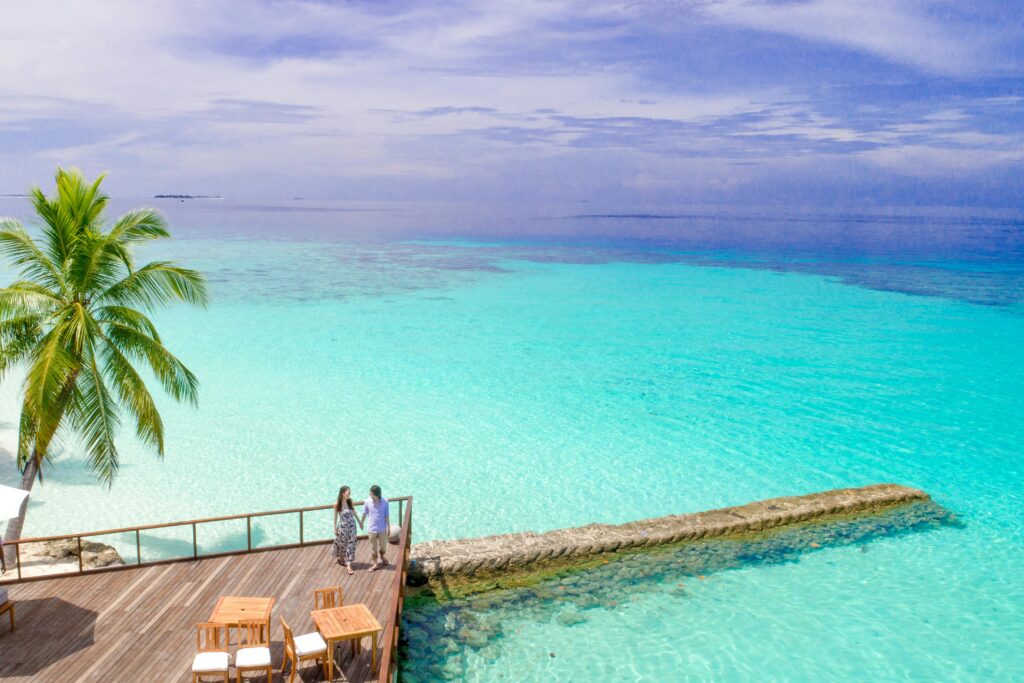
Scenario 4: Two weeks in the Maldives on the overwater villa (no diving, no adventure)
The correct policy: True Traveller standard — the cheapest policy for the low-activity luxury beach trip that doesn’t require the adventure coverage premiums.
Scenario 5: Six months backpacking Southeast Asia
The correct policy: True Traveller long-stay — the 6-month single policy at approximately £300-450 / £300-450 for the full period, the motorcycle upgrade added, the long-stay underwriting giving the medical coverage for the extended period.
What Every Policy Should Include
The non-negotiables regardless of provider:
| Coverage | Minimum Adequate Level |
|---|---|
| Medical expenses | £5,000,000 minimum |
| Emergency medical evacuation | £500,000 minimum |
| Trip cancellation | 100% of pre-paid costs |
| Personal liability | £2,000,000 minimum |
| Baggage and personal effects | £1,500 minimum |
The frequently inadequate on cheap policies:
The gadget coverage (the laptop and the camera — check that the policy explicitly covers electronics to the value of what you’re carrying, not a generic gadget cap of £300 that doesn’t cover the £1,200 mirrorless camera).
The cash coverage (the standard cash coverage of £250-500 is inadequate for the traveller in a country where ATMs are unreliable and carrying cash is necessary).
The Claims Process
The claim is only as good as the documentation you have. The standard documentation required for any successful travel insurance claim:
- Medical claims: The original hospital or clinic receipt (not a copy), the doctor’s report with the diagnosis, the prescription receipt if medication was purchased.
- Baggage claims: The police report (required for theft — file immediately, get the report number), the airline property irregularity report (for airline-lost luggage), the original purchase receipt or proof of ownership for the claimed item.
- Trip cancellation: The booking confirmation, the refund already received (the policy pays the unrecoverable portion), and the documentation of the specific cancellation cause (the medical certificate, the death certificate, the official notice of natural disaster or political incident).
The specific timing rule: for medical claims, notify the insurer before or at the time of treatment where possible. For emergency treatment this isn’t always possible — notify within 24-48 hours. The post-hoc notification that occurs after returning to the UK frequently reduces or eliminates coverage for non-emergency medical treatment.