
The packing list that separates the safari that works from the one where the tsetse flies find you, the morning game drive at 5:30am leaves you cold despite the equatorial location, and the wildlife photographer next to you asks why you’re wearing a bright blue jacket. Specific items, specific weights, specific colours — and why the animal seeing you first is the only packing failure that actually matters.
Reading time: 9 minutes | Last updated: 2026
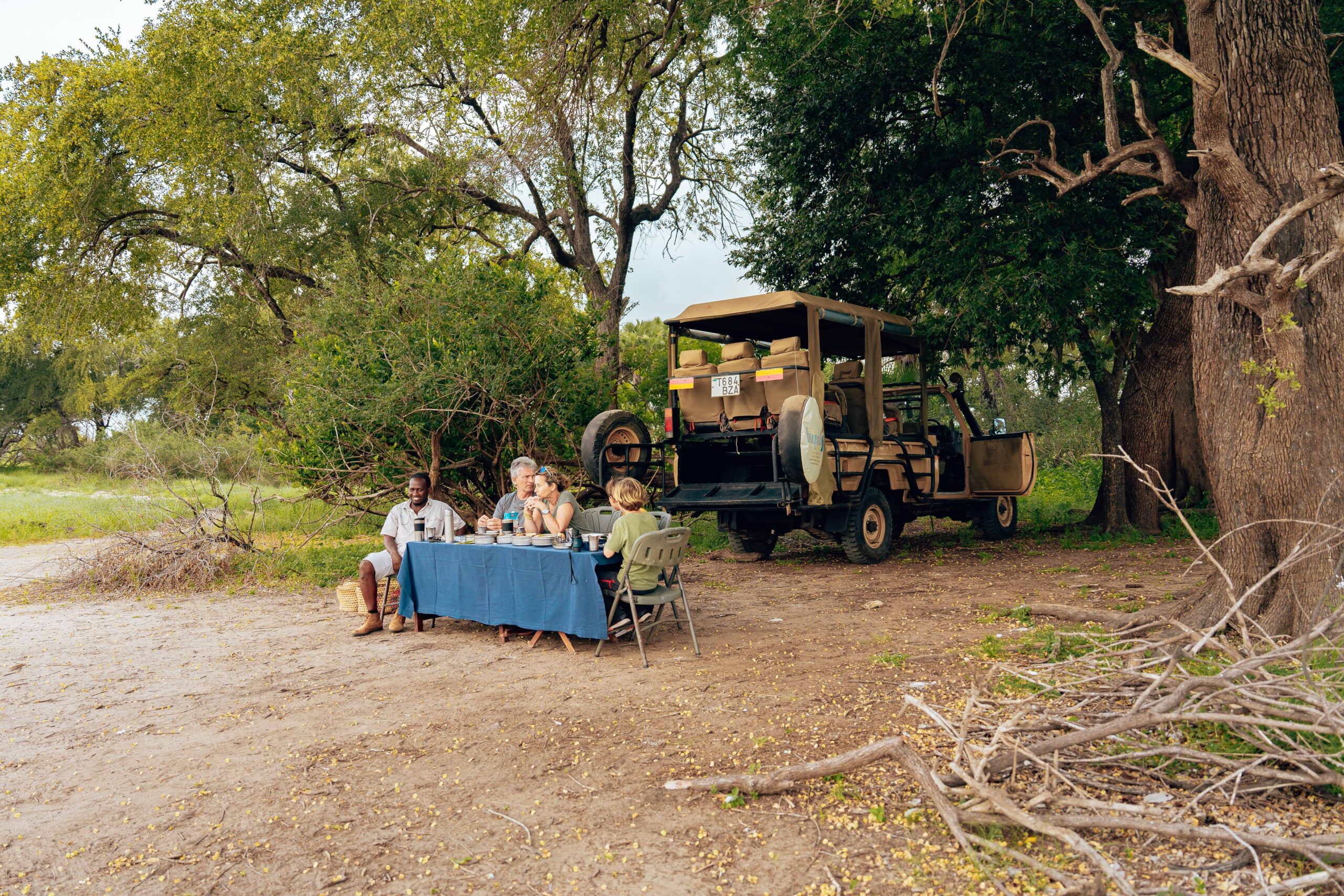
The safari packing list is the one packing list where getting it wrong has direct consequences for the quality of the experience rather than just personal inconvenience. The animal that sees you (or smells you, or hears you) before you see it is an animal you haven’t photographed. The person in the bright red jacket in the game drive vehicle is the reason the lion walked back into the bush before the guide could position the vehicle.
This guide covers what works — tested across safaris in Kenya, Tanzania, Rwanda, Uganda, Botswana, and South Africa. The principles apply to all destinations; the specific additions for each ecosystem are noted.
The Core Packing Principle: Neutral Colours Only
The colour rule is the first and most important packing decision. Wildlife — particularly the large mammals of the African savanna — responds to colour contrast. The specific colours to avoid:
- White: The highest contrast against the bush. Visible from 300 metres. Never.
- Bright blue: The colour that corresponds to no natural feature in the savanna or rainforest. Immediately visible.
- Black: Attracts tsetse flies (the biting fly that carries sleeping sickness in Central and East Africa). The tsetse’s visual system is particularly responsive to high-contrast dark objects. All black clothing in tsetse country attracts flies.
- Red: High visibility in savanna vegetation.
The colours that work: khaki, olive green, tan, sand, light grey, brown. The colours that disappear into the bush.
The Full Packing List
Clothing
| Item | Quantity | Specific Notes |
|---|---|---|
| Lightweight cargo trousers (zip-off convertible) | 2 pairs | Khaki or olive. The zip-off function: the morning game drive at 5:30am in the Masai Mara is 12°C. By 10am it is 28°C. One item, two functions. |
| Long-sleeve shirts (neutral colours, lightweight) | 3 | Merino wool or synthetic. The long sleeve for the morning chill, sun protection, and mosquito protection in the evenings. |
| Short-sleeve shirts | 2 | For camp in the midday heat. Neutral colours. |
| Fleece or soft-shell jacket (mid-layer) | 1 | The Patagonia R1 or the North Face 100 weight. The 5:30am game drive in Bwindi or the Masai Mara highland is genuinely cold. |
| Lightweight waterproof jacket (packable) | 1 | The Patagonia Torrentshell or the Mountain Warehouse equivalent. The afternoon tropical downpour is daily in East Africa. |
| Warm layer (down jacket or fleece, heavier) | 1 | For the Bwindi Impenetrable Forest gorilla trek (1,600-2,500 metres altitude, temperature 14-18°C, often misting) or the South African winter (June-August in Kruger: 5-12°C at dawn). |
| Underwear (merino or synthetic) | 4-5 | Quick-dry. The lodge laundry operates every 24-48 hours. |
| Walking socks (merino, above-ankle) | 3-4 pairs | For the bushwalk and the gorilla trek. The ankle coverage keeps the ticks off. |
| Swimwear | 1 | The camp pool. Pack it. |
| Smart-casual outfit for the evening (one set) | 1 | The camp dinner. Some lodges are smart-casual. The neutral-coloured trousers and a clean shirt cover all eventualities. |
The weight of the clothing section: approximately 2.5-3kg for the full list. Safari camps require weight-restricted baggage for the light aircraft transfers — 15kg soft-sided bag maximum on most Kenya and Tanzania internal flights. Hard-sided luggage is refused.
The soft bag requirement: Many safari circuits involve internal light aircraft transfers (the 12-seat Cessna Caravan is the standard East Africa safari bush plane). These aircraft require soft-sided bags — the rigid hard-shell suitcase will not be loaded. The Osprey Farpoint 40 or any soft-sided holdall at 40L is the correct format.
Footwear
| Item | Notes |
|---|---|
| Lightweight hiking boots or trail runners | The bushwalk on the Kruger walking safari or the Kalahari walks requires closed-toe footwear. The ankle support for the uneven terrain. No sandals for any bushwalk. |
| Camp sandals or flip-flops | For the lodge and the pool. The Birkenstocks or the Tevas. |
Two pairs only. The hiking boots go on the feet for travel; the sandals go in the bag.
The Safari-Specific Kit
This section is what separates the safari packing list from a general outdoor list.
| Item | Specific Product | Notes |
|---|---|---|
| Binoculars | Nikon Prostaff 3S 8×42 (£80-120) or Swarovski EL 8.5×42 (£1,800-2,400) | The binoculars are the single most important safari item outside the camera. The lion at 200 metres, the leopard in the tree, the distant elephant herd — all invisible to the naked eye at the detail level that makes the experience memorable. The guide has binoculars. You need your own. Entry-level (Nikon Prostaff) is adequate. The Swarovski is the investment for the serious wildlife traveller. |
| Dust bag (camera/electronics) | Any drawstring bag | The Masai Mara in July at the wildebeest crossing is the dustiest environment in East Africa. The camera in the vehicle is constantly exposed. A simple drawstring dust cover protects the lens and the body between shots. |
| Headtorch | Black Diamond Spot or Petzl Actik Core | The walk from the tent to the dining room at 11pm at the Serengeti camp requires the headtorch. The camp paths are not lit — the wildlife is present. |
| Refillable water bottle | Nalgene 1L or Hydro Flask | The game drives are 3-4 hours without a stop. The camp provides purified water for refilling. Buying single-use plastic water bottles at the lodge shop is unnecessary and expensive. |
| Dry bag (30L) | Sea to Summit or similar | For the boat safari (the Chobe River in Botswana, the Kazinga Channel in Uganda), the water crossing, and the canoe safari. The splash protection for the camera bag. |
| Insect repellent (DEET 50%) | 100ml — multiple bottles | The most important health item on the list. The malaria-transmitting mosquitoes are most active at dawn and dusk — the exact hours of the game drive. The 50% DEET concentration is the correct level for sub-Saharan Africa. Apply to skin and clothing before the evening game drive. |
| Permethrin spray | For clothing treatment | Spray permethrin on all clothing and leave to dry 24 hours before the safari. The insecticide treatment on the fabric repels mosquitoes for 6-8 washes. More effective than DEET alone for tick prevention on the bushwalk. |
| Anti-malarial medication | Prescription — consult a travel clinic 6-8 weeks before departure | Malarone (atovaquone-proguanil) for East Africa (Kenya, Tanzania, Uganda) — start 1-2 days before, take throughout, stop 7 days after. Doxycycline is the alternative. Kruger National Park: anti-malarial medication recommended. The travel clinic provides the correct advice for the specific itinerary. |
| Sunscreen SPF50+ | 150ml | The open vehicle game drive at altitude with zero shade is the highest UV exposure available in East Africa. The Zimbabwe sun with the open roof of the game drive vehicle is 11-13 UV index. Apply before every morning drive. |
| Dust-resistant phone case | Any snap-over case | The dust situation on the open vehicle. The phone serves as the secondary camera, the identification app (the Merlin Bird ID and the iNaturalist for the species in question), and the GPS. |
The Camera Setup
The camera is the one item where the investment level directly correlates to the quality of the photographic output.
| Level | Setup | Approximate Cost |
|---|---|---|
| Smartphone only | iPhone 15 Pro Max or Samsung S24 Ultra | £1,000-1,200 — adequate for the close encounters and the landscape. Not adequate for the distant wildlife. |
| Entry mirrorless | Sony A6700 with the 70-350mm f/4.5-6.3 G OSS lens | £1,200-1,800 — the correct entry safari camera, the 350mm reach adequate for the standard 20-50 metre game drive distance. |
| Mid-range mirrorless | Sony A7 IV with the 100-400mm f/4.5-5.6 G Master | £4,000-5,500 — the professional wildlife photographer’s entry point. |
| The beanbag | Any filled beanbag (30cm × 30cm) | £10-20 — the beanbag rests on the vehicle door and provides a stable camera support at the safari’s shooting height. More effective than any tripod for vehicle-based wildlife photography. |
The dust management: The African dust penetrates lens mounts if the lens change is performed outdoors. Change lenses in the vehicle with the door closed or inside the tent. Carry a Lenspen and a blower for the daily dust cleaning.
Health and Medical
| Item | Notes |
|---|---|
| Anti-malarial medication | See above. Non-negotiable for East Africa. |
| Oral rehydration salts | Dioralyte sachets × 10. The stomach upset is common in the first 48 hours of an East Africa safari. The combination of unfamiliar food, different water (even when purified), and the heat creates the conditions. |
| Imodium (loperamide) × 6 | For the 6-hour game drive day where stopping is not logistically possible. |
| Ibuprofen and paracetamol | The bush plane is not comfortable. |
| Antihistamine | The tsetse bite produces significant local reaction in some people. The bee and wasp stings in the East Africa bush are frequent in season. |
| Prescription medications | In original packaging, quantity for the full trip plus 7 days. |
| Medical evacuation insurance | The Flying Doctors Society of Africa (AMREF, the annual membership covers emergency air evacuation within East Africa: $50 / £39.37/year) is the standard cover for the Kenya-Tanzania circuit. Confirm your travel insurance includes medical evacuation to the nearest equipped hospital — the Nairobi Hospital for the Kenya circuit. |
The Gorilla Trek Specific Kit (Bwindi, Virunga)
The Bwindi Impenetrable Forest gorilla trek requires additional items not on the standard safari list:
- Gardening gloves or leather work gloves: The Bwindi undergrowth includes stinging nettles, thorns, and sharp vegetation. The gloves protect the hands during the scramble through the vegetation.
- Gaiters: The leech gaiters or the simple lower-leg covering (the sock pulled over the trouser and the gaiter over both) keeps the leeches off. Bwindi in the wet season (March-May, October-December) has the highest leech density of any gorilla habitat. They are harmless but disorienting.
- Trekking poles: The Bwindi terrain (the steep, muddy, root-covered path through primary rainforest at 1,600-2,500 metres) is the most physically demanding terrain on this list. Trekking poles are not vanity — they are the difference between a manageable descent and a difficult one after 4 hours of tracking.
- Rain cover for the camera: Bwindi is almost always misty at altitude. The camera rain cover (the OpTech Rainsleeve or the Aquapac waterproof camera case) protects the one piece of equipment that cannot get wet.
The Weight Check
The correct safari bag (the soft-sided 40L holdall) should weigh 12-14kg with everything packed — within the light aircraft 15kg limit.
If over 15kg: the warm layer (if not needed for the specific season), the extra shirt, and the camera equipment beyond the primary body and lens are the candidates for removal or compression.
The Checklist
12 weeks before:
- ✅ Travel clinic appointment — antimalarial prescription, yellow fever certificate if transiting through yellow fever country
- ✅ Travel insurance — confirm medical evacuation cover
- ✅ Safari flights — confirm baggage allowance (soft bag, 15kg maximum for most light aircraft legs)
6 weeks before:
- ✅ Start antimalarial medication 1-2 days before departure (Malarone) or 1-2 days before (Doxycycline)
- ✅ Permethrin-treat all clothing (allow 24 hours to dry)
1 week before:
- ✅ Test the camera with the 400mm lens in low light — the dawn game drive light is the most demanding shooting condition available
The day before:
- ✅ DEET applied to clothing — the permethrin plus DEET combination is the dual protection standard for malaria endemic areas