



The three-way comparison that the travel gear market keeps producing reviews of without testing them at the destination that matters: the Osaka subway at rush hour, the Marrakech medina on foot, the overnight bus in Vietnam, and the bush plane check-in at Wilson Airport. Weight, packability, carry comfort at 40L full load, and the specific detail that separates the backpack worth buying from the one that photographs well and breaks your back in the third week.
Reading time: 8 minutes | Last updated: 2026
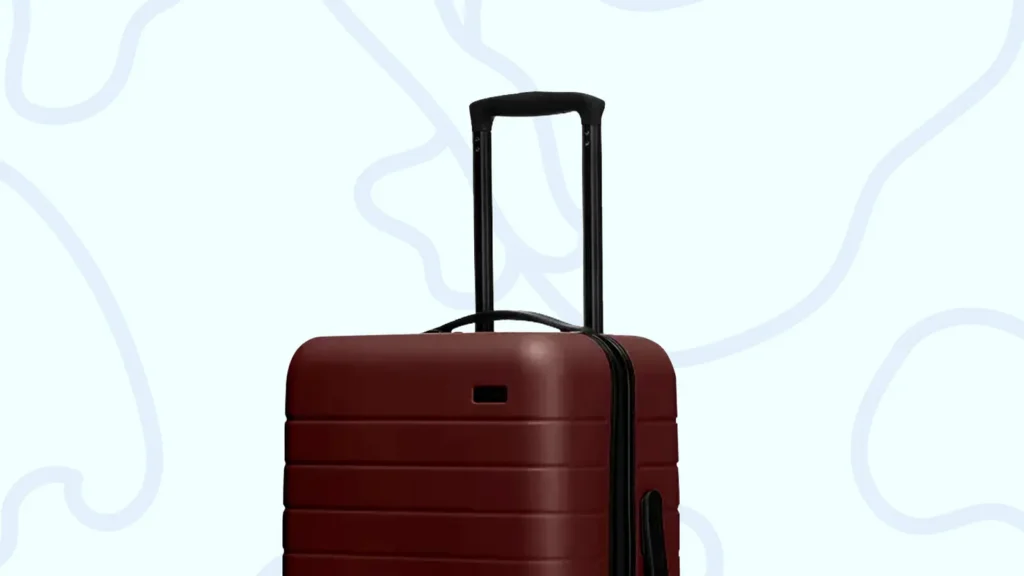
The 40-litre travel backpack is the correct format for carry-on travel — the size that fits in an airline overhead compartment (within the 55cm × 40cm × 23cm standard), the size that can be carried continuously for 12 hours without the lower-back fatigue of a larger bag, and the size that forces the packing discipline that eliminates the check-luggage fee and the arrival baggage carousel wait on every trip for the rest of your life.
The market for 40L carry-on backpacks has two ends: the hiking pack manufacturers who have added laptop sleeves (the Osprey), and the travel-specific designers who have added ventilated back panels (the Tortuga). Between them sits the third category: the bag that prioritises organisation over ergonomics (the Nomatic).
This guide tests all three against the use cases that travel creates — not the studio photography and the spec sheet, but the specific moment at 6am in the Nairobi taxi when you need the charger that’s in the bag.
The Three Contenders
Osprey Farpoint 40
Specification: 40L, 1.54kg, 56cm × 35cm × 23cm, £130-150
The Osprey Farpoint is the most widely owned 40L travel backpack in the world and has been for 15 years. The reasons: the LightWire frame that gives structure without significant weight, the suspended mesh back panel (the Osprey “AirSpeed” suspension system that creates a gap between the bag and the back, allowing air circulation — the single most important comfort feature in tropical climates), and the price point that undercuts the competition by £30-50.
The specific Osprey advantages:
The detachable daypack (the Farpoint 40 Travel Pack includes the Osprey Farpoint 10 daypack that zips onto the front of the main bag — the combined system gives 50L for checked travel and 10L for the day, detachable at the airport): the most functionally versatile system in the comparison.
The hip belt (the Farpoint 40 has a removable padded hip belt — at 15kg load, the hip belt transfers 60-70% of the weight to the hips, reducing the shoulder load significantly. At 8kg, the hip belt is optional and often removed for urban travel where it adds bulk).
The luggage-pass-through sleeve (the back panel unzips to reveal the luggage handle sleeve — the bag slides over the extending handle of a rolling suitcase for airport transit).
The specific Osprey disadvantages:
The top-loading format (the Farpoint 40 opens from the top rather than the full front panel — the item packed first is the last to be accessible. The cable in the bottom requires unpacking the top-layer items to access it at the hostel power point at midnight).
The water resistance (the Osprey Farpoint is not waterproof — the bottom fabric and the zippers allow water ingress in significant rain. The dry bag or pack cover required in the monsoon).
The verdict: Best for: multi-week trips with heavy loads, mixed hiking and urban travel, the traveller for whom comfort at full load is the primary criterion.
Tortuga Setout 40
Specification: 40L, 1.59kg, 55cm × 38cm × 23cm, £145-165
The Tortuga Setout is the bag designed specifically for travel rather than adapted from a hiking design. The specific Tortuga insight: the clamshell opening (the bag unzips fully around three sides, the front panel falling away to reveal the full packing volume as a single visible space — the suitcase format applied to a backpack).
The specific Tortuga advantages:
The clamshell opening: the item in the bottom of the bag is accessible without unpacking the top layer. The packing cube organisation (the full opening gives the same access as a suitcase, the packing cubes visible simultaneously): the most efficient access of the three options.
The harness: the Tortuga harness (the padded shoulder straps with the sternum strap, the load lifter straps at the top of the shoulder straps — the straps that pull the bag toward the body and off the lower back) is the most travel-specific of the three, designed for sustained carry in urban environments rather than technical hiking.
The organisation panel (the front pocket unzips to reveal a laptop sleeve and a series of organisation pockets — the specific compartmentalisation that separates the daily-access items from the packed clothes without full unpacking): the most organisationally considered bag in the comparison.
The specific Tortuga disadvantages:
The weight penalty: at 1.59kg, the Tortuga is the heaviest of the three. In a 40L bag designed for 8-12kg of contents, the bag’s own weight is 13-17% of the total. The Osprey at 1.54kg is 50g lighter — not significant in isolation, critical over 14 days.
The back ventilation: the Tortuga uses a padded back panel rather than the Osprey’s suspended mesh. In Bangkok in August, this matters — the full back contact creates heat and sweat that the Osprey’s airspace prevents.
The verdict: Best for: the urban traveller who values access and organisation over hiking ergonomics. The best bag for the person who packs consistently and unpacks at every accommodation rather than living out of the top pocket.
Nomatic Travel Pack 40L
Specification: 40L, 1.76kg, 55cm × 38cm × 25cm, £295-330
The Nomatic is the most expensive bag in this comparison and the most organisationally complex — the bag designed for the digital nomad and the business traveller who needs to carry the laptop, the camera gear, the daily work kit, and the travel clothes simultaneously.
The specific Nomatic advantages:
The internal organisation: the Nomatic has 21 pockets, compartments, and sleeves. The laptop sleeve (padded, accessible from the back panel without unpacking the main compartment), the camera organisation (the optional camera cube insert converts the main compartment to a camera bag), the document organisation (the front organiser panel with the card slots, the pen loops, the sunglasses pocket) — the most organised bag in the comparison.
The magnetic tuck-away straps: the shoulder straps fold away magnetically, converting the backpack to a briefcase-style carry for the office environment or the taxi. The specific nomad use case: arriving at the client office, the bag in briefcase mode; walking to the co-working space, the bag in backpack mode.
The weather resistance: the Nomatic uses ballistic nylon and waterproof zippers throughout — the most weather-resistant bag in the comparison without an additional cover.
The specific Nomatic disadvantages:
The weight: at 1.76kg, the Nomatic is the heaviest of the three. 220g heavier than the Osprey. Over a 21-day trip, carried 6 hours per day in transit, this 220g is real.
The price: at £295-330, the Nomatic costs twice the Osprey. The organisation advantages are genuine but the price-to-advantage ratio requires the user to genuinely value the organisational features to justify the premium.
The ergonomics: the Nomatic’s back system is less developed than the Osprey and the Tortuga for sustained carry — it is designed for the airport transit and the office-to-café commute rather than the 8-hour hiking transit.
The verdict: Best for: the digital nomad or business traveller who needs the organisation system and the briefcase-convert capability. The wrong bag for the backpacker who needs sustained carry comfort.
The Side-By-Side Comparison
| Feature | Osprey Farpoint 40 | Tortuga Setout 40 | Nomatic 40L |
|---|---|---|---|
| Weight | 1.54kg ✅ | 1.59kg | 1.76kg ❌ |
| Opening style | Top-loading | Clamshell ✅ | Clamshell ✅ |
| Back ventilation | Suspended mesh ✅ | Padded contact | Padded contact |
| Organisation | Basic | Good | Excellent ✅ |
| Weather resistance | Basic (cover needed) | Good | Excellent ✅ |
| Hip belt | Removable ✅ | Removable | None |
| Daypack detach | Yes (system) ✅ | No | No |
| Price | £130-150 ✅ | £145-165 | £295-330 ❌ |
| Best use case | Multi-week, mixed terrain | Urban, organised packing | Nomad, business travel |
The Alternatives Worth Considering
The Peak Design Travel Backpack 45L (£259): The most photographically aesthetically successful travel bag. The MagLatch top closure, the expansion system (the bag compresses to 35L or expands to 45L), and the Peak Design accessory system integration. Heavier than the Osprey (1.84kg) and more expensive than the Tortuga. The correct bag for the photographer who uses Peak Design accessories throughout their kit.
The Aer Travel Pack 3 (£240): The bag that the tech community has adopted as the Nomatic alternative. The laptop compartment accessible from the back panel, the organisation panel, the water-resistant exterior. Lighter than the Nomatic (1.50kg). At £240, positioned between the Tortuga and the Nomatic.
The decathlon ForClaz 40L (£49-79): The budget recommendation. The Decathlon own-brand travel pack at a price that makes the upgrade cycle affordable. The organisation is basic, the weight is adequate (1.2kg), the carry is functional without being excellent. The correct bag for the traveller who wants to test the 40L format before committing to a premium option.
The Final Recommendation
For the SE Asia backpacker (first trip, 3-6 weeks): The Osprey Farpoint 40. The suspended back panel in the heat, the price, and the daypack detach system give the best overall value for the multi-week traveller.
For the city-hopping minimalist (7-14 days, Europe or Americas): The Tortuga Setout 40. The clamshell access makes the urban hotel lifestyle significantly easier. The slightly higher weight is not a problem for the short-trip traveller.
For the digital nomad (1-3 month stays): The Nomatic 40L. The organisation system earns its price when the bag becomes the daily work kit rather than the travel container.
For the budget traveller testing the concept: The Decathlon ForClaz. Spend £49-79, use it for 6 months, then upgrade when you know which features matter to you.
What Packing Cubes to Use
The packing cube is the second most important piece of travel gear after the bag. The correct packing cube:
The Eagle Creek Pack-It Specter (the ultralight version — 30g per cube, significantly lighter than the nylon alternatives): £25-35 per set of 3. The cube compresses slightly, giving the packed contents the internal organisation that the loose packing cube doesn’t provide.
The Osprey UltraLight Packing Cube Set (designed for the Osprey bag dimensions but universal in use): £20-30 per set of 3.
The compression cube (the cube with the dual-zipper compression system — the contents packed and the second zipper tightened to compress the clothes by 25-30%): the correct cube for the traveller who is consistently at the edge of the weight limit.