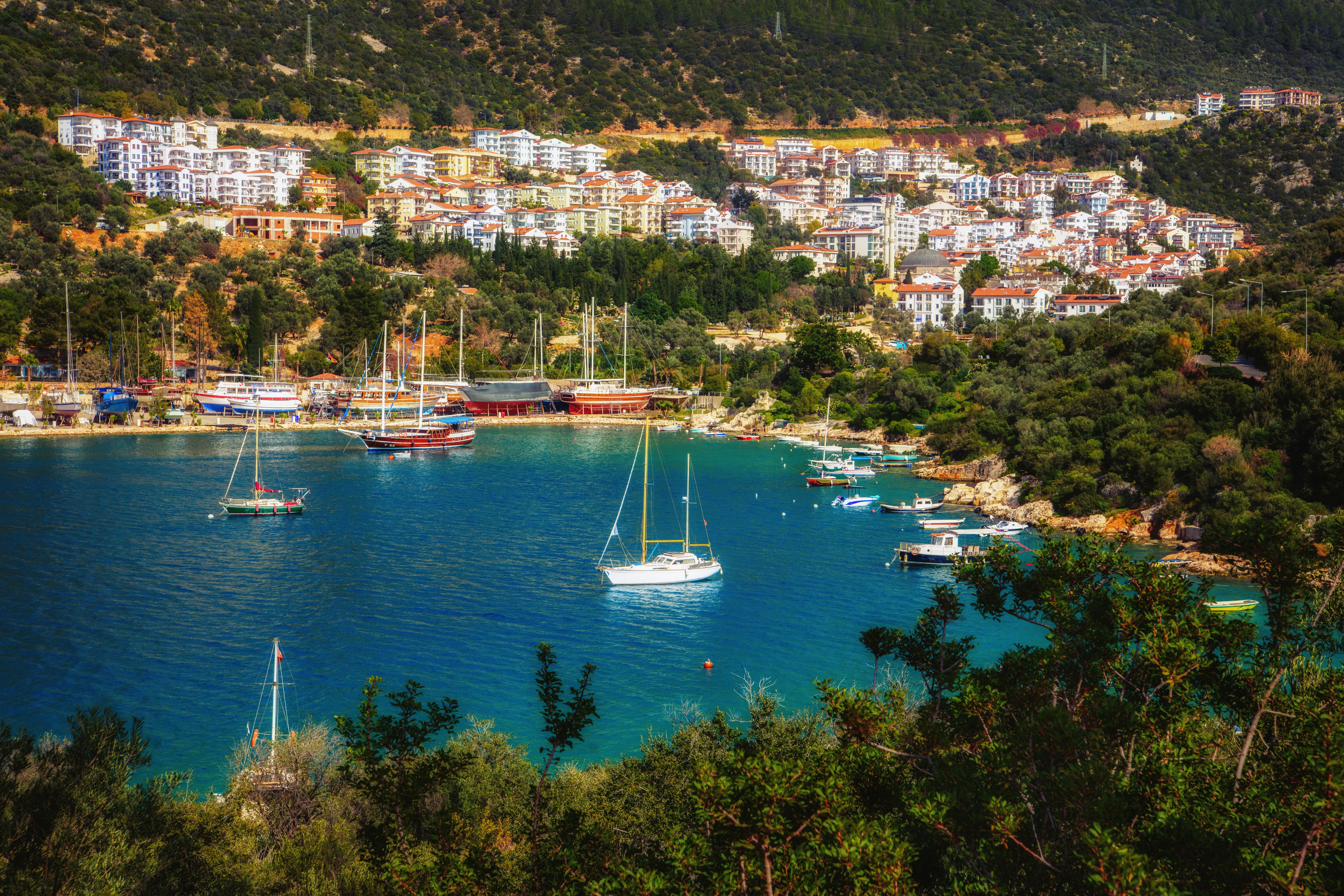

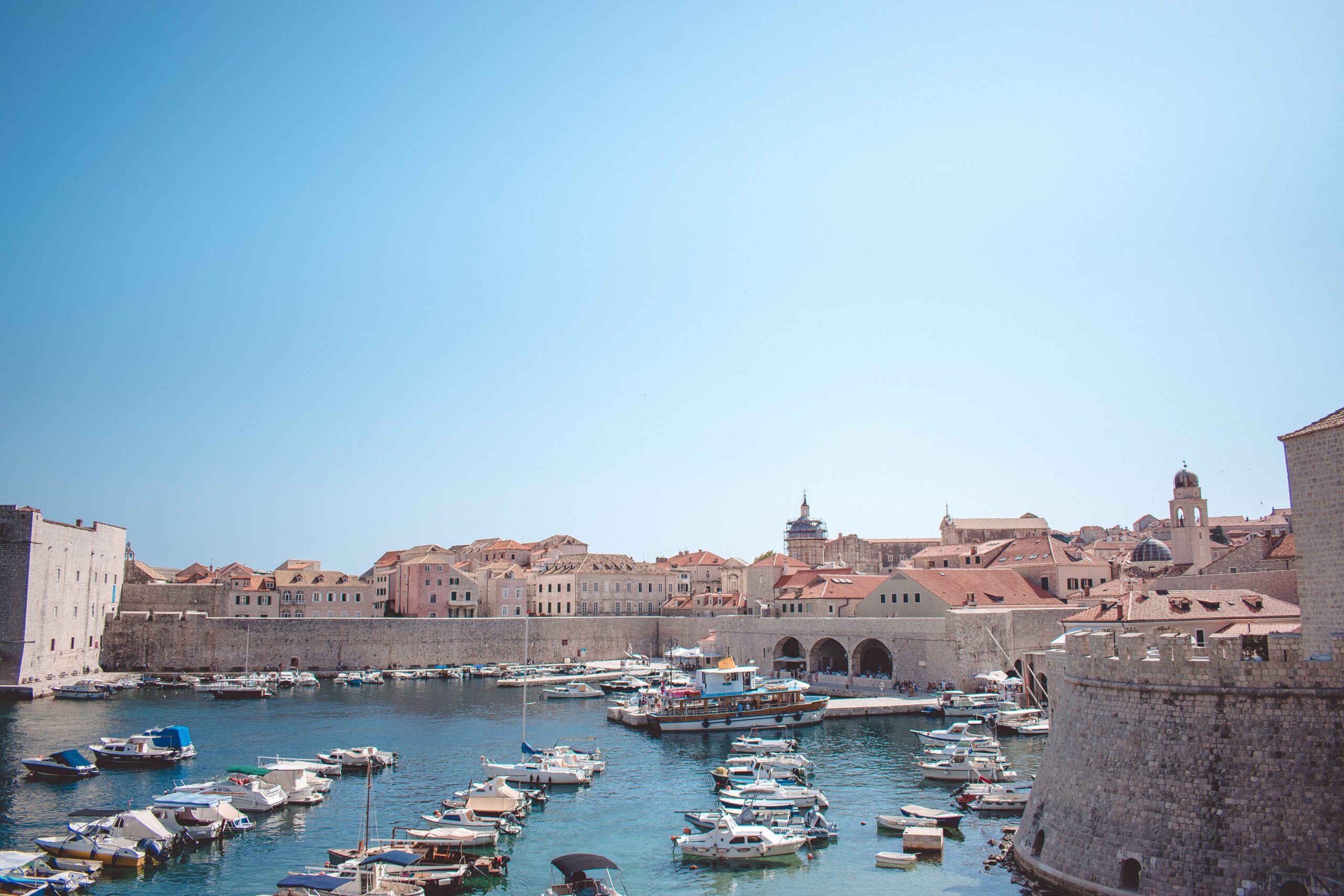
The City Walls at 8am when the 2km circuit around the medieval fortification is yours and the Adriatic is in the morning light below and you can stand at the southwest tower and look at the same view that has been the reason for this city’s existence since the 7th century without a single other person in the frame, the Lokrum Island ferry at noon when the island with the peacocks and the botanical garden and the FKK beach is 15 minutes from the Old City and receives 3% of the Old City’s visitors, and why Dubrovnik — the most overcrowded major site in Europe — can still be experienced in the 48-hour window if the hours are chosen correctly.
Reading time: 9 minutes | Last updated: 2026
Dubrovnik received 1.5 million visitors in 2019 to a city of 42,000 permanent residents — a ratio of 35 tourists for every resident, the highest in any European city and one of the highest in the world. The cruise ships (up to 8 per day at peak, 20,000 additional passengers) dock from 9am to 7pm. The Game of Thrones effect (the Old City used as King’s Landing across 6 seasons) added the specific tourism of the pilgrimage visitor.
The honest Dubrovnik assessment: the city is extraordinary. The walls are extraordinary. The Old City is extraordinary. And between 10am and 6pm in July and August, the Stradun (the main street of the Old City) is not an experience — it is an infrastructure problem.
The solution is the same as everywhere in this guide: the 6am alarm. The 8am walls. The non-Stradun streets. And the Lokrum Island departure that removes you from the Old City for the 4 hours of maximum density.
The 48 Hours
DAY ONE
7:45am — The City Walls
The Dubrovnik City Walls (the 2km perimeter circuit on top of the medieval defensive walls — the walls reaching 25 metres in height at the seaward sections, the four towers, the three forts visible from the circuit): the ticket office opens at 8am.
At 8am: the walls with 30-50 people for a 2km circuit — the density is manageable, the photography possible without strangers in every frame. At 10am: 400 people on the same 2km. At noon in July: the walls are a slow-moving single-file queue.
The circuit direction: counter-clockwise (west to east, starting from the Pile Gate entrance) gives the best light — the morning sun from the east illuminating the Old City rooftops and the Adriatic from the west-facing sections.
The specific wall moments:
The southwest tower (Tower Bokar): The view across the Pile Bay to the Lovrijenac Fortress (the standalone fort on the western rock — the fort that the Republic of Ragusa built outside the city walls deliberately, so that no single military commander could hold both the city and the fort simultaneously, the specific Ragusan paranoia about tyranny visible in the architecture).
The Minčeta Tower (the northern apex): The highest point of the walls, the inland view to Mount Srđ, the rooftops of the Old City visible below.
The Revelin Fort (the eastern section): The view across the old harbour to the Dominican Monastery.
Entry: €35 / £30.17 per adult. Book at tzdubrovnik.hr — the pre-booked ticket gives priority access at the gate, eliminating the arrival queue.
10:00am — The Old City Streets (Not the Stradun)
The Stradun (the main street — the marble-paved pedestrian artery that bisects the Old City, the duty-free gift shops, the cafes at tourist prices, the single most photographed street in Croatia): note the marble, note the scale, walk the length once, then leave it.
The correct Old City navigation: the streets on either side of the Stradun. The specific discovery circuit:
The Pustijerna neighbourhood (the southeastern quarter): The residential streets that have been largely unchanged since the medieval period — the clotheslines between the buildings, the cats on the walls, the Baroque houses of the former noble families now used as apartments.
The Rector’s Palace (Knežev dvor): The Gothic-Renaissance palace that was the seat of the Ragusan Republic’s government — the rector changed monthly, the same person serving only one term to prevent any individual accumulation of power (the same paranoia as the Lovrijenac Fort): entry €15 / £12.93.
The Franciscan Monastery and the Old Pharmacy: The 14th-century monastery with the third-oldest pharmacy in Europe still operating (the Mala Braća pharmacy, established 1317, the pharmaceutical equipment from the original dispensary visible in the museum): entry €7 / £6.03.
12:30pm — The Lokrum Island Ferry
The ferry from the Old Harbour to Lokrum Island (15 minutes, €15 / £12.93 return — the ferry concession is the only authorised service, departing every 30 minutes from 9am): the island that most Dubrovnik day-trippers don’t reach because reaching it requires turning away from the Old City when the impulse is to stay.
Lokrum: the 0.72 square kilometre island immediately offshore from the Old City, the botanical garden (the Benedictine monastery gardens, the 200-year-old cycad palms, the plants brought by the monks from around the Mediterranean), the peacocks (the population of free-roaming peacocks descended from a pair given to the Habsburg Archduke Maximilian in 1859), the salt lake (the Mrtvo More — the “Dead Sea”, the inland lake connected to the Adriatic by an underground channel, the swimming hole sheltered from the open sea), and the FKK (nudist) beach on the east side of the island.
The Lokrum afternoon: the swim in the salt lake (the water warmer than the sea, the rock platform around the lake for sunbathing), the peacock sighting (the birds walk the paths without particular concern for the visitors), and the Dominican monastery ruins (the ruins accessible from the botanical garden path, the Game of Thrones filming location visible in the chapter house that served as the map room in Season 2).
Return ferry at 4pm or 5pm.
6:00pm — Mount Srđ Cable Car
The Dubrovnik Cable Car (the gondola from the Petra Krešimira IV street above the Old City to the summit of Mount Srđ at 405 metres): the late afternoon departure for the sunset view — the Old City visible from above, the Elaphiti Islands visible to the northwest, the mountains of Bosnia and Herzegovina visible to the northeast.
Return cable car: €30 / £25.87 per adult. Book at dubrovnikcablecar.com.
The summit at 6pm in September: the light from the west illuminating the Old City red rooftops below, the Adriatic silver beyond. The photograph that is available from this position and no other in Dubrovnik.
8:00pm — Dinner: Not the Stradun
The Stradun restaurants (the restaurants on the main street — the tourist prices, the average quality, the atmospheric seating compensating insufficiently for the cost-to-quality ratio): avoid.
The correct Dubrovnik dinner:
Nishta (Prijeko ulica 30 — the vegetarian and vegan restaurant that is consistently the best-reviewed restaurant in the Old City for quality-to-price): The seasonal Mediterranean vegetarian menu using Dalmatian produce: €25-40 / £21.55-34.48 per person.
Lady Pi-Pi (Antuninska ulica 21 — the terrace restaurant on the upper level of the Old City, the view over the rooftops rather than at the Stradun level): The Dalmatian fish, the local wine: €35-55 / £30.17-47.41 per person.
Restaurant 360 (Sv. Dominika ulica 3 — the restaurant on the city walls above the old harbour, the Michelin-starred fine dining): The tasting menu from €110 / £94.83 per person. Book at 360dubrovnik.com.
DAY TWO
7:30am — The Fish Market and the Morning
The Dubrovnik Fish Market (Gundulićeva Poljana — the market square behind the Rector’s Palace, the morning fish market operating from 7am to noon): the Adriatic catch of the morning — the dentex, the sea bass, the John Dory, the octopus, the local fishermen selling directly rather than through the wholesale market.
The market café (the café at the square’s edge, the coffee and the kroštule — the Dalmatian fried pastry, the carnival sweet available outside the carnival season at the tourist sites): €2-3 / £1.72-2.59 per piece.
9:30am — The Elaphiti Islands
The Elaphiti Islands day trip (the archipelago north of Dubrovnik — the three inhabited islands of Koločep, Lopud, and Šipan, the day-trip boat departing from the Gruž harbour, the circuit of all three islands in a full day): the most frequently skipped activity in Dubrovnik and the one that most visitors who do it cite as the trip’s highlight.
The Lopud Island (the largest of the three inhabited islands — the car-free island, the Sunj Beach on the south coast accessible by a 20-minute walk through the olive groves, the beach considered one of the finest in the Adriatic): the specific Elaphiti quality — the beach without the Dubrovnik visitor density, the Adriatic clear water in a sheltered bay.
Day trip boat from the Gruž harbour: €35-55 / £30.17-47.41 per person depending on the operator and the circuit.
1:30pm — The Pelješac Peninsula (Day Extension)
For visitors with a hire car: the Pelješac Peninsula (the finger of land extending northwest from Dubrovnik, the 45-minute drive to Ston and the Pelješac wine country):
Ston (the fortified town — the 5.5km of defensive walls that ring both the town of Mali Ston and the town of Ston, the second-longest city walls in the world after the Great Wall of China): the oyster and mussel beds of Mali Ston Bay (the most celebrated shellfish in Croatia — the Mali Ston oyster, eaten at the quayside restaurants with the local white wine): €15-25 / £12.93-21.55 per person for the oyster platter.
The Pelješac wine country (the Dingač and the Postup wine zones — the Plavac Mali grape, the specific red wine variety of the Dalmatian coast, the most interesting red wine in Croatia): the Grgić Vina winery (the winery of the Croatian-American winemaker Mike Grgich — the man who made the 1973 Chateau Montelena Chardonnay that won the 1976 Paris Judgement blind tasting and that changed the international wine world), the tasting at the family estate.
5:00pm — The Walls at Sunset (Second Visit)
The walls again — different light from the morning. The sunset on the western section, the Lovrijenac Fort lit from the west, the Adriatic turning. The €35 entry ticket is valid for the same day — the second circuit is free.
7:30pm — Final Dinner: the Konoba
The konoba (the traditional Dalmatian restaurant — the family-run neighbourhood restaurant, the whole fish grilled over the fig-wood fire, the peka — the bell-shaped clay lid under the embers, the octopus peka the most specifically Dalmatian preparation): the Konoba Dubravka (Brsalje 1 — opposite the Pile Gate, the most consistently cited konoba in Dubrovnik by residents): €30-50 / £25.87-43.10 per person.
The Essentials
Getting to Dubrovnik: British Airways, easyJet, Ryanair, Croatia Airlines direct from UK airports. 2.75 hours. Return: £60-200 (the price premium in July-August significant — the off-peak booking from April to June or September to October cuts the return fare by 30-50%).
The cruise ship timing: Cruise ships dock from approximately 8am and depart by 7pm. The 8am-10am window and the 6pm-9pm window give the Old City with significantly reduced crowd density. Plan accordingly.
The summer heat strategy: Dubrovnik in July-August reaches 33-35°C. The marble streets of the Old City concentrate the heat. The morning circuit (7am-11am) and the evening activity (after 6pm) are the correct summer Dubrovnik hours. The midday (11am-5pm): Lokrum Island, the konoba for lunch, or the hotel.
Where to stay: The Excelsior Hotel & Spa (Fra Roka Gučetića — the cliff-top hotel with the Old City view: £150-400/night), the Villa Agave (the Old City guesthouse: £80-160/night), the Old Town Hostel (Od Tabakarije — in the Old City walls, private rooms from £45-80/night).
The Closing Moment
I was on the walls at 8:14am. The southwest tower. The Lovrijenac Fort visible to the west, the Adriatic flat to the south, the Old City rooftops below and behind me.
Two people were on the wall within sight. A photographer with a tripod and a woman who appeared to be a local using the walls as a morning walk — the walls are free for Dubrovnik residents.
The city below was beginning — the bakery visible from the wall was open, a delivery was happening at a restaurant door, a cat was on a roof below the wall level.
By 10am there would be 400 people on this 2km circuit. By noon in August: the queue moves at 20 metres per minute.
The Republic of Ragusa maintained its independence for 450 years between the competing powers of Venice and the Ottoman Empire. The walls are the specific physical expression of that independence — the city that survived by being sufficiently fortified that attacking it cost more than the alternatives.
The walls at 8:14am showed what they were built to show: the city capable of surviving, the sea on three sides, the confidence of the specifically placed defensive tower.
I was the only person at that tower.