


The Bali that works for families is not the Seminyak Bali or the Canggu Bali — it is the Ubud Bali (the rice terraces and the cooking class and the monkey forest that a 7-year-old finds genuinely extraordinary) and the Nusa Lembongan Bali (the small island 30 minutes from Sanur where the water is flat and the snorkelling is at depth that doesn’t require a wetsuit and the accommodation is a fraction of the Bali mainland price). The specific family Bali instruction: avoid August unless you have no choice, arrive in Ubud before arriving at the beach, and never underestimate what a 9-year-old will do in the presence of a rice paddy at dawn.
Reading time: 10 minutes | Last updated: 2026
Bali receives 6 million visitors per year on an island of 4,200 square kilometres with a permanent population of 4.3 million. The tourist density is concentrated in the south (Seminyak, Canggu, Kuta, Legian — the beach and nightlife districts) and in the central highland (Ubud — the cultural and wellness district). Both have family-specific advantages. Neither is universally family-friendly.
The Bali that works for families with children of 4-15 is the Bali organised around the morning, the water, and the wildlife — the Ubud rice terrace before 8am, the Bali Zoo for the under-8s, the Nusa Lembongan snorkelling for the 9+, and the Tirta Empul temple when timed correctly. This guide gives that Bali.
When to Go
April-June: The shoulder season on the Bali tourist calendar — the wet season transitioning to dry, the rice paddies green from the rainy season, the crowds 40-60% of the August peak. The beach quality on the south coast is good from May. The correct family Bali window outside school holiday constraints.
July-August: The UK summer holiday peak, the most expensive accommodation and flights, the most crowded beaches and roads. Bali in August is 30-40% more expensive than April. Manageable with preparation — book 4-6 months ahead.
September-October: The post-peak shoulder, the prices dropping rapidly after September 1st, the sea still warm (28-29°C), the rice paddies at various harvest stages. The October half-term in Bali: excellent.
December-January: The wet season in Bali — the afternoon downpours daily, the rice terraces at their most green, the tourist industry quieter (except over Christmas and New Year when it peaks again). Not the optimal beach season but excellent for Ubud.
The Family Circuit
Ubud with Kids (All Ages — Best for 5-12)
The Monkey Forest: The full guide in Bali (Ubud) in 48 Hours. The Monkey Forest at 10am opening for the family — the first hour gives the temple compound before the afternoon crowd.
The specific family instruction: Children under 8 must be physically managed at the Monkey Forest — the macaques will attempt to take food, bags, and hats, and the fast movements required to deter them can be startling. The parent who keeps the child close and the bag secured will have no issues. The parent who arrives with open-bag snacks and a nervous child will have the specific experience that most reviews mention.
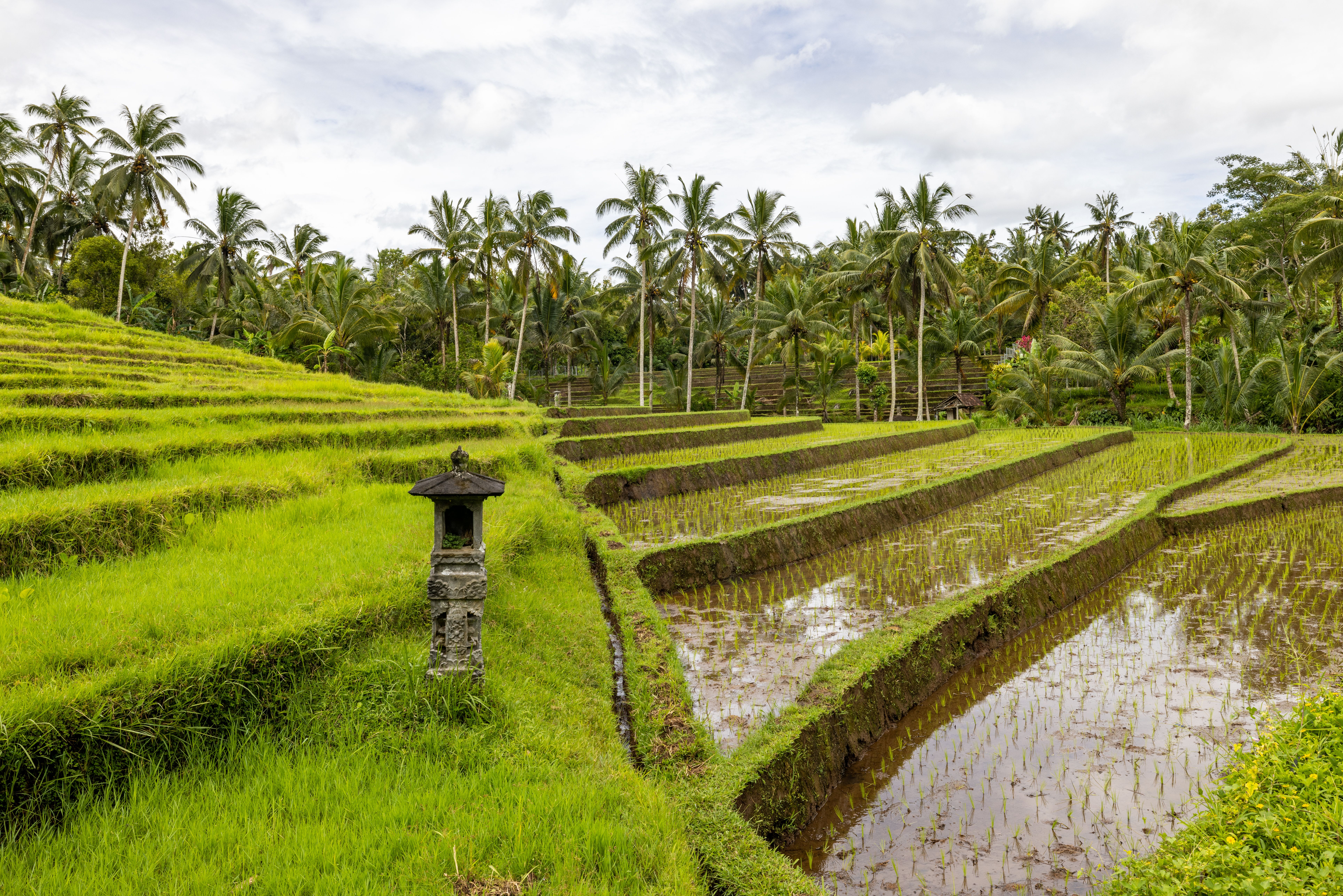
The Tegallalang Rice Terraces: For families with children of 6+, the walk along the irrigation channel paths (the subak paths between the paddy fields, accessible for free from the road) is the correct Tegallalang activity. The photography platforms and the infinity pools are the adult activity.
The Bali Zoo: (Jl Raya Singapadu, Gianyar — 30 minutes from Ubud): the Bali Zoo (the 12-hectare zoo, the orangutan breakfast, the Komodo dragon feeding, the elephant bath programme): the specific activity for families with children of 3-10. Entry IDR 500,000-700,000 / £24.39-34.15 per adult, IDR 350,000-500,000 / £17.07-24.39 per child under 12.
The Bali Zoo ethical note: the elephant interaction programme has evolved — the current Bali Zoo programme does not offer elephant riding but does offer the bathing programme (washing the elephant under the supervision of the mahout). The ethical assessment of this is ongoing — check the current programme at bali-zoo.com before booking.
The Cooking Class for Families:
The family cooking class in Ubud: the Casa Luna or the Paon Bali cooking schools offer family-specific classes where the children are given age-appropriate tasks. The market visit (the identification of the Balinese ingredients — the salam leaf, the galangal, the kaffir lime) is the educational component; the cooking (the bumbu paste preparation, the satay assembly) is the hands-on component; the eating (the family lunch from what was cooked) is the correct conclusion.
Family class, 2 adults + 2 children: IDR 800,000-1,200,000 / £39.02-58.54. 4 hours including the market visit and the lunch.
The Beach: Nusa Lembongan (All Ages — Best for 4-14)
Why Nusa Lembongan over the Bali south coast:
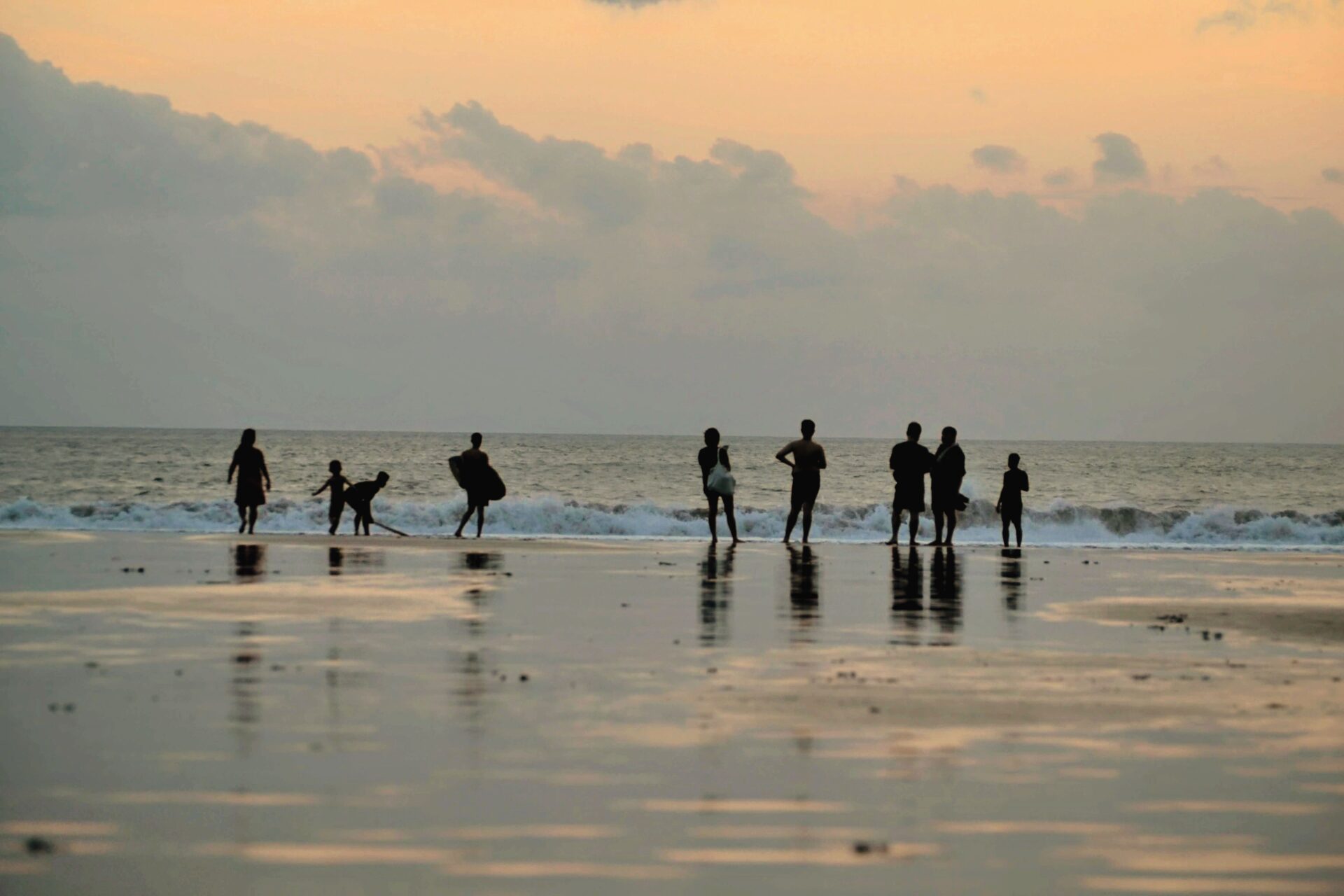
The south Bali beaches (Kuta, Legian, Seminyak) have a specific challenge for families: the surf. The Indian Ocean swell that breaks on the south Bali coast produces waves that are excellent for adult surfers and hazardous for young children. The rip currents in the Kuta and Legian area are genuinely dangerous — the beach drowning statistics in Bali are concentrated here.
Nusa Lembongan (the small island 11km southeast of Sanur, 30 minutes by fast boat — IDR 100,000-150,000 / £4.88-7.32 per person each way) has:
The calm west coast (the lagoon protected by the reef — the water at waist depth for a 6-year-old at 30 metres from the shore, the snorkelling over the coral garden visible from the surface, the specific family swimming conditions absent from the south Bali coast).
The Mushroom Bay (the most sheltered bay on the island, the curve of beach with the coconut palms, the snorkel gear available from the beach shacks): the family beach afternoon in Bali.
The Manta Ray snorkelling (Nusa Penida, the island south of Lembongan — the manta ray cleaning station accessible by boat tour, the mantas at 3-10 metres depth from the surface, the snorkelling with the juvenile manta rays the specific experience of the southern Bali island chain): IDR 350,000-500,000 / £17.07-24.39 per person for the boat tour. Age minimum: 8 for the snorkelling (the depth and the current require confident swimming), younger children can watch from the boat.
The Temple Visit: Timing and Dress
The correct family temple in Bali:
The Pura Luhur Batukau (the second-holiest temple in Bali, on the slopes of the Batukau volcano — the active religious site, the priest who performs the blessings for visitors, the forest surrounding the temple maintained as sacred): less visited than the Tanah Lot (the sea temple that the photography has made the most famous) but more atmospherically sacred.
The Tanah Lot (the sea temple on the rock at the western coast, the photograph that is the Bali postcard): the specific instruction — the temple is only accessible at low tide, the Balinese priests performing blessings on the rock. The Tanah Lot at sunset (the most photographed Bali sunset point) is extremely crowded in July-August — the 4:30pm arrival in the off-peak months is manageable.
The temple dress code:
The sarong and the sash (provided free at every major temple in Bali — the sarong wrap demonstrates the minimum respect required, the bare legs and the shorts are not acceptable in the inner temple) are the minimum requirement. The under-8s are typically exempt from the strict dress code in practice, but providing the sarong for the child is the respectful choice.
The Age-by-Age Bali Guide
Ages 3-6
What works: The swimming pool at the villa (the Bali villa culture — the private villa with pool is the correct family accommodation format for the 3-6 age group, the pool providing the afternoon activity that the beach cannot in the surf zones). The Monkey Forest (with close parental management). The rice terrace walk from the road (the view and the walk without the photography platform pressure).
What doesn’t: The temple circuit full day (the heat, the dress code, the shoe removal at every entrance). The cooking class (the mortar and pestle work requires fine motor skills beyond the 5-year-old range). The Nusa Penida manta ray snorkel.
The nasi goreng instruction: Nasi goreng (the Indonesian fried rice) is available on every menu in Bali at every price point. It is the correct meal order for the under-6 fussy eater — the egg on top is familiar, the rice is accessible, the mild version is available on request.
Ages 7-12
What works: Everything in the 3-6 list plus: the Monkey Forest (capable of managing the macaques independently), the cooking class (the full participation), the Nusa Lembongan snorkelling, the Manta Ray snorkel (from 8+), the Bali Zoo.
The rice terrace at dawn: The Tegallalang Rice Terraces at 7am for the family with children of 7+ is the specific Bali family morning that requires no explanation to the child. The terraces in the first light, the irrigation water running, the farmer visible in the paddy — the image that stays.
Ages 12-16
The surf lesson: The Bali surf lesson for the teenager at the appropriate beach (the Seminyak or Canggu beach for the lesson, the Kuta beach avoided for the rip current risk): the surf school (the Rip Curl School of Surf or the Odysseys Surf School): IDR 350,000-500,000 / £17.07-24.39 per 2-hour group lesson, the foam board, the instruction, the specific teenager-at-the-beach activity that doesn’t require parental management.
The full Ubud day: The teenager who is given a motorbike (from 14+ with parental permission, the 100cc automatic at IDR 80,000 / £3.90 per day) and a route (the Tegallalang to the Campuhan Ridge to the Neka Art Museum) has a Bali day that belongs to them.
The Practical Bits
The Bali belly: The most common health issue for visitors to Bali — the gastrointestinal infection from the food or water. Children are more susceptible than adults. The specific instruction: bottled water only (including for brushing teeth), no ice in drinks (unless confirmed as bottled water ice from the restaurant), no raw salads from street stalls, and the oral rehydration sachets (the Dioralyte equivalents available at every Bali pharmacy) at the first sign of dehydration.
The mosquito situation: Bali is a dengue fever risk area — the Aedes aegypti mosquito biting during daylight hours. The DEET repellent (50% concentration for adults, 30% for children over 2 — apply morning and afternoon) and the clothing coverage for the evening are the family health basics.
The transport: The Grab app (the regional ride-hailing) works throughout Bali. For families with 3+ children, the private driver hire (IDR 500,000-800,000 / £24.39-39.02 per day for the car with driver) is more comfortable than the Grab for the full-day circuits. The blue Grab motorcycle taxi is not suitable for children.
What It Costs — Family of Four (2 Adults, 2 Children)
| Category | Budget | Mid-Range |
|---|---|---|
| Return flights (UK-Bali, Denpasar) | £2,400-3,600 | £3,200-4,800 |
| 10 nights accommodation | £700-1,200 | £1,200-2,400 |
| Food (10 days) | £300-500 | £500-900 |
| Activities (Zoo, Monkey Forest, boat trips) | £250-400 | £350-550 |
| Transport (driver hire + Grab) | £150-250 | £200-350 |
| Total (10 nights) | £3,800-5,950 | £5,450-9,000 |
The flight cost dominates the Bali family budget — the long-haul pricing for four seats makes Bali significantly more expensive per person than the European alternatives. The on-the-ground costs (food, accommodation outside the peak resorts, activities) are low.