

The honest answer: the correct safari age for children is 8+, and the specific reason is not the wildlife (the elephant at 10 metres is comprehensible to a 4-year-old) but the 5:30am wake-up and the 3-hour game drive and the instruction to stay in the vehicle and be quiet for the section where the lion is 30 metres away and the 6-year-old wants to stand up. The 8-year-old who has been told what a lion’s territorial range is and who has asked the guide what happens if the lion charges will stay quiet and seated. The 6-year-old will not reliably do so. This guide covers the family safari at the age when it works and the specific camps and circuits that maximise the experience for the child who is old enough.
Reading time: 9 minutes | Last updated: 2026
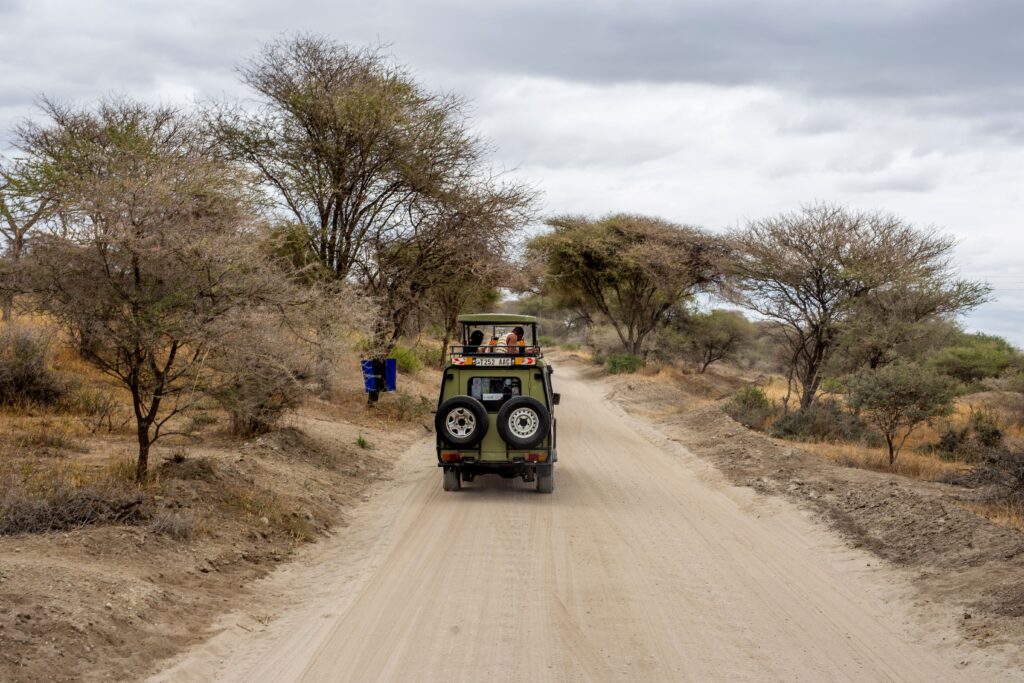
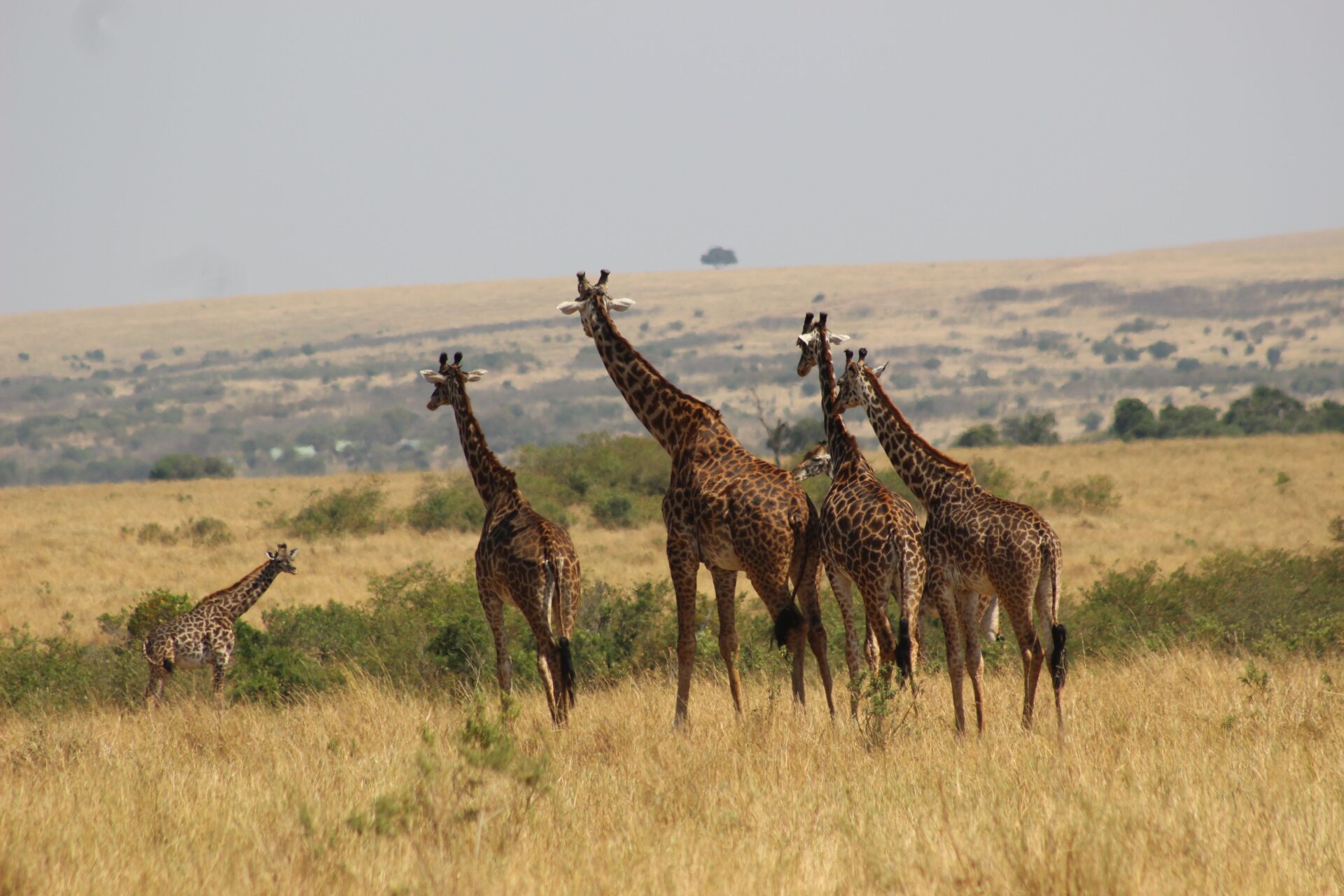
The family safari is the most ambitious and most rewarding family trip available from the UK — the long-haul flight, the expense, and the dawn wake-up call are all real and all worth it when the guide stops the vehicle in the Masai Mara at 6:15am and says “lion” and there is a lion 30 metres away in the early light and the child who is old enough to understand what they are seeing goes completely silent.
This guide gives the specific ages, the specific camps, and the specific circuits that give the family safari at its most successful.
The Age Question
Ages 3-5: The wildlife is exciting. The early morning is not. The long game drive is impossible. The instruction to be quiet for 20 minutes near the predator is unreliable. The family safari with children under 6 is not the correct family safari — it is a trip to Africa where the parents see the wildlife while managing the toddler. This is a legitimate life choice. It is not the BGGD recommendation.
Ages 6-7: The transition zone. The 6-year-old who is resilient to the early morning and the vehicle time can do the safari. The 7-year-old who has been prepared (the books, the David Attenborough, the specific conversation about what the safari will demand) is often ready. The assessment is individual rather than categorical at this age.
Ages 8-12: The correct safari age. The child who is 8 has the attention span for the game drive, the emotional capacity for the wildlife encounter, and the physical resilience for the 5:30am alarm without the day being lost. The child who is 12 is approaching the full adult safari experience. This is the window.
Ages 12+: The full safari experience. The teenager who goes to East Africa comes back changed in the specific way that the African landscape changes people — the scale of the sky, the size of the animals, the specific confrontation with a world that is not organised around human comfort.
The Family Safari Camps
Kenya — The Masai Mara
The family-friendly camps:
Elephant Pepper Camp (Mara North Conservancy): The specific family advantage — the camp’s location in the private conservancy gives the off-road game drives that the national reserve does not permit, the lower vehicle density, and the walking safari for children of 12+ with the ranger. The family tent (two interconnected tents, the private deck, the family configuration): USD 500-800 / £393.70-629.92 per person per night, all-inclusive. The camp’s child policy: children 5+ welcome.
Kichwa Tembo (Masai Mara National Reserve, north): The Fairmont camp in the reserve, the most established family infrastructure in the Mara — the children’s programme (the Junior Rangers programme, the tracking and the bush knowledge given in an age-appropriate format), the family tents: USD 350-600 / £275.59-472.44 per person per night. Children 5+ welcome.
The Kenya family circuit:
Nairobi (1 night — the Giraffe Centre and the Sheldrick Trust, the conservation day before the safari begins, full guide in Nairobi in 48 Hours) → Masai Mara (4 nights) → fly home from Nairobi.
Tanzania — The Ngorongoro for Families
Why Ngorongoro is the correct Tanzania family safari:
The Ngorongoro Crater (the 264 square kilometre crater floor with 25,000 animals) gives the highest wildlife density in Tanzania in the smallest geographic area. For families with children who need the wildlife encounter to be reliable and frequent (rather than requiring the patient game drive of the open Serengeti), the crater floor delivers — the lion and the elephant and the hippo visible within the first 30 minutes of the crater descent at every season.
The crater rim accommodation (the crater rim lodge — the specific lodge on the crater edge, the mist in the crater below visible at dawn from the lodge deck) is the correct family Ngorongoro base.
Ngorongoro Crater Lodge (the AndBeyond camp on the rim): The most cited luxury family camp at the crater — the individual stilted suites on the rim, the butler service, the children’s activities programme: USD 800-1,400 / £629.92-1,102.36 per person per night. Children 5+ welcome.
Rhino Lodge (the budget option on the rim): The basic accommodation, the correct choice for the family who wants the crater experience at the minimum cost: USD 150-250 / £118.11-196.85 per person per night.
The Specific Family Safari Circuit (10 Days)
Kenya Option
| Day | Activity |
|---|---|
| Day 1 | Fly London-Nairobi (direct BA or KQ, 8.5 hours). Arrive, hotel. |
| Day 2 | Nairobi: Giraffe Centre (11am feeding), Sheldrick Trust (11am — book ahead), Carnivore dinner. |
| Day 3 | Fly Nairobi-Mara (Wilson Airport to Mara airstrip, 45 minutes). Afternoon game drive. |
| Days 4-6 | Full safari days: dawn game drive (5:30am-10am), rest, afternoon game drive (3:30-6:30pm). |
| Day 7 | Morning game drive. Fly Mara-Nairobi. Stay near airport. |
| Day 8 | Fly home. |
Tanzania Option
| Day | Activity |
|---|---|
| Day 1-2 | Fly London-Kilimanjaro (or Dar es Salaam with connection). |
| Day 3 | Drive Kilimanjaro-Arusha-Ngorongoro rim (3.5 hours). Afternoon on the rim. |
| Day 4 | Crater descent at dawn. Full day in the crater. Return to rim lodge. |
| Days 5-6 | Bush plane to Serengeti. Two full safari days. |
| Day 7 | Morning game drive. Fly Serengeti-Kilimanjaro. |
| Day 8 | Fly home. |
The Specific Child Preparations
The wildlife brief (1 week before):
The child who arrives at the Masai Mara knowing: the wildebeest migration timing, the lion’s territorial range (approximately 100km²), the difference between a cheetah and a leopard, and what happens when the guide says “engine off, nobody speak” — this child has the safari at full quality.
The preparation resources: the David Attenborough Africa series (the BBC documentary series, the Masai Mara and the Serengeti episodes specifically), the Usborne Big Book of Nature Encyclopaedia, and the specific conversation with the child about what the game drive demands (the early morning, the staying in the vehicle, the quiet).
The snacks:
The game drive at 5:30am with no breakfast is the correct game drive (the game drive returns to camp at 10am for the full breakfast). The 8-year-old who has not eaten since 6pm the previous evening is the game drive problem. The car snack (the energy bar, the banana, the water) in the parent’s bag is the game drive solution.
The medical:
The malaria prophylaxis for children (the Malarone for children is weight-dosed — the travel clinic provides the correct dosing for the child’s weight). The children’s DEET (the 30% DEET concentration for children, applied morning and evening). The oral rehydration sachets (the Dioralyte, the heat dehydration management for the child in the game drive vehicle in the Mara July heat).
What It Costs — Family of Four (2 Adults, 2 Children 9 and 11)
| Category | Budget | Mid-Range |
|---|---|---|
| Return flights (UK-Nairobi, 4 persons) | £2,400-3,600 | £3,200-4,800 |
| Internal flights (Nairobi-Mara-Nairobi) | £800-1,200 | £1,000-1,600 |
| Safari camp (5 nights, all-inclusive, 4 persons) | £2,400-4,000 | £4,000-8,000 |
| Nairobi accommodation + activities | £300-500 | £500-800 |
| Park fees | £800-1,000 | £800-1,000 |
| Total (family of 4) | £6,700-10,300 | £9,500-16,200 |
The family safari is the most expensive entry on the family travel pages of this guide. It is the one most consistently cited by parents as the single family trip they are most glad they did.