
Not the most expensive. Not the most photographed. The ranking by what the train journey gives that the flight and the road and the ship cannot: the specific speed of the landscape passing at train velocity (the detail visible, the horizon moving slowly enough to read), the specific social architecture of the dining car at dinner, and the specific pleasure of waking in a different country from the one you fell asleep in. The Trans-Siberian for the scale of what land can be. The Rovos Rail for the Africa that the game drive doesn’t give. The Eastern & Oriental Express for the Malayan jungle. And the Palace on Wheels for the Rajasthan that the car circuit shows and the train circuit inhabits.
Reading time: 9 minutes | Last updated: 2026
The luxury train is not a substitute for faster travel. It is the argument that the journey is the destination — the statement that the 6,000 kilometres between Moscow and Vladivostok are not an obstacle between two points but the specific subject of the trip, the Siberian forest and the Lake Baikal and the Mongolian steppe visible through the window and comprehensible as geography rather than as the map overview from the plane window.
The trains below are ranked by how definitively they make this argument.
The Journeys
1. The Trans-Siberian Railway (Moscow to Vladivostok or Ulaanbaatar)
What it is: The 9,289km from Moscow Yaroslavsky to Vladivostok on the Russian Pacific coast — the longest continuous railway journey in the world, 7 nights and 6 days on the train. The Trans-Mongolian variant (the branch through Mongolia to Beijing — 7,826km, the specific addition of the Mongolian steppe and the Gobi Desert) and the Trans-Manchurian variant (the branch through northeastern China) give the route variants.
What the journey gives: The Siberian scale. The taiga (the boreal forest that covers 5,800km of the route — the birch and the larch and the pine visible from the window in continuous variation for four days), the Lake Baikal (the world’s deepest freshwater lake, the 636km track running along the lake’s southern shore, the lake visible for 4 hours of continuous viewing from the train window), and the gradual time zone accumulation (Moscow to Vladivostok covers 8 time zones — the specific disorientation of the train clocks staying on Moscow time throughout the journey while the landscape outside changes completely).
The luxury version: The Golden Eagle Trans-Siberian Express (the private charter train operated by Golden Eagle Luxury Trains — the en suite cabins, the observation car, the dining car serving Russian cuisine with the caviar service, the excursions at the major stops: from £11,995 / £11,995 per person for 15 days). Book at goldeneagleluxurytrains.com.
The independent version: The standard Russian Railways train (the 002А Rossiya, the regular service from Moscow to Vladivostok — the 2-berth first class cabin (SV), the restaurant car, the stop announcements in Russian): from £300-600 / £300-600 for the full journey in SV class.
Who it’s for: The traveller for whom the scale of Russia and the concept of Siberia are themselves the destination. This is not the train for the traveller who wants to visit the cities on the route — the Trans-Siberian is the train for the traveller who wants to experience the space between the cities.
2. Rovos Rail (Cape Town to Dar es Salaam or Pretoria to Victoria Falls)
What it is: The South African luxury train that operates the Cape Town to Dar es Salaam route (15 nights, 4,900km through South Africa, Botswana, Zimbabwe, Zambia, and Tanzania) and the more accessible Pretoria to Victoria Falls (2 nights, the Zimbabwe route) on restored 1930s Edwardian carriages.
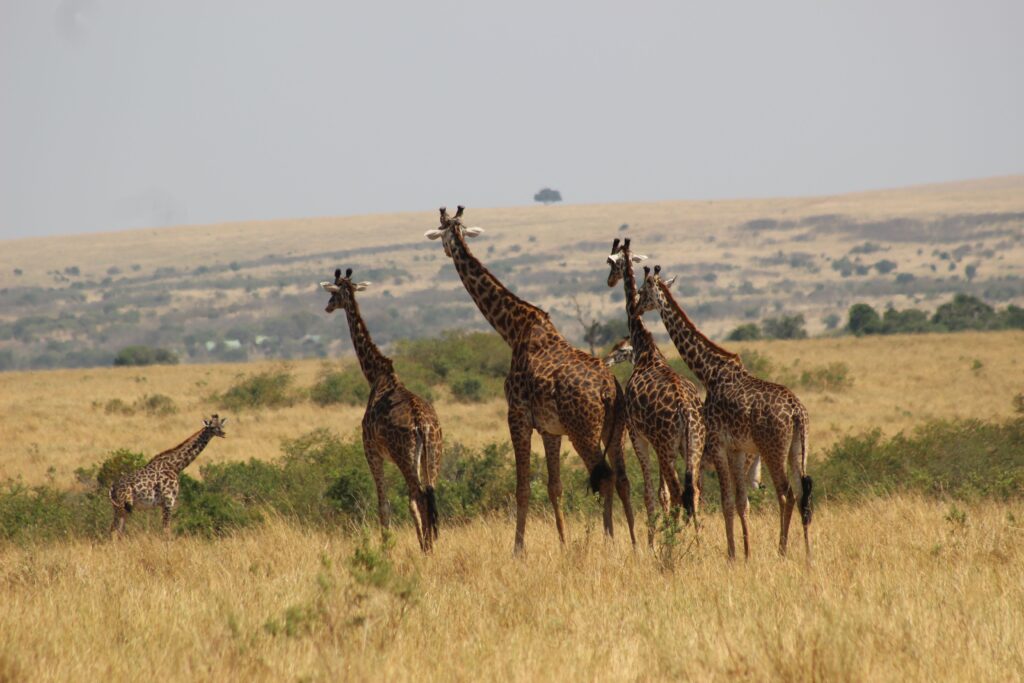
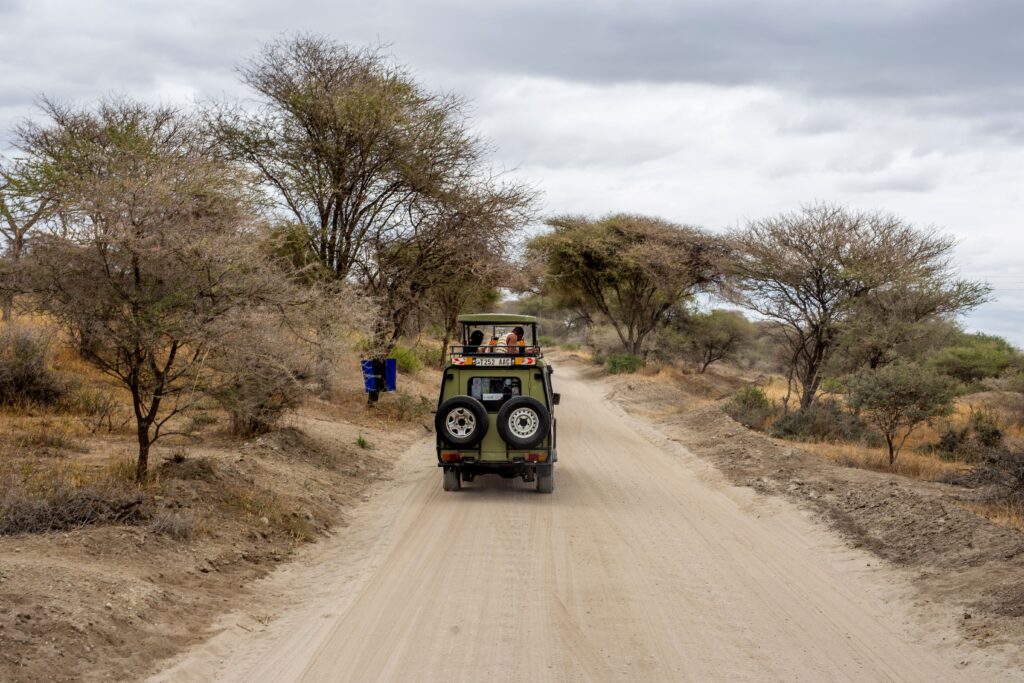
What the journey gives: The African landscape from a moving train — the Karoo (the semi-desert plateau of the South African interior, visible from the window as a landscape of rock and sky and dust that the car journey crosses too fast), the Limpopo River (the border between South Africa and Zimbabwe, the baobab trees visible on the banks), and the Zimbabwean landscape (the acacia savanna, the granite kopjes, the specific southern African bush visible from the carriage window as the equivalent of the slow game drive).
The specific Rovos Rail quality: The dining car (the silver service dinner, the South African wines from the Stellenbosch and Franschhoek estates, the specific 1930s train dining car aesthetic — the white tablecloth, the brass fittings, the mahogany panelling), and the open-sided observation car at the rear of the train (the train’s conclusion, the wind at 60km/h, the African sky visible from the last carriage).
Cost: From £1,950 / £1,950 per person per night (all-inclusive, the 2-night Pretoria to Victoria Falls route: from £3,900 / £3,900 per person). Book at rovos.com.
3. The Eastern & Oriental Express (Bangkok to Singapore)
What it is: The 1,900km train from Bangkok to Singapore through Malaysia (3 nights — the Belmond E&O Express, the train inspired by the Orient Express aesthetic applied to the Southeast Asian context): the journey through the Thai countryside south from Bangkok, across the causeway into Malaysia, and down the Malayan peninsula to Singapore.
What the journey gives: The Malayan jungle from the window — the palm oil plantations and the rubber trees and the specific jungle density of the Malaysian interior visible from the carriage as the train moves south. The Georgetown (Penang) excursion (the train stops at Butterworth for the day excursion to the UNESCO Penang old city — the Straits Settlement architecture, the hawker food, the Nyonya culture visible in a single day: the most condensed single destination on the E&O itinerary). The colonial nostalgia (the E&O is the specific exercise in recreating the 1930s Straits Settlements train travel atmosphere — the rattan ceiling fans, the jungle visible through the window, the gin sling served in the observation bar).
Cost: From £2,500 / £2,500 per person for the 3-night journey. Book at belmond.com.
4. The Palace on Wheels (Rajasthan Circuit, India)
What it is: The 7-night journey departing Delhi and visiting Jaipur, Sawai Madhopur (the Ranthambore tiger reserve), Chittorgarh, Udaipur, Jaisalmer, Jodhpur, Bharatpur (the Keoladeo Bird Sanctuary), and Agra (the Taj Mahal), returning to Delhi.
What the journey gives: The Rajasthan circuit with the logistics handled — the train moves overnight between cities, the days are spent at the destination, the return to the air-conditioned saloon (the individual royal-themed saloon for each state of Rajasthan, the cabin attendant, the dining car serving Rajasthani cuisine) replaces the hotel check-in and check-out cycle. The Palace on Wheels visits 8 Rajasthan destinations in 7 days without the specific Rajasthan road fatigue that the driver-circuit accumulates.
The specific Palace on Wheels addition over the car circuit: Ranthambore (the tiger reserve that the car circuit misses unless specifically planned for), the Bharatpur Bird Sanctuary (the UNESCO-listed wetland that is the finest bird watching destination in India), and the overnight train between Jodhpur and Jaisalmer (the specific desert train, the arrival in Jaisalmer at dawn with the fort visible in the first light).
Cost: From USD 350-550 / £275.59-432.68 per person per night depending on the category. Book at the-palace-on-wheels.com.
5. The Glacier Express (Zermatt to St. Moritz, Switzerland)
What it is: The 290km, 8-hour journey from Zermatt to St. Moritz through the Swiss Alps (the Matterhorn visible behind at the Zermatt departure, the Rhone Glacier in the Furka Pass section, the Landwasser Viaduct — the curved stone viaduct that is the most photographed single railway structure in Europe) on the Rhaetian Railway.
What the journey gives: The Swiss Alps from a moving window — the highest section of the journey crossing the Oberalp Pass at 2,033 metres, the specific Alpine winter (November-April, the snow on the peaks and the valley floor, the railway the one transport available when the road is closed by weather). The panoramic windows of the modern Glacier Express carriages give the view from both sides of the carriage simultaneously (the tilted windows reaching to the ceiling).
The specific Glacier Express instruction: Book the lunch service (the three-course Swiss lunch in the dining car, the wine from the Valais vineyards visible from the window in the first section of the journey): CHF 90-120 / £79.50-105.99 per person.
Cost: CHF 160-350 / £141.34-309.07 per person for the full journey (the Glacier Express Excellence Class — the premium seat, the lunch included): book at glacierexpress.ch.