
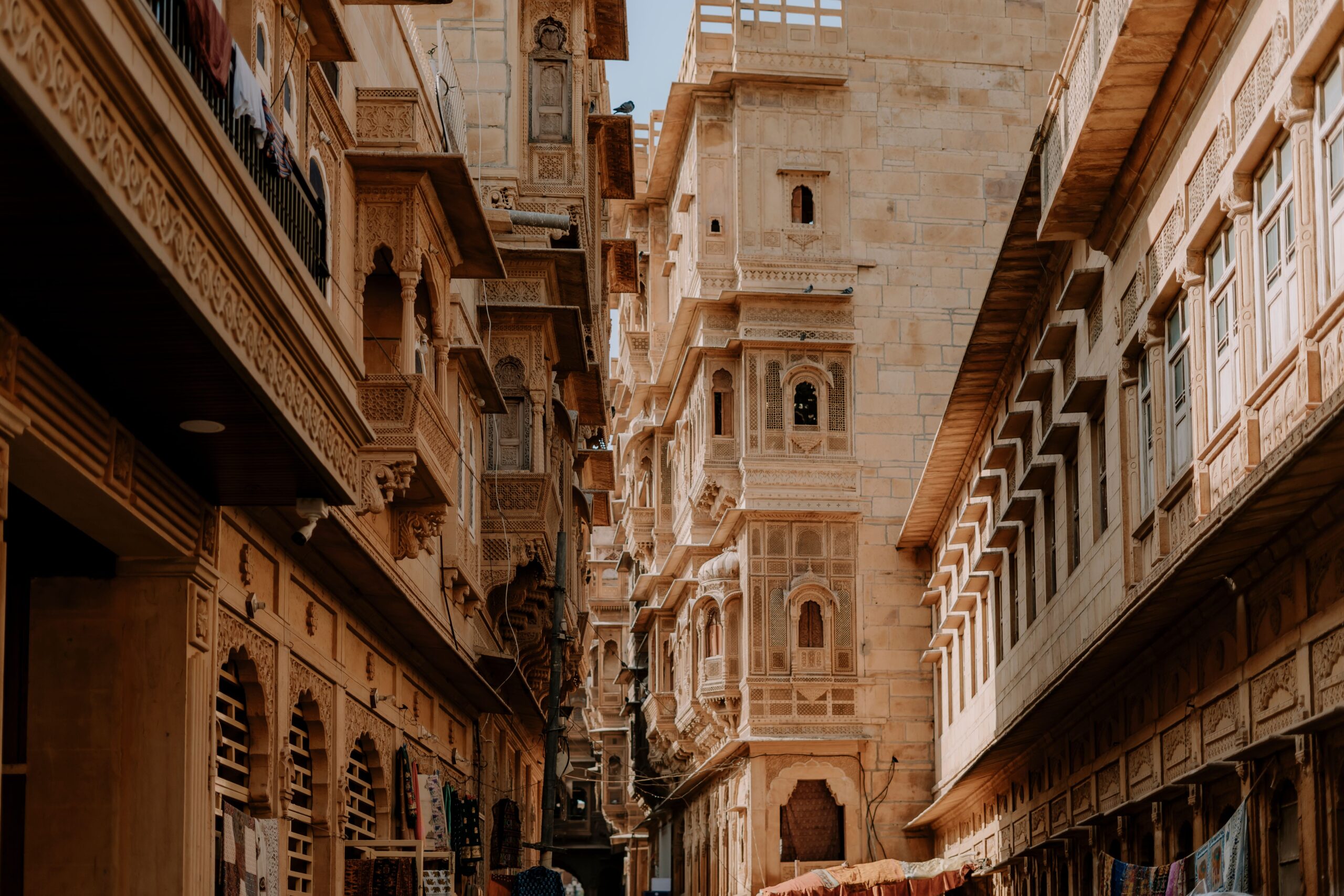
The month-by-month travel calendar for 2026 that gives the specific optimal destination for each month — not the general “spring is good for Europe” instruction, but the specific reason that the specific destination in the specific month gives the visitor what the destination is for. The Rajasthan in February (the cool dry season, the desert fort in the morning air, the folk music at the haveli dinner). The New Zealand South Island in March (the autumn colours on the Routeburn Track, the Queenstown crowds 40% below the January peak). The Georgia in September (the Rtveli — the Georgian grape harvest, the wine making visible in the Kakheti valley). Each month, one destination, the specific reason.
Reading time: 9 minutes | Last updated: 2026
January — Thailand (Chiang Mai)
Why January: The cool season in northern Thailand (18-28°C in Chiang Mai, the cool enough for the jungle trek, the warm enough for the temple visit without the sweat). The Bua Tong waterfall (the limestone waterfall north of Chiang Mai — the calcium deposits giving the specific grip that allows the barefoot ascent of the waterfall face). The Chiang Mai Sunday Night Market in the cool air (the pad thai and the mango sticky rice and the indigo fabric at the market stall).
The specific January window: The January 3 post-New Year lull in the UK departure market means the Thailand flights at the lowest January prices in the first week. The Chinese New Year (late January or early February) brings the Chinese tourist market to Thailand — book the Chiang Mai accommodation before January 20.
February — Rajasthan, India
Why February: The coolest month in the Rajasthan desert (15-25°C in Jodhpur and Jaisalmer, the blue city and the golden city in the specific India winter light). The Pushkar Camel Fair afterglow (the fair is November, but the Pushkar town and the desert road to Jaisalmer in February gives the specific Rajasthan without the fair crowd). The Jaisalmer Desert Festival (usually February — the camel race, the folk music, the specific Rajasthan celebration at the dune edge).
March — New Zealand South Island
Why March: The autumn colours begin in the South Island in March (the beech forest, the kahikatea, the specific New Zealand autumn palette visible from the Routeburn Track). The Queenstown summer crowd (the January-February peak) has departed; the prices drop 20-30%. The Milford Sound in March (the rain that the Sound receives year-round gives the extra waterfalls that the dry visit does not — and March is not the wettest month).
April — Japan (Kyoto and Tokyo)
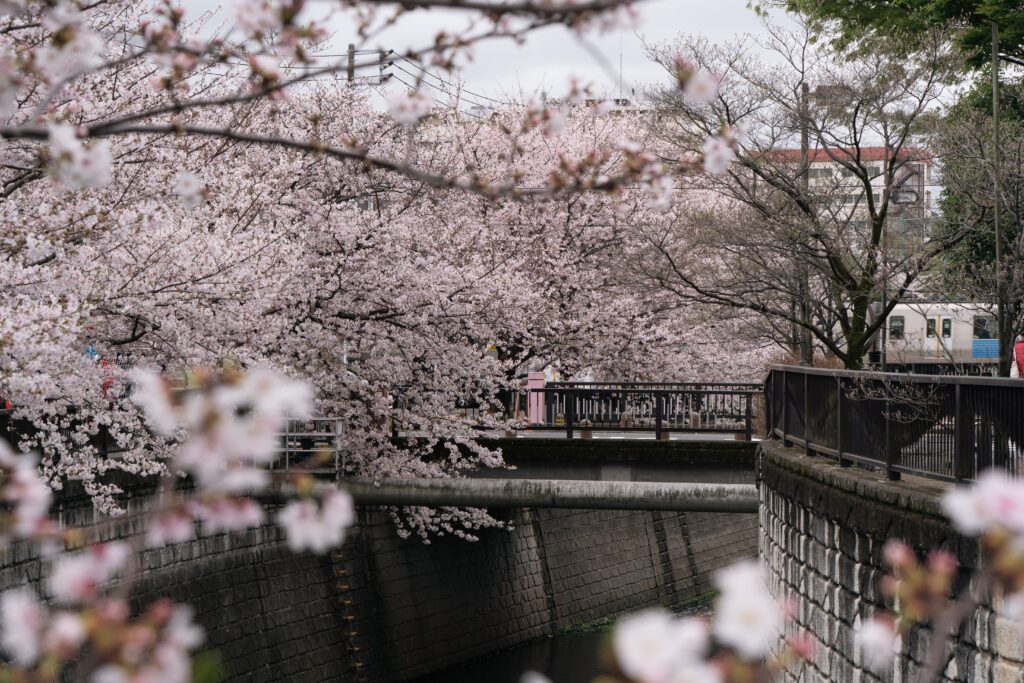
Why April: The sakura. The specific April window (early April for Tokyo, mid-April for Kyoto in a typical year — verify the current year’s forecast at japan-guide.com from February). Full detail: Cherry Blossom in Japan.
The specific April instruction: book the Kyoto accommodation as early as December-January. The April Kyoto in the cherry blossom week is the most booked single accommodation window in Japan.
May — Georgia (Kakheti Wine Region)
Why May: The Georgian spring (18-24°C in Tbilisi, the Kakheti valley in blossom, the specific Georgia before the summer heat). The Alazani valley in May (the Signakhi town above the valley — the winery visible from the town wall, the afternoon light on the Caucasus visible from the Signakhi fortress). The natural wine at the source (the amber wine from the Rkatsiteli grape, the 6-month skin-contact fermentation in the qvevri (the clay amphora buried in the earth of the winery), the specific Georgian wine flavour that the skin contact gives and that the conventional white wine does not).
June — Iceland
Why June: The midnight sun (the sun does not set in Iceland from late May to late July — the specific Iceland June where the light is present at 2am and the outdoor activities operate accordingly). The lupine fields (the purple Nootka lupine (Lupinus nootkatensis) visible across the Icelandic landscape in June — the specific Iceland June colour that the winter visitor doesn’t see). The whale watching at maximum probability (the minke whale, the humpback, the blue whale visible off the Reykjavík coast and from the Húsavík whale watching boats in June at the highest probability of the year).
July — Croatia (Dalmatian Islands)
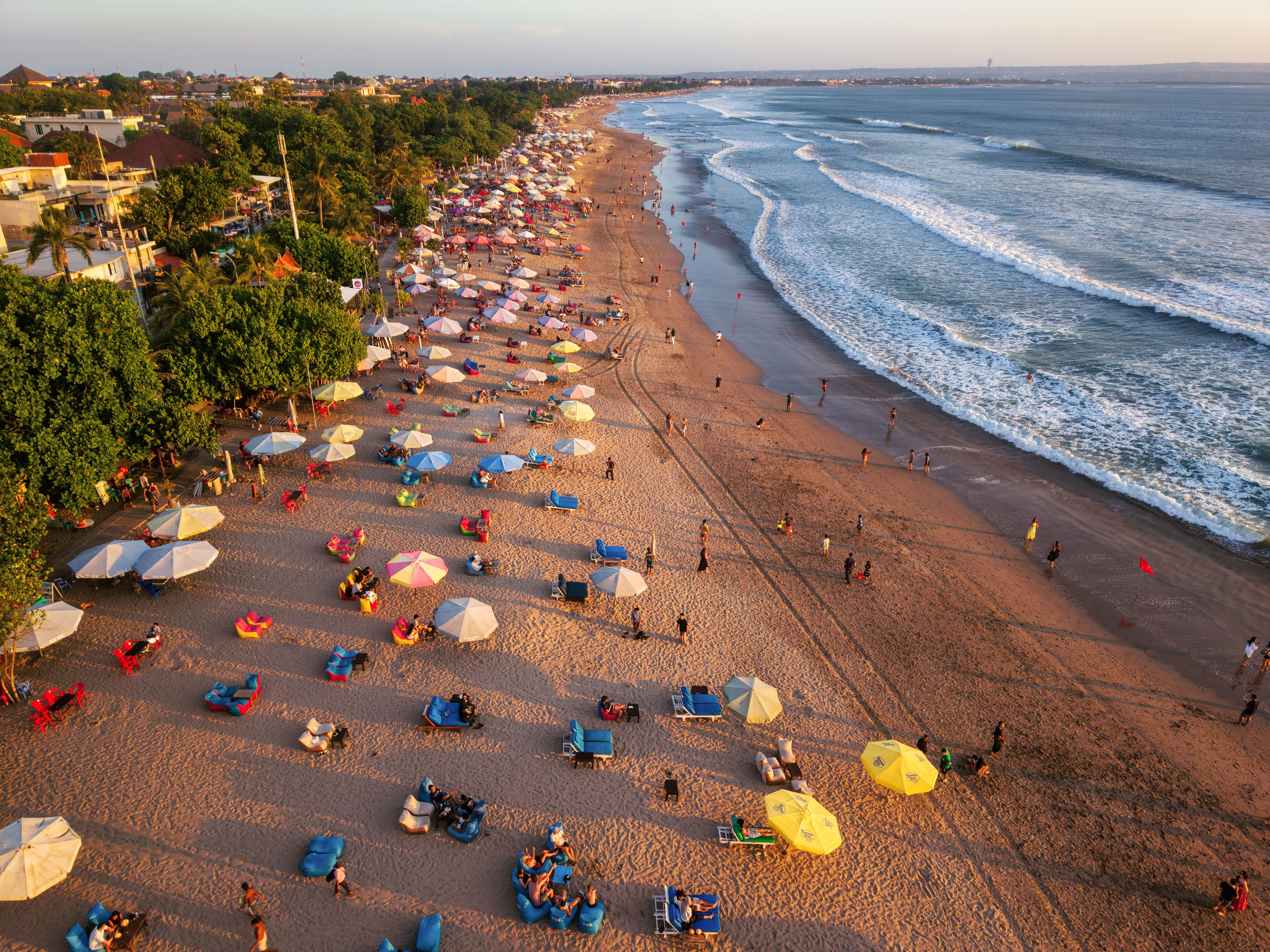
Why July: The Adriatic at 24-25°C, the lavender on Hvar (full detail: 7 Days in Croatia), and the EXIT Festival in Novi Sad, Serbia (if combining with the Balkans circuit). The Hvar island in July is peak — the accommodation at the Hvar peak rate is 40% higher than June. The Brač island (the Zlatni Rat beach — the golden cape that shifts with the current) and the Vis island (the Croatian secret, the farthest inhabited island from the coast) are the July alternatives within 1-2 hours of the Hvar ferry.
August — Scotland (Northwest Highlands)
Why August: The Scottish summer (the longest days, the 16+ hours of daylight, the heather moorland in purple, the midges manageable with the DEET from 7pm). The Torridon mountain circuit (the Beinn Alligin, the Liathach — the specific ancient Lewisian gneiss, 3 billion years old, the oldest rock in the UK visible from the Torridon road). The Skye in August (the Fairy Pools, the Quiraing, the Old Man of Storr at the crowd peak — arrive at 6am for the Quiraing without the coach tour queue).
September — Georgia (Rtveli — the Grape Harvest)
Why September: The Rtveli (the Georgian grape harvest — September to October in the Kakheti valley, the grape picking visible in the vineyard, the must (the crushed grape juice) visible entering the qvevri for the fermentation, the specific Georgia that the winemaking month gives and that the June visit does not). The Tbilisi in September (25-28°C, the summer heat reduced, the Tbilisi terrace restaurant season at its most pleasant).
October — Morocco (Atlas Mountains)
Why October: The post-summer, pre-winter mountain hiking season in the High Atlas (the Toubkal summit (4,167 metres) accessible without the winter snow, the Berber villages visible in the October colour as the walnut trees change, the specific Morocco mountain that the summer heat makes punishing and the October makes correct). The Marrakech in October (28-32°C — still warm, the August peak gone, the accommodation at 20-30% below the spring rates).
November — Cambodia (Angkor)
Why November: The specific Cambodia that the November travel gives: the Tonlé Sap lake at its annual highest water level (the lake that reverses its flow direction annually in the world’s most unusual hydrological event — the Mekong floods the Tonlé Sap in the wet season, the lake draining at the dry season start in November, the specific Cambodia water event visible from the Phnom Penh riverfront), and the Angkor at the November reduced crowd (the post-monsoon, the warm-dry-season start — the Angkor Wat at 5:30am in November with fewer visitors than October or December).
December — Sri Lanka (Cultural Triangle and South Coast)
Why December: The Sri Lanka December is the correct Sri Lanka for the dual circuit (the cultural triangle in the north — Dambulla, Sigiriya, Anuradhapura — in the dry season, and the south coast in the northwest monsoon lull). The Yala National Park in December (the leopard, the elephant, the peacock — the specific Sri Lanka safari at the accessible dry-season price and the post-October visitor drop). The Unawatuna beach in December (the southwest coast at the December dry — the sea at 28-29°C, the beach at 30°C, the specific Sri Lanka December beach that the summer monsoon visitor cannot access).