



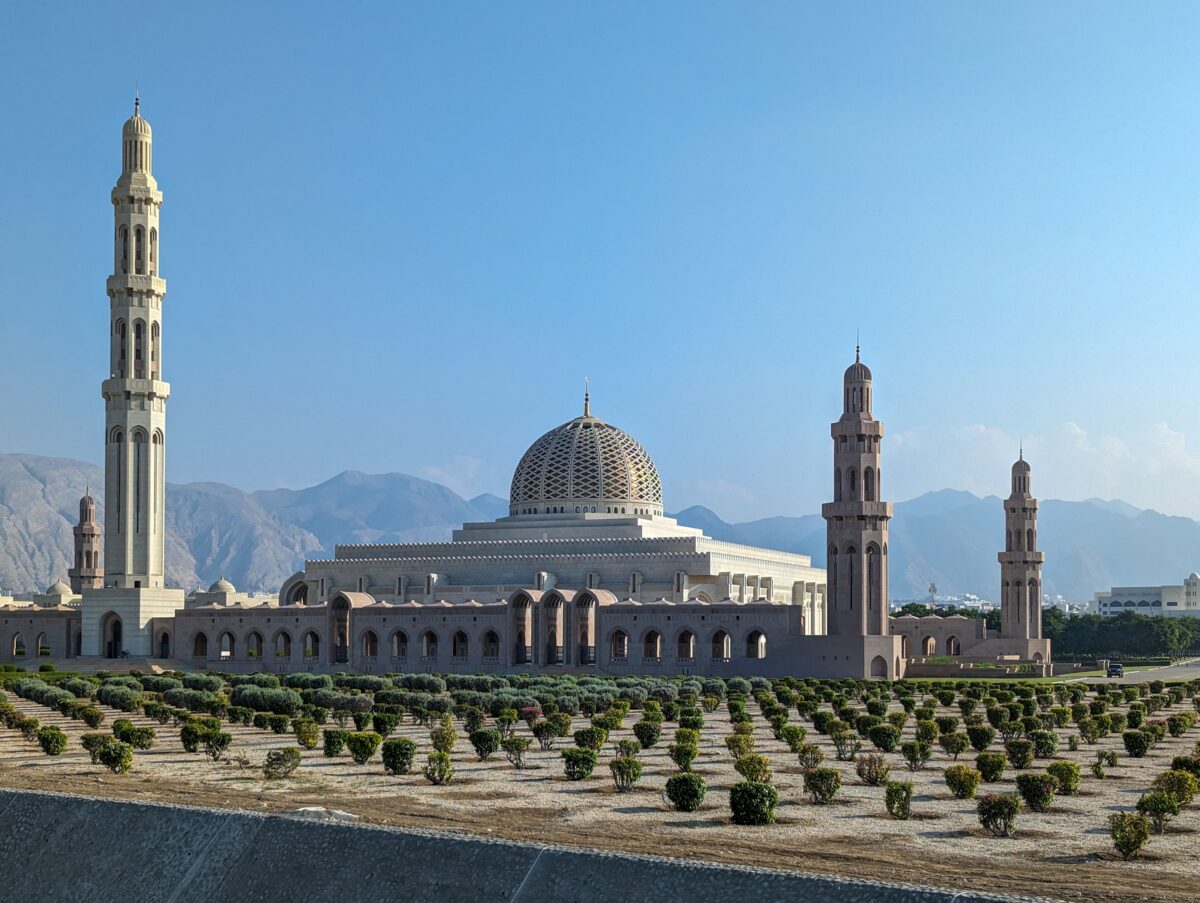
Dubai’s ultramodern skyline and shopping mall culture deliver a genuinely spectacular but distinctly manufactured Gulf experience, with luxury and scale as the primary draws rather than cultural authenticity. Muscat, Oman’s capital, offers a fundamentally different Gulf experience, genuine souqs, dramatic mountain and wadi landscapes, and historic forts, all reflecting a deliberately more measured approach to development.
Quick answer: swap Dubai for Muscat if the priority is genuine Arabian culture, historic architecture, and dramatic natural landscapes rather than manufactured luxury and shopping. Keep Dubai on the itinerary if its specific ultramodern skyline, extensive shopping, and nightlife scene are the non-negotiable draw, since Muscat’s more traditional character doesn’t replicate that particular experience.
Dubai vs Muscat: Head-to-Head
| Factor | Dubai | Muscat |
|---|---|---|
| Development character | Ultramodern, purpose-built luxury | Traditional architecture preserved by regulation |
| Accommodation (mid-range, per night) | AED 400-800 (£86-£172) | OMR 40-80 (£82-£165) |
| Signature experience | Skyscrapers, shopping malls, Burj Khalifa | Souqs, forts, wadis, mountains |
| Nightlife | Extensive, internationally famous | Minimal, considerably more conservative |
| Natural landscape access | Limited, desert safaris | Genuinely dramatic mountains and wadis |
What Muscat Actually Offers
Oman’s building regulations, which limit skyscraper development and mandate traditional architectural styles even for new construction, have preserved a genuinely different Gulf city character from Dubai’s deliberately futuristic skyline.
- Muscat’s souqs (Mutrah Souq specifically): a genuine working market, one of the oldest in the Arab world, offering frankincense, spices, and silver jewellery within an atmospheric covered market setting, distinct from Dubai’s more polished, shopping-mall-oriented retail culture
- Sultan Qaboos Grand Mosque: genuinely striking architecture, open to non-Muslim visitors during specific morning hours, offering a level of cultural access some Gulf mosques don’t provide
- Wadi exploration: Oman’s dramatic wadis (seasonal riverbeds cutting through mountain terrain) offer genuine hiking and swimming opportunities within striking canyon landscapes, an experience entirely different from Dubai’s desert safari tourism
- Nizwa Fort and the interior mountains: a short drive from Muscat, offering access to genuine historic Omani forts and the dramatic Hajar Mountains, landscapes Dubai’s flatter desert setting simply doesn’t have
Why Dubai Still Wins for Specific Things
Dubai’s specific ultramodern skyline, extensive luxury shopping, and internationally renowned nightlife and entertainment scene represent a combination Muscat’s more traditional, conservative character doesn’t attempt to replicate. For travellers specifically wanting that particular futuristic luxury experience, that requires Dubai itself.
The honest verdict: if Dubai’s specific skyline, shopping, and nightlife are the trip’s purpose, that requires Dubai. For travellers wanting genuine Arabian culture, historic architecture, and access to dramatic natural landscapes, Muscat delivers a meaningfully different, more authentic Gulf experience.
What a Few Days Actually Costs
| Category | Dubai (4 nights, per person) | Muscat (4 nights, per person) |
|---|---|---|
| Accommodation (split two ways) | £172-£344 | £164-£330 |
| Food | £150-£250 | £130-£210 |
| Activities/tours | £100-£200 | £80-£160 |
| Total | £422-£794 | £374-£700 |
While the overall cost gap is more modest than some destination swaps, Muscat’s activities genuinely deliver more natural landscape access for the price, wadi tours and mountain excursions versus Dubai’s more expensive shopping and entertainment-focused activity options.
Step-by-Step: Planning a Muscat Trip
- Fly directly into Muscat International Airport, served by direct or one-stop UK connections comparable to Dubai’s own flight accessibility.
- Visit Sultan Qaboos Grand Mosque during the specific morning visiting hours for non-Muslim visitors, confirming current times before travel since these can shift.
- Rent a 4×4 for genuine wadi and mountain exploration, since Oman’s dramatic natural landscapes benefit significantly from independent transport beyond the city itself.
- Visit Mutrah Souq in the early evening, when the market’s genuine daily rhythm and cooler temperatures make for the most pleasant browsing experience.
- Pack modest clothing throughout the trip, since Oman’s more conservative culture expects considerably more modest dress than Dubai’s more internationally liberal tourist areas.
Frequently Asked Questions
Is Muscat as luxurious as Dubai?
Differently positioned rather than directly comparable, Muscat offers genuine luxury hotels and experiences, but the city’s overall character prioritises cultural and historical authenticity over Dubai’s specific scale of manufactured modern luxury.
Do UK citizens need a visa for Oman?
Yes, but it’s a straightforward e-visa rather than a traditional embassy visa, applied for online in advance and typically approved within a few days.
Is Muscat suitable for a first-time Gulf visit, or is Dubai a better introduction?
Both work well depending on priorities; Dubai suits travellers wanting a more internationally familiar luxury and shopping-focused introduction to the Gulf, while Muscat rewards those specifically seeking cultural depth and natural landscapes from their first Gulf visit.
What is the best time of year to visit Muscat?
October to April offers the most comfortable temperatures, avoiding the genuinely extreme summer heat (regularly exceeding 40°C) that affects both Muscat and Dubai during the peak summer months.
Nizwa: A Genuine Half-Day Addition Worth the Drive
Roughly 1.5-2 hours from Muscat, Nizwa offers one of Oman’s best-preserved forts alongside a genuine Friday livestock and produce market, a longstanding local tradition rather than a tourist-oriented event. Combining a Nizwa day trip with the drive through the Hajar Mountains delivers a meaningfully different landscape from Muscat’s coastal setting, worth building into any Muscat-based itinerary with at least four to five days available.
Oman’s Genuine Safety Reputation
Oman consistently ranks among the safest countries in the Middle East for independent travel, reflecting both low crime rates and a generally stable political environment, a factor worth knowing for travellers weighing this swap against Dubai’s own well-established reputation for safety. This shared safety profile means the choice between the two genuinely comes down to the kind of experience sought rather than any meaningful difference in overall travel security.
The Bottom Line
Muscat delivers genuine Arabian culture, historic souqs and forts, and access to dramatic mountain and wadi landscapes, offering a meaningfully different Gulf experience from Dubai’s manufactured modern luxury at a broadly comparable overall cost. The trade-off is losing Dubai’s specific ultramodern skyline, extensive shopping, and internationally famous nightlife scene, all genuinely unique to that particular city’s deliberate positioning.