
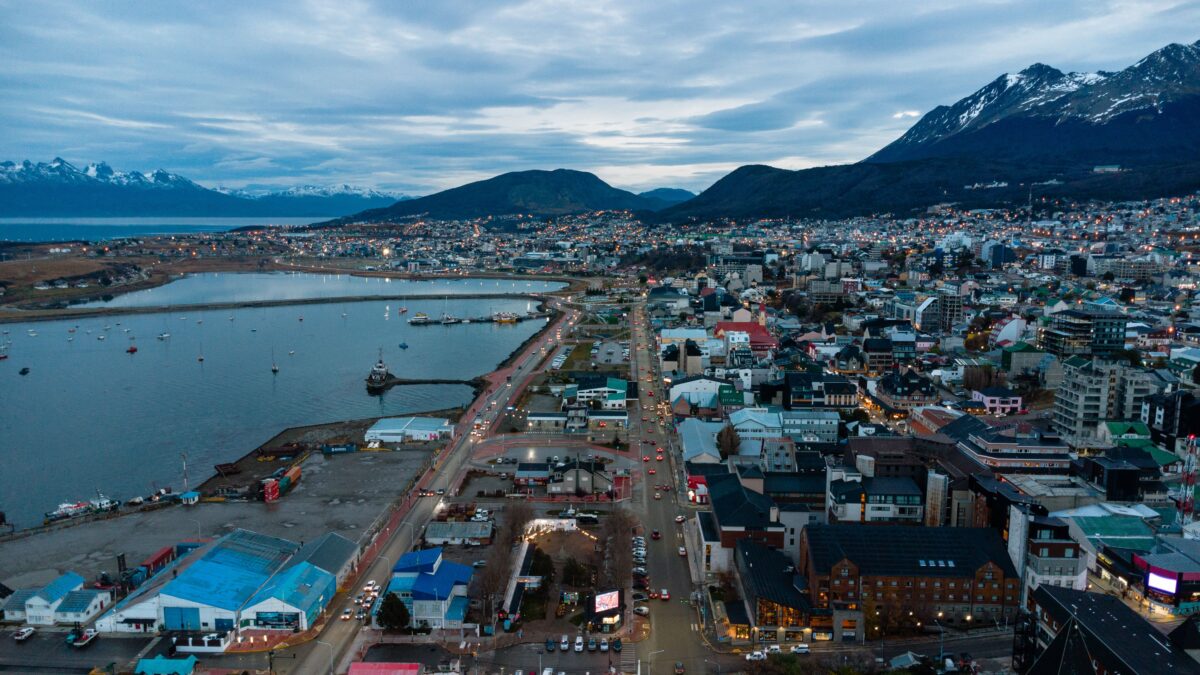
Banff’s dramatic Rocky Mountain scenery draws millions of visitors annually, but this fame has brought genuine crowding and rising costs to what was once a remote wilderness experience. Ushuaia, Argentina, the world’s southernmost city, offers a fundamentally different kind of dramatic wilderness, genuine end-of-the-world remoteness that Banff’s more accessible, heavily visited setting simply cannot replicate.
Quick answer: swap Banff for Ushuaia and Tierra del Fuego if the priority is genuine, remote wilderness adventure at the literal edge of the inhabited world. Keep Banff on the itinerary if its specific accessibility, iconic turquoise lakes, and manageable trip length are the non-negotiable draw, since Ushuaia’s far greater remoteness demands a fundamentally longer, more involved journey.
Banff vs Ushuaia & Tierra del Fuego: Head-to-Head
| Factor | Banff | Ushuaia & Tierra del Fuego |
|---|---|---|
| Flight time from UK | 9-10+ hours via Calgary connection | 18-20+ hours via multiple connections |
| Accommodation (mid-range, per night) | CAD $250-$450 (£145-£262) | ARS/USD equivalent roughly £60-£130 |
| Signature experience | Iconic lakes, accessible mountain trails | Genuine sub-Antarctic wilderness, Beagle Channel |
| Crowd density | Significant, particularly summer | Considerably lower given remoteness |
| Antarctic cruise access | None | Genuine departure point for Antarctica expeditions |
What Ushuaia & Tierra del Fuego Actually Offer
Ushuaia’s position as the world’s southernmost city, sitting at the tip of South America facing the Beagle Channel toward Antarctica, offers a genuine sense of remoteness and wilderness scale Banff’s more accessible Rocky Mountain setting cannot match.
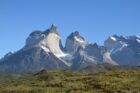
- Tierra del Fuego National Park: genuinely dramatic sub-Antarctic wilderness, combining forest, mountains, and coastline in a landscape distinct from anywhere in the Northern Hemisphere
- Beagle Channel boat trips: offering genuine wildlife viewing (sea lions, penguins, and various seabird species) within the same waters Charles Darwin famously navigated
- Antarctic expedition departure point: Ushuaia serves as the primary launch point for Antarctica cruises, offering travellers with sufficient time and budget the possibility of extending the trip to the seventh continent itself, an option entirely unavailable from Banff
- The genuine “end of the world” atmosphere: Ushuaia’s remote position and the sheer scale of the journey required to reach it deliver a sense of genuine adventure and achievement that Banff’s considerably more accessible setting doesn’t provide
Why Banff Still Wins for Specific Things
Banff’s genuine accessibility, iconic turquoise lakes (Lake Louise, Moraine Lake), and manageable trip length within a realistic UK holiday timeframe represent advantages Ushuaia’s far greater remoteness simply cannot match. For travellers specifically wanting Banff’s particular combination of accessibility and iconic mountain scenery within a standard week or two-week trip, that requires Banff itself.
The honest verdict: if Banff’s specific accessibility and manageable trip length are the trip’s purpose, that requires accepting its crowds. For travellers with genuinely more time and a taste for true remoteness, Ushuaia and Tierra del Fuego deliver an adventure of an entirely different scale and character.
What a Trip Actually Costs
| Category | Banff (per person, 1 week) | Ushuaia & Tierra del Fuego (per person, 10 days) |
|---|---|---|
| Accommodation | £725-£1,310 | £420-£910 |
| Food | £290-£440 | £280-£420 |
| Activities/park fees | £120-£210 | £150-£280 |
| Total (excluding flights) | £1,135-£1,960 | £850-£1,610 |
While accommodation and daily costs run somewhat lower in Ushuaia, the significantly longer flight time and connections required genuinely add both cost and time investment beyond what this table captures, worth factoring in as a realistic overall trip length consideration rather than a pure cost comparison.
Step-by-Step: Planning an Ushuaia Trip
- Fly into Buenos Aires and connect via a domestic flight to Ushuaia, since this remains the standard access route given the destination’s genuine remoteness.
- Allow at least 10-14 days for the full trip, given the significant travel time required to reach and return from this genuinely far-flung destination.
- Book a Beagle Channel boat trip early in the stay, since wildlife viewing conditions and weather can affect specific sailing schedules.
- Research Antarctic expedition add-ons if budget and time allow, since Ushuaia’s position as the primary departure point makes this a genuinely unique extension opportunity unavailable from almost anywhere else in the world.
- Pack for genuinely variable, cold sub-Antarctic weather regardless of season, since Tierra del Fuego’s climate remains cool and changeable even during the Southern Hemisphere summer (December-February).
Frequently Asked Questions
Do UK citizens need a visa for Argentina?
No, UK passport holders can enter Argentina visa-free for tourist stays of up to 90 days.
Is Ushuaia genuinely worth the significantly longer journey compared to Banff?
For travellers specifically seeking genuine remoteness and a true sense of wilderness adventure, yes, though this comes with a genuine time and logistics commitment considerably beyond what a standard Banff trip requires.
What is the best time of year to visit Ushuaia and Tierra del Fuego?
November through March (the Southern Hemisphere summer) offers the most comfortable conditions and coincides with the Antarctic cruise season for travellers considering that extension.
Is Ushuaia suitable for travellers without extensive wilderness or hiking experience?
Yes, the national park and Beagle Channel boat trips are accessible to most reasonably fit travellers without requiring specialist wilderness skills, though more remote Tierra del Fuego trekking routes genuinely benefit from proper preparation and, ideally, a local guide.
Wildlife Beyond the Beagle Channel
Tierra del Fuego’s terrestrial wildlife adds further depth beyond the marine life visible from Beagle Channel boat trips, with genuine opportunities to spot Andean condors, guanacos, and, for particularly fortunate visitors, the elusive South Andean deer (huemul), a genuinely endangered species found in only a handful of locations worldwide. This wildlife diversity, spanning both marine and terrestrial ecosystems within a compact region, offers a genuinely different wildlife-viewing experience from Banff’s more exclusively land-based wildlife (elk, grizzly bears, mountain goats).
Ushuaia’s Own Compact City Character
Despite its remote position, Ushuaia itself offers a genuinely charming small city atmosphere, with a working port, colourful buildings set against the dramatic Martial Mountains backdrop, and a handful of good restaurants specialising in king crab and other regional Patagonian specialties. This gives the destination a worthwhile urban dimension beyond the surrounding wilderness, comparable in scale and charm to Banff’s own small mountain town centre, if considerably more remote in its overall setting.
The Bottom Line
Ushuaia and Tierra del Fuego deliver a genuinely different scale of wilderness adventure than Banff, true end-of-the-world remoteness, Antarctic expedition access, and sub-Antarctic wildlife, at a broadly comparable daily cost once arrived, though requiring significantly more travel time and trip length investment. The trade-off is losing Banff’s specific accessibility and iconic, easily reachable mountain lakes, both genuinely valuable for travellers with a more standard holiday timeframe.