

The Torvehallerne market at 8am when the open-faced smørrebrød are being assembled at the Hallernes Smørrebrød counter and the Danish coffee from the Coffee Collective is the best cup available in Scandinavia, the Nyhavn canal at 7am before the tourist boats begin and the specific Copenhagen morning of the canal reflections and the wooden boats and the colour-washed facades is available without a crowd, and why Copenhagen — the most expensive city in this guide per meal and the one most likely to produce invoice anxiety — is worth the price if you eat at the right places and understand that the prix fixe at the mid-range Danish restaurant gives you the most technically accomplished cooking in Europe at a price that would be ordinary in Paris.
Reading time: 9 minutes | Last updated: 2026
Copenhagen is the city that gave the world New Nordic Cuisine — the specific food movement that René Redzepi launched at Noma in 2004 and that has been the most influential single restaurant in the 21st century, not for its specific dishes (though those are extraordinary) but for the food philosophy: the kilometre-zero sourcing, the foraging, the fermentation, the application of fine dining technique to the ingredients of the specific region. Every “locally sourced seasonal menu” restaurant in the UK exists in the conceptual shadow of Noma.
Noma itself closed in 2024 after 20 years. The legacy is visible throughout Copenhagen in the restaurants that Noma’s alumni have opened, the food market culture that has developed, and the specific Danish approach to ingredients that makes Copenhagen’s food scene the most intellectually serious in Europe.
The 48 Hours
DAY ONE
7:00am — Nyhavn at Dawn
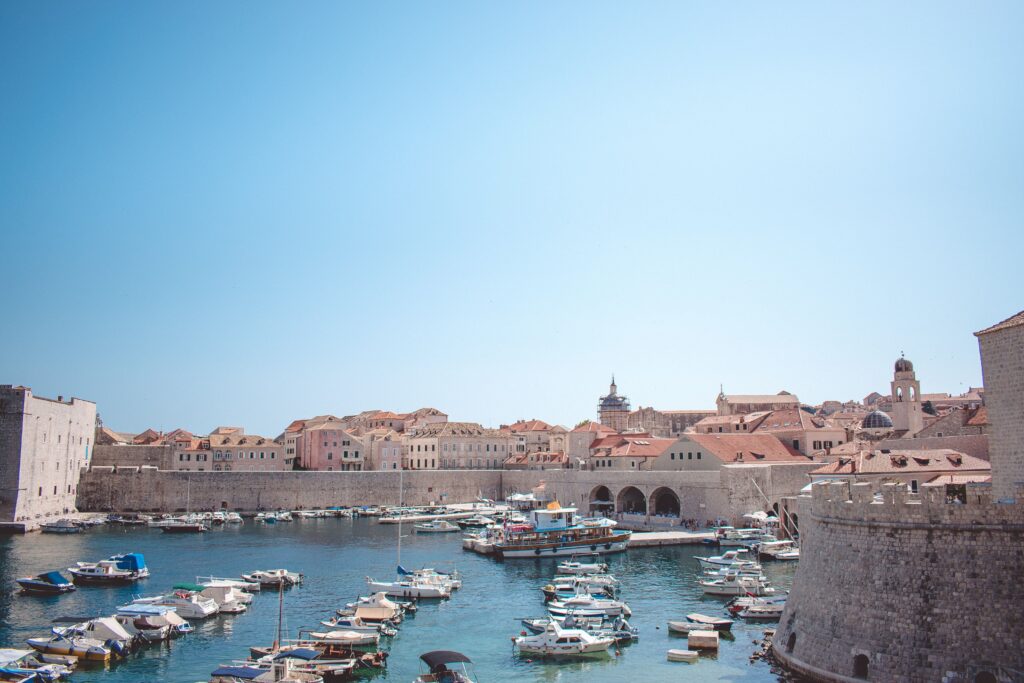
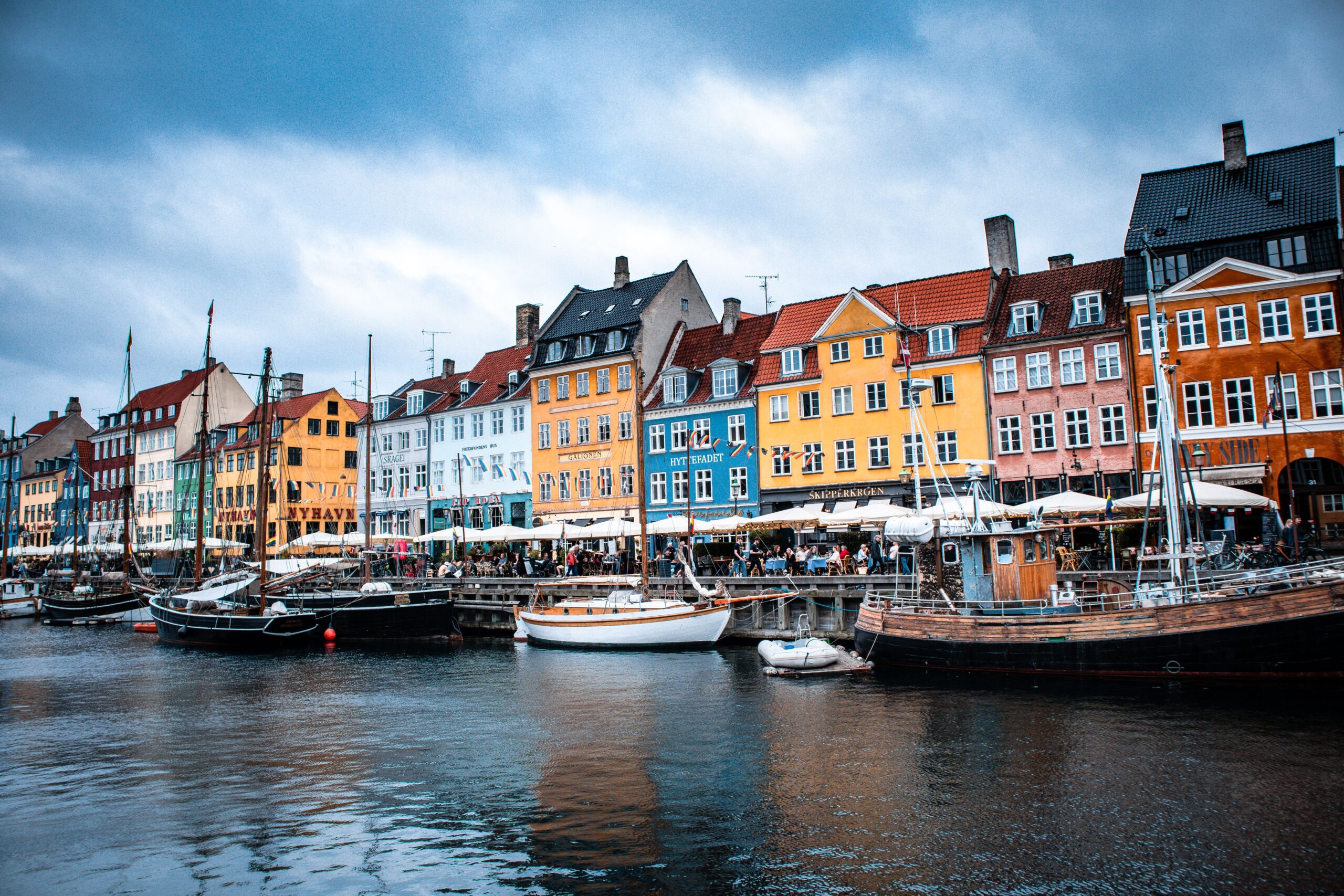
The Nyhavn canal (the 17th-century harbour canal lined with the coloured facades of the 18th-century merchant houses — the most photographed single view in Denmark): at 7am, the wooden boats in the canal, the reflections of the facades in the still water, the light from the northeast illuminating the buildings.
By 9am: the tourist boats begin. By 11am: the canal-side tables fill. The Nyhavn at 7am is the Nyhavn that earns its reputation.
Hans Christian Andersen lived at No. 18, No. 20, and No. 67 Nyhavn at different periods of his life. The plaques are on the buildings. The building he described as his favourite is No. 20. The building is now a tourist shop.
8:30am — The Torvehallerne Market
The Torvehallerne (Frederiksborggade 21 — the two covered market halls in the Nørreport area, the finest food market in Scandinavia): at 8:30am, the market in the first hour of trading.
The Coffee Collective (the stall in the market — the Copenhagen specialty coffee roaster whose approach to sourcing and transparency has been the reference for Nordic coffee since 2007): the flat white (a Nordic standard), the single origin filter (the Ethiopian or the Colombian or the Kenyan depending on the current rotation): DKK 40-65 / £4.44-7.22.
The smørrebrød at Hallernes Smørrebrød (the market counter — the open-faced rye bread sandwiches assembled to order, the pickled herring with the capers, the roast beef with the remoulade and the horseradish, the prawns with the egg and the dill): DKK 55-110 / £6.11-12.22 each. The correct Danish breakfast, the one that predates the Noma movement by 300 years.
The rye bread (the Danish rugbrød — the dense, dark, sourdough rye that is the foundation of the smørrebrød tradition and that has influenced UK artisan baking more than any other single European bread): the Torvehallerne bakery counter gives the rugbrød with the butter and the salt as the simplest form of the thing itself.
10:30am — The Statens Museum for Kunst
The Statens Museum for Kunst (Sølvgade 48-50 — the Danish National Gallery, the collection from the Danish Golden Age painters — the Christoffer Wilhelm Eckersberg, the Christen Købke — through to the modern): the SMK gives the most complete picture of the specific Danish visual tradition (the landscape painting, the interior light, the specific luminosity that the Danish painters of the 19th century achieved with the northern light of the Zealand coast visible in every significant canvas).
The Matisse room (the collection of Matisse’s work donated by the Danish collector Johannes Rump — the most significant Matisse collection in Scandinavia): entry free on Tuesdays and for the permanent collection generally.
1:00pm — Lunch: Aamanns
Aamanns (Øster Farimagsgade 10 — the smørrebrød restaurant that is the reference for the contemporary interpretation of the tradition): the updated smørrebrød (the Greenlandic halibut with the dill oil and the cucumber, the Gotland lamb with the pickled ramps) at the quality level that represents the best of the New Nordic approach applied to a 300-year-old format.
DKK 250-400 / £27.77-44.43 per person for the lunch selection.
3:00pm — Christiansborg Palace
The Christiansborg Palace (the island of Slotsholmen — the seat of the Danish Parliament, the Supreme Court, and the Prime Minister’s office, simultaneously — the most concentrated political power per square metre of any building in Europe): the Royal Reception Rooms (the state rooms where the Queen receives visiting heads of state, the tapestries by Bjørn Nørgaard depicting Danish history from the Ice Age to the present): DKK 110 / £12.22.
The palace ruins (the excavated remains of the previous palace buildings underneath the current palace — the 12th-century fortifications of Bishop Absalon visible through the glass floor of the underground museum): DKK 80 / £8.89.
The Christiansborg tower (the highest public viewpoint in Copenhagen — free access to the tower platform, the 360-degree view over the city, the harbour, and the Øresund strait visible on clear days): free.
5:30pm — The Cycling Circuit
Copenhagen has the highest cycling modal share of any capital city in the world — 62% of residents cycle to work daily. The city infrastructure (the dedicated cycling lanes on every major street, the cycle-priority signals, the bike bridges over the harbour canals) is the most advanced cycling infrastructure in the world.
The hire bike (the Bycyklen electric bike share system — DKK 25 / £2.78 per 30 minutes, the bikes available from the docking stations throughout the city): the cycling circuit along the harbour front (the Ofelia Plads, the Black Diamond library extension visible on the water, the Langelinie promenade and the Little Mermaid).
The Little Mermaid (the 1913 bronze statue, the gift of brewer Carl Jacobsen — the statue that is smaller than visitors expect and more frequently discussed than most national monuments, the statue that has been attacked, decapitated, blown up with explosives, and dressed in various costumes by activists over the past 110 years): the statue at 6pm with manageable crowds, the Øresund Bridge visible to the southeast.
8:00pm — Dinner: Kadeau or Relæ Neighbourhood
Kadeau (Wildersgade 10B — the Bornholm island produce restaurant, the menu built entirely from the ingredients of the island of Bornholm 150km offshore, the smoked and fermented and cured preparations that have made Bornholm the most food-specific regional cuisine in Denmark): book at kadeau.dk. From DKK 1,400 / £155.52 for the tasting menu.
The accessible alternative: the Jægersborggade street (the Nørrebro neighbourhood restaurant street, the most concentrated alternative dining in Copenhagen outside the Michelin circuit — the Mirabelle bakery restaurant, the Hart Bageri, the neighbourhood wine bars): DKK 200-400 / £22.22-44.43 per person.
DAY TWO
8:00am — The Freetown Christiania
The Freetown Christiania (the self-governing commune established in 1971 in the former military barracks of the Christianshavn neighbourhood — the 850 residents who have operated the 34-hectare area as an autonomous community for 53 years): at 8am, the commune in its morning state — the vegetable gardens, the workshops, the communal buildings in the specific Christiania architectural style (the hand-built, the improvised, the repurposed).
The Pusher Street (the open cannabis market — the most discussed single street in Copenhagen, the cannabis sold openly in the designated area): note that cannabis remains illegal in Denmark and the possession outside Christiania carries the standard legal consequences.
The Christiania entrance instruction: no running (the rule is enforced — the running person signals a police raid and triggers the covering of the stalls), no photography on Pusher Street (the rule is specific and enforced by the stall operators), and no photographing the residents without permission.
10:30am — The Louisiana Museum of Modern Art
The Louisiana (Gammel Strandvej 13, Humlebæk — 35km north of Copenhagen by the S-train from Nørreport station, 45 minutes, DKK 100 / £11.11 return): the most beautifully sited art museum in Europe — the 1958 building on the coastal bluff above the Øresund strait, the sculpture garden connecting the four wings, the Alexander Calder mobiles visible against the water through the floor-to-ceiling windows.
The permanent collection: the Alberto Giacometti bronzes (the walking figures whose elongation is most fully comprehensible in the specific Louisiana light — the thin bronze figures against the sky and the sea), the Asger Jorn paintings (the Danish CoBrA movement, the visceral colour and the mythic imagery of the post-war Nordic tradition), and the room of Henry Moore’s sculptures in the garden.
Entry: DKK 145 / £16.11.
The Louisiana café (the terrace café above the Øresund, the Danish lunch — the smørrebrød and the coffee and the view): DKK 150-250 / £16.67-27.78 per person.
3:30pm — Return to Copenhagen: Nørrebro
The Nørrebro neighbourhood (the most culturally mixed neighbourhood in Copenhagen — the Turkish, Lebanese, Pakistani, and Somali communities that established in the 1970s-80s immigration waves, the specific Copenhagen multiculturalism that the rest of the city’s Scandinavian design culture sometimes obscures):
The Assistens Cemetery (the cemetery in Nørrebro where Hans Christian Andersen and Søren Kierkegaard are buried — the cemetery that functions simultaneously as the neighbourhood park, the Nørrebro residents walking and cycling through the graves as a daily route): free access.
6:30pm — Final Evening: the Meatpacking District
The Kødbyen (the Meatpacking District, Vesterbro — the former wholesale meat processing district converted to a restaurant, bar, and creative industry complex): the most concentrated evening food and drink destination in Copenhagen.
The Kødbyen afternoon at 6:30pm: the wine bar at Salon (the natural wine programme, the Danish charcuterie), the dinner at Mother (the sourdough pizza with the Danish toppings, DKK 120-180 / £13.33-20 per pizza), and the cocktail at the Lidkoeb (the cocktail bar in the old pharmacy building, the most atmospherically designed bar in the Meatpacking District).
The Essentials
Getting to Copenhagen: British Airways, SAS, easyJet, Norwegian direct from London. 2 hours. Return: £80-200.
Getting around: The Copenhagen Metro (the fully automated metro, the 24-hour operation on weekends — the City Pass: DKK 140 / £15.55 for 24 hours covering all zones including the airport). The cycling is the correct transport — the bike hire gives the city at the speed and the perspective it is designed for.
The cost reality: Copenhagen is expensive. The pint of craft beer: DKK 80-100 / £8.89-11.11. The museum entry: DKK 100-150 / £11.11-16.67. The dinner at a good restaurant: DKK 500-800 / £55.56-88.89 per person. Budget DKK 600-1,000 / £66.67-111.11 per day for food and drink at the mid-range. The Copenhagen Card (the all-inclusive transit and museum pass: DKK 600-800 / £66.67-88.89 for 48 hours) gives free entry to 89 museums and unlimited transit — worth calculating against your specific visit.
Where to stay: The Hotel SP34 (Sankt Peders Stræde 34, the Latin Quarter — the design hotel: £150-250/night), the Manon Les Suites (the Frederiksberg boutique hotel: £100-180/night), the Generator Copenhagen (Adelgade 5-7: private rooms from £50-90/night).
The Closing Moment
I was at the Torvehallerne at 8:42am. The smørrebrød counter at Hallernes. The pickled herring was being placed on the rye bread — the herring from the Øresund catch, the rye bread from the bakery on the other side of the market hall, the dill from the Danish herb producer whose name was on the chalkboard.
The assembler was placing the garnish with the specific Danish care that the smørrebrød demands — the aesthetics of the open-face sandwich are not secondary to its flavour in Copenhagen. The visual presentation is considered a part of the dish.
Noma is closed. Its alumni are in every neighbourhood. The smørrebrød is 300 years old and has not needed improvement. The coffee is the finest in Scandinavia.
Copenhagen is the city that has thought the hardest about what food means — the sourcing, the preparation, the presentation, the relationship with the producer. The result, when you eat it at 8:42am at the Torvehallerne, is the best breakfast in Europe.