



Oaxaca City is widely considered Mexico’s strongest food destination, and its street taco culture specifically offers genuinely exceptional value: a full day of eating well, breakfast through late-night, comes in comfortably under £15 without a single restaurant sit-down meal.
Quick answer: £15 covers a full day of Oaxacan street food, tlayudas, mole-based dishes, and tacos across breakfast, lunch, dinner, and a late-night snack, with genuine variety across the city’s strongest taco stands and markets. This runs a fraction of equivalent restaurant dining costs while arguably delivering better, more authentic food.
The 24-Hour Street Food Timeline
| Time | What to Eat | Cost (MXN) | Cost (GBP) |
|---|---|---|---|
| 8am | Tamales oaxaqueños (banana leaf-wrapped) | 20-30 | £0.90-£1.35 |
| 11am | Tlayuda (Oaxacan “pizza”) | 60-90 | £2.70-£4.05 |
| 2pm | Tacos de canasta (basket tacos) x4 | 60-80 | £2.70-£3.60 |
| 5pm | Fresh juice or tejate (traditional corn drink) | 25-35 | £1.15-£1.60 |
| 8pm | Tacos al pastor x4-5 | 80-120 | £3.60-£5.40 |
| 11pm | Late-night quesadilla | 30-45 | £1.35-£2.05 |
| Total | 275-400 MXN | £12.40-£18.05 |
Morning: Tamales and Market Breakfast
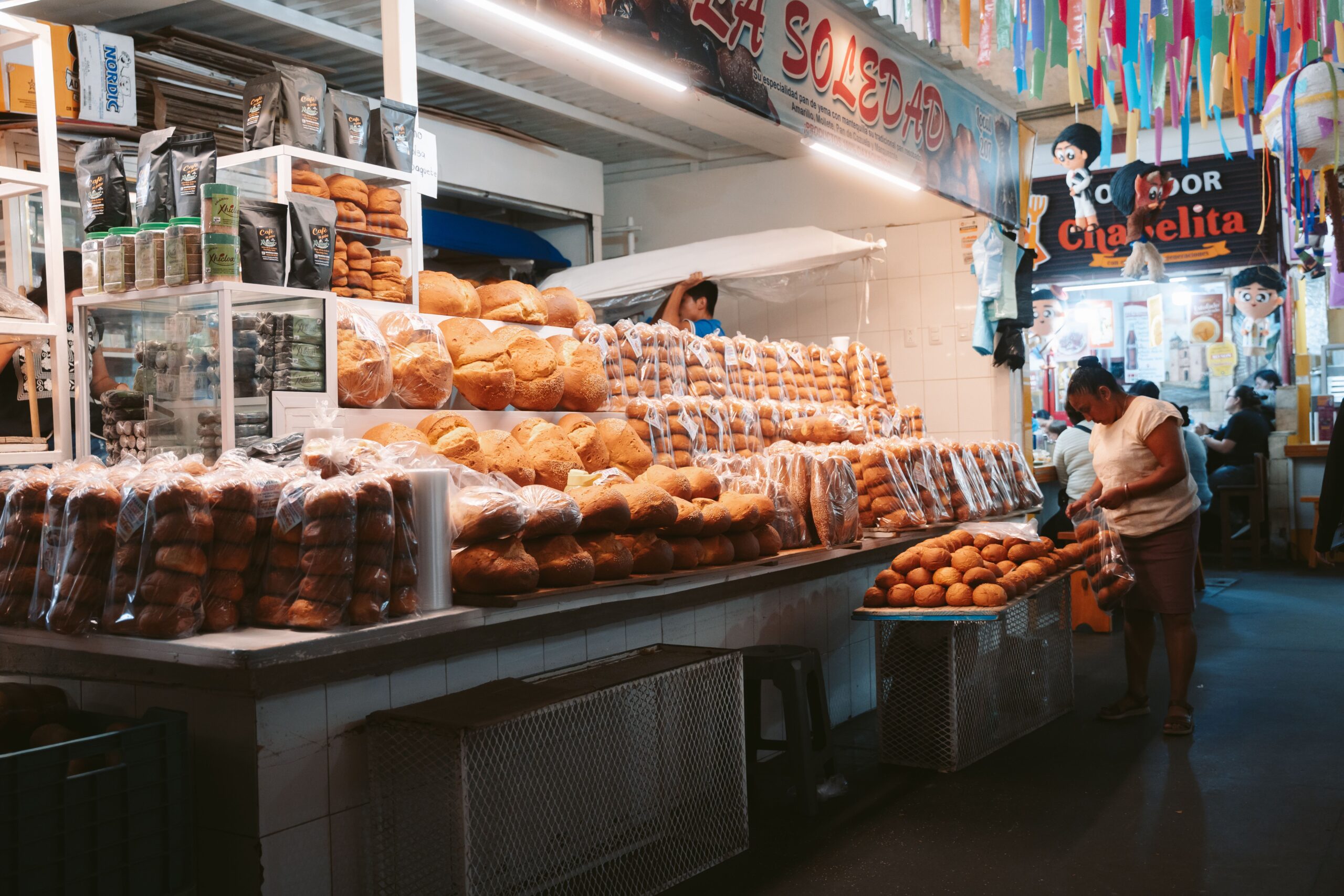
Oaxacan tamales, wrapped in banana leaf rather than the corn husk more common elsewhere in Mexico, are a genuine regional distinction worth seeking out specifically. Mercado 20 de Noviembre and Mercado Benito Juárez both offer excellent morning tamale vendors, typically set up from early morning until they sell out.
- Best spots: the covered market stalls consistently outperform standalone street carts on quality, given the market vendors’ reliance on repeat local customers rather than passing tourist traffic
- What to order: tamales de mole negro (Oaxaca’s famous black mole sauce) offer the most distinctly regional flavour profile
Midday: Tlayudas, Oaxaca’s Signature Dish
The tlayuda, a large, crispy tortilla topped with beans, cheese, and various meats, folded or served open-faced, is genuinely Oaxaca’s most distinctive contribution to Mexican street food. Several dedicated tlayuda stands operate throughout the city, with the area around the Llano park offering a particularly strong concentration in the evening specifically, though daytime options exist throughout the centro.
- Best spots: smaller, family-run stands rather than the more tourist-facing options directly on the zócalo (main square)
- What to order: tlayuda con tasajo (thin-sliced beef) represents the most traditional regional preparation
Afternoon: Tacos de Canasta
Tacos de canasta (“basket tacos”), pre-made and steamed in a basket, then reheated to order, offer a genuinely different taco style from the more familiar grilled versions, softer and often filled with potato, chicharrón, or beans, sold by vendors typically working a fixed route through the city with a basket balanced on a bicycle or motorbike.
- Best spots: these vendors are genuinely mobile, making a specific location recommendation less useful than simply flagging one down when spotted, a common and welcomed practice
- Cost: among the cheapest options on this list, typically 15-20 MXN (65-90p) per taco
Evening: Tacos al Pastor
Tacos al pastor, marinated pork cooked on a vertical spit and shaved directly onto small tortillas, represents Mexico’s most internationally famous taco style, and Oaxaca’s versions, while perhaps less iconic than Mexico City’s, are genuinely excellent and considerably less crowded.
- Best spots: taquerías around the Xochimilco neighbourhood, slightly outside the immediate tourist centre, offer a noticeably more local experience and pricing
- What to order: al pastor con piña (with the traditional grilled pineapple garnish) remains the classic, essential order
Late Night: Quesadillas and Closing Out the Day
Oaxaca’s street food scene genuinely continues well past 10pm in the areas around the zócalo and Alcalá pedestrian street, with quesadilla stands offering a satisfying, low-cost way to close out a full day of eating.
- Best spots: the stands along Alcalá offer good quality with a livelier evening atmosphere, popular with both locals and visitors alike
- What to order: quesadillas de flor de calabaza (squash blossom) offer a genuinely distinctive regional filling beyond the standard cheese option
Step-by-Step: Making This Street Food Day Work
- Start early at the markets specifically, since the best tamale vendors often sell out by mid-morning, making an 8am start genuinely worthwhile rather than optional.
- Carry small denomination pesos, since street vendors throughout Oaxaca generally can’t break large notes and expect exact or close-to-exact payment.
- Follow the basket taco vendors when spotted rather than seeking them out, since their mobile, route-based selling pattern means location changes throughout the day.
- Venture beyond the immediate zócalo for better prices and quality, since the most tourist-facing central spots often charge a premium for comparable or lesser food than a short walk away.
- Pace the day rather than eating full portions at every stop, since six separate eating stops genuinely adds up if each is treated as a complete meal rather than a taste.
What This Actually Saves Compared to Restaurant Dining
| Category | Street Food (per day) | Restaurant Dining (per day) |
|---|---|---|
| Breakfast | £0.90-£1.35 | £4-£7 |
| Lunch/afternoon snacks | £3.85-£5.65 | £10-£16 |
| Dinner | £3.60-£5.40 | £15-£25 |
| Late night | £1.35-£2.05 | N/A (rarely available) |
| Total | £9.70-£14.45 | £29-£48 |
Frequently Asked Questions
Is street food in Oaxaca safe for travellers unfamiliar with local hygiene standards?
Generally yes, provided standard sensible precautions apply, choosing stalls with high turnover and visible fresh preparation, and drinking bottled or purified water rather than tap water throughout the trip.
Is Oaxacan food spicier than food elsewhere in Mexico?
Not necessarily spicier, but genuinely more complex, particularly regarding mole sauces, which Oaxaca is famous for producing in multiple distinct regional varieties beyond the more commonly known mole poblano.
Are Oaxaca’s markets open every day, or only on specific market days?
Oaxaca’s main covered markets (Mercado 20 de Noviembre, Mercado Benito Juárez) operate daily, though specific surrounding villages hold their own weekly tianguis (traditional market days), worth checking if planning a day trip specifically around one of these regional market events.
Do UK citizens need a visa for Mexico?
No, UK passport holders can enter Mexico visa-free for tourist stays of up to 180 days, one of the more generous visa-free allowances available to UK travellers.
What is the best time of year to visit Oaxaca for food specifically?
Late October (around Día de los Muertos, the Day of the Dead) offers a genuinely exceptional food and cultural experience, though this is also the city’s busiest tourist period; outside this window, the dry season (November-April) offers the most comfortable overall conditions.
Is it worth taking a mezcal tasting alongside the street food experience?
Yes, genuinely complementary to the food itself, since Oaxaca is Mexico’s mezcal heartland, and several small palenques (distilleries) around the city and surrounding villages offer tastings from as little as 50-100 MXN (£2.25-£4.50), a worthwhile addition to a food-focused day.
The Bottom Line
Oaxaca City’s street food scene delivers genuinely exceptional, regionally distinctive eating for under £15 a full day, tamales, tlayudas, multiple taco styles, and quesadillas across a genuinely varied 24-hour eating pattern most restaurant-focused itineraries never attempt. The honest recommendation is embracing this street food approach as the primary way to experience Oaxacan cuisine, reserving sit-down restaurant dining for the occasional splurge rather than the default.