




The travel bio is the page that the potential sponsor, the tourism board press contact, the new follower, and the conference organiser all read first. It is 150-200 words on the About page and 150 characters in the Instagram biography and it is the most read writing on the entire site. Most travel blog bios make three specific errors: they are chronological (they start with when the creator was born or when they started travelling, which is the least interesting information available), they are credential-forward (they list every country visited and every award received, which is the experience of the creator rather than the value for the reader), and they are written in the third person for the first-person site (the “Sarah is a travel writer who…” construction that distances the reader from the human who is about to ask them to trust their itinerary recommendations). This guide gives the correct structure.
Reading time: 5 minutes | Last updated: 2026
The Structure That Works
The opener (the first sentence — the only sentence the reader definitely reads):
The opener is not “I’ve visited 67 countries.” It is the specific answer to the question the reader is asking before they read the bio: “why should I trust this person’s travel recommendations?”
The incorrect opener: “Hi, I’m [Name] and I’ve been travelling since I was 22. I’ve visited 67 countries across 6 continents and I created BGGD World to share my passion for travel.”
The correct opener: “BGGD World is the travel site for the UK traveller who wants the extraordinary destination without the five-star budget or the tour group pace.”
The difference: the incorrect opener is about the creator. The correct opener is about the reader and what they get.
The credibility sentence (one sentence, specific):
Not: “I’ve written for many publications and worked with numerous brands.”
Yes: “I’ve been published in The Guardian travel section and partnered with Visit Thailand, the Costa Rica Tourism Board, and Airalo.”
The specific publication and the specific brand name are the credibility signal. The vague “many publications” is the absence of credibility disguised as credibility.
The voice sentence (the sentence that sounds like the rest of the site):
The bio should sound like the blog. The BGGD voice (the specific, the opinionated, the honest): “I think the Maldives is the correct beach holiday and that Marrakech in August is inadvisable and that the scarlet macaw visible from the Osa Peninsula lodge breakfast terrace is the best wildlife encounter in the western hemisphere. You may disagree. I have receipts.”
This sentence tells the reader: this is not a generic travel site. This is a site with a point of view.
The call to action (one clear direction):
“Start with the 7 Days in Thailand Guide if you want the Southeast Asia blueprint, or the email newsletter if you want the weekly hidden gem.”
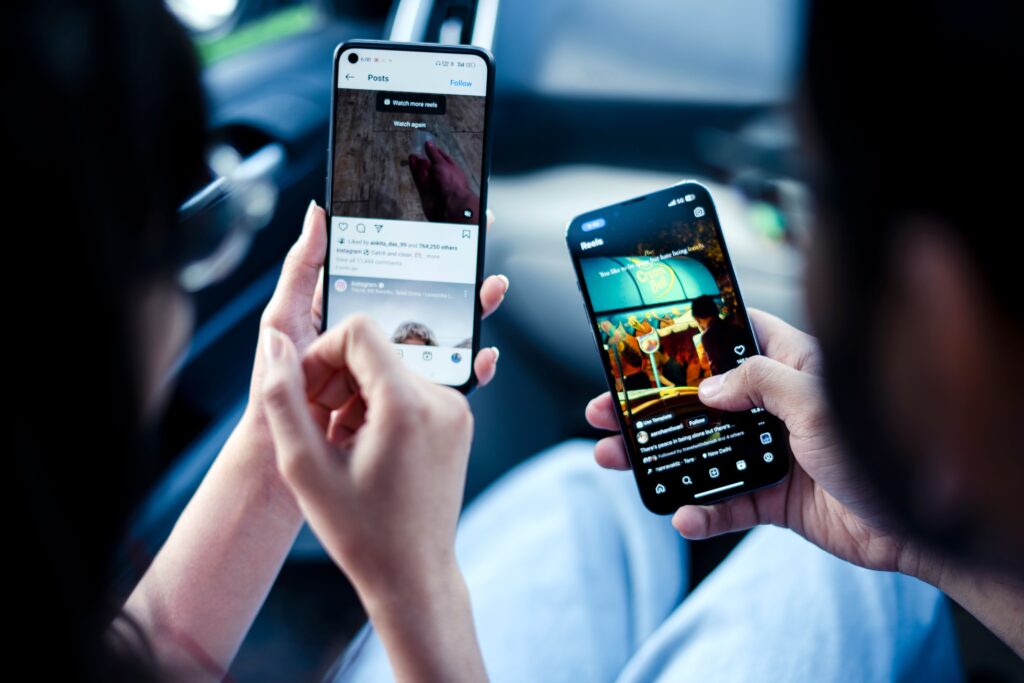
The Instagram Bio (150 Characters)
The Instagram bio has 150 characters. Every word must earn its place.
The incorrect Instagram bio: “✈️ Travel creator | 67 countries | UK-based | collab: hello@bggdworld.com | Linking trips below 👇”
The correct BGGD Instagram bio: “Unreal destinations. Honest guides. UK travel without the generic 🌍 Free destination guide → link below”
The difference: the first describes the creator. The second describes the reader’s experience of the account and gives the CTA that drives the email list.
The Media Kit Bio (3 sentences)
The media kit bio (the version sent to tourism boards and brand partners) is different from the site bio:
“BGGD World is a UK travel brand reaching [monthly pageviews] monthly readers and [Instagram followers] Instagram followers, primarily UK adults aged 25-44 with the disposable income and the motivation for independent long-haul travel. Our content covers the hidden gem destinations and the honest practical guides that the mainstream travel media underserves. Recent partnerships include [specific brand 1] and [specific brand 2]; coverage data available on request.”
Three sentences. The audience defined by the metric, the demographics, and the motivation. The niche stated. The credential named specifically.