
The route that gives Mauritius more than the beachside all-inclusive that the UK package market sells: two days in the north for the Chamarel Seven Coloured Earths (the volcanic mineral deposits giving the seven distinct colours visible on the dune surface in the Rivière Noire District, the specific Mauritius geology that the resort does not show) and the Black River Gorges National Park (the last remaining native forest on the island, the Pink Pigeon (Nesoenas mayeri) — the endemic Mauritius bird that went from 10 individuals in 1990 to 400+ through the conservation programme, the Mauritius kestrel (Falco punctatus) recovered from 4 individuals in 1974), two days in the east for the Île aux Cerfs (the turquoise lagoon, the water sports, the specific Mauritius beach day) and the Mahebourg Historical Museum (the museum covering the 1810 Battle of Grand Port, the only Napoleonic naval battle inscribed on the Arc de Triomphe — the specific Mauritius history that the French and the British fought over simultaneously), and three days in the west for the Chamarel waterfall and the rum distillery circuit and the specific Mauritius interior that the coastal resort visitor never reaches.
Reading time: 10 minutes | Last updated: 2026
Mauritius is 2,040 square kilometres in the Indian Ocean — 900km east of Madagascar, 9 hours from Heathrow on the Air Mauritius or British Airways direct. The island that Mark Twain described as “created first, then heaven — heaven being copied after Mauritius” is the specific Indian Ocean island where the resort beach and the colonial history and the volcanic interior exist within 45 minutes’ drive of each other and where the Mauritian Creole (the French-based Creole, the language that the island’s French colonial, African, Indian, and Chinese population produced) gives the culture the synthesis that the single-heritage island cannot.
Before You Leave
Getting there: Fly London Heathrow-Mauritius (MRU) direct — British Airways and Air Mauritius both operate the route, approximately 11.5 hours. UK citizens: visa-free 60 days.
The car: Essential. The Mauritius bus network covers the coastal towns; the interior, the Black River Gorges, and the rum distillery circuit require the hire car. Hire from the airport: £25-50/day.
The Route
Grand Baie / North (2 nights) → Mahebourg / East (2 nights) → Chamarel / West (3 nights)
DAYS 1-2 — The North
Day 1: The Black River Gorges and the Pink Pigeon
The Black River Gorges National Park:
The Black River Gorges (the 6,574-hectare protected area in the island’s southwest interior — the endemic Mauritius palm, the Mauritius flying fox (Pteropus niger), and the Pink Pigeon (Nesoenas mayeri) visible at the Black River Gorges Visitor Centre feeding station): free entry, the Pink Pigeon feeding at 9am.
The conservation context: the Pink Pigeon was at 10 individuals in the 1990 census. The Durrell Wildlife Conservation Trust and the Mauritian Wildlife Foundation programme brought the population to 400+ by 2018. The visitor who knows this fact sees the pigeon differently from the visitor who sees a pigeon on a feeder.
Day 2: The Seven Coloured Earths
The Chamarel Seven Coloured Earths:
The Chamarel (the village in the Rivière Noire District — the Seven Coloured Earths (Terres de Sept Couleurs) visible as the dunes in seven distinct colours (red, brown, violet, green, blue, purple, and yellow) from the viewpoint above the site):
The geological explanation: the volcanic ash from the Plaine Champagne volcanic activity cooled at different rates, producing different iron and aluminium oxide mineral compositions in adjacent areas, giving the distinct colours visible at the surface. The specific Mauritius geology at a scale that makes the process comprehensible.
Entry: MUR 450 / £7.50.
The Chamarel Waterfall (the 100-metre drop into the Black River Gorge visible from the viewpoint — the highest waterfall in Mauritius): adjacent to the Seven Coloured Earths, included in the entry.
DAYS 3-4 — The East and the History
Day 3: The Île aux Cerfs
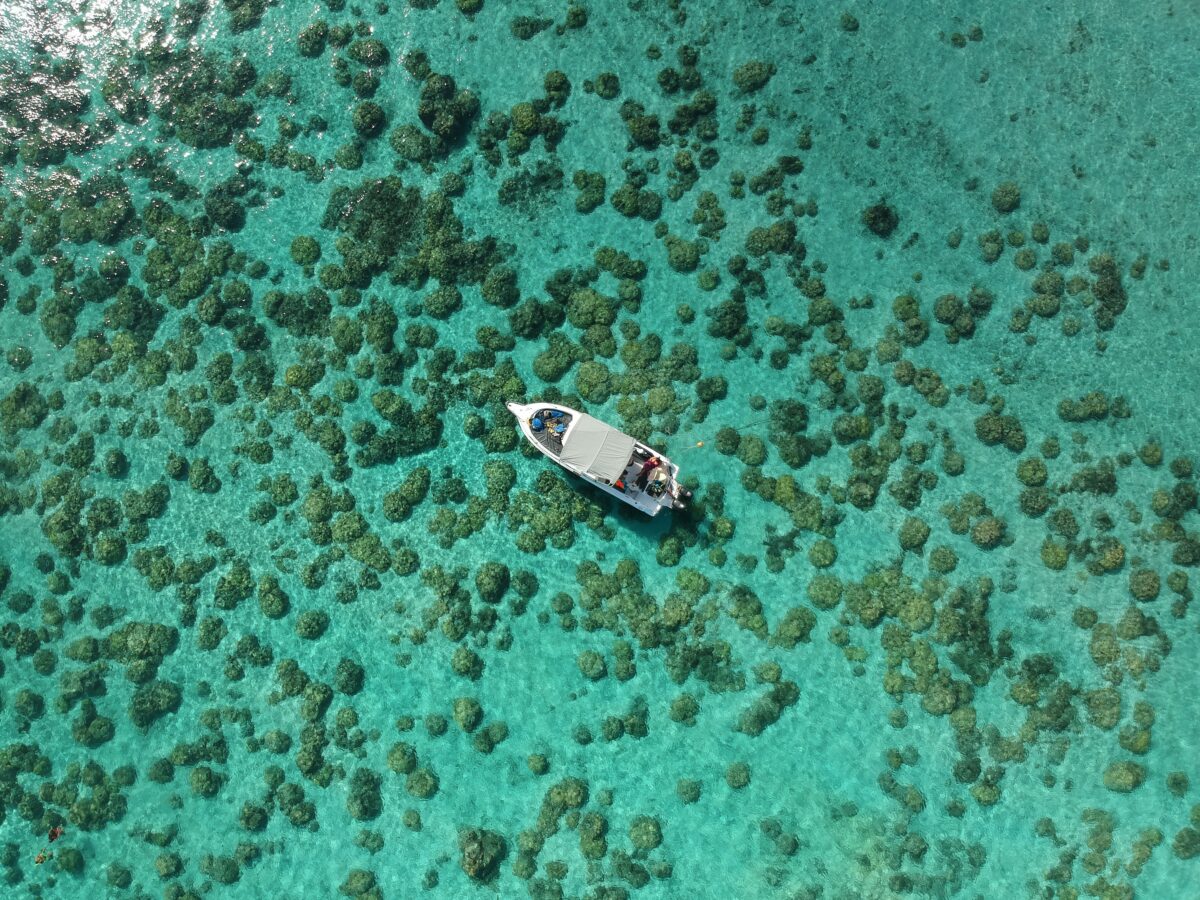
The Île aux Cerfs (the island lagoon in the southeast — the boat from Pointe d’Esny or Mahebourg Bay, the island beach (the white sand, the turquoise lagoon, the water sports — the parasailing, the glass-bottom boat, the underwater scooter visible from the beach)):
The lagoon snorkel (the coral garden visible from the glass-bottom boat at 3-5 metres — the clownfish (Amphiprion ocellaris) visible in the anemone, the Mauritian sea turtle visible at the sandbar edge at the early morning boat):
Boat from Mahebourg: MUR 500-800 / £8.33-13.33 per person return.
Day 4: The Mahebourg Historical Museum
The Battle of Grand Port context:
The Mahebourg Historical Museum (the museum covering the 1810 Battle of Grand Port — the only Napoleonic naval battle that appears on the Arc de Triomphe, the French naval victory over the British in the Grand Port lagoon that did not prevent the British capture of the island 3 months later):
The specific Mauritius historical argument: the island changed hands between the French and the British six times before 1810. The French colonial period left the language (the French is still an administrative language alongside English and Creole), the cuisine (the rougaille, the vindaye, the dholl puri — the Mauritian food is the Creole synthesis of French, Indian, African, and Chinese culinary traditions), and the street names. The British colonial period left the English legal system and the English as the official language. Both remain simultaneously visible.
Entry: free.
DAYS 5-7 — The West and the Rum
The Rum Distillery Circuit:
The St. Aubin Rum Distillery:
The St. Aubin (the estate in the Savanne District — the sugar cane visible in the estate fields (Mauritius was the world’s leading sugar producer from 1825-1870), the rum distillery in the estate building, the rhum arrangé (the spiced rum with the Mauritius tropical fruits — the vanilla, the pineapple, the ginger)):
The distillery tour: MUR 300 / £5.00. The rhum arrangé tasting: MUR 150 / £2.50 per glass.
The Rhumerie de Chamarel:
The Rhumerie de Chamarel (the single-estate rum distillery using only the fresh sugar cane juice rather than the molasses — the specific rhum agricole production method (the same as the French Caribbean rhum agricole that distinguishes itself from the molasses rum)), the distillery at 300 metres altitude giving the specific terroir (the altitude, the volcanic soil, the micro-climate):
The 6-rum tasting flight: MUR 600 / £10.00.
The Mauritius Food Circuit:
The dholl puri (the yellow split pea flatbread filled with the rougaille (the tomato and the thyme sauce), the carri (the Mauritian curry), and the achard (the pickled vegetable) — the specific Mauritius street food, the synthesis of the Indian flatbread tradition and the Creole filling, sold from the roadside carts for MUR 30-50 / £0.50-0.83):
The gato pima (the chilli cake — the split pea and chilli fritter, the Mauritius market snack): MUR 5-10 / £0.08-0.17 each.
What It Costs
| Category | Budget | Mid-Range |
|---|---|---|
| Return flights (UK-Mauritius) | £500-850 | £700-1,100 |
| 7 nights accommodation | £70-210 | £280-840 |
| Car hire (5 days) | £125-250 | £175-350 |
| Food (7 days) | £30-80 | £80-200 |
| Activities and entries | £40-100 | £80-200 |
| Total | £765-1,490 | £1,315-2,690 |