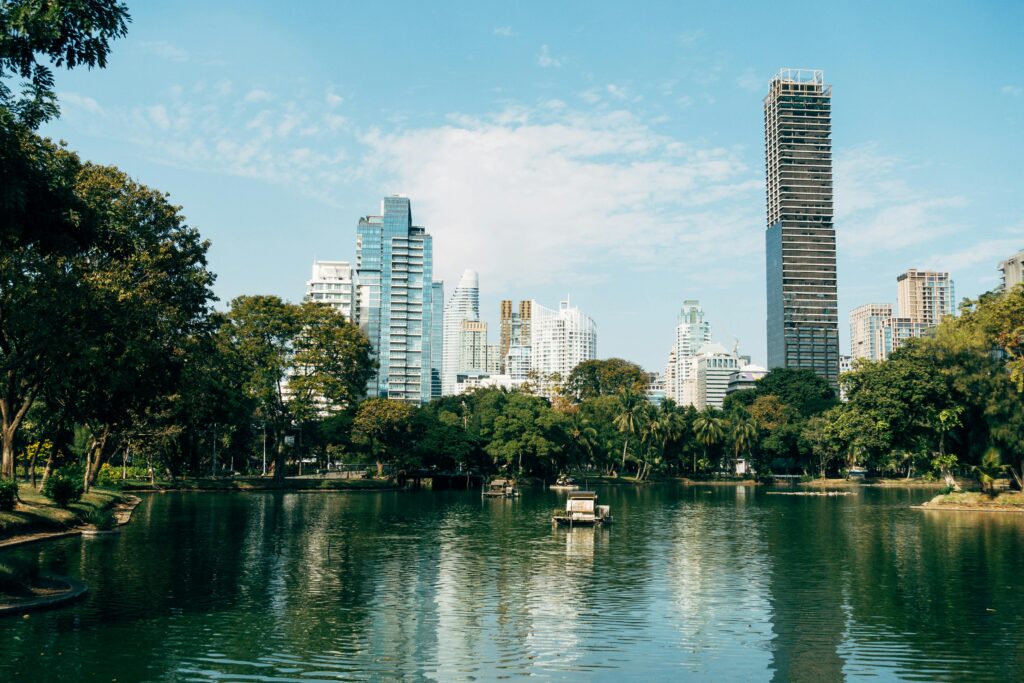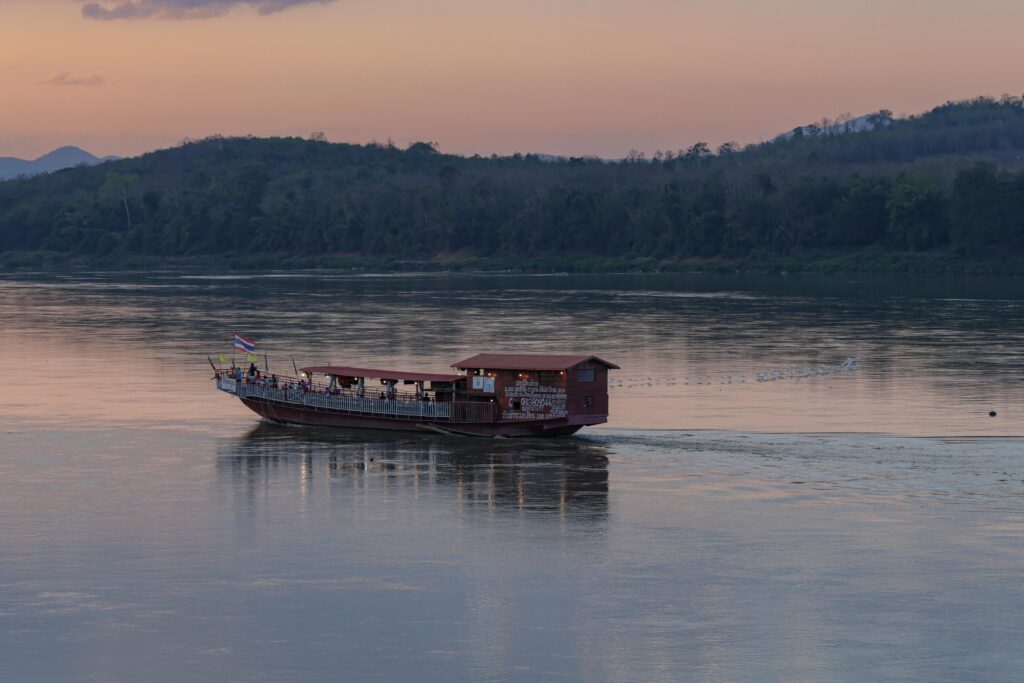

The Narikala Fortress above the city at sunrise, the sulphur baths of Abanotubani that have been operating since at least the 5th century, the wine bar on the Shardeni Street that pours natural wines from the qvevri method that Georgia invented 8,000 years ago, the Dry Bridge flea market on Sunday morning, the polyphonic choir at the Anchiskhati Basilica, and the 48 hours that make Tbilisi the most surprising European capital most people have never seriously considered visiting.
Reading time: 8 minutes | Last updated: 2026
Tbilisi has been drawing comparisons to Lisbon and Sarajevo from every travel writer who visits it — an old city, a layered civilisational history, excellent wine, a specific beauty that comes from decades of deliberate non-development, and a food culture that deserves international attention.
The comparison to Lisbon is architectural: the wrought-iron balconies, the painted facades, the hillside districts. The comparison to Sarajevo is geopolitical: a small country between large ones, the history of invasions and rebuilding readable in every neighbourhood. But Tbilisi is specifically Georgian — the script (the Georgian alphabet, one of the world’s most beautiful, unchanged since the 5th century CE), the cuisine (the khinkali, the khachapuri, the specific logic of a food culture built around the supra — the feast table that is the social institution of Georgian life), and the wine (the qvevri clay-vessel method, UNESCO-recognised as the oldest winemaking tradition in the world).
Hour-by-Hour
Day 1
6:30am — Narikala Fortress at Sunrise
The Narikala Fortress — a 4th-century CE fortification above the old city, the walls visible from everywhere in Tbilisi — is accessible by the Rike Park cable car (from the riverbank, 2 GEL / £0.53 each way) or by a 20-minute walk from the Abanotubani (sulphur bath) district.
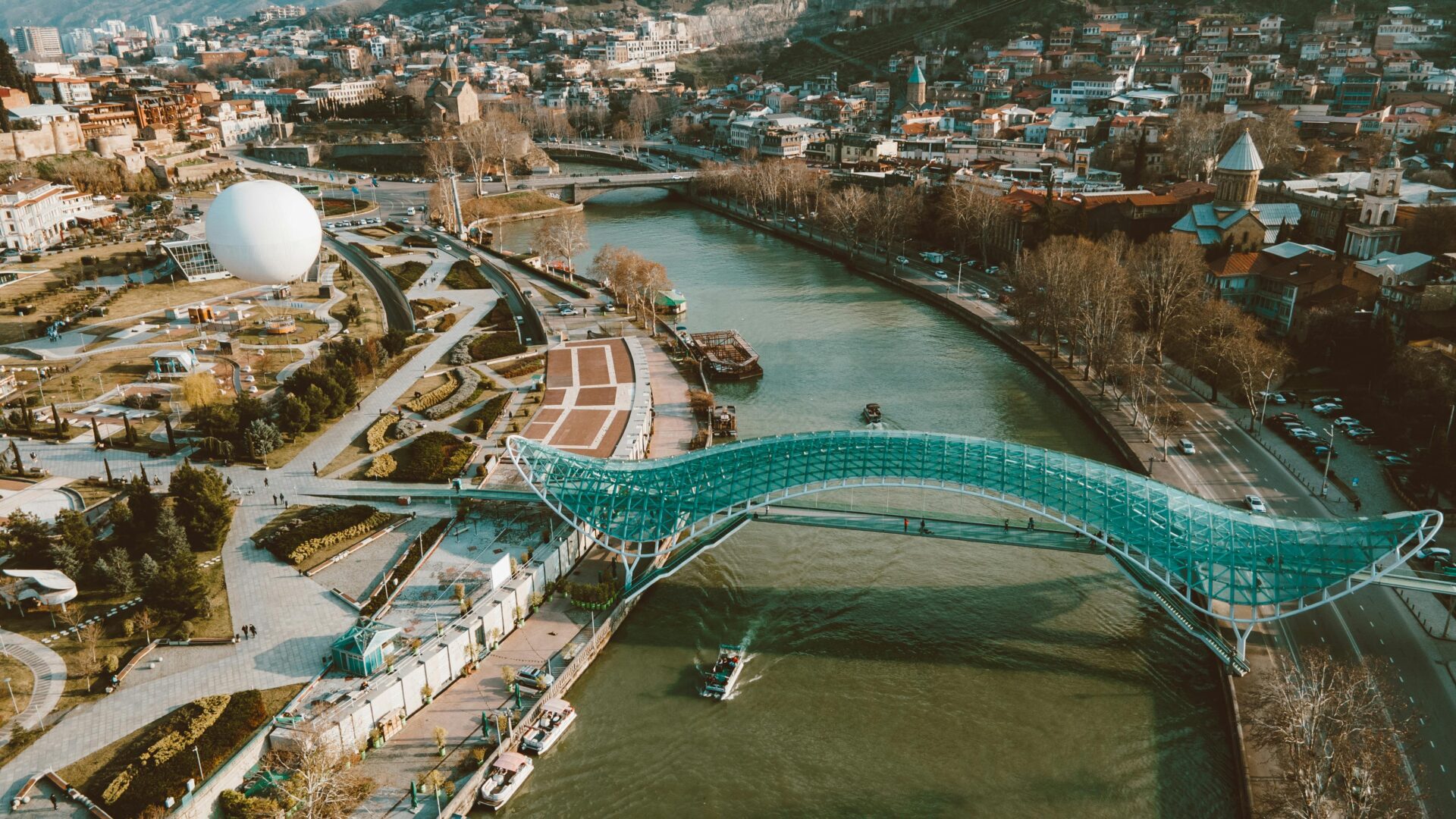
At 6:30am: the fortress largely empty, the city below waking. The view: the Mtkvari River winding through the city, the old city district (the Kala quarter) directly below, the modern Rike Park on the opposite bank (the Peace Bridge — the Italian-designed glass and steel pedestrian bridge, the most polarising piece of architecture in Tbilisi — visible), and the Caucasus mountains on the horizon on clear mornings.
Free access to the fortress walls. The Church of St. Nicholas within the fortress compound: one of the oldest churches in Tbilisi, the frescoes partially preserved.
8:30am — Breakfast: Shotis Puri and Matsoni
The shotis puri (shoti bread) — Georgian bread baked in a tone oven (a clay oven set into the floor, the baker pressing the dough against the interior wall to bake), the long oval shape, the slightly charred bottom crust. From any bakery in the Kala district from 7am: 1.50 GEL / £0.40 per loaf.
Matsoni — the Georgian fermented milk (thicker than yoghurt, more sour, the fermentation culture maintained continuously in Georgian households for generations): available at the Dezerter Bazaar (the central market). With honey from the market stalls (the Georgian mountain honey, the specific floral character of the Caucasus meadow plants): 3-5 GEL / £0.80-1.33 per jar.
10:00am — Abanotubani — The Sulphur Baths
The sulphur bath district — the domed brick buildings in the Abanotubani (bath district) neighbourhood, the natural sulphur springs below the old city supplying the bathhouses since at least the 5th century CE (the springs are the reason the city was founded here — the Georgian name Tbilisi derives from the Old Georgian word for warm).
The baths: the private rooms (available at most bathhouses) provide a large pool of sulphur water (34-38°C), a scrub service (the kisi — the traditional Georgian bath scrub with a rough glove), and soap massage. Cost: 10-20 GEL / £2.66-5.33/hour for a private room (2-4 people share), plus tip for the scrub service (5-10 GEL / £1.33-2.66).
The Chreli-Abano and the Gulo’s Thermal Spa: the most atmospheric of the traditional bathhouses. Book 30 minutes before for a private room; no booking required for the public sections.
The specific quality: the sulphur water is genuinely therapeutic (the mineral content high, the temperature consistent, the specific effect on the skin tangible after 45 minutes). The bath experience in the original building — the domed ceiling, the natural light from the central oculus, the sulphur smell that is more subtle than expected — is unlike any other European bath tradition.
1:00pm — Lunch: Tamada Wine Bar or Barbarestan
Tamada Wine Bar (Shardeni Street): the natural wine programme — the Rkatsiteli (Georgia’s most planted white grape variety, grown and fermented in qvevri clay vessels, the amber wine tradition that gives Georgian white wine its distinctive tannin structure and orange colour) and the Saperavi (the deep dark red grape, producing wines of extraordinary colour intensity and aging potential). The wine bar serves adjarian khachapuri (the boat-shaped bread filled with melted cheese, butter, and a raw egg — the egg stirred in at the table) alongside the wine. 30-50 GEL / £7.98-13.30 per person.
Barbarestan (Aghmashenebeli Avenue): the most critically acclaimed Georgian restaurant in Tbilisi, the menu based on a 19th-century Georgian cookbook, the dishes reconstructed from recipes that most Georgian restaurants have dropped from their menus. Book ahead. 60-100 GEL / £15.96-26.59 per person.
3:00pm — The Dry Bridge Flea Market (if Sunday)
On the Dry Bridge spanning the Mtkvari River — the Tbilisi flea market operating every day but at its fullest on Sunday mornings and afternoons. The Soviet-era objects (the cameras, the medals, the propaganda posters, the samovars), the Georgian silver jewellery, the old maps and books, and the general archaeology of the 20th century in a country that experienced every political transformation of that century.
The market has been operating continuously since the Soviet collapse in 1991. The vendors include both professional dealers and private individuals selling family possessions. The specific Dry Bridge quality: genuine objects at genuine prices rather than the manufactured “antique market” experience of Western European flea markets.
5:00pm — Shardeni Street and the Old Town
Shardeni Street — the pedestrian street running through the Kala quarter, the wine bars, the restaurants, the jewellery shops. At 5pm the street begins its evening mode: the outdoor tables filling, the Georgian polyphonic singing audible from one of the cultural venues, the smell of grilling meat from the restaurants on the cross streets.
The Anchiskhati Basilica (the oldest surviving church in Tbilisi, 6th century CE): two blocks from Shardeni, free entry. On Thursday and Sunday evenings: the Anchiskhati choir performs Georgian polyphonic singing — the specific harmonic tradition recognised by UNESCO as Intangible Heritage. The choir sings at evening services from approximately 6pm; non-worshippers may listen respectfully from the back.
8:00pm — The Supra
The Georgian feast table — the supra is organised around the tamada (the toastmaster), who leads the table through a series of toasts covering guests, parents, absent friends, Georgia, peace, and love, each toast requiring the consumption of wine. The supra is a social institution: the food (the pkhali, the satsivi, the lobiani, the mtsvadi, the churchkhela, the walnut-paste preparations that characterise the Georgian table) is abundant and specific.
The restaurant supra (available at Shavi Lomi, at Tsiskvili, or at any traditional Georgian restaurant outside the tourist circuit): the food arrives communally, the table covered with small plates. 40-60 GEL / £10.64-15.96 per person before wine.
Day 2
9:00am — Mtskheta (30 minutes from Tbilisi)
The ancient capital of Georgia — a UNESCO World Heritage city 20km northwest of Tbilisi, accessible by marshrutka (minibus, 1 GEL / £0.27) from the Didube bus station. The Svetitskhoveli Cathedral (the “Living Pillar Cathedral” — 11th century CE, the second-largest cathedral in Georgia, the robe of Christ traditionally believed to be buried beneath the central pillar): the finest medieval cathedral in Georgia, the frescoes covering the interior walls in an 11th-14th century programme. Entry: free.
The Jvari Monastery (above Mtskheta on the confluence ridge — the monastery visible from the cathedral below, the walk uphill 30 minutes or taxi 5 GEL / £1.33): the 6th-century CE monastery at the point where the Aragvi and Mtkvari rivers meet, the view the reason Lermontov wrote “Mtsyri” about this specific confluence. Free entry.
12:00pm — Return to Tbilisi: Narikala Descent
Return to Tbilisi. The Narikala descent on foot through the botanical garden (the Tbilisi Botanical Garden, established 1845, 128 hectares of the Tsavkisi River gorge below the fortress walls — free entry from the fortress, or 3 GEL / £0.80 from the Botanical Garden entrance at the gorge bottom). The descent: 40 minutes through the garden, the waterfall visible in the gorge.
2:00pm — Wine Shopping at the Wine Factory
The Tbilisi Wine Factory (GWS — Georgian Wine Shop, multiple locations) for the take-home wine: the natural qvevri wines, the skin-contact whites, the Saperavi reds. The wines cost 15-40 GEL / £3.99-10.64/bottle in Tbilisi; the same wines cost £18-45 if available in the UK (many are not exported). The airport wine shop has the same selection at duty-free prices.
4:00pm — Departure
Essentials
Getting there: Tbilisi International Airport (TBS). Wizz Air from London Gatwick direct (4.5 hours). Georgian Airways via Kyiv (currently restricted). Turkish Airlines via Istanbul (6.5 hours total). Return from UK: £150-350.
Currency: Georgian Lari (GEL). £1 ≈ 3.76 GEL. ATMs throughout Tbilisi. Cards accepted at hotels and most restaurants; cash for markets, marshrutkas, and the baths.
Language: Georgian (the script unintelligible without study). Russian is widely spoken by the over-40 population. English is spoken by the under-35 professional class. “Gamarjoba” (hello), “Madloba” (thank you), “Gaumarjos” (cheers, at the supra).
Visa: Georgia operates a visa-free policy for UK citizens for stays up to 365 days. No pre-arrival paperwork required.