



When you should. When you shouldn’t. When not tipping is actually the correct cultural response.
The Geography of Tipping
Tipping culture divides the world into three zones:
Zone 1 — Expected: The United States (where wages are structured around tips), parts of the Caribbean, and tourist-facing industries worldwide. In the US: 18-22% at restaurants is the current standard; 15% is considered low; 10% communicates active dissatisfaction.
Zone 2 — Appreciated but not expected: Western Europe, most of Latin America, most of the Middle East, most of East Africa. The service charge may be included in the bill (check — “service compris” or “servizio incluso” indicates inclusion). Without service charge: rounding up or leaving 10% is appropriate.
Zone 3 — Not expected and sometimes culturally awkward: Japan (where tipping can be considered insulting — the service is considered part of the professional obligation, not a transaction that requires additional reward), China, South Korea, Singapore, and parts of Southeast Asia.
Country by Country
Thailand: 20-40 THB / £0.44-0.88 per meal at local restaurants (rounding up is sufficient). Hotel porters: 20-40 THB per bag. Massage: 50-100 THB / £1.10-2.21 per hour (the tip is the significant part of the massage worker’s income — tip appropriately).
Japan: Do not tip. It is genuinely awkward and can be refused. The service in Japan is considered intrinsically complete — adding a tip implies the service was insufficient and supplementation was required. Exceptions: some high-end ryokan have introduced a tip-envelope system for foreign guests — follow the ryokan’s own guidance.
Vietnam: 20,000-50,000 VND / £0.63-1.57 at sit-down restaurants. Tour guides: USD 3-5 / £2.36-3.94 per day. Drivers: USD 2-3 / £1.58-2.36 per day.
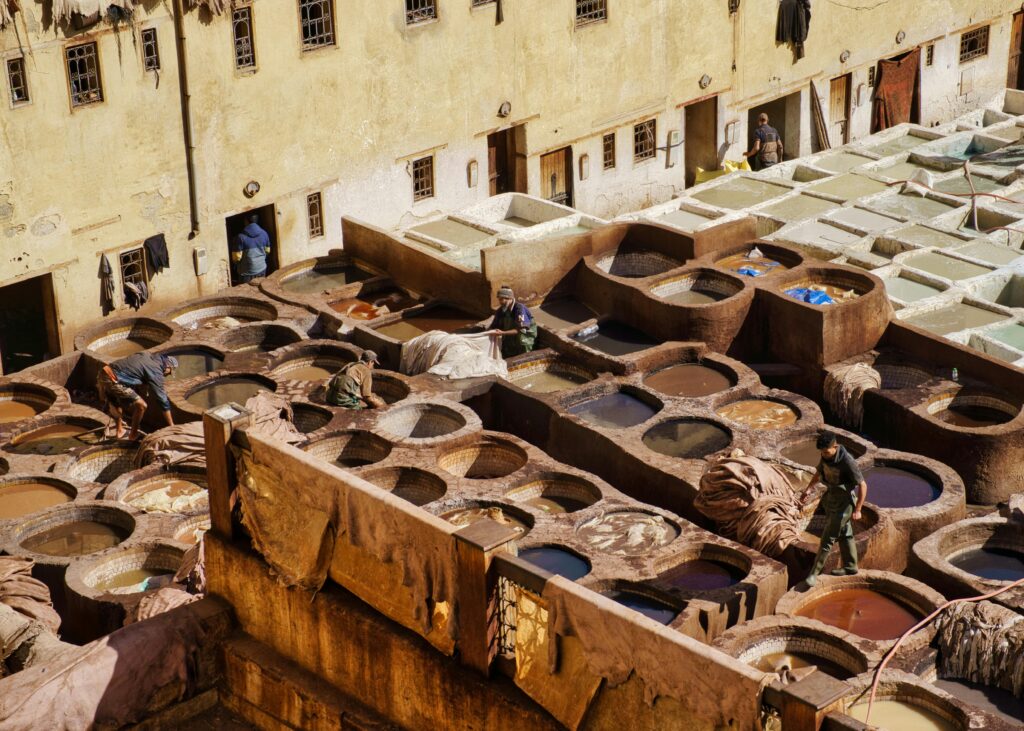
Morocco: 10-20 MAD / £0.80-1.60 at restaurants without service charge. Hammam attendant (for the kisi scrub): 20-30 MAD / £1.60-2.40. The souk guide (the official licensed guide): 10% of the tour price.
Egypt: OMR — no, Egypt uses EGP. EGP 20-50 / £0.14-0.35 at local restaurants. Tour guides at sites: EGP 50-100 / £0.35-0.70 per site. The bakshish (the tipping culture that pervades tourist interactions in Egypt) — have EGP 5-20 notes available for anyone who unlocks a door, switches on a light, or provides a photo opportunity. The refusal to give bakshish is acceptable; the payment of bakshish makes subsequent visitors’ experience slightly more expensive.
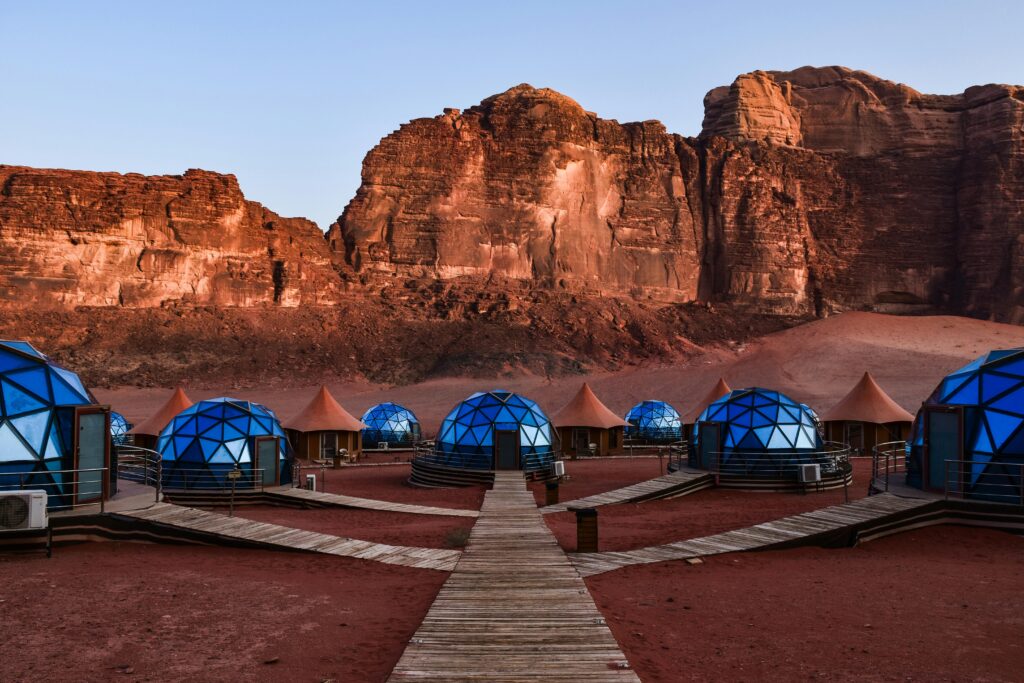
Jordan: 10-15% at restaurants (the service charge is rarely included). Hotel staff: JD 1-2 / £1.06-2.13 per service. Wadi Rum camp guide: JD 3-5 / £3.19-5.32 per day.
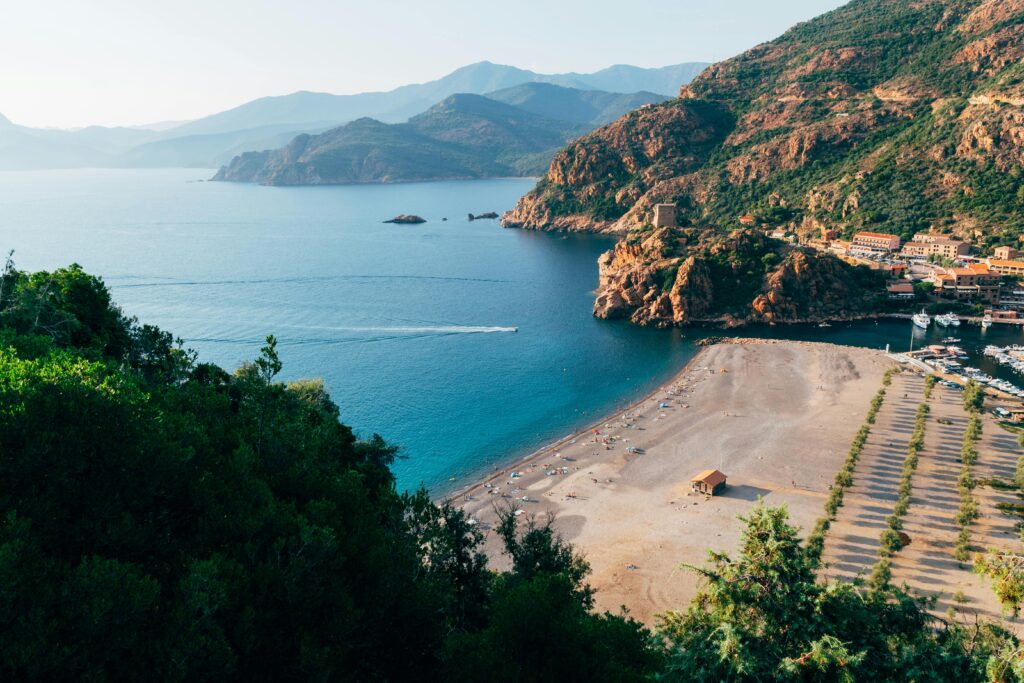
Italy: The coperto (the cover charge, €1.50-3 per person, included in the bill) covers bread and table service. Tipping beyond the coperto is not expected at standard restaurants — rounding up is appreciated. At high-end restaurants: 5-10% is appropriate.
Georgia: 10-15% at restaurants in Tbilisi (tipping culture is developing in the tourist-facing sector). Local marshrutka drivers: no tip expected.
Colombia: 10% at most restaurants (the “propina” is sometimes added automatically — check the bill). Street food: no tip required. Tour guides: $5-10 / £3.94-7.88 per day.
Nepal: Restaurant: 10-15% (service charge sometimes included). Trek guide: $10-15 / £7.88-11.82 per day (the most significant tipping context in Nepal — the guide’s income is substantially tip-dependent on tourist trekking routes). Porter: $5-8 / £3.94-6.30 per day.
Ethiopia: 10-15% at tourist-facing restaurants in Addis Ababa. Guides at historical sites: ETB 100-200 / £0.72-1.44. The coffee ceremony host (if in a private home): small gift rather than cash is more culturally appropriate.