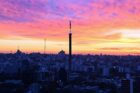
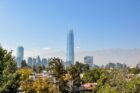
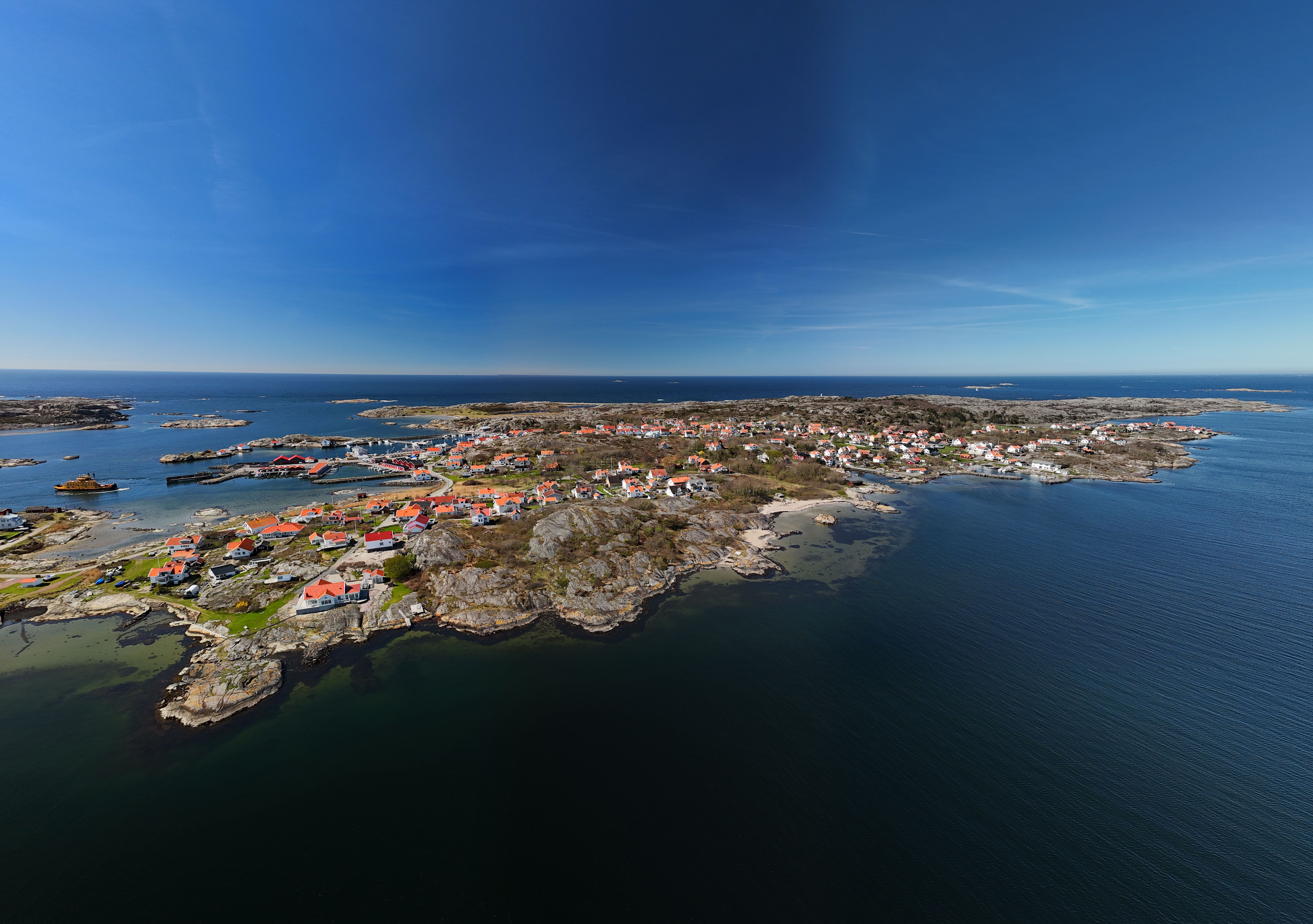


The Waiheke Island ferry at 8am when the Hauraki Gulf is flat and the vineyards of the island are 35 minutes from the Sky Tower and constitute the finest wine country accessible from any city centre in the world, the One Tree Hill at dawn when the volcanic cone gives the Auckland isthmus in its full geography — the Waitemata Harbour to the north, the Manukau Harbour to the south, the 53 extinct volcanoes visible as bumps on the urban landscape — and why Auckland — the city that most visitors treat as the overnight before the South Island flight — contains 48 hours of its own specific quality that the flight south eliminates.
Reading time: 9 minutes | Last updated: 2026
Auckland sits on an isthmus 2km wide at its narrowest point between the Waitemata Harbour (the Pacific Ocean side) and the Manukau Harbour (the Tasman Sea side). The city of 1.7 million is built on 53 extinct volcanic cones — the landscape that gives Auckland its specific topography of sudden hills rising from the flat residential grid.
It is the largest Polynesian city in the world. The Māori name, Tāmaki Makaurau, means “the place desired by many” — the fertile volcanic soils, the two harbours, the abundance of food. The Auckland experience that most visitors miss is the Polynesian Auckland: the Pasifika culture visible in South Auckland, the Māori language signage throughout the city, and the Te Papa Tongarewa equivalent at the Auckland War Memorial Museum.
The 48 Hours
DAY ONE
6:00am — The Waitemata Harbour Walk
The Viaduct Harbour (the America’s Cup racing base, the waterfront precinct): at 6am, the harbour before the office commuters and the weekend brunchers arrive. The superyachts in the Viaduct Basin, the fishing boats returning from the overnight trip, the specific Auckland dawn — the harbour flat in the early morning, the North Shore suburbs visible across the water, the Rangitoto Island (the youngest and largest of Auckland’s volcanoes, emerging from the harbour 600 years ago in a series of eruptions) giving the harbour its most specific skyline element.
The walk from the Viaduct east to the Ferry Building (the 1912 Edwardian baroque ferry terminal, the most photographed building on the Auckland waterfront): 20 minutes along the waterfront promenade, the Sky Tower visible above the city behind.
8:00am — Breakfast: the CBD
The café culture Auckland has developed since the flat white was claimed (both Melbourne and Auckland claim the flat white’s invention — the argument is good-natured and ongoing): the Best Ugly Bagels (the bagel shop in the St. Kevin’s Arcade on Karangahape Road, 10 minutes from the Viaduct — the most specific Auckland breakfast option for the visitor interested in the city’s food culture rather than the hotel buffet), or the Ortolana (the Federal Street restaurant, the European market-style breakfast, the eggs and the good bread and the strong coffee).
9:30am — The Auckland War Memorial Museum
The Auckland War Memorial Museum (the Domain — the 1929 neoclassical building at the centre of the Auckland Domain, the finest museum in New Zealand and the correct starting point for understanding the Māori and Pacific world that Auckland is embedded in):
The Maori Court (Te Ao Mārama): The carved meeting house (wharenui — the Hotunui meeting house, carved in 1878 and the finest intact 19th-century carved meeting house in any museum), the waka taua (the war canoe — the 25-metre Te Māori paddle-powered canoe, the largest example in any museum), and the pāua (abalone shell) inlaid in the carved figures: the most visually extraordinary single room in any New Zealand museum.
The natural history halls: The tuatara (the reptile that has existed unchanged for 220 million years, the living relic of the Triassic — the Auckland Museum has live tuatara in the natural history section, the closest thing to encountering a dinosaur), and the volcanic geology of the Auckland region (the 53 volcanoes visualised in the exhibition, the map giving the isthmus its specific threat comprehensible — the city is built on a live volcanic field, the next eruption possible at any of the 53 sites).
Entry: NZ$30 / £14.56 for international visitors (includes the cultural performance at 11am — the haka demonstration in the museum’s ceremonial space, the context provided by the museum staff).
1:00pm — Lunch: the Ponsonby Road
The Ponsonby Road (the inner-city strip northwest of the CBD — the restaurant-dense street that has been Auckland’s dining destination since the 1990s, the specific Auckland mix of New Zealand produce and Pacific and Asian influence visible in the menus):
The Ima Cuisine (Ponsonby Road 53 — the Middle Eastern New Zealand fusion, the shakshuka with the New Zealand free-range eggs, the hummus with the dukkah from the local producer): NZ$20-35 / £9.71-17.00 per main.
The Ponsonby Food Court (the food court in the Ponsonby Central complex — the New Zealand lamb banh mi, the Japanese ramen with the local seafood, the specific Auckland multicultural food at food court prices): NZ$12-18 / £5.83-8.74.
3:00pm — The Waiheke Island Ferry
The Fullers ferry from the Auckland Ferry Building to Oneroa on Waiheke Island: 35 minutes, NZ$38 / £18.45 return. Ferries depart every 30 minutes in peak season.
Waiheke Island (22km from the Auckland CBD, 92 square kilometres, 9,000 permanent residents, 30+ wineries): the wine country closest to any major city in the world. The island’s microclimate (the Hauraki Gulf position giving warm dry conditions that the Auckland CBD doesn’t experience) produces the Bordeaux-style reds and the Chardonnay that have made Waiheke’s wine internationally recognised.
The Mudbrick Vineyard (Church Bay Road — the most architecturally considered winery on Waiheke, the terraced gardens, the Mediterranean-style building, the view over the Hauraki Gulf from the restaurant terrace): the wine tasting (NZ$25-35 / £12.14-17.00 for a flight of 4 wines), the glass of the estate Cabernet Merlot at the terrace table.
The Oneroa beach (the main beach, 15 minutes walk from the ferry terminal — the specific Waiheke beach afternoon, the Gulf visible, the Auckland skyline visible 22km to the northwest): the 4pm swim before the return ferry.
Return to Auckland by 6pm.
8:00pm — Dinner: the CBD and the Sky Tower
The Sky Tower (the 328-metre communications tower, the tallest freestanding structure in the Southern Hemisphere): the observation deck at sunset (NZ$35 / £17.00 for the deck, NZ$55 / £26.70 for the Sky Deck at the top): the Auckland isthmus in the evening light, the two harbours visible, the 53 volcanic cones visible as the bumps in the urban landscape.
Dinner at the Depot (86 Federal Street — Al Brown’s oyster bar and restaurant, the New Zealand seafood at its most straightforward: the Bluff oysters when in season, the fish and chips with the specific New Zealand fish, the clam chowder): NZ$50-80 / £24.27-38.83 per person.
DAY TWO
6:30am — One Tree Hill (Maungakiekie)
The One Tree Hill volcanic cone (the Cornwall Park — the 182-metre volcano accessible from the Manukau Road entrance, the 20-minute walk to the summit): at 6:30am, the Auckland isthmus in the dawn light. The Waitemata Harbour to the north, the Manukau Harbour to the south, the city between the two waters.
The obelisk at the summit (the monument to the Māori people of New Zealand, erected by John Logan Campbell in 1906): the inscription in Māori and English, the grave of Logan Campbell below, and the view that gives Auckland its most specific geographic moment — the city on the isthmus, water on both sides, the volcanoes visible throughout.
Free access. The Cornwall Park sheep grazing around the base of the cone (the working farm maintained within the park): the most specifically New Zealand pastoral image available 10 minutes from the city centre.
9:00am — Karangahape Road
The Karangahape Road (K Road — the inner-city street that has been Auckland’s most culturally complex address since the 19th century: the Polynesian community, the art galleries, the vintage shops, the LGBTQ+ venue strip, and the specific Auckland night culture that has been here since before the Viaduct gentrification changed the harbour):
The Te Ara Tahuhu Walking Trail (the Māori cultural trail that runs through the K Road area, the pou — carved posts — marking significant sites along the route): the most accessible introduction to the Māori cultural geography of central Auckland, free.
The Avondale Sunday Market (if visiting on Sunday — 40 minutes from K Road by taxi, the New Zealand’s largest outdoor market, the Pacific Island produce (the taro, the bok choy, the pacific herbs), the affordable breakfast at the Asian food stalls, the New Zealand honey and the manuka products at the producer prices): NZ$5-15 / £2.43-7.28 for a full market breakfast.
12:00pm — The New Zealand Maritime Museum
The New Zealand Maritime Museum (Hobson Wharf, Viaduct — the museum covering New Zealand’s seafaring history from the Polynesian voyaging canoes to the America’s Cup campaigns): the Polynesian voyaging gallery (the waka hourua — the double-hulled voyaging canoe, the navigation methods — the star paths, the swell patterns, the bird behaviour — that the Polynesian navigators used to find New Zealand from the Pacific without instruments) is the specific museum experience worth the entry.
Entry: NZ$20 / £9.71.
2:00pm — Devonport Day Trip
The Devonport ferry from the Ferry Building (NZ$13 / £6.31 return, 12 minutes — the ferry used daily by the Devonport residents commuting to the CBD): the Victorian seaside suburb on the North Shore, the volcanic cones of Mt. Victoria and North Head (both accessible by foot from the Devonport village, the views back across the harbour to Auckland), and the heritage commercial street (the village with the antique shops, the bookshop, the afternoon tea at the Calliope Road Café).
The North Head (the historic defence battery on the headland — the tunnels, the gun emplacements, the view of the Waitemata Harbour entrance): free access.
6:00pm — Final Evening
Return to Auckland by ferry. The Viaduct Harbour evening (the waterfront restaurants and bars at the Viaduct, the outdoor tables, the harbour view): the Federal Delicatessen (86 Federal Street — New York-style deli, the pastrami, the cheesecake, the specifically un-New Zealand aesthetic that makes it the correct Auckland last meal irony): NZ$30-50 / £14.56-24.27 per person.
The Essentials
Getting to Auckland: Air New Zealand direct from Heathrow (24 hours including the Los Angeles stopover). Cathay Pacific via Hong Kong. Singapore Airlines via Singapore. Return: £700-1,200.
Getting around: The AT HOP card (the Auckland transit card, covering the bus, the train, and the ferry network: NZ$10 / £4.86 card fee, top up at any AT station). Uber for the Waiheke ferry terminal transfer.
Where to stay: The Hotel DeBrett (corner of High and Shortland, the heritage hotel: NZ$200-350 / £97.09-169.90/night), the QT Auckland (corner of Customs Street, NZ$180-300 / £87.38-145.63/night), the Jucy Snooze (the budget pod hotel near the Ferry Building: from NZ$60-90 / £29.13-43.69/night).
The Closing Moment
I was on the Waiheke ferry at 8:47am. The Gulf was flat — the specific Hauraki Gulf calm of the weekday morning before the afternoon southerly builds. Rangitoto was visible to the east as the ferry cleared the Waitemata.
A man in a suit was reading the NZ Herald on his phone. He was going to a meeting. The ferry was his bus.
Auckland is a city that treats the islands in its harbour as commuter destinations. The ferry to Waiheke is the infrastructure that connects the wine country to the office. That specific compression — the 35-minute ferry between the vineyard terrace and the Sky Tower — is the Auckland thing that no other city offers.
I arrived in Oneroa at 9:22am. The Mudbrick hadn’t opened yet. I walked to the beach and waited.