
The route that makes the case for Ecuador as the most varied small country on Earth: one day in Quito for the best-preserved colonial centre in South America and the specific moment of standing at the Mitad del Mundo monument with one foot in each hemisphere, three days driving the Avenue of the Volcanoes (the Pan-American Highway corridor between two rows of Andean volcanoes, the Cotopaxi at 5,897 metres the highest active volcano in the world, the Quilotoa crater lake the most specific Ecuadorian landscape visible), and three days in the Galápagos on the Santa Cruz circuit for the giant tortoise in the highland farm and the marine iguana on the lava beach and the blue-footed booby doing the courtship dance six feet from your boots.
Reading time: 11 minutes | Last updated: 2026
Ecuador covers 283,560 square kilometres and contains four distinct worlds: the Sierra (the Andean highlands), the Costa (the Pacific coast), the Oriente (the Amazon basin), and the Insular (the Galápagos). The seven-day circuit covers the Sierra and the Galápagos — the two most specifically Ecuadorian experiences available to the visitor with limited time.
The Galápagos Islands (the archipelago 1,000km off the Pacific coast of Ecuador — the Darwin inspiration, the unique wildlife visible at arm’s length) are the most expensive addition to the Ecuador circuit but the one that justifies the flight from the UK on its own.
Before You Leave
The Galápagos entry fee: USD 200 / £157.48 per person (the Galápagos National Park fee, payable at Baltra or San Cristóbal Airport). This is separate from the flight cost and from any tour operator cost.
The altitude: Quito sits at 2,850 metres — the altitude adjustment is necessary. Day 1 in Quito: the slow pace, the coca tea, the water. The Cotopaxi visit (the base camp at 4,800 metres) requires the specific altitude preparation — go on Day 3 or 4, not Day 1.
The Galápagos tours: The islands are visited by licensed boats (the day-tour catamaran from Santa Cruz or the multi-day liveaboard). The day tours give the nearest islands; the liveaboard gives the remote islands with the more specific wildlife. A 3-day liveaboard from Santa Cruz: USD 800-1,500 / £629.92-1,181.10 per person all-inclusive.
The Route
Quito (1 night) → Avenue of the Volcanoes circuit (2 nights, Latacunga or Baños base) → fly Quito-Baltra (Galápagos, 3 nights, Santa Cruz base) → fly back to Quito, connect home
The 7 Days
DAY 1 — Quito
The historic centre:
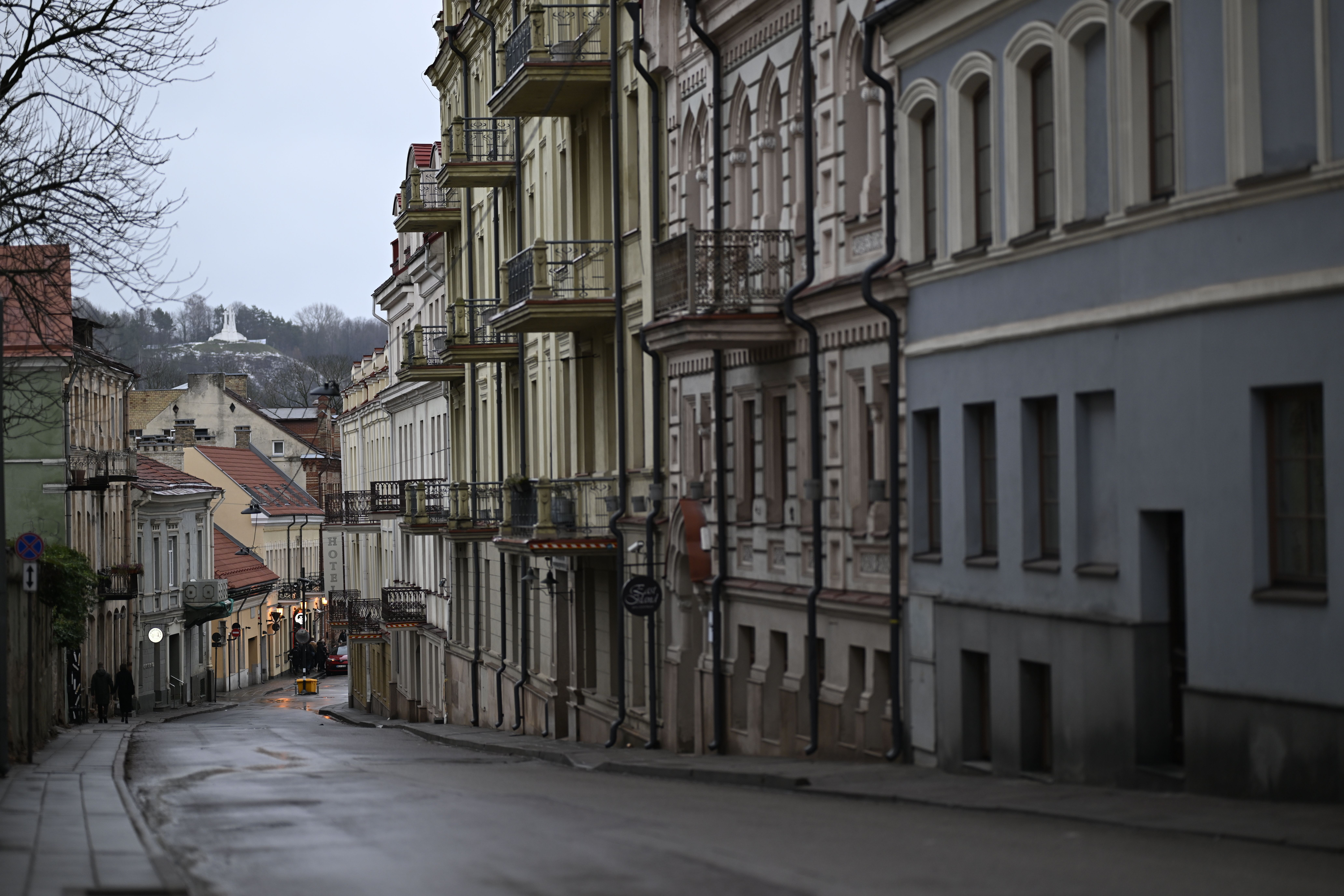
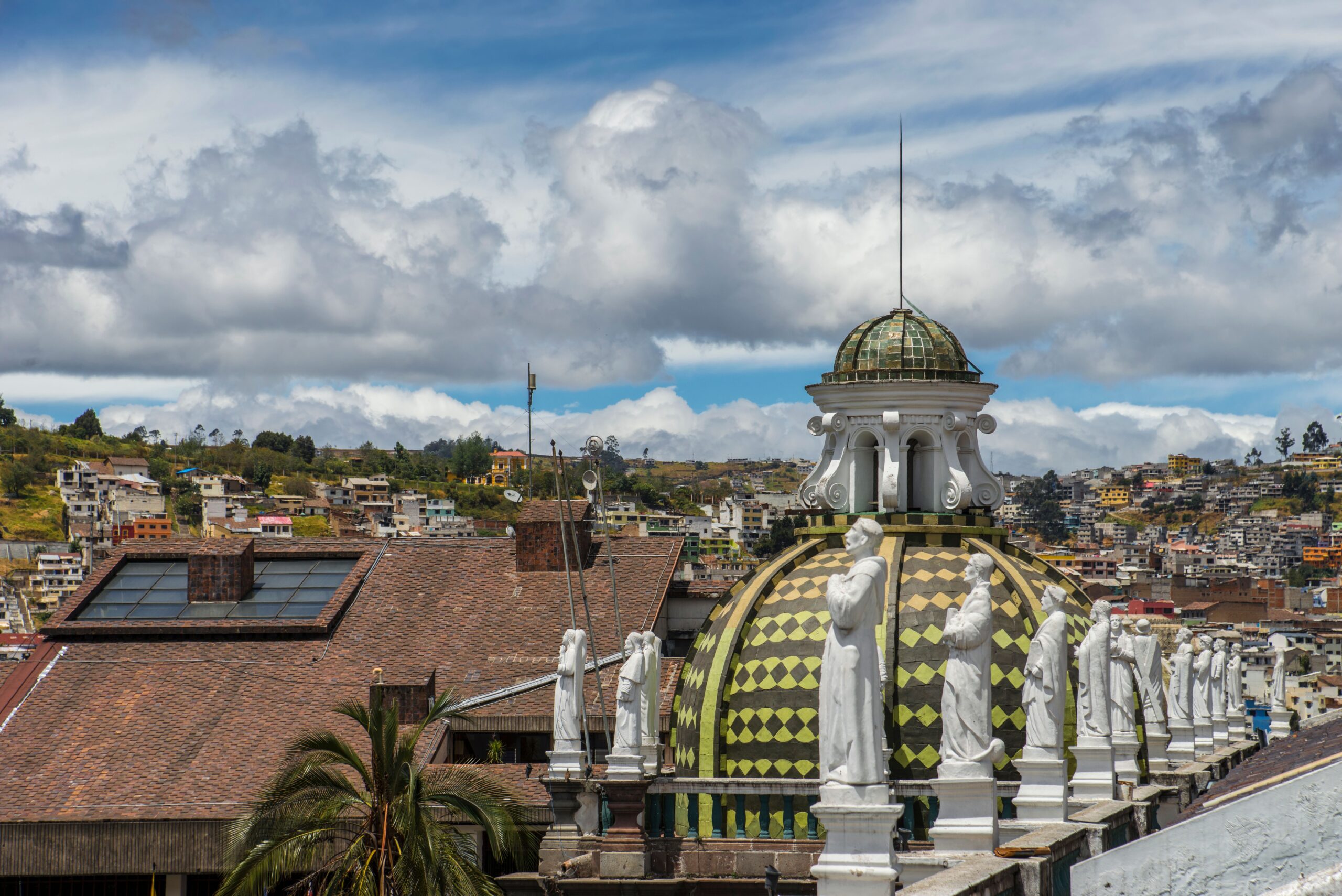
The Centro Histórico of Quito (the UNESCO-listed colonial centre — the largest, best-preserved colonial old town in South America, the churches and the convents and the plazas of the Spanish colonial capital covering 320 hectares): the Plaza Grande (the central plaza — the Presidential Palace, the Cathedral, the Archbishop’s Palace, the Municipal Hall), the Compañía de Jesús (the 1765 Jesuit church, the baroque facade with the carved volcanic stone, the gold-plated interior — every surface covered in gold leaf, the specific excess that the Jesuit missions deployed across Latin America made most visible in Quito), and the La Ronda (the colonial street with the painted balconies and the craft workshops).
The Mitad del Mundo:
The Mitad del Mundo (30km north of Quito — the equatorial monument, the yellow line on the ground marking the 0° latitude): the specific experience of standing with one foot in each hemisphere. The Quito scientific correction: the GPS on your phone will show that the yellow line is approximately 240 metres south of the actual equator (the 18th-century French geodesic mission that determined the line’s position made a small error). The Intiñan Museum (the site of the correct equatorial line, 250 metres from the monument): entry USD 5 / £3.94, the water draining in different directions on either side of the line visible in the demonstration.
Where to stay: The Casa Gangotena (the boutique hotel on the Plaza San Francisco: £80-160/night), the Illa Experience Hotel (the smaller boutique option: £50-100/night), the Casa San Marcos Hostel (the colonial mansion hostel: private rooms from £20-45/night).
DAYS 2-3 — The Avenue of the Volcanoes
Day 2: The Cotopaxi
The Cotopaxi National Park (90km south of Quito on the Pan-American Highway — the park containing the Cotopaxi volcano at 5,897 metres, the José Ribas Refuge at 4,800 metres accessible by taxi to the car park at 4,500 metres and then 30 minutes on foot):
The Cotopaxi at dawn: the volcano at 6am, the cloud that typically envelops the summit departing for 2-3 hours in the morning — the specific window for the clear view of the conical summit. The Cotopaxi is the most perfectly symmetrical snow-covered active volcano in the world and the specific mountain that the 19th-century German naturalist Alexander von Humboldt described as “the most terrible volcano on Earth.”
The park entry: USD 2 / £1.57. The José Ribas Refuge (the refuge at 4,800 metres — the summit attempt begins here for those climbing, the view from the refuge of the glacier and the surrounding Andean landscape accessible without the climb): the highest accessible viewpoint on the Avenue of the Volcanoes.
Day 3: The Quilotoa Crater Lake
The Quilotoa Lake (170km southwest of Quito — the volcanic caldera lake, the water the specific blue-green of the mineral-rich volcanic lake at 3,914 metres, the crater rim walk giving the lake from above): the most specifically Ecuadorian single landscape.
The Quilotoa Loop (the 3-4 day hiking circuit through the indigenous Kichwa communities surrounding the crater — the full loop requires 3-4 nights, the Day 3 visit gives the crater rim view from the road and the 90-minute descent to the lake and return):
The descent to the lake surface (the steep path, the 400-metre descent to the water, the kayak hire at the bottom — USD 10-15 / £7.87-11.81 per hour, the lake surface paddled in the mist): the crater lake at water level, the walls above, the specific Quilotoa silence.
The Baños base:
Baños (the town 180km south of Quito at 1,820 metres — the waterfall town at the base of the Tungurahua volcano, the thermal baths in the town, the specific traveller hub at the western edge of the Andes): the swing at the End of the World (the swing suspended from the treehouse on the hillside above Baños, the swing over the valley with the Tungurahua behind — the most photographed single activity in Ecuador, USD 1 / £0.79 for the swing): the correct Baños half-day activity.
DAYS 4-6 — The Galápagos
Fly Quito-Baltra (Galápagos):
The TAME or LATAM flight from Quito to Baltra Airport (the Galápagos island airport): 1.5 hours, USD 200-350 / £157.48-275.59 one way.
The Santa Cruz circuit:
The Galápagos full guide in Best Scuba Diving Destinations (the diving section). The freediving section in Best Freediving Destinations. The specific 3-day non-diving Galápagos circuit:
Day 4: The Charles Darwin Research Station and Las Grietas
The Charles Darwin Research Station (Santa Cruz island — the tortoise breeding centre, the giant Galápagos tortoise (Chelonoidis niger) in the breeding pens, the subspecies separated by island origin, the specific tortoise rehabilitation visible): free.
The giant tortoise (the largest living tortoise species, the individual tortoises reaching 150+ years of age and 250kg): the specific wildlife encounter that the Galápagos provides and that no zoo replicates — the tortoise in the wild vegetation of the station, the animal’s pace visible as the evolutionary response to an island with no predators.
Las Grietas (the lava fissure swimming hole 20 minutes from Puerto Ayora by water taxi — the turquoise water between the volcanic rock walls, the snorkel through the fissure): the specific Santa Cruz afternoon, the marine iguana visible on the rocks approaching the fissure.
Day 5: The Highlands and the Wild Tortoise
The Santa Cruz highland farms (the farms in the vegetated interior of the island where the wild tortoise population migrates during the rainy season — January-June the tortoises in the highlands, July-December the tortoises near the coast): the rancho visit (the highland farm that allows visitors to walk among the wild tortoises: USD 3-5 / £2.36-3.94):
The wild Galápagos tortoise in its natural habitat — the animal moving through the grass at 0.3km/h, the specific sound of the jaws on the vegetation, the size visible at ground level as the tortoise walks toward the visitor. The Galápagos tortoise that Lonesome George was the last of (the Pinta Island subspecies — George died in 2012, the last of his kind) visible in the breeding station; the other subspecies visible in the highland grass.
Day 6: Isla Seymour Norte (Day Tour)
The Isla Seymour Norte day boat tour from Puerto Ayora (the island accessible only by boat, the most concentrated wildlife visible on the surface of any Galápagos island in the 3-island circuit accessible from Santa Cruz):
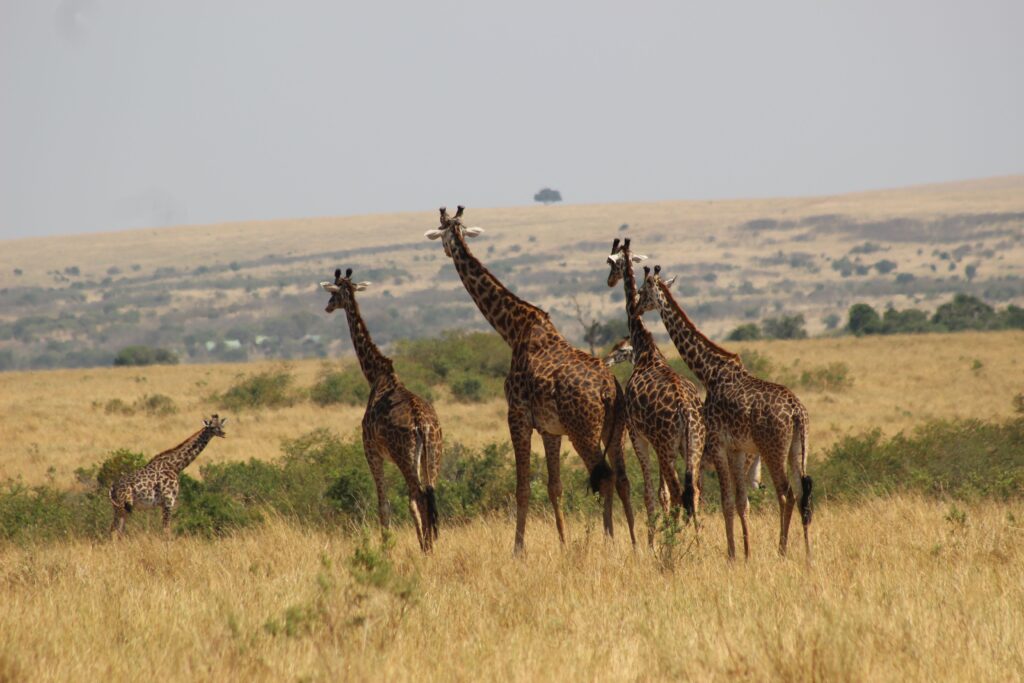
The blue-footed booby (Sula nebouxii — the seabird with the specific blue feet, the colour produced by the carotenoid pigments from the fresh fish in the diet, the brightness of the feet the quality signal for mate selection): the courtship dance visible in the nesting colony on Seymour Norte — the male lifting each foot in sequence, the female assessing, the dance the most immediately comprehensible wildlife behaviour available in the Galápagos.
The magnificent frigatebird (Fregata magnificens — the male with the inflatable red throat pouch, the pouch inflated during the nesting season to attract females): the nesting colony visible from the path, the inflated pouches visible from 3 metres.
The marine iguana (Amblyrhynchus cristatus — the only marine lizard in the world, the iguana that Darwin called “most disgusting, clumsy lizards” and that is in fact the most specifically Galápagos animal available): the iguana on the lava shoreline, the sneeze that expels the salt from the marine feeding visible if you wait quietly.
Day tour from Puerto Ayora: USD 80-150 / £63.00-118.11 per person.
DAY 7 — Return
Fly Baltra-Quito, connect home.
What It Costs
| Category | Budget | Mid-Range |
|---|---|---|
| Return flights (UK-Quito) | £500-800 | £650-1,000 |
| Quito-Baltra-Quito (Galápagos) | £315-550 | £400-700 |
| Galápagos park entry fee | £157 | £157 |
| 7 nights accommodation | £120-280 | £280-560 |
| Food (7 days) | £80-160 | £160-320 |
| Activities (Cotopaxi, Quilotoa, day tours) | £80-160 | £120-250 |
| Total | £1,252-2,107 | £1,767-2,987 |