
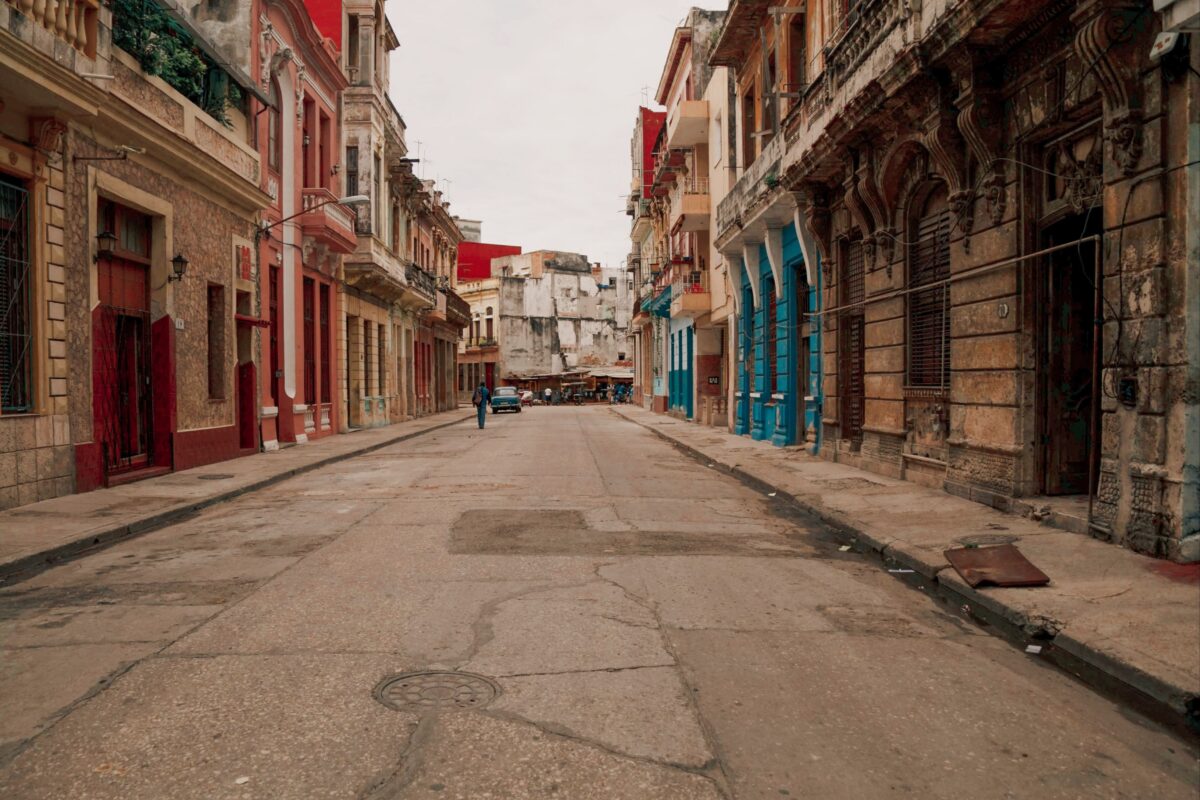
The route that gives Cuba in the full complexity it deserves and none of the simplification the package tour provides: three days in Havana for the Malecón at dusk and the Fábrica de Arte Cubano at midnight and the specific Havana morning where the city smells of coffee and diesel and something floral from the trees in the Parque Central, two days in Trinidad for the cobblestones and the Casa de la Música on the church steps and the Sancti Spíritus valley beyond, and two days in Viñales for the mogotes (the limestone karsts rising from the tobacco valley) and the cave system and the specific Cuban countryside that makes the Havana visitor understand where the rum and the cigars and the coffee come from — and why Cuba, the country that the US embargo preserved in the specific amber of 1960, gives the visitor the most specifically unrepeatable travel experience available in the western hemisphere.
Reading time: 11 minutes | Last updated: 2026
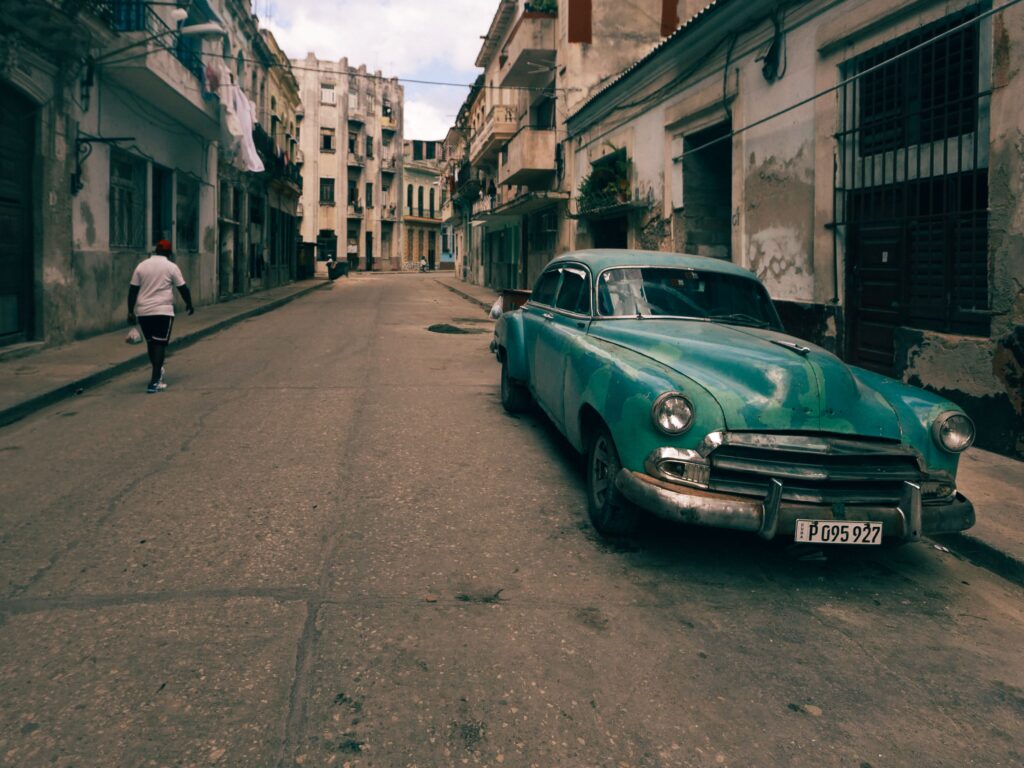
Cuba is changing. The observation has been made since 1990 and will be made for another decade — the change is real and gradual and the specific Cuba that the visitor encounters in 2025 is neither the time-capsule of the travel poster nor the Miami-adjacent beach resort that the political resolution might eventually produce. It is the specific Cuba of the moment: the private restaurants (paladares) expanding, the internet arriving slowly through the ETECSA SIM, the classic cars still on the road because the parts are still improvised, and the specific Cuban warmth (the hospitalidad cubana) that is not performed for the tourist but given to the neighbour and extended to the visitor as the same gesture.
Before You Leave
The Tourist Card and cash: Full detail in Cuba with Kids. The FMM tourist card (£25-30), the cash requirement (UK Visa and Mastercard unreliable — carry GBP or EUR in cash), and the CADECA exchange houses.
The Casa Particular: The licensed Cuban homestay — the anchor on the door, the room that has been rented to visitors since the 1990s reforms. The casa gives the Cuban breakfast (the eggs, the fruit, the coffee, the bread), the local guidance, and the direct relationship with the Cuban family that the hotel desk mediates into abstraction.
The Viazul bus: The national tourist bus service connecting Havana, Trinidad, and Viñales — the air-conditioned coach that the casa particular owners book on behalf of their guests (CUC 15-25 / £12.93-21.55 per route). The correct Cuban overland transport for the independent traveller.
The Route
Havana (3 nights) → Viazul to Trinidad (3.5 hours) → Trinidad (2 nights) → Viazul back to Havana (3.5 hours) → Viazul to Viñales (3.5 hours) → Viñales (2 nights) → return Havana, fly home
The 7 Days
DAYS 1-3 — Havana
Day 1: The Malecón and the Old City
The Malecón at 6am:
The Malecón (the 8km seafront esplanade from the Old Havana to the Vedado — the seawall, the 1950s apartment buildings behind it, the Havana skyline visible in the morning light, the fishermen with the hand lines visible at the wall edge from 5am): at 6am, the Malecón in its working version — the fishermen, the early cyclists, the joggers, the specific Havana morning that the tourist afternoon replaces with the sunset rum crowd.
The Malecón at sunset: the Havana social hour — the cubanos sitting on the wall, the music from the apartment windows behind, the specific Cuba that is not performing for anyone. Arrive at 6:30pm with a bottle of the Havana Club Añejo 3 Años (purchased at any bodega for CUC 3-4 / £2.59-3.45) and a cup of ice from the corner stall.
The Plaza de Armas:
The Plaza de Armas (Havana’s oldest square — the Palacio de los Capitanes Generales (the 18th-century Baroque palace, now the City of Havana Museum, entry CUC 3 / £2.59), the secondhand book market (the Cuban libros usados market, the Spanish-language volumes, the revolutionary pamphlets, the specific Cuban book culture visible in the Sunday market that operates daily)): the book market at 9am when the vendors are arranging the stock.
The Bodeguita del Medio:
The Bodeguita del Medio (Empedrado 207, Old Havana — the bar that Hemingway made famous for the mojito, the walls covered in the signatures and the scrawlings of 70 years of visitors, the mojito at CUC 5-7 / £4.31-6.03):
The specific Bodeguita instruction: the mojito here is the mojito that the travel poster uses. It is correct. It is not the cheapest mojito in Havana (the casa particular bar makes it for CUC 2 / £1.72). The Bodeguita is the experience of the place that made the experience — the walls worth reading, the bartender not worth rushing.
Day 2: The Capitol and the Car Tour
El Capitolio:
The Capitolio Nacional (the 1929 neoclassical capitol building — the dome at 91.77 metres, 1cm higher than the US Capitol dome (the Machado government’s deliberate measurement), the interior of the Hall of Lost Steps (the 35-tonne diamond embedded in the floor marking the zero-kilometre reference point for all Cuba road distances)): CUC 6 / £5.17.
The classic car tour:
Full detail in Cuba with Kids. The specific Day 2 addition: the Vedado neighbourhood circuit (the 1950s American suburban architecture of the Vedado — the houses built for the pre-revolutionary upper middle class, the specific Havana district that the revolution did not demolish but that the decades have converted from private homes to embassies and state offices and split-family apartments).
Day 3: The Fábrica de Arte Cubano
The Fábrica de Arte Cubano (calle 26 e/ 11 y 13, Vedado — the former cooking oil factory converted to the contemporary arts space, open Thursday-Sunday from 8pm): the galleries (the rotating exhibitions of Cuban contemporary art — the photography, the video installation, the painting), the live music (multiple simultaneous performances across the factory floors), and the rooftop bar (the mojito at the Havana night price, the city visible from the roof):
The FAC at 10pm: the maximum density of Cuban creative culture in a single building, the experience most different from the tourist Havana of the hotel lobby and the classic car tour. Entry CUC 2 / £1.72.
DAYS 4-5 — Trinidad
The Viazul to Trinidad (3.5 hours):
The bus through the Cuban countryside — the Sierra del Escambray mountains visible to the north after the Sancti Spíritus turn, the tobacco fields visible in the valley, the sugar mill chimneys (the ingenios, the former slave sugar economy infrastructure visible in the landscape as the industrial archaeology of the plantation system).
The Trinidad colonial city:
The Plaza Mayor (the central square of the UNESCO colonial city — the Museo Romántico (the 19th-century sugar baron’s palace, the period furniture, entry CUC 5 / £4.31), the Santísima Trinidad church visible above the square, and the artisan market on the square’s cobblestone perimeter):
The Trinidad cobblestones (the Portuguese river stones used to pave the colonial streets — the specific Trinidad walking surface that the automobile avoids and that gives the city its specific acoustic quality, the footstep on stone that the Havana asphalt does not produce).
The Casa de la Música:
The Casa de la Música (the outdoor music venue on the steps below the Iglesia Parroquial Mayor del Espíritu Santo — the salsa band performing from 10pm, the Cuban couples dancing on the steps, the tourists attempting the salsa with the varying results visible to the professional observer at the step’s edge): CUC 1-3 / £0.86-2.59 entry.
The Trinidad salsa instruction: the lesson is available at CUC 5-10 / £4.31-8.62 per hour from the casa particular owner or from the dance schools visible on the street — the 30-minute lesson before the evening at the Casa de la Música gives the specific Trinidad evening the body needs to participate rather than observe.
The Valle de los Ingenios:
Full detail in Cuba with Kids. The specific Trinidad addition: the Hacienda Guachinango (the plantation estate within the valley — the trapiche (the sugar cane press), the slave quarters visible in the surviving outbuilding, the specific Cuba history of the sugar economy and the enslaved African labour visible in the physical remains): CUC 5 / £4.31.
DAYS 6-7 — Viñales
The Viazul to Viñales (3.5 hours from Havana via the return):
The return to Havana (Viazul, 3.5 hours), the Havana connection to Viñales (the Viazul or the shared colectivo taxi, 3 hours through the Pinar del Río province — the tobacco fields visible from the road in the valley, the mogotes appearing as the bus descends into the Viñales Valley).
The Valley at dawn:
The Viñales Valley (the UNESCO Cultural Landscape — the 26km valley floor surrounded by the mogotes (the limestone karst formations, the near-vertical walls rising 200-300 metres from the valley floor, the specific Cuban geology of the Jurassic limestone that the river erosion has exposed)):
The valley at 6am from the Hotel Los Jazmines viewpoint (the road above the valley entrance, the mogotes in the first light, the valley floor in the mist below): free access from the road.
The tobacco farm:
The tobacco farm visit (the Viñales veguero — the Cuban tobacco farmer, the vegas (the tobacco fields) visible throughout the valley, the farm visit typically arranged by the casa particular at no additional cost):
The tobacco tour (the drying house — the casa de tabaco, the leaves hanging from the rafters in the specific drying sequence, the cigar rolling demonstration — the torcedor rolling the specific Cuban cigar construction, the liga (the blend of leaves) assembled at the rolling table): the most specific single Cuba agricultural encounter available.
The cigars purchased at the veguero: the factory-reject or the unofficial production at CUC 1-3 / £0.86-2.59 per cigar (versus the CUC 6-12 / £5.17-10.34 at the official LCDH stores). The quality of the veguero cigar is debated among the cigar community; the authenticity of the encounter is not.
The Cueva del Indio:
The Cueva del Indio (the cave accessible from the valley floor — the boat ride through the underground river section, the stalactites and the stalagmites visible from the flat-bottomed boat, the indigenous Taíno pictographs visible at the cave entrance): CUC 7 / £6.03.
What It Costs
| Category | Budget | Mid-Range |
|---|---|---|
| Return flights (UK-Havana) | £550-850 | £750-1,100 |
| Cuba Tourist Card | £25-30 | £25-30 |
| 7 nights casa particular | £70-140 | £140-280 |
| Food (paladares + casas) | £80-160 | £160-320 |
| Viazul buses | £40-60 | £40-60 |
| Activities | £40-80 | £60-120 |
| Total | £805-1,320 | £1,175-1,910 |