

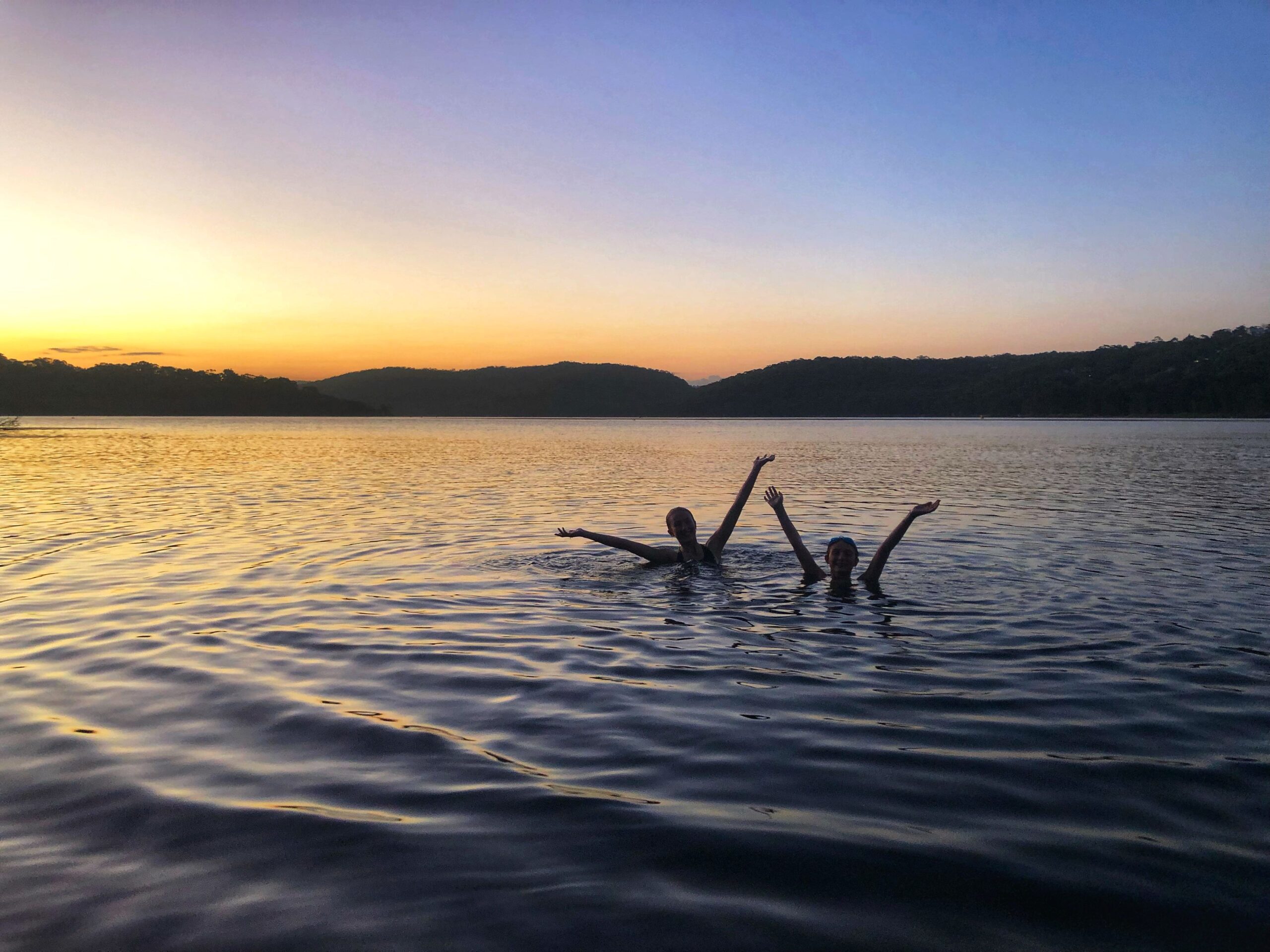
The wild swimming guide for the person who has swum in the sea on a UK holiday and understands that the sea was cold and the cold was the point: the specific physiological and psychological effect of cold immersion (the cold shock response, the blood pressure spike, the cortisol release that follows, and the specific 20-minute post-swim euphoria that the wild swimming community calls the “cold rush”) is the reason that the wild swimming movement has grown from a niche to a mainstream UK activity in the past 5 years, and it is available in every European country if you know the specific water. This guide names the specific spots.
Reading time: 7 minutes | Last updated: 2025
The Cold Water Rule
The effective cold water threshold: The cold swimming community defines the therapeutic water temperature at below 15°C — the temperature at which the cold shock response (the gasping reflex, the hyperventilation, the skin vasoconstriction) is triggered on immersion. Above 15°C, the swim is pleasant; below 15°C, the swim is the specific experience.
The water temperatures in this guide: All spots below are at or below 15°C in their optimal swimming season.
The Spots
1. Silfra Fissure, Iceland — 2°C, Visibility 100m
Full description in 7 Days in Iceland. The snorkel or dive between the tectonic plates — the 2°C water, the 100-metre horizontal visibility, the specific experience of floating in glacially filtered water at 2°C. The drysuits give the cold immersion without the hypothermia — the experienced cold swimmer who wants the extreme temperature without the extreme exposure.
The wild swimmer’s warning: The Silfra requires the drysuit — this is not the open cold-water swim. The guided tour includes the drysuit (the unguided entry is not permitted). The hands and face are exposed to the 2°C water — the 45-minute guided snorkel gives the hands 15 minutes before the numbness begins.
Access: Þingvellir National Park, 40 minutes from Reykjavík. Guided snorkel from USD 100-150 / £78.74-118.11. Book at divesis.is.
2. Kranjska Gora, Slovenia — Alpine Lake Swimming
The Zelenci Nature Reserve (7°C, Alpine clarity):
The Zelenci springs and lakes (the source of the Sava Dolinka River — the turquoise springs visible at the lake bottom, the temperature at 7-9°C year-round from the subalpine source): the open access wild swim in the alpine lake that the Slovenian wild swimming community uses as the reference for the cold mountain water.
The Soča River (8-12°C, glacier-fed turquoise):
The Soča (the Emerald River — the glacier-fed river in the Triglav National Park, the specific turquoise of the glacial-mineral water visible against the white limestone river bed, the temperature at 8-12°C in summer): the wild swim at the Bovec canyon (the pools accessible from the Bovec town path, the temperature at the pool entry 9-11°C in July): the most visually extraordinary wild swim in Europe by the consistent assessment of the European wild swimming community.
3. Connemara, Ireland — Atlantic Ocean Cold
The Bertraghboy Bay and the Twelve Bens:
The Connemara coast (the wild Atlantic coast west of Galway — the sea temperature at 12-15°C in July-August, the specific Irish Atlantic cold that the Connemara swimming tradition has used for 200 years):
The Gurteen Bay and Doghill Bay (the beaches south of Roundstone — the beach accessible from the R341 coast road, the Atlantic sea entry, the kelp forest visible at low tide, the specific Connemara quality of the cold water swim in the landscape that gives the Twelve Bens above and the Atlantic ahead):
The Irish cold water swimming community (the largest proportional cold water swimming community in Europe by the count of the Wild Swimming Ireland association — the Christmas Day swims, the Sea Swimming associations in every coastal county, the specific Irish relationship with the cold sea that the wild swimming movement formalised but did not create):
4. Dalmatian Coast, Croatia — Sea Caves and Karst Water
The Krka National Park:
The Krka River (the travertine waterfall park, the swimming pool at the base of the Skradinski Buk waterfall — the most accessible wild swim in Croatia, the temperature at 16-18°C in summer giving the warm-cold threshold water):
The note: the Krka National Park swimming has been periodically restricted and then reopened — verify the current permission at np-krka.hr before planning the swim specifically.
The Blue Cave, Vis Island:
The Modra Špilja (the sea cave accessible only by boat from the Komiža village on Vis Island — the cave interior lit by the refracted light from the sea entrance, the water temperature at 17-19°C in summer, the swim inside the cave illuminated by the blue light): the boat tour from Komiža (€30-50 / £25.87-43.10 per person).
5. Scottish Highlands — Lochs and Rivers
Loch Laich (Argyll):
The small sea loch at the head of Loch Linnhe — the wild swim accessible from the Appin shore road, the temperature at 10-13°C in summer, the Ben Cruachan visible above the loch:
The Fairy Pools, Isle of Skye:
The Allt Coir’ a’ Mhadaidh (the river from the Cuillin Mountains — the series of clear pools at the base of the falls, the water temperature at 8-12°C year-round from the mountain source, the specific Skye quality of the cold mountain pool in the dramatic Cuillin landscape): free, 1.5km walk from the Glenbrittle Road car park.
The Fairy Pools water temperature and the Cuillin above: the specific Scotland wild swim. The post-swim cortisol rush on the drive back to the car park.
The Safety Framework
The cold water acclimatisation sequence: The wild swimming community recommends the gradual cold water acclimatisation — starting with the 15-minute cold shower (the cold tap, the shower set to cold before entry), building to the 5-minute open water swim at 12-15°C, then progressing to the longer swims at lower temperatures. The cold shock response (the gasping reflex) diminishes after 3-4 weeks of regular cold water exposure.
The specific safety instruction: Enter cold water horizontally (float rather than jump in) — the horizontal entry prevents the cold shock involuntary gasp that the vertical jump entry triggers at the water surface. Swim within 10 metres of the shore or the bank for the first 10 swims in the new location. Never swim alone in cold water below 10°C.