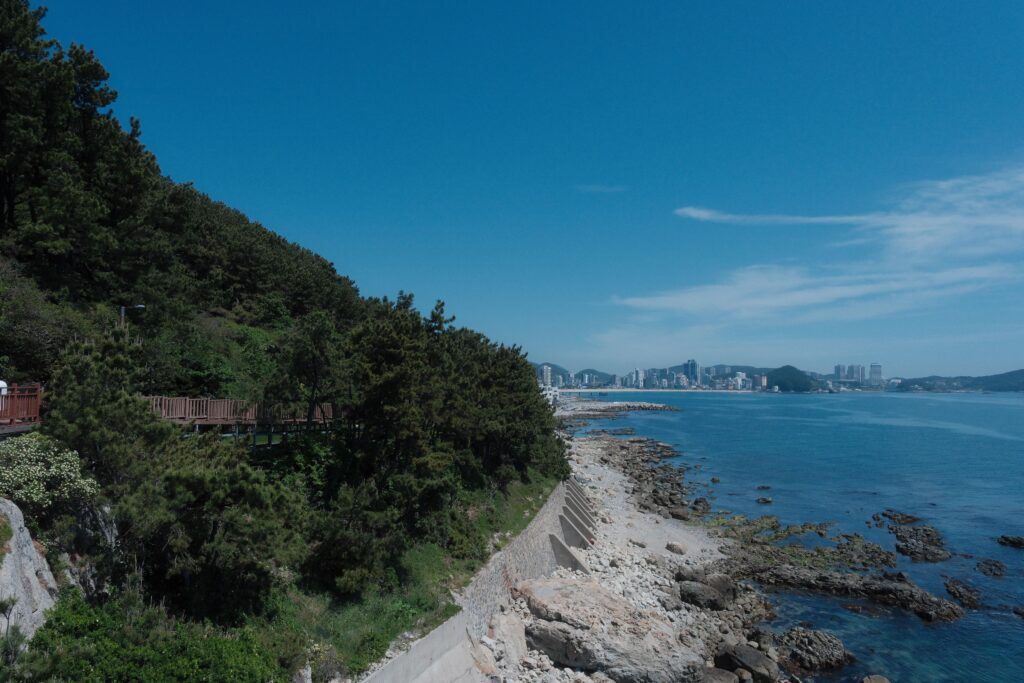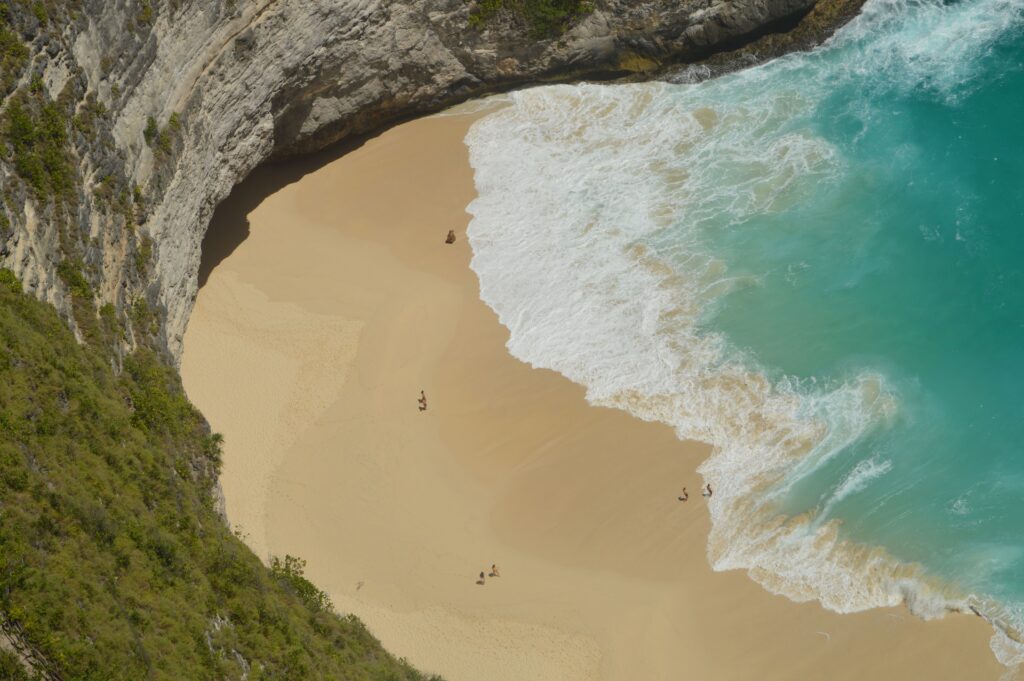



The intermediate surfer’s problem: the lesson was on the beginner beach break, the instructor was present for the falls, and now the intermediate has a board and a desire and no idea where to go. The Kuta beach break (the original learn-to-surf location) is now too crowded and too flat for the developing surfer. The advanced breaks (the Uluwatu, the Pipeline, the Cloud 9) are genuinely dangerous for someone who is still learning to kick out. This guide names the specific breaks where the intermediate surfer — the person who can stand up reliably, can turn left or right with effort, and has never surfed in overhead waves — gets the 6 months of progression that takes them to the next level.
Reading time: 7 minutes | Last updated: 2026
The Intermediate Definition
For this guide: the intermediate surfer can paddle into and stand up on waves in the 1-2 foot range reliably, can ride the wave to the beach in a straight line, can attempt a turn (with variable success), and has not yet surfed waves overhead height. The skill level at which the learner break becomes inappropriate and the expert break becomes dangerous.
The specific intermediate challenge: finding the break where the wave is large enough to provide the power for the turn practice, consistent enough to give multiple attempts per session, and uncrowded enough to not have the intermediate collision with the experienced surfer on every wipeout.
The Breaks
1. Beginner-to-Intermediate: Canggu, Bali (Echo Beach)
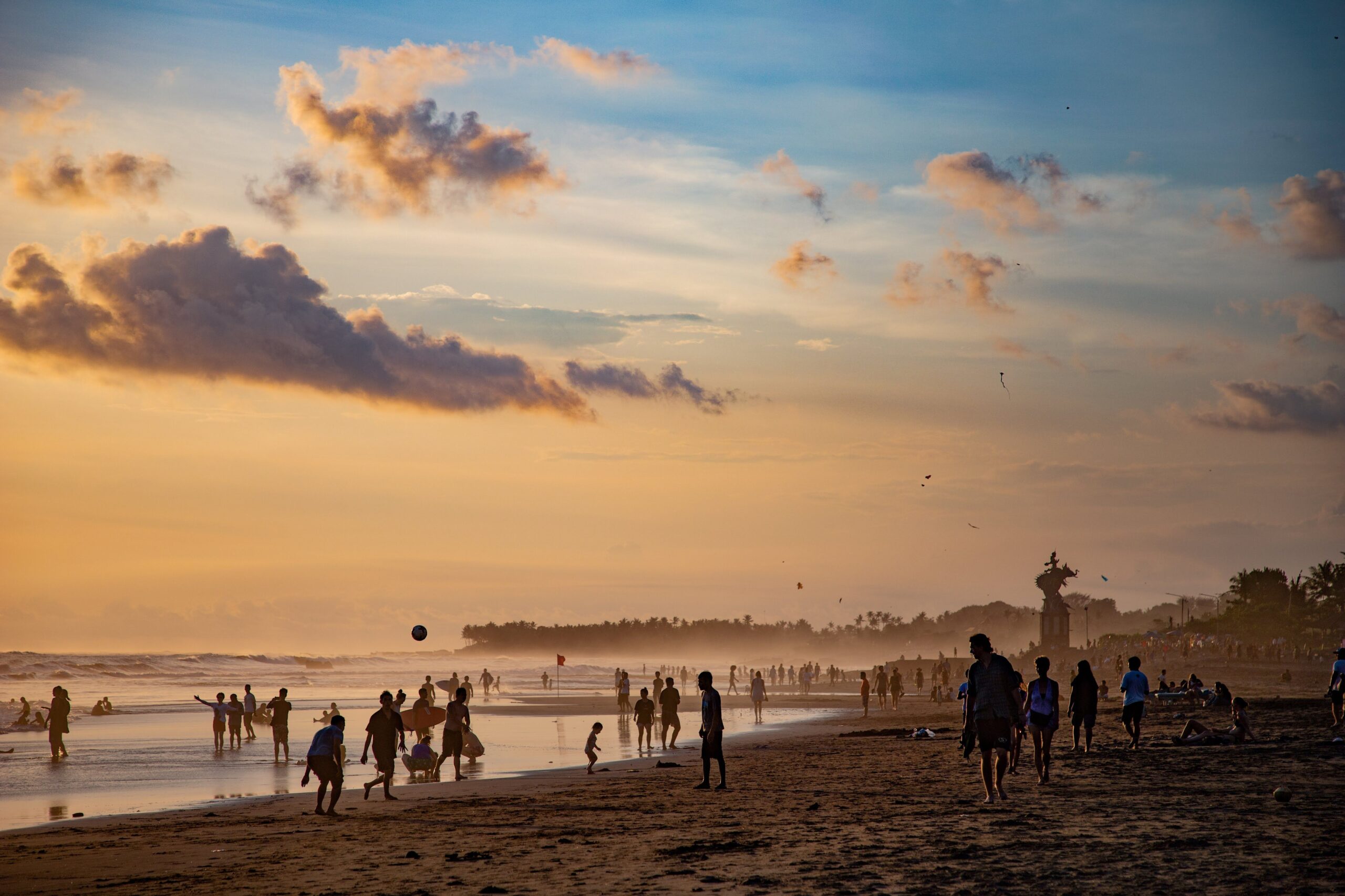
The wave: The beach break at Echo Beach in Canggu — the 3-5 foot left and right peaks, the sandy bottom, the specific Canggu quality of the consistent but manageable wave in the morning (the surf at Canggu is at its most consistent and least crowded at 6:30-7am before the surf school groups arrive at 9am).
Why intermediate: The Echo Beach wave is the step up from the Kuta flat break — the waves are larger, the paddle-out requires the intermediate duck-dive technique, and the turn is rewarded by the shoulder that holds the wave’s shape long enough for the committed bottom turn. The wipeout is over sand.
The surf school: The Canggu surf coaching scene (the Rapture Surf Camp, the Tubes Surf School) gives the intermediate private coaching (the video analysis from the lineup, the turn technique drill) that the group beginner lesson doesn’t provide: USD 40-70 / £31.50-55.12 per hour for the private coaching.
Best season: April-October for the dry season Bali — the southwest swell from the Indian Ocean giving the consistent Canggu.
2. The Intermediate Progression: Jeffreys Bay, South Africa
The wave: The J-Bay (Jeffreys Bay — the point break on the Eastern Cape coast, the most perfect right-hand point break in the world at professional level and the most generous for the intermediate at the lower tide sections):
The Boneyards section (the inside section of the J-Bay point — the smaller, slower wave that breaks before the main Supertubes section, the intermediate-appropriate wave that gives the long right-hand ride for the turn practice):
Why intermediate: The J-Bay Boneyards gives the intermediate the most teaching wave in this guide — the long ride, the consistent shoulder, the generous wall that holds the shape for 5-8 seconds after the turn attempt. The intermediate who surfs the Boneyards for 2 weeks leaves with the bottom turn and the top turn that the beach break cannot give.
The context: J-Bay is a surfing town — the accommodation (the Supertubes Backpackers, the Jeff’s Place) is oriented around the surf schedule, the surf shops give board hire and wax and leash repair at any hour, and the intermediate is surrounded by people who understand the specific progression they’re trying to make.
Best season: June-August for the J-Bay winter swell — the cold front groundswell from the Antarctic gives the most consistent J-Bay wave. Wetsuit (5mm) required.
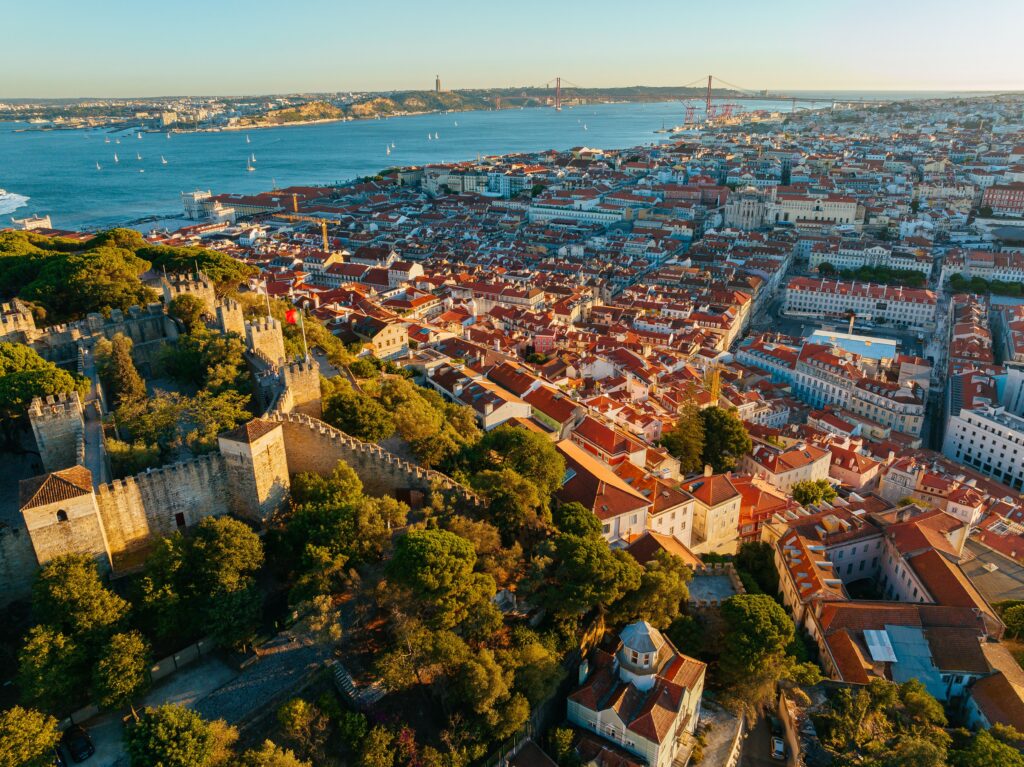
3. The Atlantic Intermediate: Peniche, Portugal
The wave: Peniche (the peninsula north of Lisbon — the most consistent surf spot in continental Europe, the swell exposed from the northwest, west, and southwest giving the consistent wave when every other European break is flat): the Supertubos (the intermediate-to-advanced wave — the heavy beach break, not the correct intermediate choice), the Lagide (the point break on the south side of the peninsula, the right-hand wall, the intermediate-appropriate size and consistency), and the Baleal Island (the beginner-to-intermediate beach break, the most forgiving in the Peniche circuit):
Why intermediate: The Baleal beach break gives the intermediate the familiar beach break environment at a step up from the Sagres and the Ericeira beginner breaks — the consistent Atlantic swell, the wave size manageable, and the surf school coaching available year-round.
The practical advantage: The 1.5-hour drive from Lisbon gives the Lisbon city break + the surf day combination — the intermediate who wants the city culture and the surf in the same 7 days uses Peniche as the day trip from Lisbon (full guide in 7 Days in Portugal).
Best season: September-November for the autumn Atlantic swell without the summer crowd.
4. The Warm Water Intermediate: Playa Guiones, Costa Rica (Nosara)
The wave: The Playa Guiones (the long beach break at Nosara on the Nicoya Peninsula — the 7km beach, the multiple peaks, the offshore wind in the morning, the consistent 3-5 foot wave that breaks over a sand bottom at the intermediate height): the specific intermediate quality of the Guiones is the length of the waves (the beach’s exposure and the sand bottom give waves that hold their shape for 60-100 metres, long enough for the intermediate to attempt the turn and complete the ride before the shore).
Why intermediate: The Guiones is probably the most consistently good intermediate wave in Central America — the wave height is manageable, the bottom is forgiving, the offshore wind in the morning holds the wave’s shape, and the surf coaching infrastructure (the Del Mar Surf Camp, the Coconut Harry’s) gives the video analysis and the lineup coaching that the intermediate progression requires.
Best season: December-March for the Costa Rica dry season (the offshore wind consistent, the visibility clear).
5. The European Discovery: Tarifa, Spain (Valdevaqueros)
The wave: The Valdevaqueros beach (the beach north of Tarifa where the Levante wind (the east wind funnelled through the Strait of Gibraltar) creates the specific wave condition for the intermediate: the 3-6 foot beach break with the offshore effect from the same Levante wind that the kitesurfers use):
Why intermediate: The Tarifa surf is less well-known than the kitesurfing (full guide in Best Kitesurfing Destinations) but gives the intermediate surfer the European alternative to the Portugal circuit — the wave consistent when the Levante is blowing, the beach uncrowded relative to the Ericeira and the Peniche, and the specific Tarifa town (the tapas, the flamenco, the aftersurf) giving the cultural context that the surf camp destination does not.
The surfboard: The intermediate surfer at Valdevaqueros needs the 7’0″-7’6″ funboard or the longboard in the smaller days — the beach break rewards the volume-to-skill-level match, and the intermediate who arrives with the 6’0″ shortboard bought in the Bali surf shop is fighting the wave rather than practising on it.