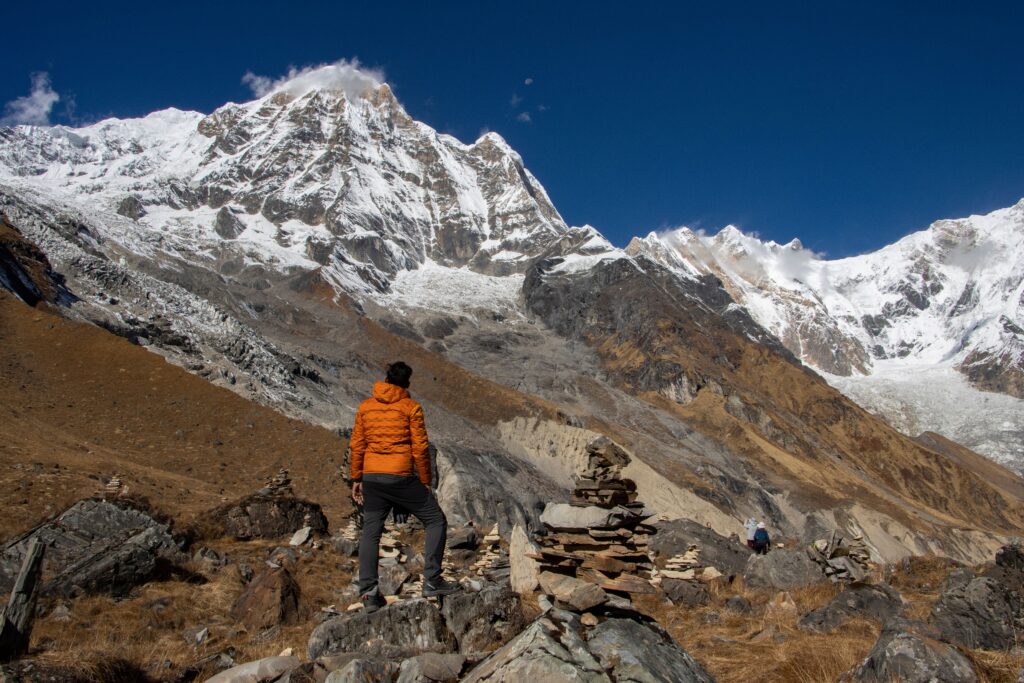

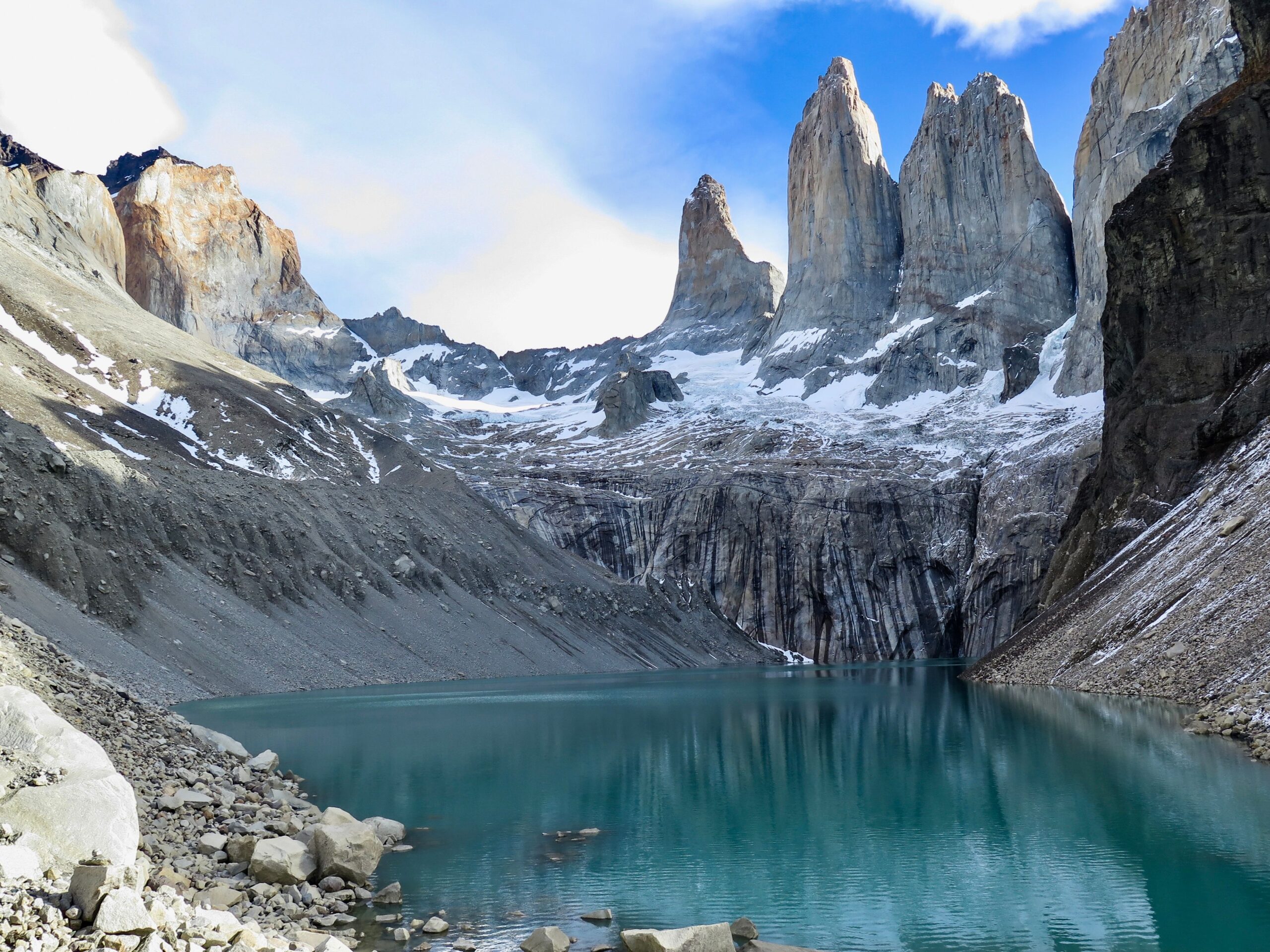
The route that gives Chilean Patagonia its essential geography: three days in the Torres del Paine National Park for the W Trek first section and the Grey Glacier and the specific dawn at the Mirador Las Torres when the three granite towers catch the alpenglow and turn from grey to orange to pink in four minutes while you stand in the cold and the wind and know that the photograph will not convey what standing here in the wind is like, two days on the Carretera Austral for the Marble Caves of Lago General Carrera and the hanging glacier of the Queulat National Park, and two days in Puerto Natales and Punta Arenas for the king crab and the pisco sour and the specific southern city at 53° south latitude where the wind is the explanation for everything — the architecture, the pace, the specific Patagonian warmth that the windswept exterior does not prepare you for.
Reading time: 11 minutes | Last updated: 2026
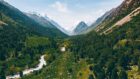
Patagonia is the shared name for the southern region of both Chile and Argentina — the territory that begins roughly at latitude 40°S and extends to the southern tip of the continent. Chilean Patagonia (the Aysén and Magallanes regions) gives the Pacific fjords, the temperate rainforest, the glaciers calving into the channels, and the specific Torres del Paine National Park that the UNESCO biosphere reserve designation and the 150,000 annual visitors have not been able to diminish.
The Torres del Paine towers (the three granite spires — Paine Grande at 2,884 metres, the Central Tower at 2,800 metres, the Norte Tower at 2,600 metres) are the most specific single landscape in South America and possibly the most specific on Earth: the shape (the impossibly vertical granite columns, the result of 12 million years of magma intrusion and glacial erosion), the colour (the grey granite that the alpenglow turns orange-pink at dawn), and the setting (the granite emerging directly from the Patagonian steppe, no transition, the towers visible from the plain below the morning before you hike to them).
Before You Leave
The visa: UK citizens enter Chile visa-free for 90 days.
The season: The Torres del Paine weather is severe year-round — the Patagonian wind (the viento patagónico) averages 60-80 km/h at the towers and reaches 130 km/h in the summer gusts. The hiking season is October-April (the southern hemisphere spring-summer). November-March gives the most reliable weather, the longest daylight (Punta Arenas at midsummer has 17 hours of daylight), and the most accessible trails.
The camp booking: The Torres del Paine W Trek accommodation (the Fantástico Sur and the CONAF camp circuit) requires advance booking 4-6 months ahead in peak season (December-February). Book at fantasticosur.com and at reservas.conaf.cl.
The internal flights: Punta Arenas is accessible from Santiago (3 hours, LATAM or JetSMART) or from Buenos Aires via the Buenos Aires-Punta Arenas route. The Punta Arenas to Puerto Natales bus (3 hours, CLP 7,000-12,000 / £6-10.34) gives the national park access.
The Route
Punta Arenas (arrival) → Puerto Natales (base, 1 night) → Torres del Paine National Park (3 nights) → Puerto Natales to Coyhaique (Carretera Austral, 2 nights) → Puerto Montt/Santiago, fly home
The 7 Days
DAY 1 — Punta Arenas and Puerto Natales
Punta Arenas:
The Cementerio Municipal de Punta Arenas (the municipal cemetery — the most visited single site in Punta Arenas and the most unexpectedly beautiful, the cypress trees and the marble monuments of the Patagonian pioneers (the Croatian and the British and the Spanish immigrants who built the wool economy from nothing) visible in the afternoon light): free.
The Museo Regional de Magallanes (the regional museum in the former Braun-Menéndez mansion — the 19th-century Patagonian oligarch’s house visible in the furniture and the paintings and the specific Victorian interior that the Patagonian wool fortune produced): CLP 2,000 / £1.72.
The king crab (Centolla — the Magellanic king crab, the species specific to the southern channels of Chilean Patagonia, the most prized shellfish in the southern hemisphere): at the Mercado Municipal (the covered market on the waterfront, the shellfish vendors who serve the cooked centolla at the counter): CLP 15,000-25,000 / £12.93-21.55 per portion.
Puerto Natales (the gateway town to the Torres del Paine — 3 hours north of Punta Arenas by bus): the Ultima Esperanza Sound (the last hope sound — the fjord that the Magellan expedition navigator who discovered the passage named with the specific despair of the explorer who had been looking for the Pacific for years and kept finding dead ends).
DAYS 2-4 — Torres del Paine National Park
The W Trek first section:
The W Trek is named for the W shape that the route traces across the park — from the Mirador Las Torres in the east to the Grey Glacier in the west, with the Valle del Francés in the centre. The full W requires 4-5 days. Three days gives the two most visually extraordinary sections: the towers and the glacier.
Day 2: The Mirador Las Torres
The trail from the Hostería Las Torres base camp to the Mirador Las Torres viewpoint (8km one way, 4-5 hours ascent, 1,300 metres elevation gain from the valley floor — the final 45 minutes a boulder scramble to the mirador): the towers visible from the valley floor throughout the ascent, growing as the approach narrows.
The Mirador at dawn:
The 4:30am departure from the base camp (the pre-dawn dark, the wind, the stars visible above the granite). The alpenglow (the moment when the first direct sunlight hits the towers before it reaches the valley — the towers catching the orange-pink colour from the sun below the visible horizon): the 4-minute window between the first grey-pink light on the towers and the full morning sun when the colour disappears. The most photographed single event in South American trekking. At 4:30am in December: the wind at the mirador averages 70 km/h.
Day 3: The Grey Glacier
The trail to Refugio Grey and the Grey Glacier viewpoint (the glacier visible from the refugio, the icebergs calved from the glacier face floating in Lago Grey, the ice visible in the lake from the viewpoint above):
The kayak on Lago Grey (the guided kayak through the icebergs — the ice visible at the water surface, the blue-green of the glacier ice at the waterline, the specific Patagonian kayak experience that the land-based viewing from the refugio does not give): CLP 35,000-60,000 / £30.17-51.72 per person.
Day 4: The Valle del Francés
The Valle del Francés (the central valley of the W — the glaciers hanging from the walls of the valley above the path, the sound of the ice calving audible throughout the walk, the Mirador Britanico at the valley head giving the panorama of the Paine massif, the condor (Vultur gryphus, the world’s heaviest flying bird) soaring above the thermals at the valley head):
Park entry: CLP 21,000-35,000 / £18.10-30.17 per person depending on the season.
DAYS 5-6 — The Carretera Austral
The Carretera Austral (Route 7):
The most remote paved road in South America — the 1,240km route from Puerto Montt in the north to Villa O’Higgins in the south, the highway that Pinochet ordered built in the 1970s through the Patagonian rainforest and fjords that the Andes made impossible to access by land:
The Marble Caves (Lago General Carrera):
The Cuevas de Mármol (the Marble Caves — the peninsula of sculpted marble in the Lago General Carrera, the second-largest freshwater lake in South America, the marble sculpted by 6,000 years of wave action into the blue-white arches and the columns visible from the boat at the water surface): the 1-hour guided boat tour from the Puerto Río Tranquilo village: CLP 10,000-15,000 / £8.62-12.93 per person.
The Queulat National Park (the hanging glacier visible from the road — the Ventisquero Colgante glacier suspended between the valley walls above the trail, the meltwater visible from the bridge below): CLP 5,000 / £4.31 park entry.
DAY 7 — Return to Puerto Montt or Santiago
The Carretera Austral north to Puerto Montt (the 10-hour drive or the ferry from Chaitén to Puerto Montt — the Naviera Austral ferry giving the fjord cruise north to Puerto Montt, the 5-hour passage through the Chilean channels): CLP 15,000-25,000 / £12.93-21.55 per person.
Fly Puerto Montt-Santiago (LATAM, 1.5 hours) for the international connection.
What It Costs
| Category | Budget | Mid-Range |
|---|---|---|
| Return flights (UK-Santiago, Punta Arenas-Santiago) | £700-1,100 | £900-1,400 |
| Internal flights (Santiago-Punta Arenas) | £80-180 | £100-250 |
| 7 nights accommodation (mix trek camp/guesthouse) | £140-350 | £350-700 |
| Torres del Paine entry + camp | £50-100 | £100-200 |
| Food (7 days, self-catering on trek) | £60-130 | £120-250 |
| Transport (bus, boat, rental) | £80-180 | £120-280 |
| Total | £1,110-2,040 | £1,690-3,080 |