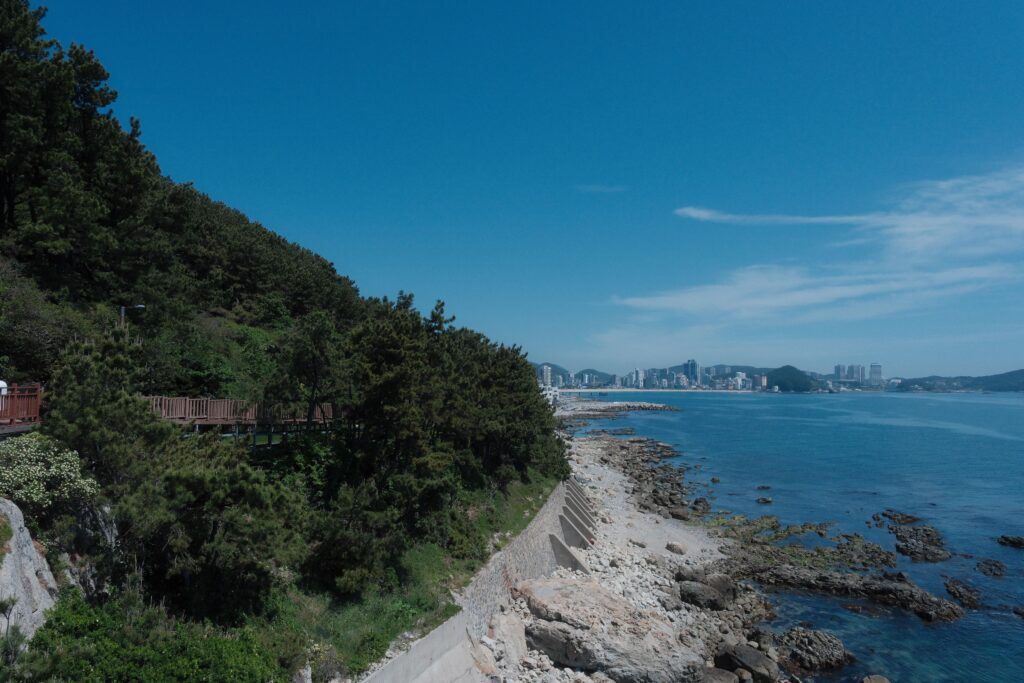

The circuit that gives the Mediterranean in its most concentrated cultural and geological argument: four days in Sicily for the Valley of the Temples and the Etna and the specific Sicilian food that the BBC has called the finest regional cuisine in Italy (which is itself the finest food country in Europe, by the standard of the people who have eaten across both continents), three days in Malta for the Valletta — the smallest capital city of any EU member state and the most historically dense city per square kilometre in the western Mediterranean — and seven days in the Greek Islands for the Santorini caldera at sunset that earns its reputation and the Milos that is what Santorini was before the cruise ships arrived and the Naxos that has the best beach in the Cyclades and the medieval Venetian capital that the Venice-of-the-Aegean guidebook metaphor barely acknowledges.
Reading time: 11 minutes | Last updated: 2026
The Mediterranean circuit is the summer holiday redefined — the two weeks that moves from the western Mediterranean (Sicily) through the central (Malta) to the eastern Aegean (the Cyclades), giving the circuit’s three different Mediterranean sub-cultures: the Arab-Norman-Baroque Sicily, the Knights Hospitaller Malta, and the Cycladic Greek island that the Minoan and the Venetian and the Ottoman and the modern Greek tourist economy have all left their mark on.
Before You Leave
The routing: Fly London-Catania (Ryanair, easyJet — from £40 one way), travel Sicily by hire car (4 days), fly Catania-Malta (Air Malta or Ryanair — from £25 one way), travel Malta without a car (the bus network covers the island), ferry Malta-Valletta → Gozo (internal), fly Malta-Athens or Malta-Santorini (Ryanair or Olympic Air — from £40 one way), island hop the Cyclades by ferry, fly Athens-London (Ryanair, easyJet, British Airways — from £50 one way).
The open-jaw: Fly into Catania, fly home from Athens — same or lower price than the return to either city.
The season: May-June and September-October for the optimal Mediterranean circuit — the summer crowds in the Cyclades (July-August) reduce Santorini to a 6-hour queue for the sunset and Milos to a parking problem. May and October give the same weather with half the visitors.
The Route
Catania, Sicily (1 night) → Valley of the Temples, Agrigento (1 night) → Palermo (2 nights) → Fly to Malta: Valletta (2 nights) → Gozo (1 night) → Fly Athens → Santorini (2 nights) → Milos (2 nights) → Naxos (2 nights) → Ferry to Athens, fly home
DAYS 1-4 — Sicily
Day 1: Catania and the Etna
The Catania morning:
The Catania Fish Market (the Pescheria — the fish market in the piazza behind the Piazza del Duomo, the swordfish and the red mullet and the sea urchin and the octopus at the stalls, the specific Sicilian fish market that has been operating in this piazza since the 9th-century Arab city): at 7am, the market in the wholesale-to-retail transition.
The Piazza del Duomo (the Baroque cathedral, the Fontana dell’Elefante — the volcanic basalt elephant that is the symbol of Catania, the specific Catania identity visible in the lava-stone city built on the lava flows of Etna):
The Etna:
Mount Etna (the active volcano 30km north of Catania — the highest active volcano in Europe at 3,357 metres, the most active volcano in Europe by eruption frequency): the cable car from the Rifugio Sapienza to the crater rim (2,500 metres, €60 / £51.72 return — the cable car operational when the volcanic activity permits, check at etnaguide.com before booking): the specific Etna experience (the sulphur smell, the black lava landscape, the crater steam) available without the full summit approach.
Day 2: Valley of the Temples, Agrigento
The Valle dei Templi (the UNESCO World Heritage Site outside Agrigento — the Greek temples from the 5th century BCE, the best-preserved ancient Greek temples outside Greece itself): the Temple of Concordia (the most intact of the Agrigento temples, the 34 original columns still standing, the specific Doric architecture visible at the original scale) and the Temple of Juno (the temple on the ridge, the views over the Sicilian landscape to the sea):
Entry: €16 / £13.79. The temples at 9am opening (the UNESCO site before the tour buses from Palermo arrive at 10:30am).
Days 3-4: Palermo
The Palermo street food circuit (the pani cà meusa — the spleen sandwich, the specific Palermo street food that the rest of Italy finds alarming and that the Palermo market vendor has been selling since the Arab merchants established the offal trade in the 9th century), the Ballarò Market (the oldest market in Palermo, the Arab-Norman market tradition visible in the food, the sellers, the specific Palermo market noise), and the Cappella Palatina (the Norman-era chapel, the 12th-century Byzantine-Arab-Norman mosaic programme covering the entire interior — the most visually overwhelming single interior in Sicily): entry to the Palazzo dei Normanni: €14 / £12.07.
DAYS 5-7 — Malta
Valletta:
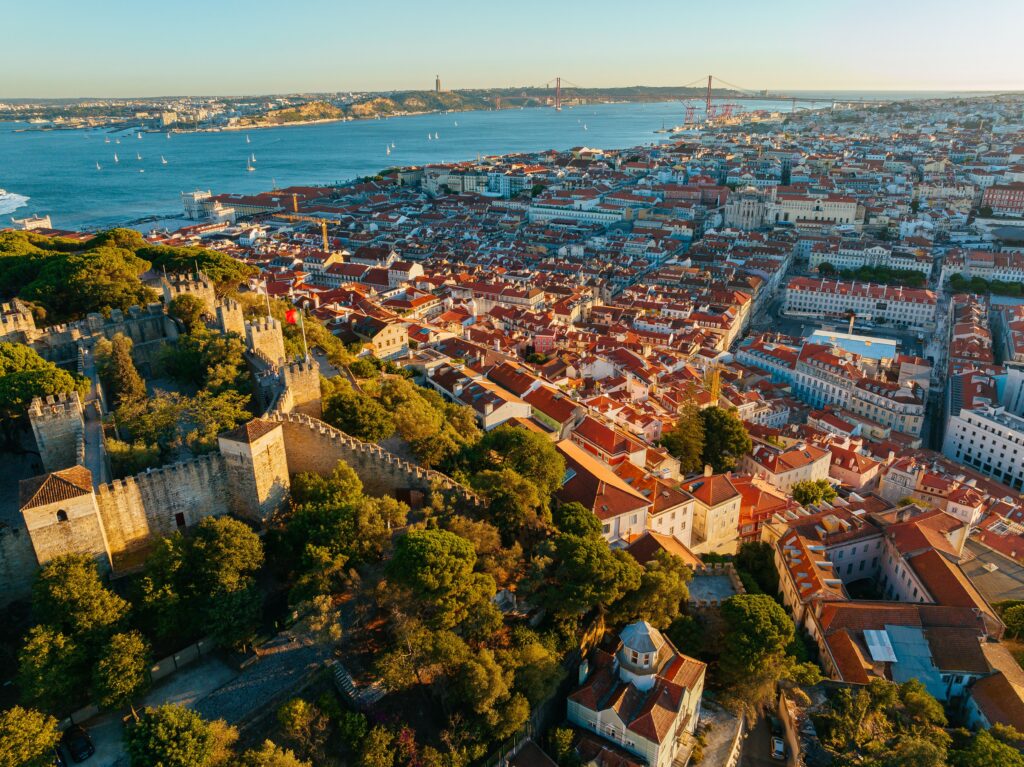
The Valletta (the 16th-century Knights Hospitaller city — the smallest EU capital by area, the UNESCO capital with the highest density of Baroque churches, the Grand Harbour (the most naturally protected harbour in the Mediterranean, the anchorage from which the Knights withstood the 1565 Great Siege)):
The St. John’s Co-Cathedral (the 1577 Baroque cathedral — the Caravaggio: The Beheading of Saint John the Baptist (1608) — the largest painting Caravaggio produced, visible in the Oratory of the Co-Cathedral. The specific Caravaggio instruction: this painting, at 3.7 × 5.2 metres, is the most affecting single artwork in the Mediterranean. The scale (larger than a garage door), the specific Caravaggio darkness-and-light, and the subject (the moment of the execution, John’s head not yet severed, the executioner’s arm drawing back) at full scale in the Baroque chapel: entry €15 / £12.93.
Gozo (Day 7):
The Gozo ferry from the Ċirkewwa terminal (25 minutes, €4.65 / £4.01 return): the smaller island (67 square kilometres), the Ġgantija temples (the 3600-3200 BCE megalithic temple complex — older than Stonehenge by 1,000 years, the UNESCO World Heritage Site), the Azure Window was destroyed in 2017 but the Wied il-Mielaħ Window (the accessible alternative sea arch) gives the specific Gozo coastal geology.
DAYS 8-14 — The Greek Islands
Santorini (2 nights):
The honest Santorini assessment: the caldera view (the blue-domed churches above the 300-metre cliff, the Aegean visible 300 metres below, the sunset from the Oia castle that 3,000 people watch simultaneously every evening) earns its reputation in the specific 30-minute window of the sunset when the light on the caldera is correct. The remainder of the Santorini visit (the July crowding at the Perissa beach, the Fira shopping street, the €28 cocktail at the caldera bar) does not.
The Santorini that earns the visit: the wine (the Assyrtiko grape, the mineral-volcanic wine from the Santorini vines planted in the ash soil, the white wine that gives the specific mineral taste that no other wine producing region in the world can replicate because no other wine region grows vines in a volcanic caldera): the Estate Argyros winery (the oldest winery in Santorini, the tasting from €10 / £8.62): book at argyrosestate.gr.
The caldera sunrise (the alternative to the Oia sunset — the caldera in the pre-dawn mist, the cruise ships not yet in the anchorage, the specific Santorini morning available to the visitor who sets the 5am alarm):
Milos (2 nights):
The Milos (the volcanic island 130km west of Santorini, accessible by ferry (2.5 hours) or by Aegean Airlines flight): the island that Santorini was before the cruise ship economy arrived.
The Sarakiniko (the white volcanic rock formation on the north coast — the pumice and the volcanic ash eroded into the smooth white curves visible from above as a moonscape, the Aegean visible between the formations from below): free.
The Kleftiko (the sea cave accessible only by boat — the pirate cove, the white volcanic formations visible at the water level, the emerald water visible through the cave floor): the boat from the Adamas harbour (€40-60 / £34.48-51.72 per person for the full-day circuit).
The Milos beach circuit (the island has 70+ beaches — the Firiplaka, the Tsigrado (accessible by rope descent through the cliff), the Paleochori with the geothermal hot spring visible through the beach sand):
Naxos (2 nights):
The Naxos (the largest Cycladic island — the Venetian kastro above the harbour, the Portara (the marble gateway of the unfinished 6th-century BCE Temple of Apollo, the largest piece of surviving ancient marble in the Cyclades, the gateway standing alone on the promontory at the harbour entrance, the sunset visible through the gateway frame), and the Agios Prokopios beach (the most consistently cited beach in the Cyclades for sand quality and swimming depth)):
The Naxian cuisine: the local graviera cheese (the island specialty — the aged sheep’s milk cheese, the specific Naxian flavour from the mountain herbs of the island’s interior), the Naxian citron liqueur (kitron), and the Naxian potatoes (the island is the largest potato producer in Greece, the specific volcanic soil giving the flavour that the Athens chef uses as the quality signal):
What It Costs
| Category | Budget | Mid-Range |
|---|---|---|
| Flights (London-Catania, internal, Athens-London) | £130-300 | £200-450 |
| Ferries (Malta-to-Greece, island hopping) | £80-160 | £120-240 |
| 14 nights accommodation | £420-840 | £840-2,100 |
| Food (14 days) | £200-400 | £400-840 |
| Activities and entries | £80-160 | £120-250 |
| Car hire (Sicily, 4 days) | £80-140 | £120-200 |
| Total | £990-2,000 | £1,800-4,080 |