

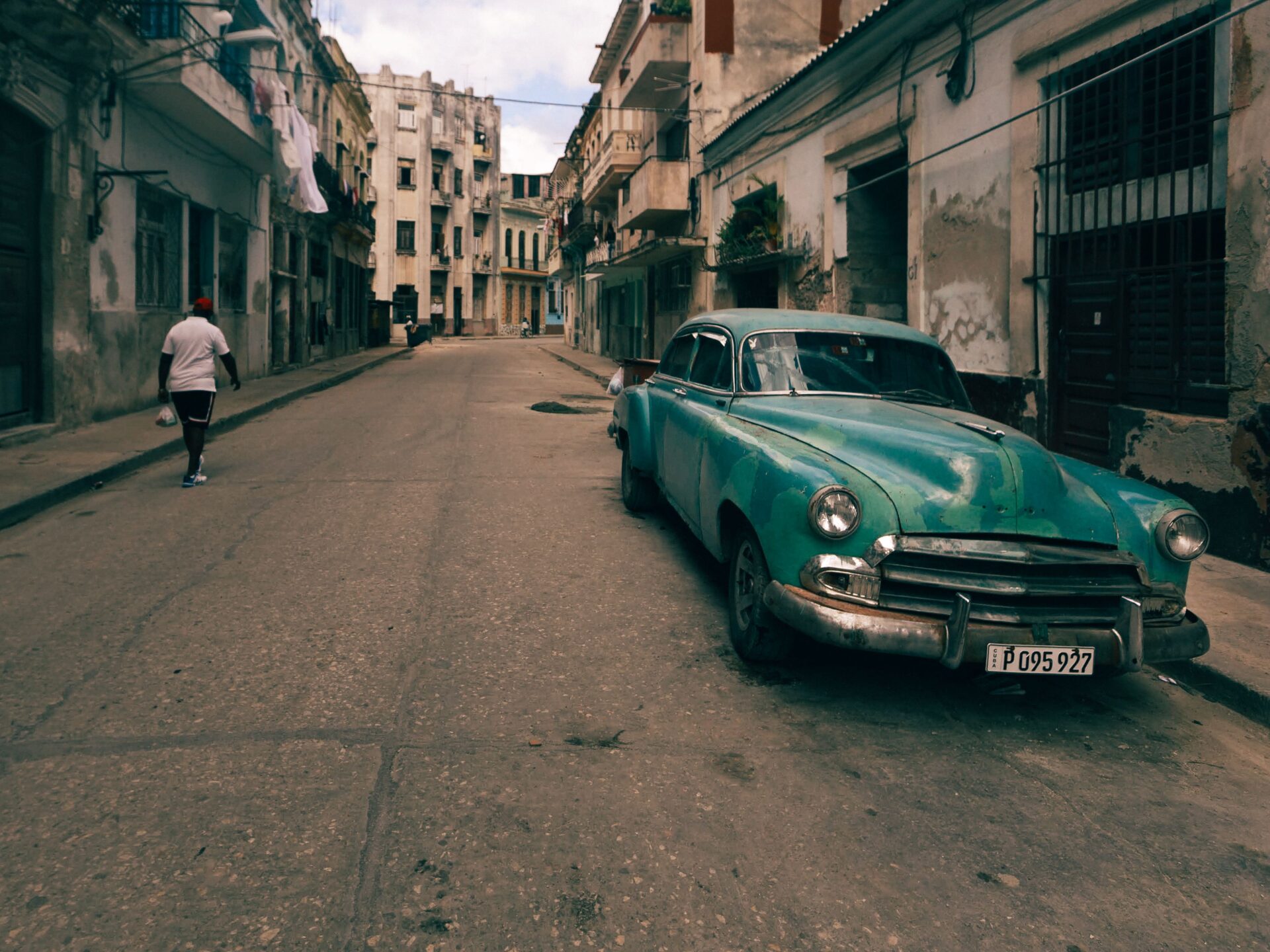
The honest Cuba with kids assessment: Cuba is a genuinely extraordinary family destination — the classic American cars from the 1950s (the Chevrolets and the Buicks and the Cadillacs in the turquoise and the coral pink, maintained in daily use because the US embargo of 1960 prevented the importation of new cars for 60 years), the children’s reaction to the live music audible from every doorway in Trinidad and Havana at any hour of the day, and the Varadero beach (the 22km of white sand on the north coast, the Caribbean at 27-28°C, the beach that has not been commercially overdeveloped in the way that every other Caribbean beach has been overdeveloped) give the family the specific Cuba that no other Caribbean destination can replicate. The preparation required: the cash economy (Cuba does not accept Visa or Mastercard issued in the US, and the UK card reliability is variable), the accommodation booking (the casa particular — the Cuban homestay — is the family accommodation of choice), and the specific understanding that Cuba’s infrastructure reflects the specific Cuban political and economic situation.
Reading time: 9 minutes | Last updated: 2026
Before You Leave
The visa: UK citizens require the Cuba Tourist Card (the Tarjeta del Turista) — available from the Cuban Embassy in London or from the airline at check-in. Cost: £25-30 depending on the source. Valid for 30 days, extendable once for a further 30 days at the immigration office in Cuba.
The cash: Cuba operates a dual currency system (the Cuban Peso, CUP, for most transactions). Credit and debit cards issued by US banks are not accepted. UK-issued Visa and Mastercard are accepted at some hotels but the reliability is variable — carry sufficient cash for the full trip. The best exchange rate is at the CADECA exchange houses; the airport rate is inferior. Change GBP or EUR in cash; USD has an additional 10% surcharge.
The accommodation: The casa particular (the licensed Cuban homestay — the Cuban family rents 1-4 rooms to visitors, the casa marked by the anchor symbol above the door) is the most authentic and most affordable accommodation in Cuba. The family casa gives the children the direct engagement with the Cuban family’s daily life, the home-cooked Cuban breakfast (the eggs, the fruit, the coffee), and the local guidance that the hotel desk does not give.
The Family Cuba Circuit
Havana (3 days)
The Classic Cars:
The Havana classic car tour (the private taxi in the 1950s American convertible — the almendron in local parlance, the specific Cuba that the children want before they have heard of Cuba):
The tour from the Parque Central (the central Havana park, the tour operators with the classic car fleet visible from the park steps): approximately CUC 25-40 / £21.55-34.48 per hour for the car (carrying 4 passengers), the tour covering the Malecón (the seawall), the El Vedado district, and the Plaza de la Revolución (the José Martí memorial and the Che Guevara mural on the Interior Ministry facade).
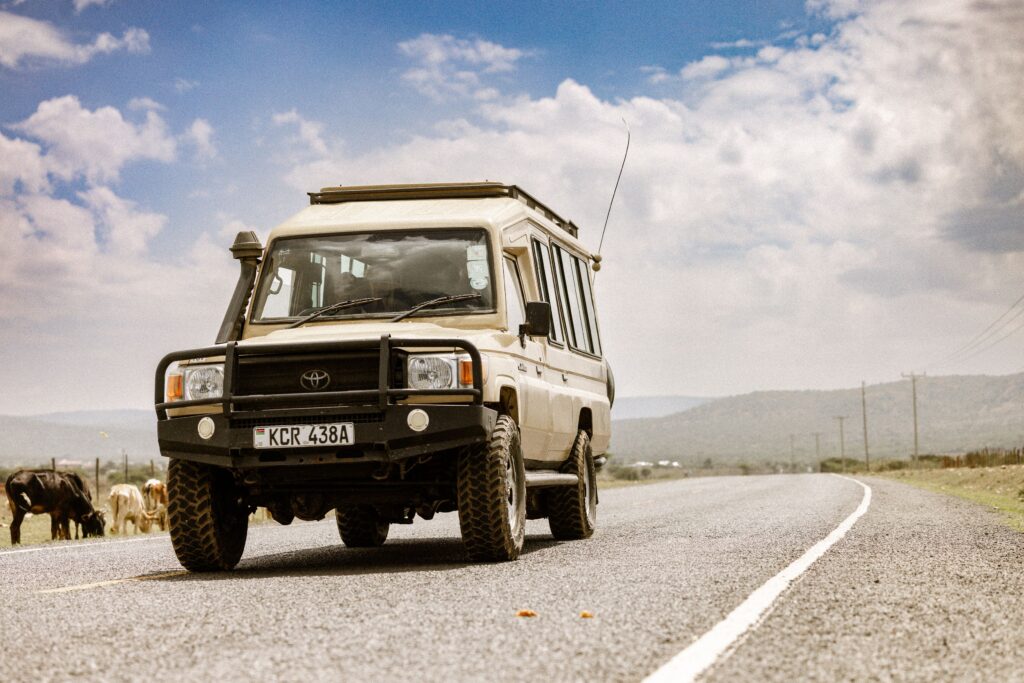
The specific classic car instruction for children: the cars are maintained in daily use using Cuban ingenuity — the engine may be from a Soviet Lada (the USSR supplied mechanical parts to Cuba after the US embargo), the body from the 1955 Chevrolet Bel Air, and the air conditioning from a 1990s window unit installed through the dashboard. The result is a car that is not a museum piece but a functional 70-year-old vehicle that has been continuously adapted to survive.
The Tropicana Cabaret (Ages 10+):
The Tropicana (the 1939 outdoor cabaret — the performers visible in the open-air setting under the forest canopy, the show beginning at 10pm): CUC 90-120 / £77.59-103.45 per person. The specific Havana family evening for the family with children of 10+.
The Fábrica de Arte Cubano:
The Fábrica de Arte Cubano (the former cooking oil factory converted to the contemporary arts complex — the galleries, the live music performances, the rooftop bar visible from the street): the most specifically contemporary Cuban cultural space accessible to the family visitor. Thursday-Sunday from 8pm; entry CUC 5 / £4.31.
Trinidad (2 days)
The UNESCO Colonial Town:
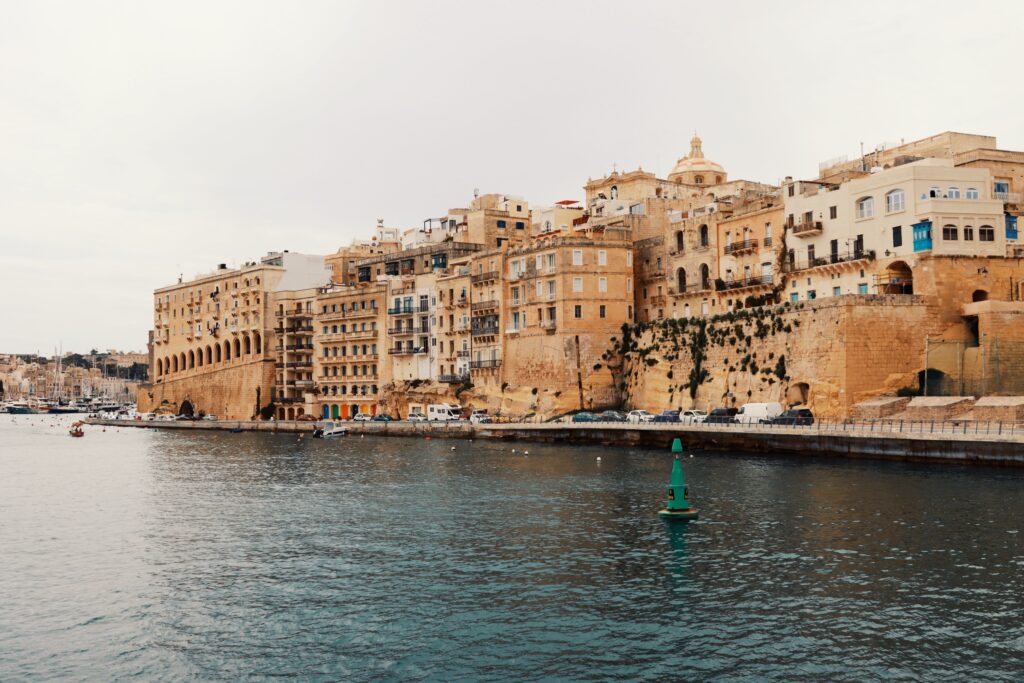
Trinidad (the 1514 colonial city — the cobblestone streets, the Baroque architecture, the Casa de la Música (the outdoor music venue on the stairs of the church, the salsa band performing from 10am, the specific Trinidad quality of the music available from every public space at every hour)):
The Palacio Cantero (the neoclassical palace of the sugar baron Justo Cantero — the roof terrace giving the Trinidad terracotta rooftop panorama and the Valle de los Ingenios (the Valley of the Sugar Mills, the UNESCO landscape) visible beyond): CUC 3 / £2.59 entry.
The Valle de los Ingenios Day Trip:
The Valley of the Sugar Mills (the valley east of Trinidad — the former sugar plantation landscape, the tower of the Manaca-Iznaga estate (the watchtower from which the plantation overseers observed the enslaved workers, the specific Cuba history visible in the tower’s specific function)), the horse-drawn carriage circuit from Trinidad (CUC 15-25 / £12.93-21.55 per carriage for 4 people):
The specific Trinidad children’s engagement: the horse-drawn carriage through the valley gives the specific Cuban rural landscape at the pace that the children can process — slow enough to see the cattle and the tobacco plants and the royal palms, fast enough to feel the movement.
Varadero (2 days)
The Beach:
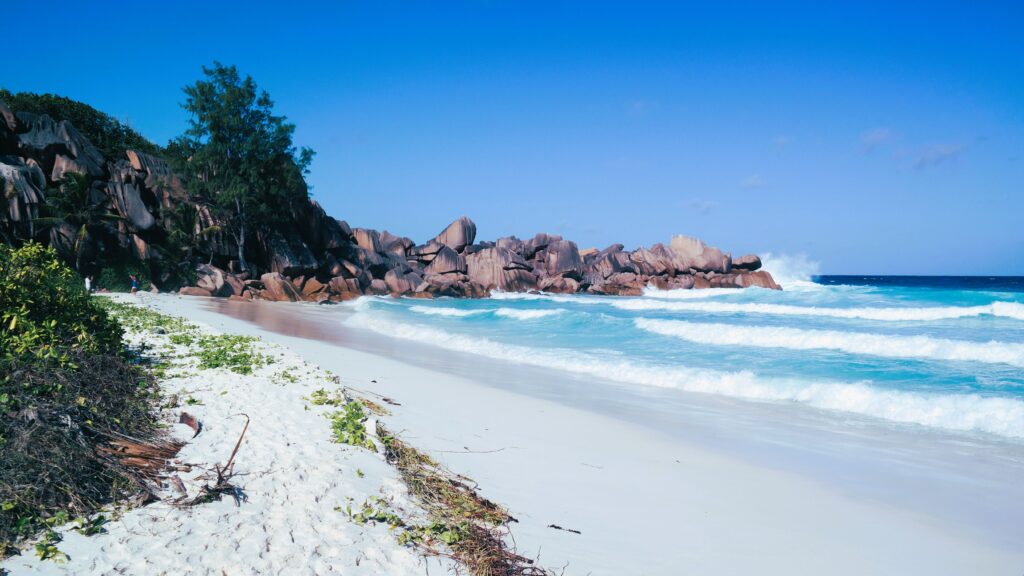
The Varadero Peninsula (the 22km beach — the Caribbean Sea on the north side, the Cárdenas Bay on the south side, the specific Cuba beach that the all-inclusive hotel infrastructure has built around but has not diminished):
The Varadero beach at 7am (before the hotel beach chairs are occupied): the specific Caribbean morning, the pelicans visible on the sandbar, the sea at 27°C, the sand the correct white, the specific Cuba beach quality.
The Saturno Cave (the cenote 8km from Varadero — the freshwater cave pool at 23°C, the stalagmites and the stalactites visible through the crystal water, the species of fish endemic to the cave system visible from the surface): CUC 5 / £4.31. The cave snorkel (the mask and snorkel available for hire at the entrance) gives the children the underwater cave experience without the temperature of the open ocean.
The Age-by-Age Cuba Guide
Ages 4-8
What works: The classic car ride (universal). The beach (the Varadero Caribbean in the shallow zone). The Havana street musicians (the children who hear live music for the first time from a doorway in Havana respond with specific attention — the music is not background, it is the point). The horse-drawn carriage in Trinidad.
What needs management: The accommodation comfort level — the casa particular is more basic than the resort hotel, and the family with under-6s should book the casas that specifically list air conditioning and the en-suite bathroom.
Ages 9-14
The full Cuba: Everything above plus: the Tropicana (ages 10+), the Fábrica de Arte, and the specific Cuba political conversation (the 14-year-old who understands that the classic cars are maintained by necessity rather than nostalgia, that the ration book exists, and that the Cuban internet has been partially available only since 2018 has had the most specific political education available in the Caribbean).
What It Costs — Family of Four
| Category | Budget | Mid-Range |
|---|---|---|
| Return flights (UK-Havana, 4 persons) | £2,400-4,000 | £3,200-5,600 |
| Cuba Tourist Card (4 persons) | £100-120 | £100-120 |
| 9 nights accommodation (casa particular) | £270-450 | £450-900 |
| Food (9 days, paladares + casas) | £180-360 | £360-720 |
| Activities (car tour, Tropicana, caves) | £150-280 | £250-450 |
| Transport (domestic buses, taxis) | £80-150 | £120-250 |
| Total (family of 4, 9 nights) | £3,180-5,360 | £4,480-8,040 |