
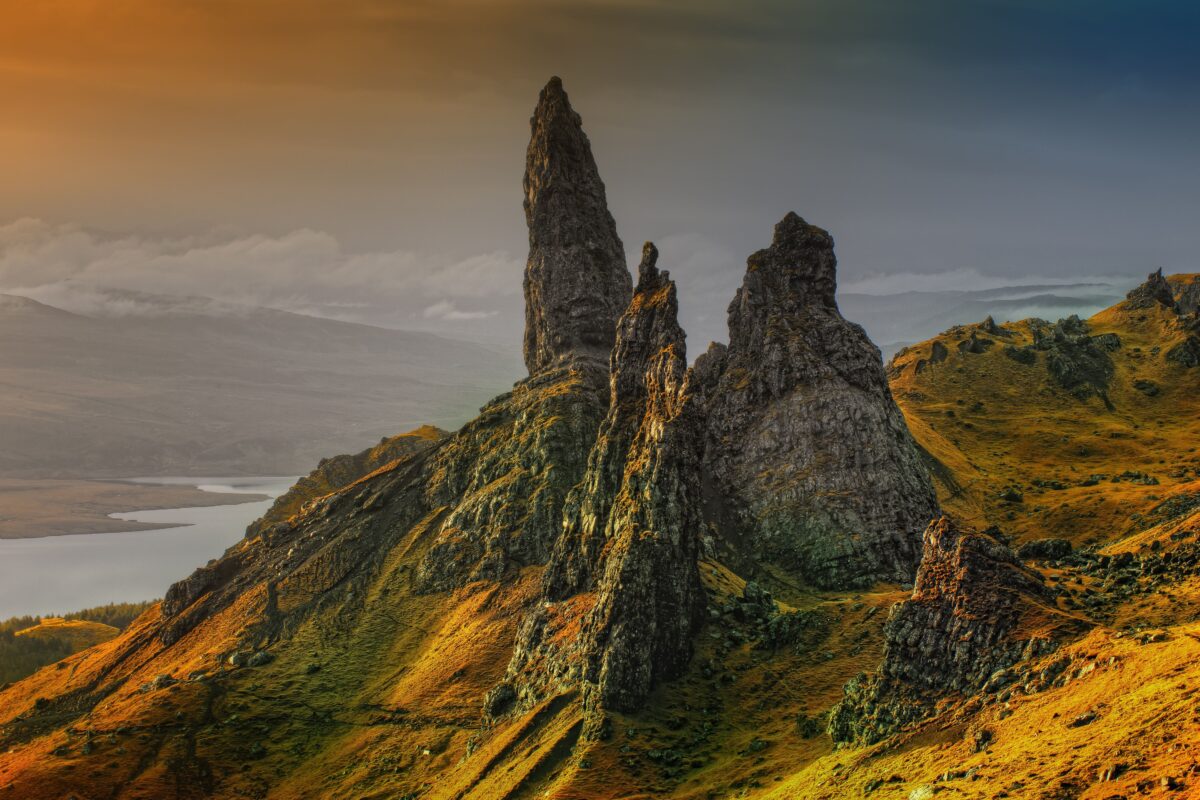
The island circuit that gives the Atlantic edge of Scotland in the depth it rewards: two days on the Isle of Skye for the Fairy Pools in the early morning and the Quiraing above the cloud and the Old Man of Storr at 7am when the pillar is in the cloud and the Trotternish Ridge is below it, two days on the Outer Hebrides (Lewis and Harris) for the Callanish Standing Stones at dawn and the Harris Tweed weaver on the roadside loom and the specific Hebridean beach at Luskentyre that the Atlantic gives white and the sea gives turquoise in the specific combination that the Caribbean charges £3,000 more to approximate, and three days on the mainland — Applecross, Torridon, and the Bealach na Bà — for the mountain and the sea visible simultaneously, which is the specific Scotland that the Edinburgh visitor and the Skye visitor both miss.
Reading time: 11 minutes | Last updated: 2026
The Scottish islands require the specific visitor disposition of the person who is comfortable with the weather changing their plans. The Skye mist that descends on the Quiraing at 9am having been clear at 7am is not a failure of planning — it is the Skye weather operating normally. The response is: the rain jacket is on, the boots are on, and the visibility at 50 metres in the cloud is a different experience from the visibility at 50km in the clear, and the different experience is also specific and also worth the presence.
Before You Leave
The car: Essential. Pick up at Inverness or Glasgow Airport. The island ferry connections (the CalMac — Caledonian MacBrayne — ferry service connecting the mainland to Skye (Mallaig-Armadale or the Skye Bridge from Kyle of Lochalsh) and Skye to the Outer Hebrides (Uig-Tarbert and Uig-Lochmaddy)): book at calmac.co.uk — the car ferry in peak season (July-August) books out weeks ahead.
The midge: Full detail in 7 Days in the Scottish Highlands. The midge cream is not optional on the west coast and the Outer Hebrides in June-August.
The season: May-June (the long days, the wildflowers, the pre-peak-midge) and September-October (the autumn colours, the post-peak crowd) are the island optimal windows.
The Route
Inverness → Kyle of Lochalsh → Isle of Skye (2 nights) → CalMac Uig-Tarbert → Harris and Lewis (2 nights) → CalMac return → Applecross and Torridon (2 nights) → return Inverness
The 7 Days
DAYS 1-2 — Isle of Skye
Day 1: The Fairy Pools and the Quiraing
6:00am — The Fairy Pools:
The Fairy Pools (the series of clear mountain pools on the Allt Coir’ a’ Mhadaidh below the Black Cuillin — the path from the car park at Glenbrittle, 1.5km to the first pools, the water temperature at 8-12°C from the Cuillin source, the pools in the specific Skye morning when the mountains are clear and the pools are the colour of the sky they reflect):
At 6am: two other people on the path. At 10am: 200. The path is free; the car park charges £3-4.
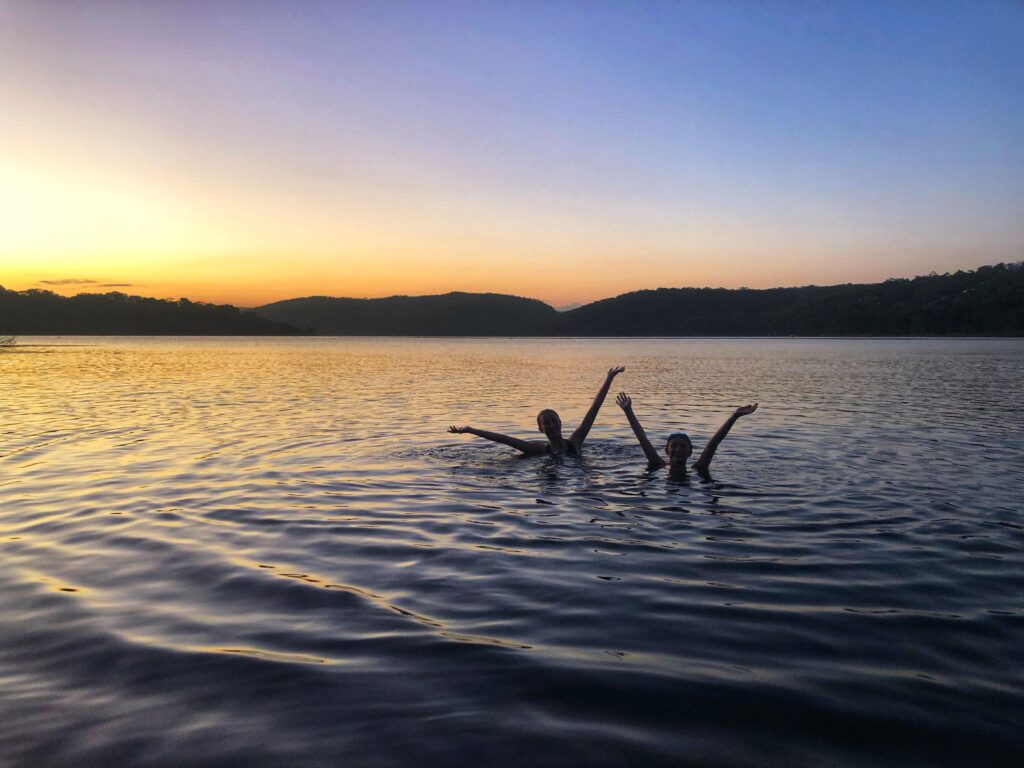
The wild swim in the pools (the cold shock at entry, the specific Scotland cold water experience described in Wild Swimming Destinations in Europe, the post-swim view of the Cuillin from the pool surface): the most specifically Scottish single outdoor activity.
The Quiraing:
The Quiraing (the landslide on the Trotternish Ridge above Staffin — the rock formations (the Needle, the Table, the Prison) visible from the car park at the top of the Staffin-Uig road, the walk along the cliff base with the Atlantic visible below and the ridge above):
The Quiraing in cloud (the specific Skye experience — the formations emerging and disappearing in the mist, the scale comprehensible only at the moments of visibility, the specific Scotland geology of the Jurassic basalt lava flows tilted by the landslide made visible in the cliff face): the walk at 1,000 metres in the cloud, free.
Day 2: The Old Man of Storr and the Castle
7:00am — The Old Man of Storr:
The Old Man of Storr (the 48-metre basalt pinnacle on the Trotternish Ridge — the walk from the forestry car park (4km return, 1.5 hours, steep ascent), the pinnacle visible at the ridge edge against the sky, the Raasay and the Rona visible to the east from the viewpoint):
At 7am: the car park empty, the path to yourself, the Old Man in the early light. By 10am: the most visited single site on Skye.
The Dunvegan Castle:
The Dunvegan Castle (the seat of the MacLeod Clan since the 13th century — the oldest continuously occupied castle in Scotland, the Fairy Flag (the yellowed silk banner with the specific clan legend that the banner would save the clan in their three greatest battles), the seal colony visible from the castle boat trip on Loch Dunvegan): entry £14 / £14.
Where to stay on Skye: The Sligachan Hotel (the mountaineering hotel at the Cuillin access point: £80-150/night), the Flodigarry Hotel (the north Skye traditional hotel: £90-160/night), the Portree independent hostel (private rooms from £30-55/night).
DAYS 3-4 — Lewis and Harris
The CalMac ferry Uig-Tarbert (1 hour 45 minutes):
The ferry from the Uig pier on Skye’s west coast to the Tarbert pier on Harris. Book at calmac.co.uk — the car ferry, £45-65 per car and driver return.
Day 3: The Callanish Stones and the Harris Tweed
The Callanish Standing Stones:
The Calanais (the Neolithic stone circle on the west coast of Lewis — the 5,000-year-old megalithic monument, the 13 standing stones in the avenue and the circle surrounding the central monolith, the chamber tomb at the circle’s centre):
At dawn (the first light — in June, the sunrise at 4:30am, the stones lit from the east, the Loch Roag visible below): the most specifically atmospheric single monument in Scotland and one of the finest in Britain. Free access at all hours.
The stones in the rain (the Callanish in the westerly rain — the stones darkening in the wet, the mist over the Loch Roag, the specific Hebridean atmosphere that the Clear Sky Scotland calendar avoids and that the stone circle rewards): the correct Callanish is the wet Callanish.
The Harris Tweed weaver:
The Harris Tweed (the cloth woven by the island community in their own homes using the Scottish wool dyed and spun in the local mills — the specific Harris Tweed orb trademark guaranteeing the island-woven cloth, the weaver visible at the loom through the cottage window in the croft villages of Lewis and Harris):
The roadside weaver (the weavers who accept visitors to their workshops — the loom visible in the cottage outbuilding, the tweed at production, the specific sound of the Hattersley loom (the mechanical treadle loom on which all Harris Tweed is woven) audible from the road): free to observe, the tweed available to purchase at the mill price.
Day 4: The Luskentyre Beach
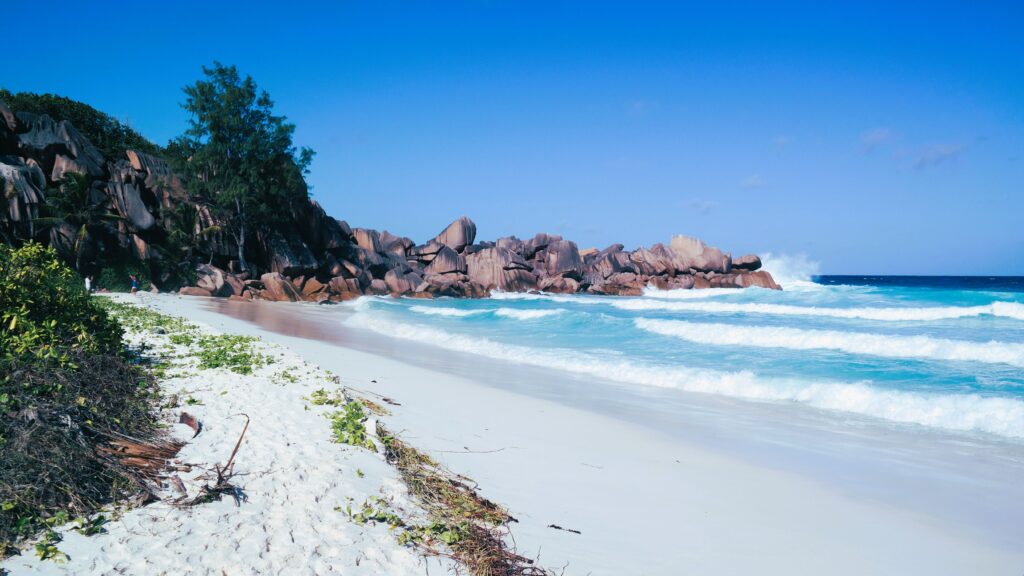
The Luskentyre (the beach on the south Harris coast — the Atlantic-facing beach, the white shell sand (the machair shell-fragment sand), the turquoise water (the Atlantic shallow over the white sand giving the specific colour that the Caribbean gives at 28°C and that the Atlantic gives at 14°C)):
The Luskentyre is not the warmest beach in this guide. It is the most beautiful beach in this guide. Both are true simultaneously.
The walk along the beach at 7am (the beach at the morning, the oystercatcher visible at the tide line, the Atlantic visible to the horizon, the South Harris hills behind): free.
The Leverburgh to Berneray ferry (the CalMac passage connecting Harris to North Uist, the inter-island ferry through the Sound of Harris — the most scenically specific CalMac route available): £9.50 adult, £46 car and driver return.
DAYS 5-7 — Applecross and Torridon
Day 5: The Bealach na Bà
Full detail in 7 Days in the Scottish Highlands. The Skye circuit extension instruction: the Bealach na Bà is most dramatic approached from the east (the road ascending from Lochcarron through the hairpins) rather than descending from the west. The drive Torridon → Lochcarron → Bealach → Applecross gives the ascent in the correct direction.
The Applecross Inn:
The Applecross Inn (the pub at the shore of Applecross Bay — the fresh seafood from the local boats, the langoustine, the haddock, the specific west Scotland pub that the isolation of the peninsula gives its character): the lunch or the dinner that earns the descent.
Days 6-7: The Torridon Mountains
Full detail in 7 Days in the Scottish Highlands. The specific island circuit addition: the Beinn Alligin ridge walk (the 9km horseshoe, the Horns of Alligin, the 986-metre summit, the Torridon sea loch visible from the ridge in both directions — the most complete Torridon day available in a single walk):
The walk requires the 1:25,000 OS map, the navigation skill in cloud, and the full day (7-9 hours). The NTS (National Trust for Scotland) visitor centre in the Torridon village gives the conditions assessment.
What It Costs
| Category | Budget | Mid-Range |
|---|---|---|
| Return flights (UK-Inverness) | £30-100 | £50-150 |
| Car hire (7 days) | £200-350 | £280-450 |
| CalMac ferries (Skye, Harris, Uig) | £100-150 | £100-150 |
| 7 nights accommodation | £175-420 | £350-700 |
| Food (7 days) | £100-200 | £200-400 |
| Activities | £20-50 | £40-100 |
| Fuel (approx 900km) | £90-120 | £90-120 |
| Total | £715-1,390 | £1,110-2,070 |