


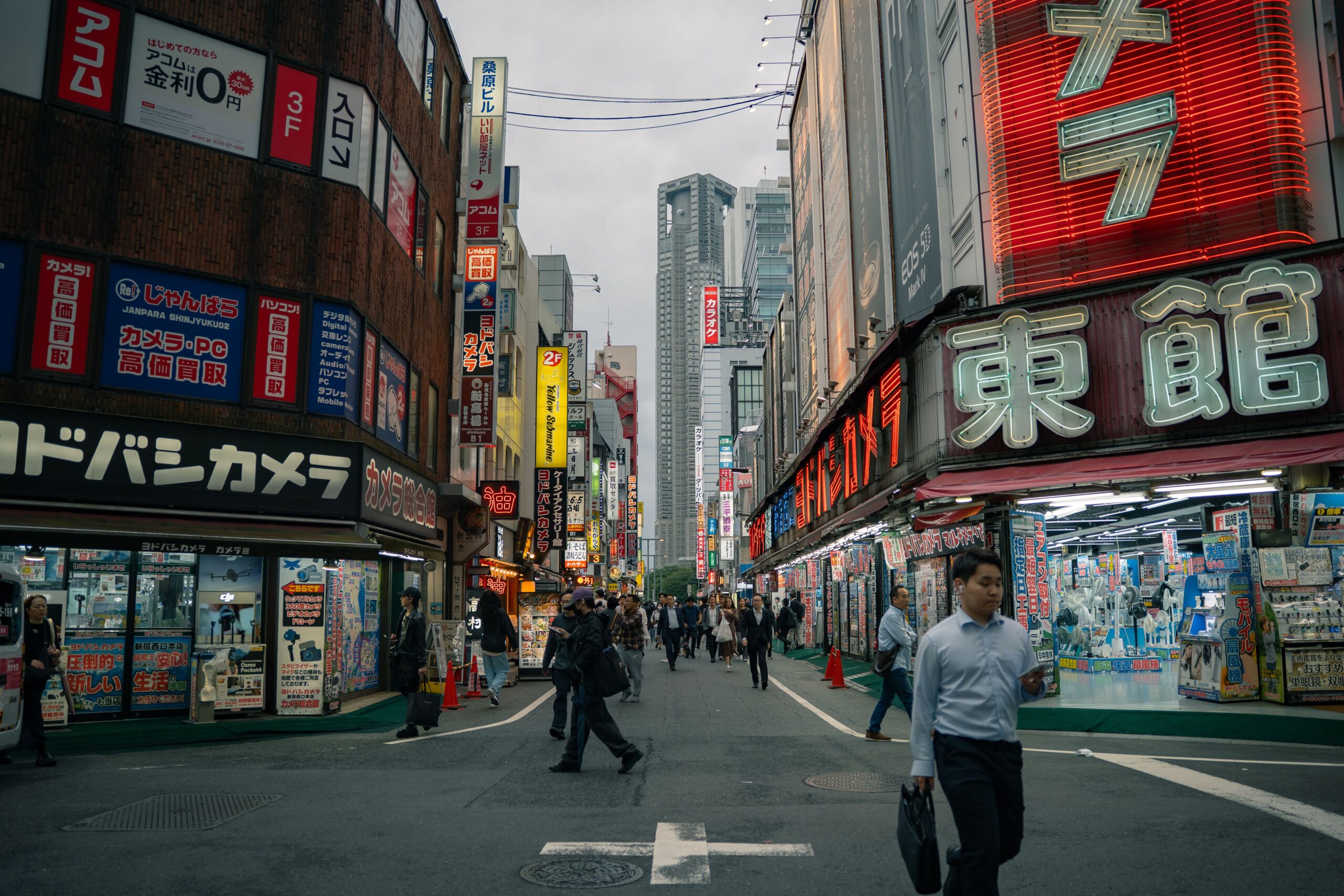
The marathon destination guide for the runner who wants the race and the city: the Tokyo Marathon for the 35,000-strong field and the course through every major Tokyo district and the specific Japanese crowd support (the volunteers who bow at the aid stations and hand the water with both hands, which is the specific Japanese formality extended to the foreign runner who is suffering appropriately), the Athens Classic Marathon for the course from Marathon to the Panathenaic Stadium that is the original course and that gives the specific marathon at its most historically appropriate, and the Comrades Ultra in South Africa for the 89km road race between Durban and Pietermaritzburg that is the world’s largest ultra and that the South African running community regards as the specific test of the correct disposition.
Reading time: 7 minutes | Last updated: 2025
The Rankings
1. Tokyo Marathon — March, Japan
The race: The Tokyo Marathon (the World Marathon Major — the 42.195km course through central Tokyo, the 35,000+ runner field (the second largest in the World Marathon Majors by field size), the course through the Imperial Palace area, the Asakusa Sensoji temple district, and the final approach along the waterfront to the Finish Line at the Tokyo Big Sight):
The entry: The ballot (the Tokyo Marathon operates the open ballot system — the application period in August-September for the following March race, the ballot result in October-November): the acceptance rate approximately 10-15% for the open ballot. The charity entry (the guaranteed entry via the official charity programme, the minimum sponsorship of approximately ¥100,000-300,000 / £530-1,590): the accessible route for the runner who does not want to rely on the ballot.
The specific Tokyo marathon quality: The course support (the 35,000+ volunteers along the 42km course, the aid station every 2.5km, the ambulance-to-runner ratio that makes the Tokyo Marathon the medically best-supported major marathon in the world) and the crowd support (the specific Japanese crowd support — the volunteers in the Asakusa section who bow to the runners, the schoolchildren in the Ginza section who clap in unison, the specific Japan formality applied to the informal event of 35,000 people running through the city):
Registration: tokyo42195.org — ballot opens August, race in early March.
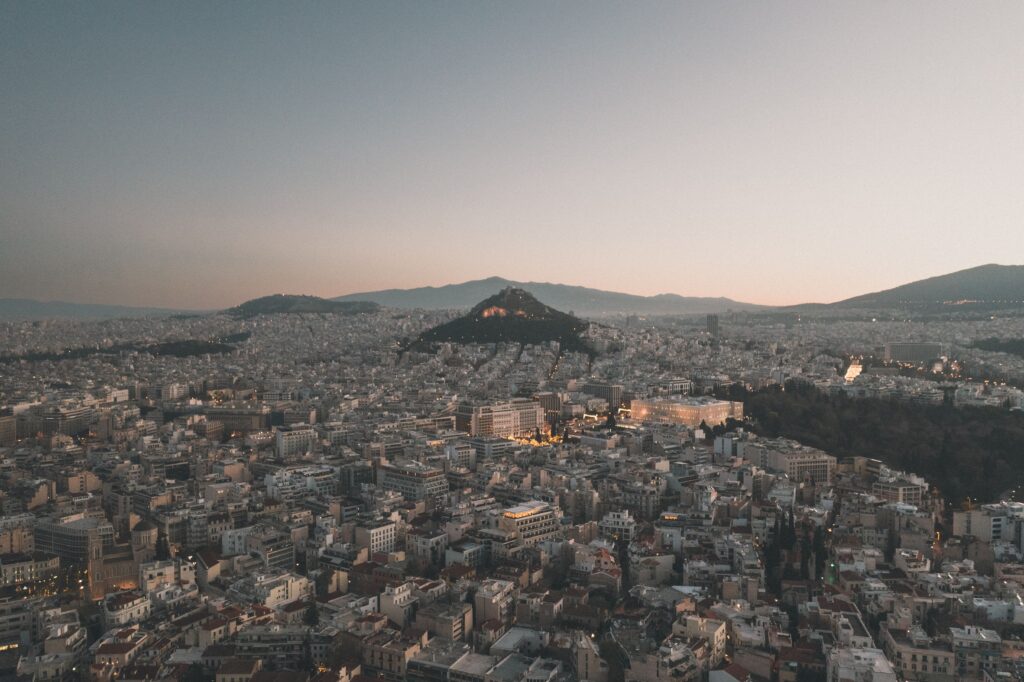
2. Athens Classic Marathon — November, Greece
The race: The Athens Classic Marathon (the race from the town of Marathon to the Panathenaic Stadium in central Athens — the original course of the 490 BCE run that Pheidippides completed before dying, the specific marathon at its most historically appropriate):
The course is not fast (the significant elevation change in the final 10km before the Panathenaic Stadium descent, the mid-race hills between Marathon and the suburb of Nea Makri, the specific difficulty that the Athens course imposes relative to the Berlin or Chicago flat course): the Athens Classic is not the correct marathon for the runner targeting a personal best. It is the correct marathon for the runner who wants to run the marathon on the ground where the marathon was invented.
The Panathenaic Stadium finish (the 50,000-seat marble stadium built in 329 BCE and restored for the 1896 Olympic Games — the only stadium in the world built entirely from marble, the finish line at the stadium’s far end visible as the runner turns into the tunnel from the street):
Registration: athensauthenticmarathon.gr — opens June, race in November.
3. Big Sur International Marathon — April, California
The race: The Big Sur International Marathon (the point-to-point course from Big Sur Station to Carmel-by-the-Sea on the California Highway 1 — the 42km course along the Pacific coast, the Bixby Creek Bridge at mile 12 (the most photographed single marathon moment in the US), the Pacific Ocean visible on the left throughout, the marathon that the running community cites as the most beautiful course in the world):
The entry: The ballot system (the Big Sur operates the lottery — the application in October-November, the result in December): the 4,500 runner field limit (the smallest field of any marathon in this guide) gives the course the specific quality that the 35,000-runner field of Tokyo does not have — the openness of the road, the whale visible in the ocean, the condor overhead.
Registration: bsim.org — lottery opens October, race in late April.
4. Comrades Ultra — June, South Africa
The race: The Comrades Marathon (the 89km ultra between Durban (sea level) and Pietermaritzburg (760 metres) — the “up run” in odd years (Durban to Pietermaritzburg, net ascent 1,400 metres), the “down run” in even years): the world’s largest ultra marathon by field size (25,000+ runners), the South African national event, the race that has been run since 1921:
The Comrades cut-off (the 12-hour cut-off — the race closes at 12 hours exactly, the electronic timing cutting the finish line off at the precise second, the runners who cross the line at 12:00:01 not receiving the finisher medal): the 12-hour cut-off is the specific Comrades character — the race does not wait.
Registration: comrades.com — opens November, race in late May/early June.
The Practical Considerations
The training volume: The marathon (42.195km) requires 16-20 weeks of structured training at 50-70km per week in the peak phase. The ultra (the Comrades 89km) requires 20-24 weeks at 70-100km per week in the peak phase. Both require the consistent base training year-round.
The travel timing: The marathon week in Tokyo (late February-early March) requires the flight booking 6-9 months ahead (the Tokyo hotel rates double in marathon week). The Athens November marathon gives the shoulder-season Athens (the tourist crowds gone, the temperature at 15-20°C, the correct Athens) with the race entry secured by August.