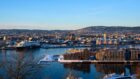
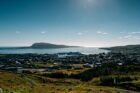

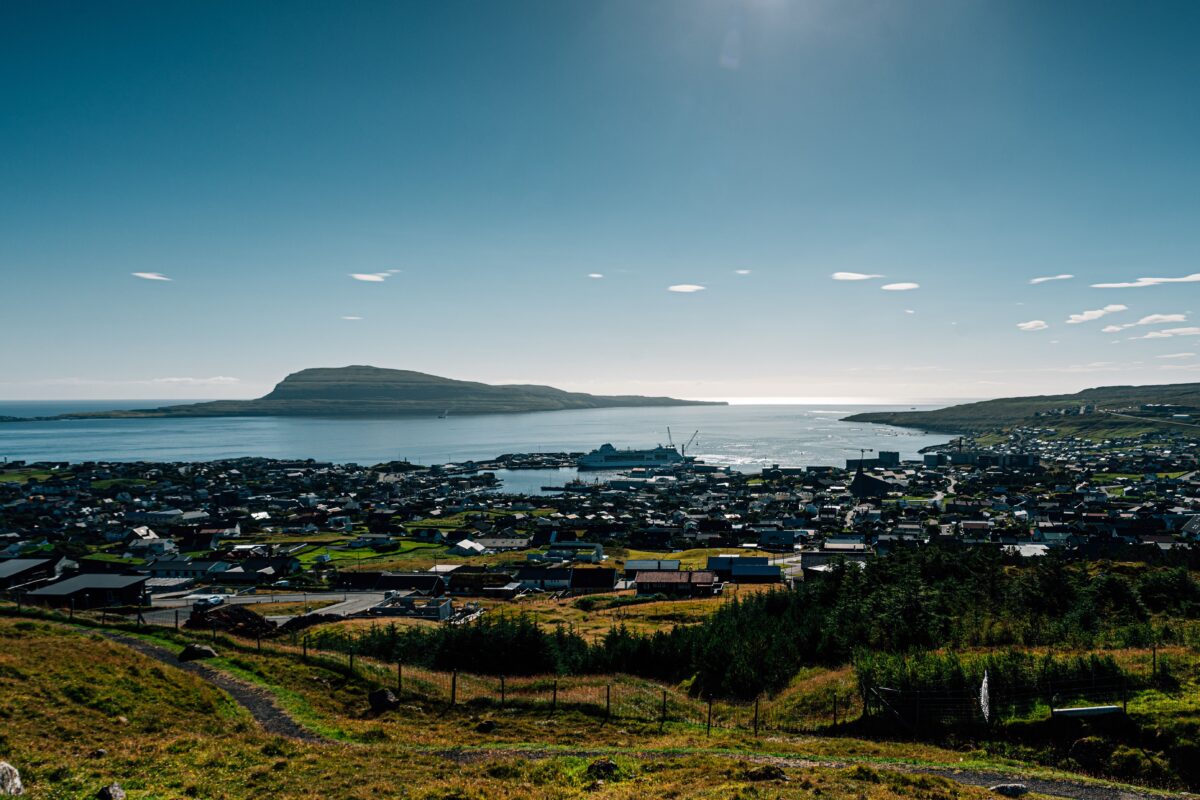
The Faroe Islands offer something genuinely rare in Europe: large stretches of the archipelago with no mobile signal at all, dramatic, isolated landscapes, and a population small enough (around 54,000 people across 18 islands) that genuine solitude is achievable within a short flight from the UK.
7 days in the Faroe Islands, structured around genuinely limited connectivity, costs roughly £680-£820 per person excluding flights, based on mid-range guesthouse stays, three meals a day, and a rental car for the full week. Direct flights from the UK run 2 hours to Vágar Airport.
Why the Faroe Islands Genuinely Support a Digital Detox
Unlike destinations that market “digital detox” as a lifestyle choice within areas that still have full connectivity, the Faroe Islands offer genuine, unavoidable disconnection across significant stretches of the archipelago. Mobile coverage exists in and around the main towns but drops out entirely across many of the more remote hiking routes and smaller islands, making disconnection a structural feature of the trip rather than a matter of self-discipline alone.
- Population density: roughly 54,000 people across 18 islands, meaning vast stretches of dramatic coastline and mountain terrain see genuinely minimal human presence
- Weather-driven isolation: the islands’ famously changeable weather, fog, wind, and rain can shift within hours, adds a further layer of genuine disconnection from planned schedules and constant availability
The 7-Day Route at a Glance
| Days | Location | Highlight | Accommodation Cost |
|---|---|---|---|
| 1-2 | Tórshavn & Streymoy | Capital exploration, Saksun village | £70-£110/night |
| 3-4 | Vágar & Mykines | Múlafossur waterfall, puffin colonies | £65-£100/night |
| 5-6 | Eysturoy & Kalsoy | Gjógv village, Kallur Lighthouse hike | £60-£95/night |
| 7 | Tórshavn | Return and buffer day | £70-£110/night |
Day-by-Day Breakdown
Days 1-2: Tórshavn & Streymoy
Tórshavn, one of the smallest capital cities in the world, offers a genuine, low-key introduction before the more remote legs of the trip begin.
- Tórshavn’s old town (Tinganes): free to walk, a genuinely atmospheric turf-roofed government quarter dating back centuries
- Saksun village: roughly 45 minutes from Tórshavn, a dramatically isolated settlement built around a tidal lagoon, genuinely one of the most photographed spots in the Faroes and a strong introduction to the archipelago’s remote character
- Dinner: a full Faroese meal (lamb is the regional staple, alongside fish) runs 250-400 DKK (£28.75-£46) per person, reflecting the islands’ generally high cost of living
- Accommodation: guesthouses in Tórshavn from £70-£110/night
Days 3-4: Vágar & Mykines
The drive to Vágar takes roughly 30-40 minutes from Tórshavn via an undersea tunnel, reaching the island home to the archipelago’s main airport and some of its most dramatic coastal scenery.
- Múlafossur Waterfall: free, a genuinely striking waterfall dropping directly into the sea beside the village of Gásadalur, one of the most photographed locations in the Faroe Islands
- Mykines boat trip and puffin colonies: ferry roughly 250-350 DKK (£28.75-£40.25) return, weather-dependent and often cancelled given the crossing’s exposure; Mykines itself has essentially no mobile signal, a genuine highlight for anyone specifically seeking disconnection
- Dinner: a full meal at a Vágar guesthouse or the airport town of Sørvágur runs 220-350 DKK (£25.30-£40.25) per person
- Accommodation: guesthouses on Vágar from £65-£100/night
The honest verdict on Mykines: weather cancellations are genuinely common given the exposed crossing, worth building a flexible buffer day into the itinerary rather than assuming the trip guarantees this specific visit.
Days 5-6: Eysturoy & Kalsoy
Connected to the main islands via tunnel and bridge, Eysturoy and the smaller island of Kalsoy (reached by a further short ferry) offer some of the archipelago’s most demanding and rewarding hiking.
- Gjógv village: free to explore, a small settlement built around a dramatic natural sea gorge
- Kallur Lighthouse hike on Kalsoy: free, a genuinely demanding but spectacular ridge walk (roughly 2.5-3 hours round trip) offering views across multiple islands, with mobile signal entirely absent for most of the route
- Dinner: a full meal in Eysturoy or back in Tórshavn runs 250-380 DKK (£28.75-£43.70) per person
- Accommodation: guesthouses on Eysturoy from £60-£95/night
Day 7: Return to Tórshavn
A final day back in the capital, with buffer time for any earlier leg affected by the islands’ genuinely unpredictable weather.
What £680-£820 Actually Covers
| Category | Total for 7 Days (GBP, per person) |
|---|---|
| Accommodation (6 nights, split two ways) | £200-£320 |
| Food (three meals daily) | £190-£280 |
| Rental car (full week, split two ways) | £90-£130 |
| Ferries/activities | £50-£75 |
| Total | £530-£805 |
Step-by-Step: Planning This Trip
- Rent a car for the full week, since the Faroe Islands’ road network, while genuinely impressive given the terrain (including several dramatic undersea tunnels), requires independent transport to reach the more remote hiking areas.
- Build in flexible buffer days for weather-dependent activities, particularly the Mykines boat trip, given the archipelago’s genuinely unpredictable Atlantic weather patterns.
- Download offline maps before travel, given the genuine mobile signal gaps across significant stretches of the trip’s most remote sections.
- Pack proper waterproof and windproof layers regardless of season, since Faroese weather can shift dramatically within hours even during summer months.
- Book Mykines ferry tickets with awareness of cancellation risk, and have a backup activity plan for that specific day given the crossing’s genuine weather sensitivity.
Frequently Asked Questions
Do UK citizens need a visa for the Faroe Islands?
The Faroe Islands are a self-governing territory of Denmark but not part of the EU or Schengen Area; UK passport holders can generally visit visa-free for short tourist stays, though carrying a passport is required given the islands’ distinct immigration status from mainland Denmark.
Is mobile signal genuinely absent across the whole trip, or just specific areas?
Coverage exists in and around the main towns (Tórshavn, Klaksvík) but drops out entirely across many remote hiking routes and smaller islands like Mykines, making the disconnection genuine but not absolute throughout the full week.
Is the Faroe Islands trip suitable for less experienced hikers?
Partially, several routes (Saksun, Gjógv village walks) require minimal fitness, while others (the Kallur Lighthouse hike, Mykines’ puffin colony trail) demand genuine fitness and sure-footedness given exposed cliff-edge sections.
What is the best time of year for this trip?
May-August offers the most reliable weather and the longest daylight hours, with the Faroe Islands’ northern latitude bringing genuinely short winter days that make a winter visit considerably more challenging for this specific itinerary.
Food: What to Actually Expect
Faroese cuisine leans heavily on lamb and fish, reflecting the islands’ historical reliance on what could be raised or caught locally rather than imported. Ræst kjøt (wind-dried, fermented lamb) and ræstur fiskur (similarly fermented fish) represent the most distinctly Faroese specialties, genuinely worth trying at least once despite their strong, acquired-taste flavour profile. More approachable options include fresh grilled salmon and lamb stew, both widely available and consistently well-prepared across the archipelago’s guesthouses and small restaurants.
The Bottom Line
The Faroe Islands deliver a genuinely rare, structurally enforced digital detox within a short flight from the UK, dramatic landscapes and real disconnection across significant stretches of the archipelago, rather than a marketed lifestyle choice within an otherwise fully-connected destination. The trade-off is the islands’ genuinely high cost of living and unpredictable weather, both worth building flexibility around rather than fighting.