


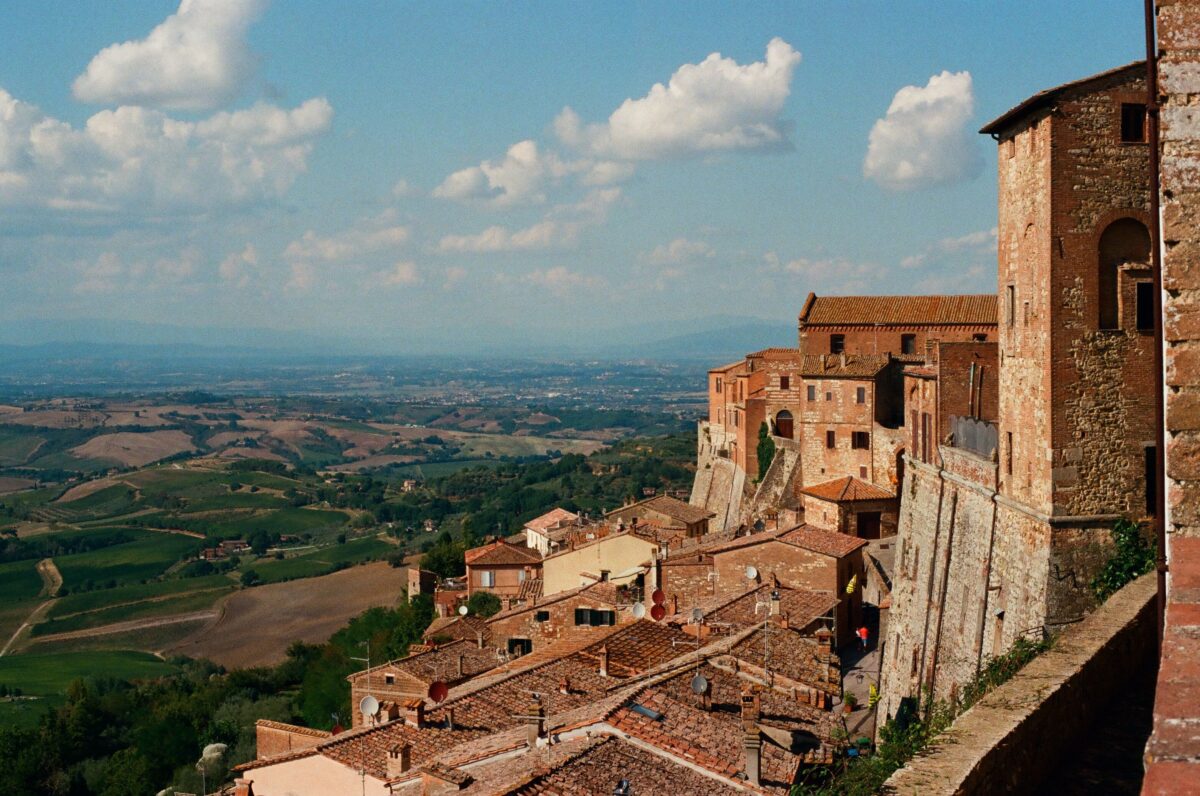
Rather than a rushed circuit through Florence, Siena, and Pisa, this guide covers a genuinely different approach: renting a single Tuscan village home for a full month, letting the trip’s rhythm follow local life rather than a tourist itinerary.
Quick answer: a 30-day stay in a mid-sized Tuscan village costs roughly £1,800-£2,600 per person based on two people sharing, covering accommodation, food (largely self-catered with local markets), and local transport, excluding flights. This works out considerably cheaper per day than a conventional week-long Tuscany trip once accommodation is spread across a full month.
Why a Single Village Rather Than a Circuit
Tuscany’s conventional tourist circuit, Florence, Siena, San Gimignano, Pisa, all in a week, genuinely rewards efficiency but sacrifices the slower rhythm that makes rural Italian life distinctive. A month in a single village allows for grocery shopping to become genuinely routine, relationships with local shopkeepers and café owners to develop naturally, and day trips to be chosen based on weather and mood rather than a fixed itinerary.
Choosing the Right Village
Not every Tuscan village suits a month-long stay equally well. The strongest candidates balance genuine local character with enough basic infrastructure (a market, a few restaurants, reasonable road access) to support daily life without needing to drive for every errand.
- Pienza: a genuinely well-preserved Renaissance-planned town, strong for its cheese market (pecorino di Pienza) and manageable size for a month-long base
- Montepulciano: slightly larger, offering more amenities while retaining strong village character, well known for its Vino Nobile wine
- Cortona: made internationally famous by “Under the Tuscan Sun,” genuinely charming though correspondingly more visited by day-trippers than the quieter alternatives
- Volterra: less internationally known, offering a genuinely authentic, less tourist-oriented base with strong Etruscan and medieval history
What a Typical Week Actually Looks Like
The rhythm of a month-long stay differs fundamentally from a rushed sightseeing trip, built around a few structural anchors rather than a packed daily schedule.
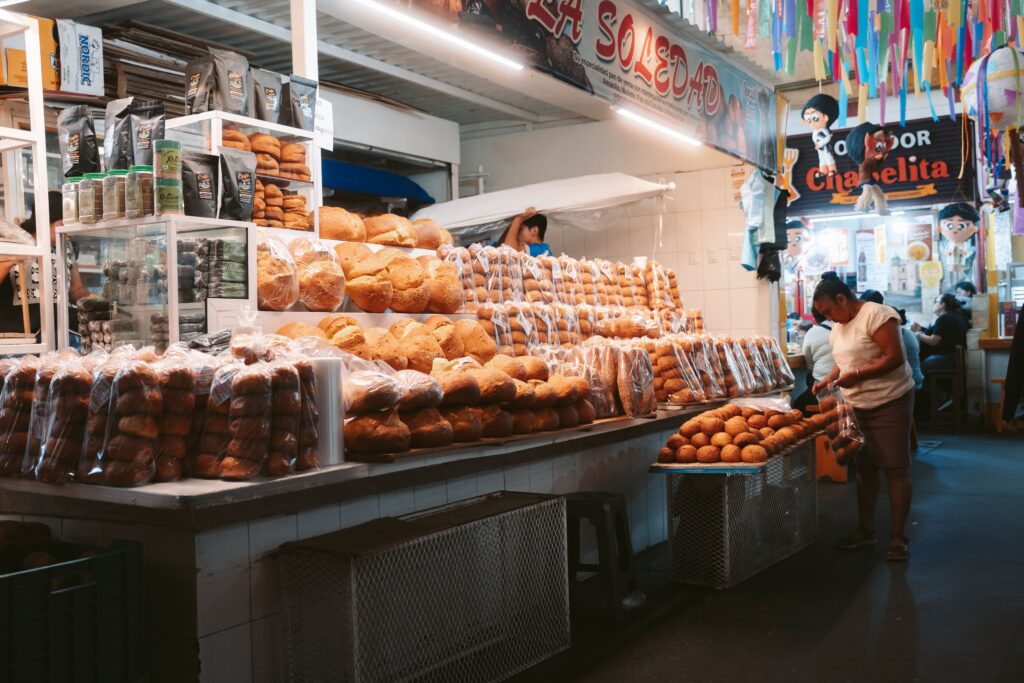
- Weekly market day: most Tuscan villages hold a fixed weekly market, genuinely worth building the week’s grocery shopping around, both for freshness and the social rhythm it creates
- One or two day trips per week: rather than daily sightseeing, a slower pace allows for occasional trips to nearby towns (Siena, San Gimignano, or a specific vineyard) without needing to cram everything into a tight schedule
- Regular cooking: self-catering becomes the default rather than the exception, using the month to genuinely engage with Tuscan market ingredients and simple regional cooking rather than restaurant dining every night
What a Month Actually Costs
| Category | Total for 30 Days (GBP, per person, based on two sharing) |
|---|---|
| Accommodation (village house rental) | £900-£1,300 |
| Food (mostly self-catered, some dining out) | £450-£650 |
| Local transport (occasional car hire for day trips) | £150-£250 |
| Activities/wine tastings | £100-£180 |
| Total | £1,600-£2,380 |
Compared to a conventional week-long Tuscany trip, which typically runs £800-£1,200 per person for accommodation and food alone given hotel and restaurant pricing, a month-long stay delivers roughly four times the duration for a proportionally smaller cost increase, given the substantially lower per-night rate a longer rental commands and the shift toward self-catering.
Step-by-Step: Planning This Trip
- Book accommodation directly with a local property manager or agency rather than a standard short-stay platform, since month-long rentals often receive meaningfully better rates through direct booking than the nightly rates listed on typical holiday rental sites.
- Choose a village with a genuine weekly market and at least a small grocery shop, ensuring daily life doesn’t require constant driving for basic errands.
- Rent a car for the full month, but budget for it separately from daily transport, since it’s primarily needed for occasional day trips rather than everyday use within a walkable village.
- Learn basic Italian phrases before arrival, since a month-long stay in a smaller village involves considerably more genuine local interaction than a typical week-long hotel-based trip.
- Build in flexibility rather than planning every week in advance, allowing the trip’s actual rhythm to develop naturally once settled rather than importing a tourist itinerary’s pace into a fundamentally different kind of stay.
What Slow Travel Delivers That a Conventional Trip Doesn’t
The genuine value of this approach isn’t simply cost savings, though those are real, it’s the qualitative difference in how the destination is experienced. Regular customers at a local café or market stall genuinely notice and engage differently with a month-long visitor than a one-time tourist, and the accumulated familiarity with a single place’s rhythms offers something a circuit-based trip structurally can’t replicate regardless of how well-planned it is.
Frequently Asked Questions
Do UK citizens need a visa for a 30-day stay in Italy?
No for a stay of this length, since Italy is part of the Schengen Area and UK passport holders can visit visa-free for stays up to 90 days within any 180-day period, comfortably covering a 30-day village stay.
Is a rental car essential for this kind of trip?
Genuinely useful though not required every single day, since most chosen villages are walkable for daily life, with a car primarily valuable for weekly market runs to a larger town or occasional day trips further afield.
Is it difficult to find month-long rentals in smaller Tuscan villages?
Not particularly, though booking several months in advance, especially for peak spring and autumn seasons, genuinely improves both selection and pricing compared to last-minute booking.
What is the best time of year for a month-long Tuscany stay?
May-June and September-October offer the strongest combination of comfortable weather and lower accommodation demand compared to the July-August peak, when both prices and temperatures run notably higher.
Working Remotely During a Month-Long Stay
For travellers combining this trip with remote work, most well-equipped village rentals now offer genuinely reliable wifi given Italy’s broader rural connectivity improvements in recent years, though it’s worth confirming specific speed with the property manager before booking rather than assuming. The slower daily rhythm this approach encourages, market mornings, a relaxed lunch, focused afternoon work blocks, suits remote work genuinely well, arguably better than a packed sightseeing itinerary would, since the trip’s own pace doesn’t compete directly with maintaining a work schedule.
Bringing Family or Travelling Solo: Both Genuinely Work
A month-long village stay suits both solo travellers seeking genuine immersion and families wanting a slower-paced alternative to a packed sightseeing holiday. Solo travellers often find the extended stay naturally builds local connections that a shorter visit simply doesn’t allow time for, while families benefit from the stability of a single base, avoiding the repeated packing and unpacking a circuit-based itinerary demands, with children in particular often adapting well to the settled routine a month in one place provides.
The Bottom Line
A month in a single Tuscan village delivers a genuinely different kind of travel experience from the conventional week-long circuit, trading sightseeing density for a slower rhythm, real local familiarity, and a cost structure that rewards the longer commitment rather than punishing it. The honest recommendation is choosing this approach specifically for travellers wanting to actually live somewhere temporarily rather than simply visit it.