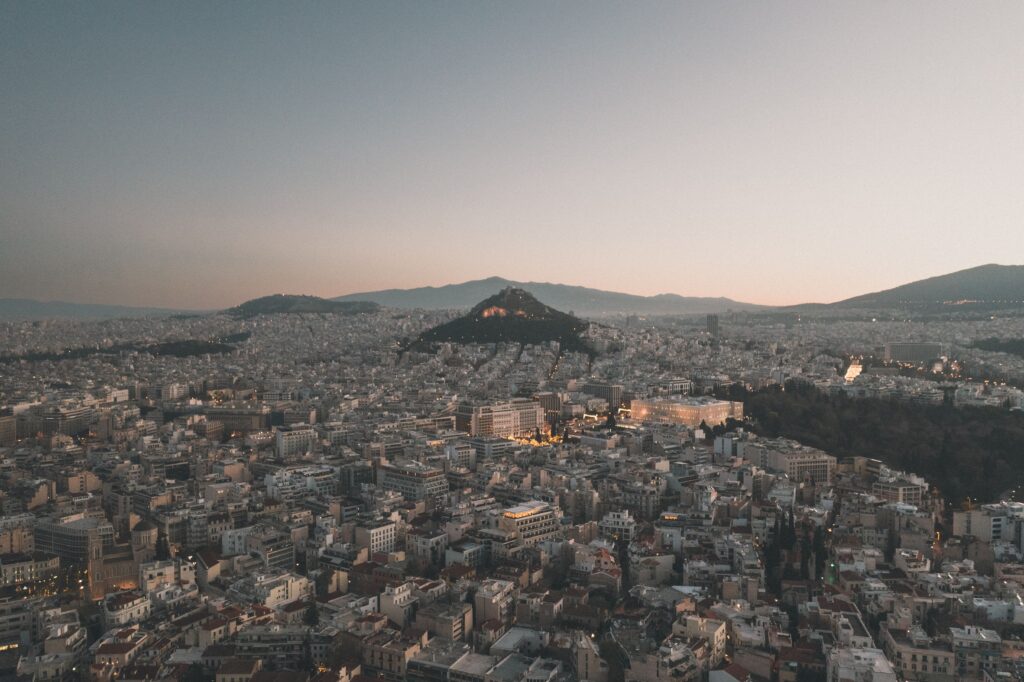



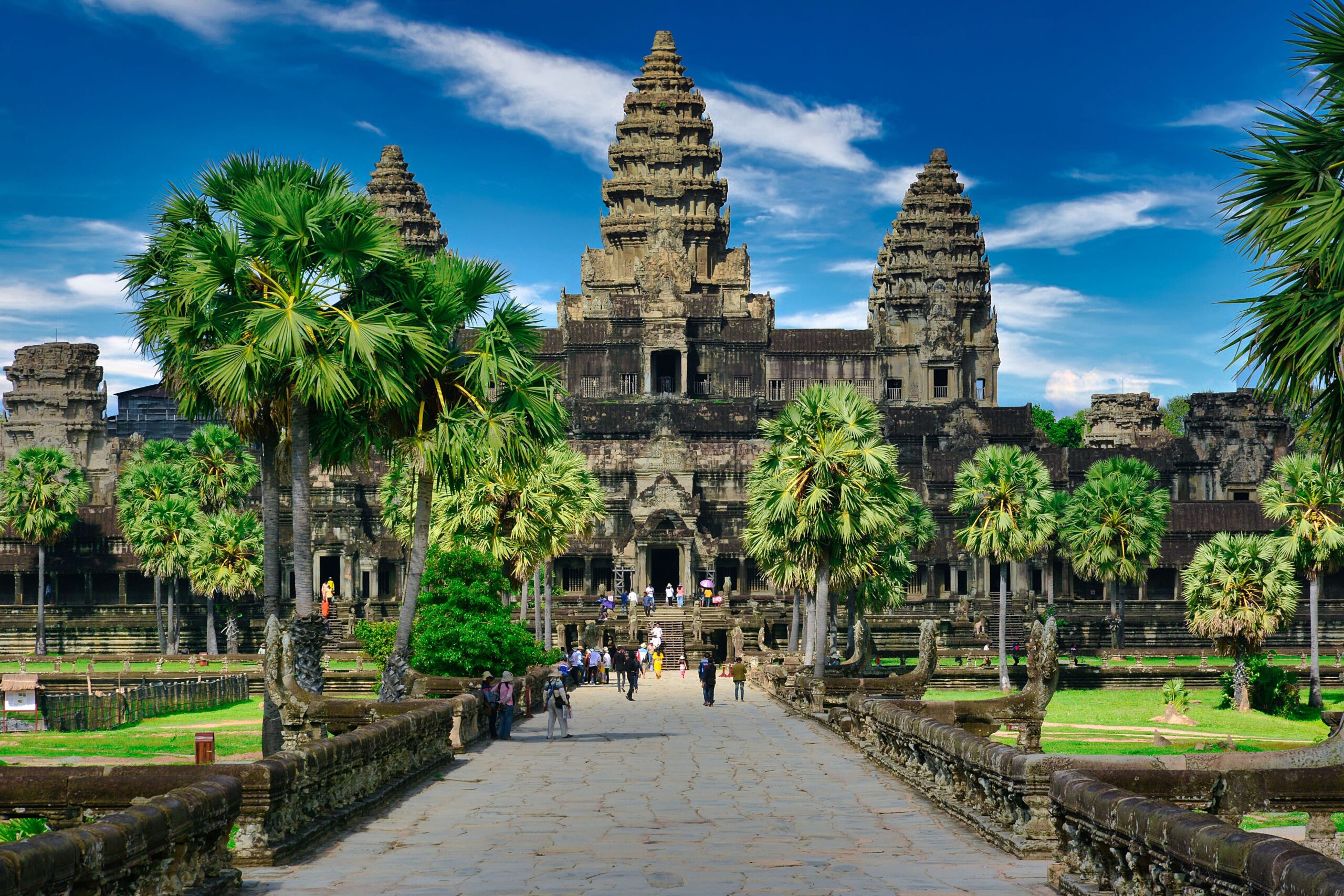
The comparison the traveller makes after Thailand: Laos or Cambodia? The answer: both are slower than Thailand, both are cheaper than Thailand, and they give genuinely different things. Laos gives the most relaxed single city in Southeast Asia (Luang Prabang — the monks at the alms round at 5:30am, the French colonial architecture, the Mekong at the town’s edge), the waterfalls of the Kuang Si, and the specific Laos quality of the country that has fewer tourists than any of its neighbours and that rewards the slower pace with access to the Laos that the tourist infrastructure has not yet reached. Cambodia gives the Angkor Wat complex (the most extraordinary single archaeological site in Southeast Asia, the 400 temples of the Khmer Empire visible from the bicycle in the forest) and the Phnom Penh genocide memorial that is the most morally significant single museum visit available in Southeast Asia.
Reading time: 7 minutes | Last updated: 2026
The Core Distinction
Laos is the country of the journey — the slow boat on the Mekong from Huay Xai to Luang Prabang (the 2-day river passage, the river life visible from the boat, the specific Laos that the road misses), the trek through the Nam Ha National Protected Area, and the Luang Prabang that the UNESCO listing preserved. Laos moves at the pace the visitor allows.
Cambodia is the country of the monument — the Angkor Archaeological Park (the 400 temples spread across 400 square kilometres of Siem Reap province, the Angkor Wat temple complex (the world’s largest religious monument by land area), the Ta Prohm (the jungle-reclaimed temple visible in every Angkor photograph) and the Bayon (the 216 stone faces of Lokesvara looking in every direction from the temple towers)) that justifies the flight on its own.
Category by Category
The Monument
Cambodia wins completely:
The Angkor Archaeological Park (the UNESCO World Heritage Site, the Khmer Empire’s capital from the 9th-15th centuries): the Angkor Wat at dawn (the reflection in the moat, the specific east-facing orientation giving the sunrise behind the five towers, the visit at 5:30am before the tour group buses arrive at 7am).
Laos has: The Wat Xieng Thong (the 16th-century Luang Prabang temple, the finest single temple in Laos), the Plain of Jars (the 2,000-year-old megalithic field in the Xieng Khouang Plateau — the stone jars whose purpose is not fully understood), and the Wat Phu (the pre-Angkor Khmer temple complex in the Champasak province). All excellent; not Angkor.
Verdict: Cambodia for the monument. Not close.
The Culture and Atmosphere
Laos wins:
The Luang Prabang alms round (the tak bat — the dawn ceremony at 5:30am when the orange-robed monks of the city’s 33 wats walk in silence along the Sakkaline Road receiving the sticky rice from the kneeling laypeople): the most specifically atmospheric single morning moment in Southeast Asia.
The Mekong sunset from the Luang Prabang waterfront (the deck bar above the river, the Laotian beer (Beer Lao — the specific Laos lager, the correct accompaniment for the Mekong sunset), the river at the pace that Luang Prabang imposes on every visitor who stays more than 2 days):
Cambodia has: The Phnom Penh evening (the riverfront, the night market, the city that is visibly rebuilding from the Khmer Rouge period), the Kampot (the riverside colonial town, the pepper plantation, the specific Cambodia of the south coast).
Verdict: Laos for the atmosphere. Cambodia for the history that the atmosphere is recovering from.
The History
Cambodia for the essential context:
The Tuol Sleng Genocide Museum (S-21 — the Phnom Penh school converted to the Khmer Rouge detention and torture facility, the photographs of the 17,000 prisoners who entered the facility and did not leave): the most morally essential museum visit in Southeast Asia and one of the most important in the world.
The Killing Fields of Choeung Ek (the execution site 15km south of Phnom Penh — the memorial stupa visible at the site centre, the 129 mass graves): the visit that gives the Cambodia visit its specific moral weight.
The visitor instruction: The Tuol Sleng and the Killing Fields together take a full day and require the psychological preparation — the audio guide (the testimony of the survivors) and the visual evidence give the specific Khmer Rouge history at the level of detail that the historical account does not. The visitor who skips both and goes directly to Siem Reap has experienced the monument without the context of what produced it.
The Practical Comparison
| Factor | Laos | Cambodia |
|---|---|---|
| Visa | e-Visa USD 35 / £27.56 | e-Visa USD 36 / £28.34 |
| Daily budget (mid-range) | £35-60/day | £40-70/day |
| Best season | Nov-Feb (cool, dry) | Nov-Mar (dry season) |
| Main arrival | Luang Prabang or Vientiane | Siem Reap or Phnom Penh |
Both countries are among the cheapest in Southeast Asia — daily costs 30-50% below Thailand at the comparable quality level.
The BGGD Verdict
Choose Laos if: The slow pace, the Mekong river journey, the Luang Prabang atmosphere, and the specific Southeast Asia that the tourist infrastructure has not fully reached are the primary motivation.
Choose Cambodia if: The Angkor Wat is the motivation (it is a sufficient motivation), the genocide memorial is important to visit (it is important), and the Phnom Penh-to-Siem Reap circuit is what the week allows.
The combined circuit (the correct answer): The Phnom Penh → Siem Reap → overnight bus or flight to Luang Prabang → the slow boat back to Chiang Mai gives the full Indochina argument in 2 weeks. The 2 Weeks in Southeast Asia guide covers this circuit at full depth.