

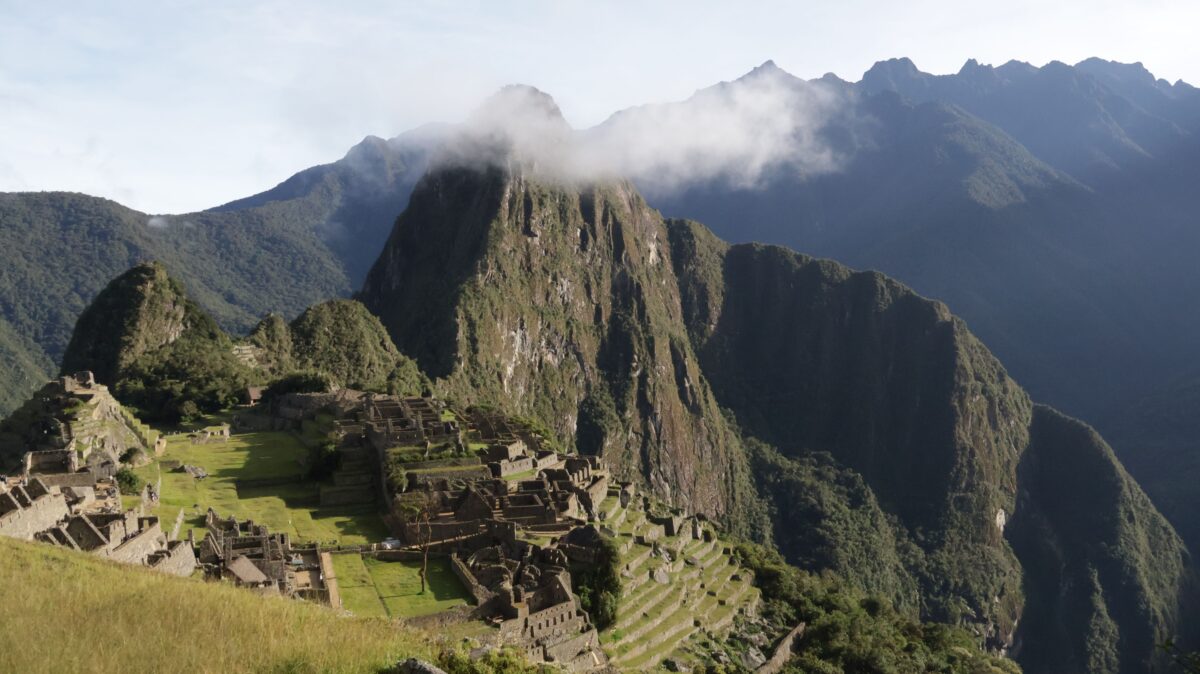
The classic Inca Trail to Machu Picchu has become so popular that Peru’s government caps daily permits at 500 people (including guides and porters), driving prices up and requiring booking months in advance. The Salkantay trek, a genuinely spectacular alternative route, delivers comparable mountain drama at roughly a third of the cost, without the permit scramble.
Quick answer: the Inca Trail is worth its premium price specifically for walking through the original Incan stone pathways and entering Machu Picchu via the Sun Gate at sunrise, a genuinely unique historical and experiential combination. The Salkantay trek delivers arguably more dramatic mountain scenery at a fraction of the cost, but arrives at Machu Picchu by bus like most other visitors rather than via that specific historic entrance.
Inca Trail vs Salkantay: Head-to-Head
| Factor | Classic Inca Trail | Salkantay Trek |
|---|---|---|
| Cost (per person, guided) | £700-£900 | £200-£350 |
| Permit requirement | Yes, capped at 500/day, book months ahead | No permit required |
| Duration | 4 days/3 nights | 4-5 days/3-4 nights |
| Maximum altitude | 4,215m (Dead Woman’s Pass) | 4,650m (Salkantay Pass) |
| Machu Picchu entry | Via the Sun Gate, following original Incan path | Via bus from Aguas Calientes, like most visitors |
What the Inca Trail Actually Delivers for £800
The Inca Trail’s specific, genuinely irreplaceable feature is walking the original stone pathway built by the Inca civilisation itself, arriving at Machu Picchu through the Sun Gate (Inti Punku) at sunrise, the same entrance historically used by those approaching from Cusco.
- Genuine historical authenticity: the trail passes several smaller Incan ruins along the route itself, offering historical context unavailable on alternative treks
- The Sun Gate arrival: genuinely one of the most celebrated moments in trekking worldwide, watching Machu Picchu emerge from the mist below as the sun rises, an experience specific to this exact route
- Permit scarcity drives genuine exclusivity: the 500-person daily cap means the trail, while still busy, offers considerably more managed crowd control than Machu Picchu’s main entrance sees from bus-arriving day visitors
What Salkantay Actually Delivers Instead
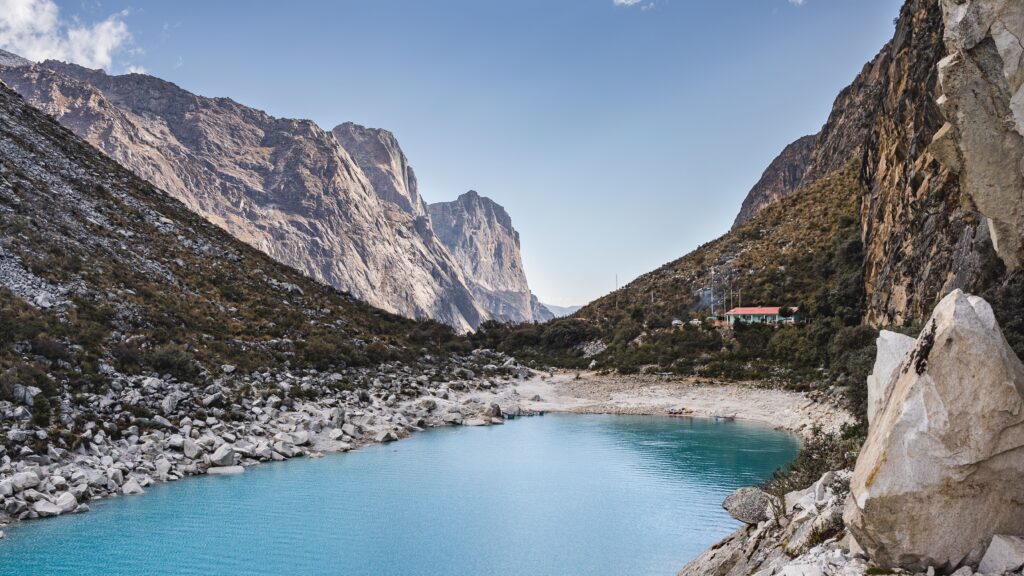
The Salkantay trek, passing beneath Salkantay Mountain (Peru’s fifth-highest, at 6,271m), offers genuinely more dramatic high-altitude mountain scenery than the Inca Trail’s route, given its higher maximum pass elevation and closer proximity to snow-capped peaks.
- No permit cap: genuinely more flexible booking, achievable with considerably less advance planning than the Inca Trail’s months-ahead requirement
- Dramatic glacier views: the trail passes directly beneath Salkantay’s glaciated peak, offering scenery many trekkers consider more visually striking than the Inca Trail’s own scenery
- Lower cost: at roughly a third of the Inca Trail’s price, Salkantay delivers a comparably challenging, rewarding trek for considerably less
- The genuine trade-off: Salkantay arrives at Machu Picchu via the standard bus route from Aguas Calientes, missing the Sun Gate’s specific historical entrance experience
Why the Inca Trail’s Price Premium Is Genuinely Justified for Some Travellers
The honest verdict: if walking the original Incan pathway and entering Machu Picchu through the Sun Gate specifically matters, that experience genuinely cannot be replicated by any alternative route, justifying the Inca Trail’s roughly £500-£600 premium over Salkantay. For travellers primarily seeking dramatic mountain trekking scenery with Machu Picchu as the final destination rather than the specific historical entrance experience, Salkantay delivers considerably better value for a comparably demanding trek.
What Each Trek Actually Costs
| Category | Inca Trail (per person) | Salkantay (per person) |
|---|---|---|
| Guided trek package (including permits, camping, meals) | £700-£900 | £200-£350 |
| Machu Picchu entry (included in most packages) | Included | Included |
| Cusco accommodation before/after | £60-£120 | £60-£120 |
| Total | £760-£1,020 | £260-£470 |
Step-by-Step: Booking Either Trek
- Book the Inca Trail at least 5-6 months in advance, since permits genuinely sell out this far ahead during peak season (May-September).
- Book Salkantay with considerably more flexibility, typically achievable a few weeks to a month ahead even during busier periods.
- Choose a reputable operator for either trek, since guide quality and safety standards vary meaningfully between companies at similar price points.
- Allow at least 2-3 days in Cusco before starting either trek to acclimatise to the altitude, genuinely important given both routes’ significant elevation.
- Pack for genuinely variable mountain weather regardless of which trek is chosen, since both routes cross high-altitude terrain where conditions can shift quickly.
Frequently Asked Questions
Is the Salkantay trek genuinely as difficult as the Inca Trail?
Yes, arguably more demanding given its higher maximum altitude (4,650m versus the Inca Trail’s 4,215m), though both require good fitness and proper acclimatisation.
Do UK citizens need a visa for Peru?
No, UK passport holders can enter Peru visa-free for tourist stays of up to 183 days.
Can you do a shorter version of either trek if 4-5 days isn’t feasible?
The Inca Trail offers a shorter 2-day option covering the final stretch into Machu Picchu, though this misses much of the route’s historical sites; Salkantay’s flexibility allows for various itinerary lengths depending on the specific operator chosen.
Is it possible to book the Inca Trail last-minute if plans change?
Very rarely, given the genuine permit scarcity; Salkantay remains the far more realistic option for travellers without months of advance planning time.
Porter Welfare: A Genuine Consideration for Either Trek
Both treks rely on porters carrying camping equipment and supplies, and porter welfare standards have improved significantly across the industry following past documented concerns, though genuine variation still exists between operators. Choosing a company that’s transparent about porter pay, load weight limits, and equipment provided is worth the research time regardless of which trek is chosen, since this directly affects the wellbeing of the people making either experience possible.
Alternative Routes Beyond These Two
For travellers wanting yet another option, the Lares trek offers a genuinely different cultural dimension, passing through traditional Andean villages with less trekking traffic than either the Inca Trail or Salkantay, though it doesn’t include Machu Picchu access directly and requires a separate train or bus connection afterward. This is worth knowing about as a further alternative for travellers specifically prioritising cultural encounters with local Quechua-speaking communities over the more purely scenic or historical focus of the two main routes covered in this comparison.
The Bottom Line
The Inca Trail’s premium price is genuinely justified specifically by its irreplaceable Sun Gate entrance and original Incan pathway, an experience no alternative route can replicate. For travellers primarily seeking dramatic mountain trekking without that specific historical entrance requirement, Salkantay delivers comparably challenging, arguably more visually dramatic scenery at roughly a third of the cost, making it the stronger value choice for most trekkers weighing the two options.