
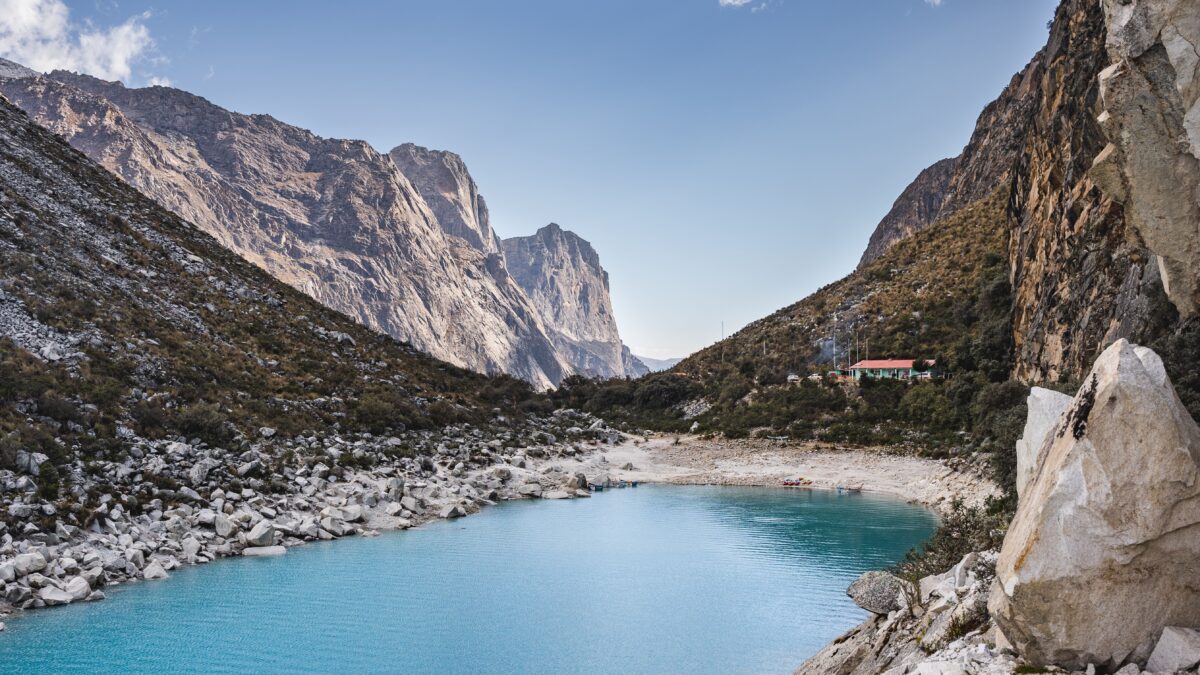
Queenstown’s status as New Zealand’s adventure sports capital comes with genuinely premium pricing, reflecting both the country’s overall high cost of living and the town’s specific positioning around bungee jumping, skydiving, and other adrenaline tourism. Huaraz, Peru’s gateway to the Cordillera Blanca mountain range, offers genuinely comparable dramatic alpine lake trekking at a fraction of the cost.
Quick answer: swap Queenstown for Huaraz if the priority is genuine high-altitude mountain lake trekking without New Zealand’s premium adventure-tourism pricing. Keep Queenstown on the itinerary if its specific adrenaline sports infrastructure (bungee jumping, skydiving) and polished New Zealand tourism model are the non-negotiable draw, since Huaraz’s more rugged, independent trekking culture doesn’t replicate that particular convenience.
Queenstown vs Huaraz: Head-to-Head
| Factor | Queenstown | Huaraz |
|---|---|---|
| Accommodation (mid-range, per night) | NZD 200-400 (£95-£190) | PEN 60-150 (£12-£31) |
| Signature activity | Bungee jumping, skydiving, adrenaline sports | High-altitude lake trekking |
| Trekking infrastructure | Well-developed, polished trails | More rugged, genuinely independent trekking culture |
| Altitude | Moderate | Genuinely high, up to 4,000-5,000+ metres on treks |
| Flight time from UK | 24+ hours | 13-15+ hours via connections |
What Huaraz Actually Offers
Huaraz sits at the base of the Cordillera Blanca, the world’s highest tropical mountain range, offering genuine access to dramatic glacial lakes and peaks comparable in visual drama to New Zealand’s Southern Alps, at a fraction of the cost and with considerably fewer visitors.
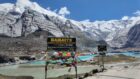
- Laguna 69: a genuinely stunning turquoise glacial lake reached via a demanding but achievable day hike, widely considered one of the most beautiful trekking destinations in South America
- Santa Cruz Trek: a multi-day trek through dramatic high-altitude scenery, comparable in ambition and reward to New Zealand’s celebrated Great Walks, at a fraction of the organised tour cost
- Huascarán National Park: home to Peru’s highest peak, offering genuinely serious mountaineering opportunities alongside more accessible day-hike options for less experienced trekkers
- Genuine altitude challenge: treks around Huaraz regularly reach 4,000-5,000+ metres, offering a genuinely different physical experience from Queenstown’s more moderate elevation adventure activities
Why Queenstown Still Wins for Specific Things
Queenstown’s specific concentration of adrenaline sports, bungee jumping (the birthplace of commercial bungee jumping), skydiving, and jet boating, alongside New Zealand’s polished, highly organised tourism infrastructure, represents a combination Huaraz’s more independent, rugged trekking culture doesn’t replicate. For travellers specifically wanting that particular adrenaline sports concentration and organised convenience, that requires Queenstown itself.
The honest verdict: if Queenstown’s specific adrenaline sports and polished tourism infrastructure are the trip’s purpose, that requires accepting New Zealand’s premium pricing. For travellers wanting genuine, dramatic high-altitude mountain trekking at a fraction of the cost, Huaraz delivers considerably more value, albeit within a rougher-edged, more independent travel style.
What a Week Actually Costs
| Category | Queenstown (per person) | Huaraz (per person) |
|---|---|---|
| Accommodation (6 nights, split two ways) | £285-£570 | £36-£93 |
| Food | £250-£400 | £80-£130 |
| Activities/trekking permits | £200-£400 | £60-£120 |
| Total (excluding flights) | £735-£1,370 | £176-£343 |
Huaraz runs at roughly a quarter to a fifth of Queenstown’s total cost, one of the most significant cost gaps between two genuinely comparable dramatic mountain trekking destinations.
Step-by-Step: Planning a Huaraz Trip
- Fly into Lima and take a bus to Huaraz (roughly 7-8 hours), a genuinely comfortable overnight coach service rather than requiring a domestic flight.
- Allow at least 3-4 days to acclimatise before attempting high-altitude treks, since Huaraz itself sits at roughly 3,000 metres and genuine altitude sickness risk applies for treks reaching considerably higher.
- Book the Santa Cruz Trek through a reputable local operator or arrange independently with proper preparation, since both options are genuinely viable depending on experience level and preference.
- Carry altitude sickness medication and acclimatise properly, since this is a genuine physiological consideration Queenstown’s more moderate elevation doesn’t require.
- Check current FCDO travel advice for the specific region before booking, given Peru’s varied circumstances by area, though the Huaraz trekking region remains a well-established, heavily visited tourist route.
Frequently Asked Questions
Is Huaraz trekking safe for less experienced hikers?
Many day treks, including Laguna 69, are achievable for reasonably fit hikers without extensive high-altitude experience, though proper acclimatisation and awareness of altitude sickness symptoms are genuinely necessary regardless of fitness level.
Do UK citizens need a visa for Peru?
No, UK passport holders can enter Peru visa-free for tourist stays of up to 183 days, one of the more generous visa-free allowances available.
Is Huaraz as scenic as Queenstown?
Genuinely comparable in dramatic mountain beauty, though offering a different character, high-altitude glacial lakes and peaks rather than Queenstown’s lake-and-mountain resort town setting.
What is the best time of year to visit Huaraz for trekking?
May through September (the dry season) offers the most reliable trekking conditions, with the wet season (October-April) bringing genuine rain and potential trail difficulty.
The Genuine Local Trekking Culture
Huaraz’s trekking economy remains genuinely community-rooted, with many guides and porters coming from the surrounding villages and maintaining direct connections to the land they lead visitors through, a distinctly different model from Queenstown’s more corporate, internationally branded adventure tourism operators. This offers travellers a more direct economic connection to local communities, worth considering for anyone specifically interested in supporting community-based tourism over larger international operators.
Chavín de Huántar: A Genuine Historical Addition
Beyond trekking, the archaeological site of Chavín de Huántar, a UNESCO World Heritage Site roughly 3 hours from Huaraz, offers a genuinely significant pre-Incan historical dimension, predating better-known Peruvian sites like Machu Picchu by well over a thousand years. This adds a worthwhile cultural and historical layer to a Huaraz trip that Queenstown’s more purely scenery-and-adventure-focused offering doesn’t provide as a comparable addition.
The Bottom Line
Huaraz delivers genuinely dramatic high-altitude mountain lake trekking, comparable in visual reward to Queenstown’s Southern Alps setting, at a fraction of the cost and within a more independent, rugged trekking culture. The trade-off is losing Queenstown’s specific concentration of adrenaline sports and polished, highly organised New Zealand tourism infrastructure, both genuinely valuable for travellers whose trip centres on that particular adventure sports model.