

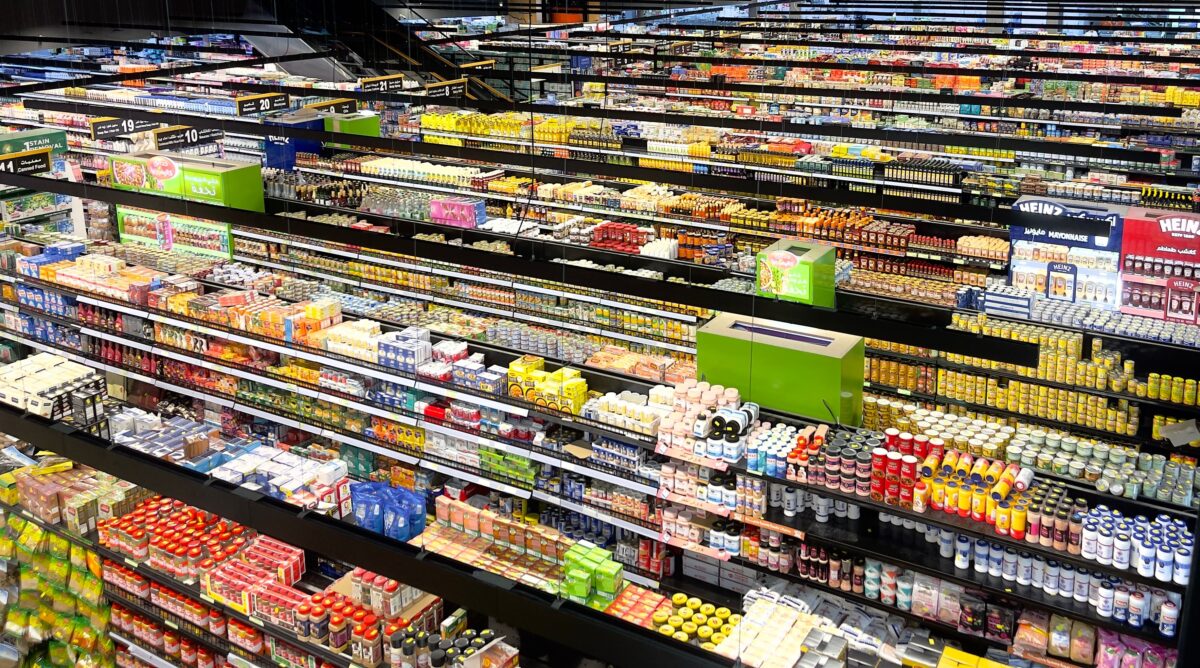
Chile’s two dominant supermarket chains, Líder (owned by Walmart) and Unimarc, offer genuinely strong value for self-catering, making £12/day a realistic, well-fed budget for anyone travelling through Chile’s cities or the country’s popular Patagonia and Atacama Desert regions.
Quick answer: £12/day at Líder or Unimarc covers three proper meals for one person, based on a mix of fresh produce, Chilean bakery items, and each chain’s reasonably strong own-brand range. This runs roughly 60-65% cheaper than eating three meals at restaurants throughout a Chile trip.
A Full Day’s Chilean Supermarket Shop
| Meal | Items | Cost (CLP) | Cost (GBP) |
|---|---|---|---|
| Breakfast | Marraqueta bread + avocado + coffee | 1,500-2,200 | £1.30-£1.90 |
| Lunch | Empanada + fresh salad | 2,500-3,500 | £2.15-£3 |
| Dinner | Fresh fish or chicken + rice + vegetables | 3,500-5,000 | £3-£4.30 |
| Total | 7,500-10,700 CLP | £6.45-£9.20 |
Líder: Chile’s Genuine Value Leader
Líder, operating under Walmart’s ownership since 2009, offers consistently competitive pricing across nearly every product category relevant to self-catering, with a strong own-brand range genuinely comparable in quality to name-brand equivalents.
- Fresh produce: genuinely good quality and pricing, reflecting Chile’s strong domestic agricultural production, particularly for fruit and vegetables
- Marraqueta bread: Chile’s iconic crusty bread roll, sold fresh daily and forming the backbone of a genuine Chilean breakfast, typically 100-200 CLP (9-17p) per roll
- Prepared empanadas: widely available and genuinely good value, typically 800-1,500 CLP (70p-£1.30) each, a filling, portable lunch option
Unimarc: Broader Selection, Slightly Higher Prices
Unimarc positions itself with a somewhat broader selection than Líder, particularly for regional and imported products, at a modest price premium.
- Regional specialty items: stronger selection of specific Chilean regional products, useful for travellers wanting to sample specific local specialties beyond the most common staples
- Prepared food counter: several larger Unimarc locations offer a deli-style prepared food section, useful for a quick, ready-to-eat meal without cooking
- Own-brand Unimarc lines: reasonable value, though generally not matching Líder’s absolute lowest price points on core staples
Building a Genuinely Good Day of Meals
Chilean supermarket culture reflects the country’s strong seafood and produce traditions, making a genuinely varied, satisfying day of eating straightforward even on a tight budget.
- Breakfast: fresh marraqueta with avocado (Chile has a genuine national obsession with avocado, called palta) and coffee, a true Chilean staple
- Lunch: an empanada (beef, cheese, or seafood varieties all widely available) with a simple fresh salad
- Dinner: fresh fish, genuinely excellent and reasonably priced given Chile’s extensive coastline, with rice and vegetables
What This Actually Saves Compared to Restaurant Dining
| Category | Supermarket (per day) | Restaurant Dining (per day) |
|---|---|---|
| Breakfast | £1.30-£1.90 | £4-£7 |
| Lunch | £2.15-£3 | £7-£12 |
| Dinner | £3-£4.30 | £12-£20 |
| Total | £6.45-£9.20 | £23-£39 |
Self-catering cuts daily food costs by roughly 65-70% compared to eating every meal at restaurants, a genuinely significant saving for a longer Chile trip, particularly given the country’s higher overall cost of living relative to some other South American destinations.
Step-by-Step: Making This Budget Work
- Book accommodation with at least basic kitchen access to make self-catering practical, particularly relevant for longer stays in Santiago or coastal towns.
- Shop at Líder for the strongest baseline value, Unimarc for broader regional selection when needed.
- Buy marraqueta fresh daily rather than in bulk, since Chilean bakery bread doesn’t keep well and fresh purchases cost little enough that daily buying isn’t a meaningful expense.
- Check each chain’s weekly promotional offers (available in-app) for genuine, meaningful discounts on rotating items.
- Balance self-catering with occasional empanada stands and local markets, since Chile’s street food and market culture is genuinely worth experiencing alongside the supermarket strategy.
Frequently Asked Questions
Is Líder genuinely cheaper than Unimarc across the board?
Generally yes for core staples, though Unimarc’s broader selection sometimes justifies the modest price premium for specific regional or imported items not available at Líder.
Can you eat well at Chilean supermarkets without any cooking equipment?
Yes, reasonably well, since fresh bread, avocado, prepared empanadas, and simple salads all require zero preparation, though a single hob ring meaningfully expands the options for hot meals.
Are Líder and Unimarc available throughout Chile, including Patagonia and the Atacama Desert?
Coverage is strongest in Santiago and major cities, with smaller, more limited selections available in remoter regions like Patagonia and the Atacama, where prices also tend to run somewhat higher given the logistics of supplying these more isolated areas.
How does this compare to eating at a Chilean menú del día (fixed lunch menu)?
A menú del día, Chile’s fixed-price lunch offering, remains genuinely good value compared to full restaurant dining, typically 4,000-7,000 CLP (£3.45-£6), though supermarket self-catering still runs noticeably cheaper across a full day.
Feria Prices: An Even Cheaper Alternative for Produce
Beyond the two main supermarket chains, Chile’s local ferias (open-air markets held on rotating weekly schedules in most neighbourhoods) typically offer fresh produce at prices genuinely below even Líder’s competitive rates, reflecting the direct farmer-to-consumer model these markets operate on. Checking the specific feria schedule for whichever Chilean town or neighbourhood you’re staying in adds a further genuine saving opportunity beyond the supermarket strategy covered in this guide, particularly worthwhile for longer stays.
Patagonia and Atacama: Adjusting the Budget for Remote Regions
While the core £12/day strategy holds well in Santiago and most coastal towns, travellers heading into Chile’s more remote Patagonia or Atacama Desert regions should budget somewhat higher, closer to £15-£18/day, given the genuinely higher supply costs and more limited supermarket selection in these more isolated areas. This remains considerably cheaper than restaurant dining in the same regions, where tourist-area pricing in destinations like Torres del Paine or San Pedro de Atacama runs notably higher than the national average.
The Bottom Line
Chile’s Líder and Unimarc supermarkets deliver genuinely good value for self-catering, making £12/day a realistic, well-fed budget throughout a Chile trip, from Santiago to the more remote stretches of Patagonia and the Atacama Desert. The honest approach for most travellers combines this with occasional empanada stands and the country’s strong seafood market culture, using the supermarket savings to fund those genuine local food experiences.