



Miami’s beach and city culture delivers genuine energy and glamour, but this comes with correspondingly steep resort and city pricing, particularly in South Beach’s most fashionable districts. Uruguay’s Montevideo and nearby Colonia del Sacramento offer a genuinely different Atlantic coast experience, colonial charm, relaxed beach culture, and considerably lower costs.
Quick answer: swap Miami for Montevideo and Colonia if the priority is genuine colonial architecture and a relaxed, laid-back Atlantic coast atmosphere without Miami’s glamour-driven pricing. Keep Miami on the itinerary if its specific beach club culture, nightlife, and Latin American-meets-American city energy are the non-negotiable draw, since Uruguay’s more understated character doesn’t replicate that particular scene.
Miami vs Montevideo & Colonia: Head-to-Head
| Factor | Miami | Montevideo & Colonia |
|---|---|---|
| Accommodation (mid-range, per night) | $200-$400+ (£156-£312+) | $60-$130 (£47-£101) |
| Signature architecture | Art Deco (South Beach) | Colonial (Colonia), European-influenced (Montevideo) |
| Beach culture | Beach clubs, party atmosphere | Genuinely relaxed, low-key |
| Nightlife | Extensive, internationally famous | Considerably calmer, more local |
| Overall pace | Fast, glamour-driven | Genuinely laid-back |
What Montevideo & Colonia Actually Offer
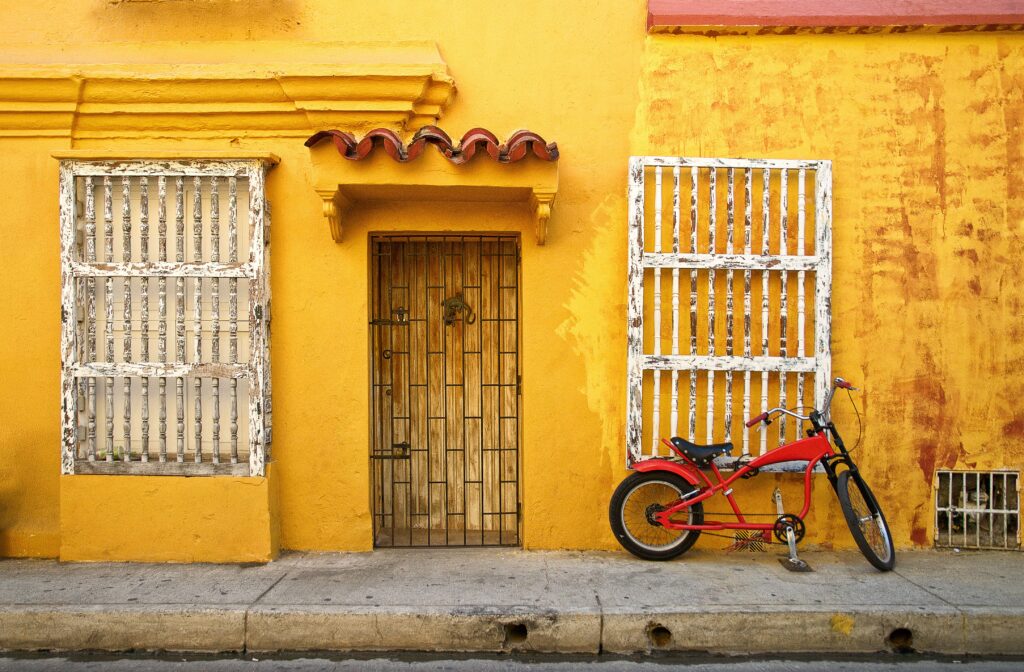
Colonia del Sacramento, a UNESCO World Heritage Site, offers genuinely striking colonial architecture reflecting Portuguese and Spanish colonial history, a cobblestone old town character entirely absent from Miami’s Art Deco-defined aesthetic.
- Colonia’s historic quarter: cobblestone streets, colonial-era buildings, and a genuinely photogenic lighthouse, offering a compact, walkable old town experience
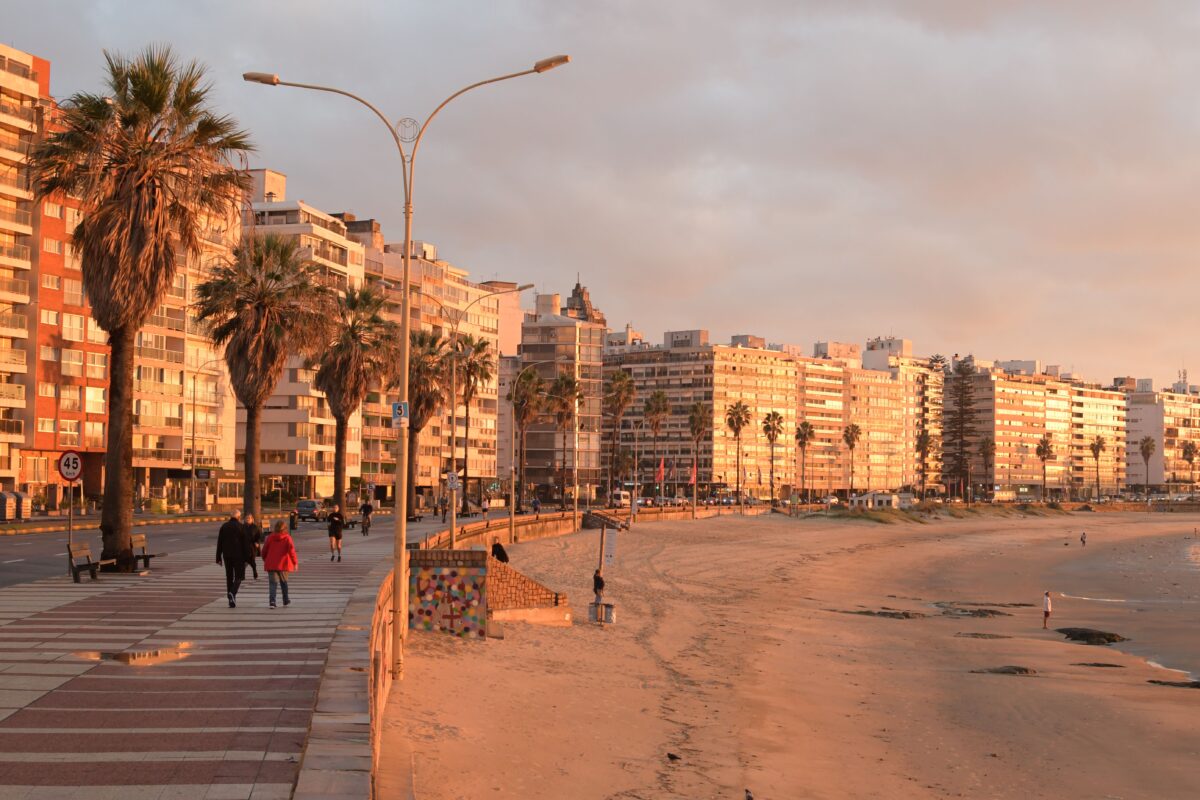
- Montevideo’s Rambla: a genuinely pleasant, extensive waterfront promenade running along the city’s Atlantic coastline, offering a more relaxed beach and coastal walking culture than Miami’s more performance-oriented beach scene
- Mercado del Puerto: Montevideo’s historic port market, offering genuine Uruguayan parrilla (grilled meat) culture, considered among South America’s best, at prices considerably below comparable Miami steakhouse dining
- Uruguay’s genuine laid-back national character: reflected in the country’s mate tea-drinking culture and generally unhurried pace, offering a fundamentally different holiday atmosphere from Miami’s more overtly glamorous energy
Why Miami Still Wins for Specific Things
Miami’s specific Art Deco South Beach architecture, extensive beach club and nightlife culture, and status as a genuine international glamour destination represent a combination Uruguay’s more understated coastal towns don’t attempt to replicate. For travellers specifically wanting that particular Miami energy and beach club scene, that requires Miami itself.
The honest verdict: if Miami’s specific glamour, nightlife, and beach club culture are the trip’s purpose, that requires accepting the premium pricing. For travellers wanting genuine colonial charm and a considerably more relaxed Atlantic coast atmosphere, Montevideo and Colonia deliver a meaningfully different, calmer experience.
What a Week Actually Costs
| Category | Miami (per person) | Montevideo & Colonia (per person) |
|---|---|---|
| Accommodation (6 nights, split two ways) | £468-£936 | £141-£303 |
| Food | £250-£400 | £130-£210 |
| Activities | £120-£250 | £50-£100 |
| Total (excluding flights) | £838-£1,586 | £321-£613 |
Montevideo and Colonia run at roughly a third to a half of Miami’s total cost, a genuinely significant gap for two destinations both offering Atlantic coast beach culture.
Step-by-Step: Planning a Montevideo & Colonia Trip
- Fly into Montevideo, with UK connections typically routing through a European or South American hub such as Madrid or Buenos Aires.
- Take the ferry to Buenos Aires for a genuine day trip if time allows, since Uruguay’s proximity to Argentina makes this a straightforward and worthwhile addition.
- Visit Colonia via a short bus or ferry connection from Montevideo (roughly 2.5-3 hours), easily managed as a day trip or overnight stay.
- Try Uruguay’s parrilla culture at Mercado del Puerto, genuinely considered among South America’s best grilled meat traditions.
- Embrace the slower pace deliberately, since Uruguay’s national character rewards a genuinely relaxed itinerary rather than an ambitious sightseeing schedule.
Frequently Asked Questions
Is Uruguay safe for tourists?
Yes, Uruguay is consistently ranked among the safest countries in South America, with Montevideo and Colonia both considered genuinely low-risk destinations for independent travel.
Do UK citizens need a visa for Uruguay?
No, UK passport holders can enter Uruguay visa-free for tourist stays of up to 90 days.
Is Montevideo as lively as Miami in the evenings?
Considerably calmer, reflecting Uruguay’s generally more understated national character; travellers specifically wanting Miami’s nightlife density should base there, using Uruguay for a genuinely different, more relaxed experience instead.
What is the best time of year to visit Montevideo and Colonia?
December through February (the Southern Hemisphere summer) offers the warmest beach weather, though March-April and October-November provide a comfortable, less crowded alternative for travellers prioritising milder temperatures.
Punta del Este: Uruguay’s Own Glamorous Beach Town
For travellers wanting a taste of more polished beach resort culture within Uruguay itself, Punta del Este, roughly 2 hours from Montevideo, offers a genuinely upscale beach destination popular with wealthy South American visitors, complete with its own beach club scene and striking modern architecture, including the famous “Casapueblo” building. This gives Uruguay a genuine option for travellers wanting to combine the relaxed Montevideo and Colonia experience with a taste of more glamorous beach culture, without needing to return to Miami’s specific pricing to find it.
Uruguay’s Mate Culture: A Genuine National Ritual
Nearly every Uruguayan carries a mate gourd and thermos throughout the day, a genuine, deeply embedded national ritual of drinking this traditional herbal tea, often shared communally among friends and family. Observing or participating in this custom, widely visible in parks, on the Rambla, and throughout daily life, offers a genuinely authentic window into Uruguayan culture entirely distinct from anything Miami’s more commercially-driven beach and city culture offers.
The Bottom Line
Montevideo and Colonia deliver genuine colonial architecture, relaxed Atlantic coast beach culture, and considerably lower costs, at roughly a third to a half of Miami’s total trip cost. The trade-off is losing Miami’s specific Art Deco glamour, extensive nightlife, and beach club culture, all genuinely unique to that particular city’s distinctive character.