



Kerala, India’s southwestern state known for its network of tranquil backwaters and strong homestay culture, offers genuinely exceptional value even by India’s already budget-friendly standards, with £15/day covering comfortable accommodation, excellent regional food, and the state’s iconic backwater experience.
Quick answer: £15/day in Kerala covers a private homestay room, three genuinely excellent thali meals daily, and regional train transport between the state’s main destinations, delivering a comfortable, culturally rich trip well within backpacker budget territory.
The £15/Day Breakdown
| Category | Daily Cost (GBP) | What It Buys |
|---|---|---|
| Accommodation | £5-£9 | Private homestay room |
| Food (three meals) | £3-£6 | Thali meals, South Indian breakfast items |
| Transport | £2-£4 | Regional trains, local buses |
| Activities | £1-£3 | Backwater boat trips, temple visits |
| Total | £11-£22 | Averages to roughly £15/day |
Kerala Backwater Homestays: The Genuine Highlight
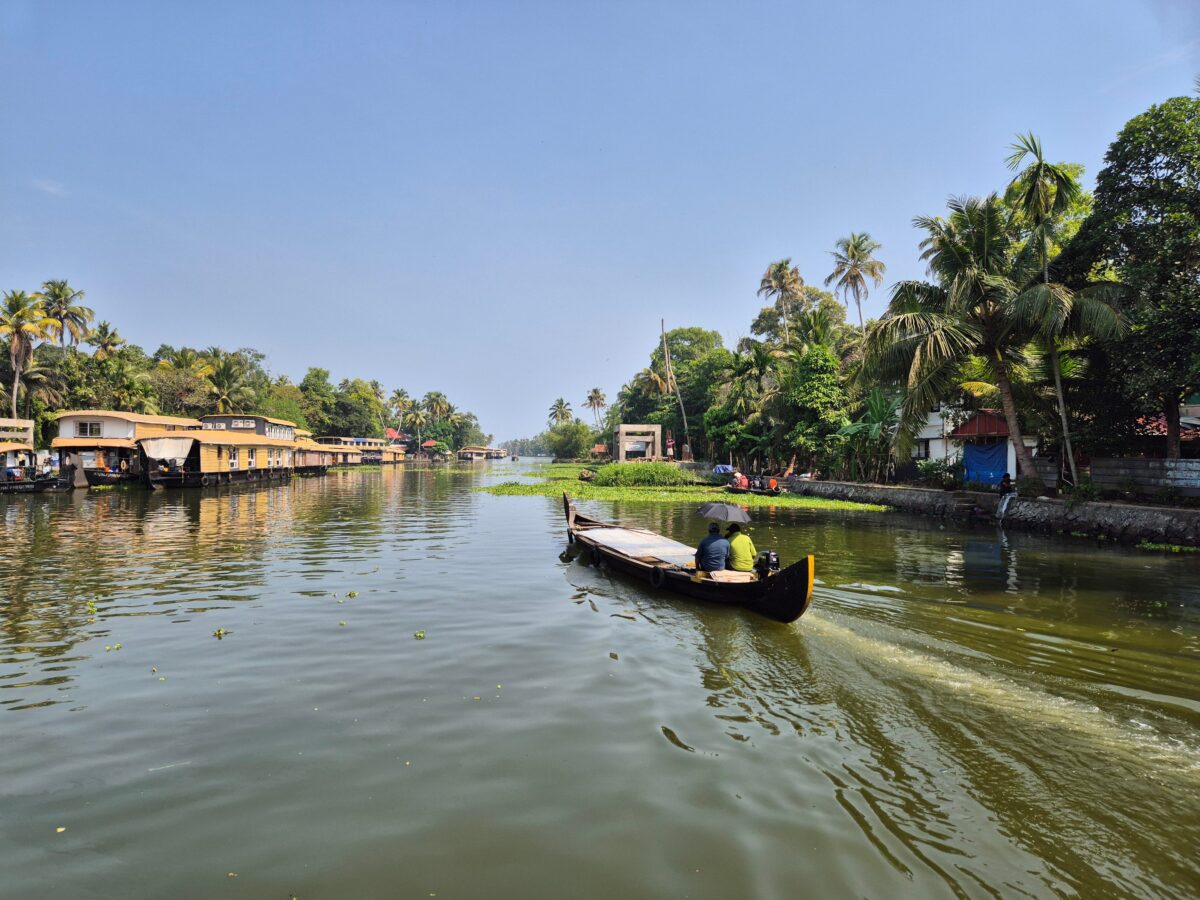
Kerala’s extensive network of backwaters, a series of interconnected lakes, canals, and rivers running parallel to the Arabian Sea coast, offers genuine homestay accommodation directly on or near the water, a distinctly Keralan experience unavailable elsewhere in India.
- Alleppey (Alappuzha) backwater homestays: typically £6-£10 per night for a private room, often including home-cooked meals prepared by the host family
- Houseboat alternative: a genuine overnight houseboat stay costs somewhat more (£25-£45 for a shared boat), worth considering as a one-off splurge within an otherwise tight budget
- Genuine cultural immersion: homestays typically involve direct interaction with local families, offering insight into Keralan daily life, cuisine, and customs beyond what a standard hotel provides
Thali Culture: Genuinely Excellent Value Dining
A thali, a complete meal served on a single plate or banana leaf with multiple small dishes, rice, and bread, represents genuinely excellent value throughout Kerala, reflecting the state’s strong vegetarian and Ayurvedic food traditions.
- A full vegetarian thali: typically 80-150 INR (75p-£1.40), offering a genuinely substantial, varied meal including multiple curries, rice, and traditional accompaniments
- South Indian breakfast staples: dosa (a fermented rice and lentil crepe) and idli (steamed rice cakes) both cost 30-60 INR (28-56p), genuinely excellent value breakfast options
- Fresh coconut water: widely available from street vendors for 20-30 INR (19-28p), a genuinely refreshing local staple given Kerala’s coconut palm-lined landscape
Regional Trains: Genuinely Affordable Long-Distance Travel
Kerala’s rail network, part of India’s broader extensive train system, offers genuinely affordable transport between the state’s main destinations.
- Second-class (unreserved) fares: genuinely minimal cost for shorter regional journeys, often under £1 for trips of a few hours
- Sleeper class for longer journeys: typically £3-£6 for overnight routes, offering a genuine, if basic, sleeping berth
- Booking in advance where possible: through India’s official IRCTC booking system, since popular routes can sell out, particularly during Indian holiday periods
What a Sample Day at £15 Looks Like
Morning: dosa and coffee at a local restaurant (£1). Midday: a backwater boat trip through Alleppey’s canals (£3-£5). Afternoon: a full vegetarian thali lunch (£1.20). Evening: homestay accommodation with a home-cooked dinner included (£7-£9). Running total: roughly £12-£16, comfortably within the daily target with room for a small additional activity or snack.
Step-by-Step: Making This Budget Work
- Book homestays directly where possible, since this often secures better rates and a more genuine connection with the host family than booking through a larger platform.
- Eat at genuine local thali restaurants (often called “meals” restaurants) rather than tourist-facing establishments, both for authenticity and considerably better value.
- Book train tickets in advance through IRCTC for longer journeys, since popular Kerala routes can sell out during peak season.
- Carry cash for smaller towns and rural homestays, since card acceptance remains genuinely inconsistent outside larger towns.
- Try a one-off houseboat stay as a deliberate splurge, since this iconic Kerala experience is genuinely worth the additional cost even within an otherwise tight budget.
Frequently Asked Questions
Do UK citizens need a visa for India?
Yes, UK passport holders require either an e-visa (arranged online in advance) or a standard visa, depending on trip purpose and duration; confirm current requirements on India’s official e-visa portal before booking.
Is Kerala safe for solo travellers, including women?
Generally considered one of India’s safer states for tourism, including solo female travellers, though standard precautions around local customs, modest dress, and awareness in less-touristed areas apply as with most of India.
Is £15/day genuinely enough for a comfortable Kerala trip?
Yes, genuinely comfortable given Kerala’s strong homestay infrastructure and excellent value thali culture, reflecting the state’s overall lower cost of living relative to some other Indian tourist destinations.
What is the best time of year to visit Kerala?
October through March offers the most comfortable weather, avoiding Kerala’s genuine monsoon season (June-September), which brings heavy rainfall though also a distinctly lush, green landscape favoured by some travellers specifically for that reason.
Munnar’s Tea Plantations: A Genuine Mountain Addition
Beyond the backwaters, Kerala’s hill station of Munnar offers a genuinely striking change of landscape, rolling tea plantations across the Western Ghats mountain range, reachable by regional bus from the coastal areas for a modest additional cost. A few days here, staying in a similarly affordable homestay, adds genuine variety to a Kerala itinerary beyond the backwater experience, with plantation tours and viewpoints typically costing very little given the region’s lower overall tourist development compared to Alleppey.
Ayurvedic Treatments: A Worthwhile Splurge Within Budget
Kerala is widely considered the birthplace of Ayurveda, India’s traditional medicine system, and genuine Ayurvedic treatments, from simple massages to longer wellness programmes, are available throughout the state at prices considerably below equivalent treatments in Western countries. A single traditional Ayurvedic massage typically costs £8-£15, a worthwhile one-off addition to an otherwise tightly budgeted trip, offering genuine insight into this significant aspect of Keralan and broader Indian wellness tradition.
The Bottom Line
Kerala delivers genuinely exceptional value at £15/day, covering comfortable backwater homestays, excellent thali dining, and affordable regional train transport, all while offering one of India’s most distinctive and culturally rich regional experiences. The honest recommendation is prioritising homestays over hotels throughout the trip, since this single choice delivers both the strongest value and the most genuine cultural engagement available within this budget.