



Colombia’s food is divided between the daily almuerzo corriente that the country runs on — one of the finest value set meals in the world — and the regional traditions that make the country one of the most culinarily diverse in South America.
The Almuerzo Corriente
The defining meal of the Colombian day — the set lunch served at local restaurants from noon to 2:30pm, typically comprising:
- A soup (the sopa del día: changua — the milk and egg soup of Bogotá; sancocho — the thick meat and root vegetable stew; ajiaco — the potato and chicken soup specific to Bogotá)
- A main plate (the plato fuerte: rice, beans, a protein, patacones — the twice-fried plantain slices)
- A drink (jugo natural — fresh fruit juice from the blackboard of seasonal fruits)
- Sometimes dessert (the postre: a small sweet, often a bocadillo — the guava paste)
Cost: 8,000-15,000 COP / £1.50-2.81.
The almuerzo corriente is the meal that Colombia runs on — the construction worker, the office manager, the law student, the market vendor. It is also the finest food-value experience in South America.
Where in Medellín: The local restaurants (restaurantes económicos) in the El Centro area and the Laureles neighbourhood — identifiable by the handwritten daily menu on a chalkboard outside. The menu doesn’t say “almuerzo corriente” because the concept doesn’t need naming; the chalkboard with the soup and the plato options is sufficient.
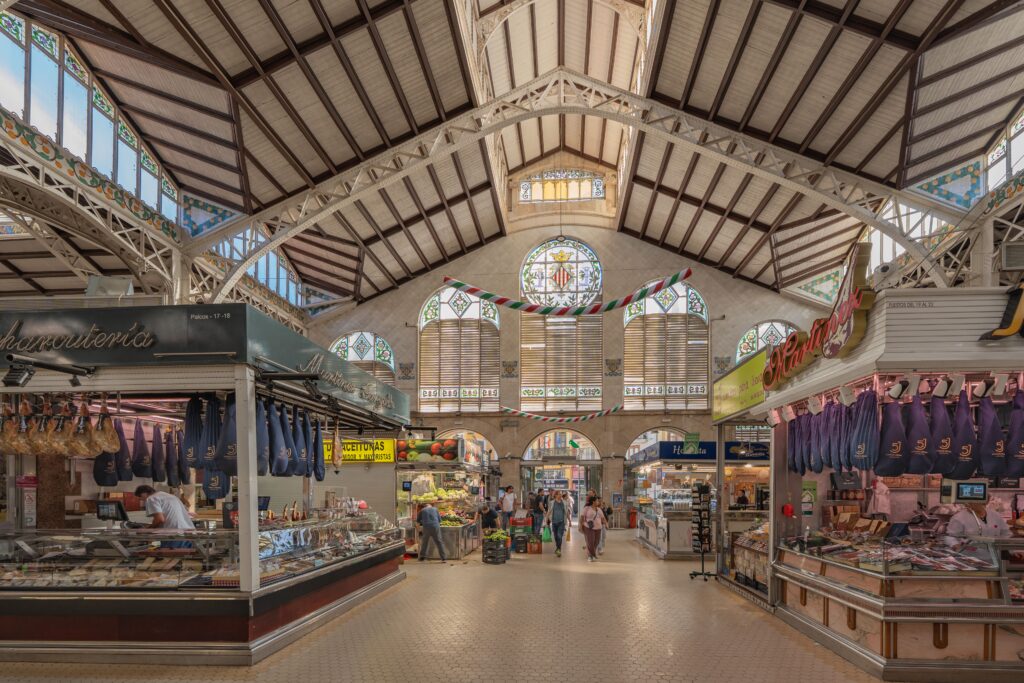
Where in Bogotá: La Candelaria neighbourhood for the local version. The paloquemao market (the main Bogotá wholesale market, the prepared food section on the second floor serves the finest ajiaco in the city).
The Regional Dishes
Bandeja Paisa (Antioquia/Medellín):
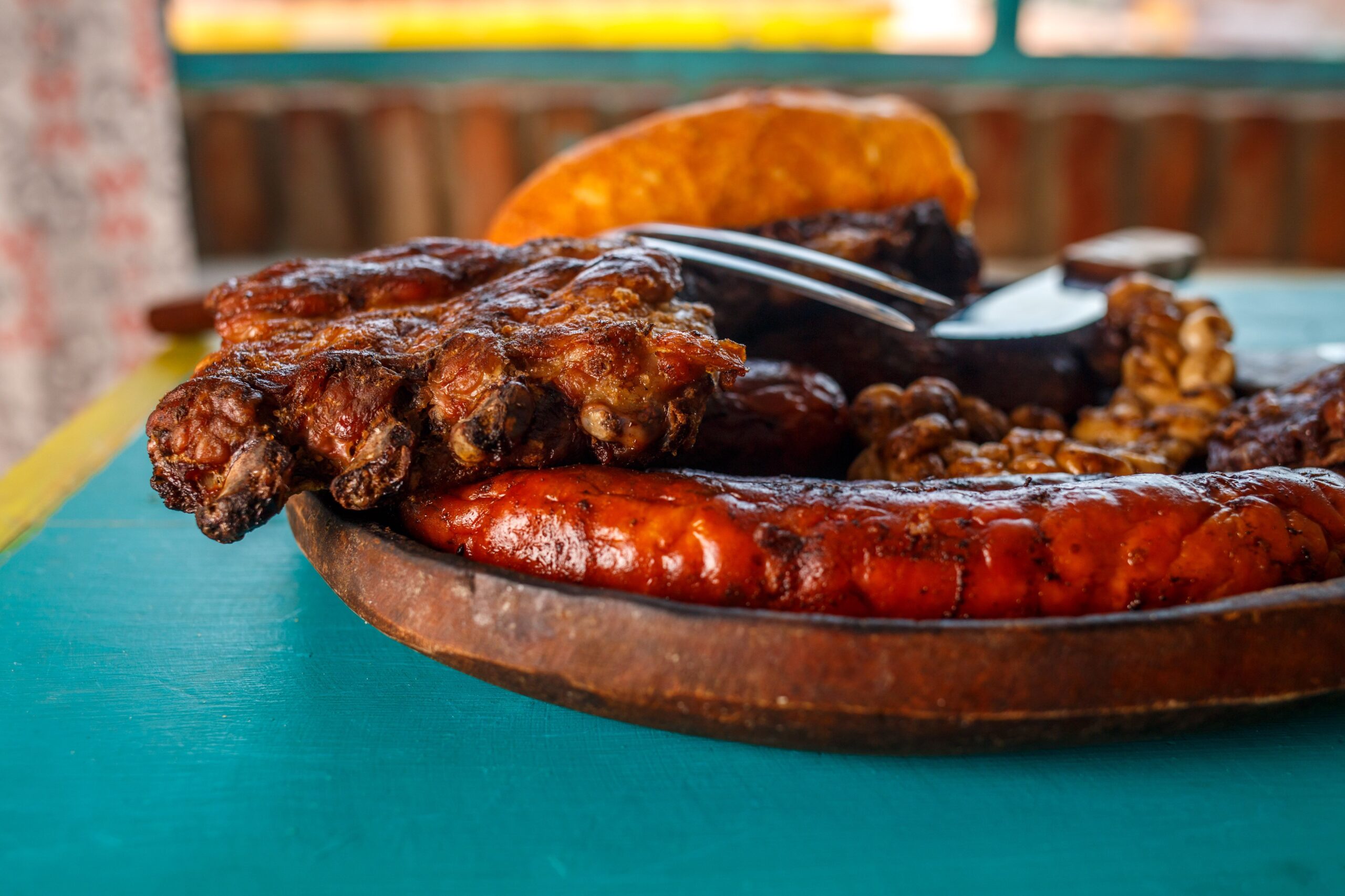
The most excessive plate in Colombian cooking — a serving plate (the bandeja — the tray) covered with: white rice, red beans, ground beef, chicharrón (the fried pork rind), chorizo, a fried egg, black pudding (morcilla), arepa, and avocado. The bandeja paisa was designed to fuel the paisa (Antioquian) agricultural worker through a full day of physical labour. It is, by modern nutritional standards, extraordinary.
The correct occasion for bandeja paisa: Sunday lunch, with the family, in a paisa restaurant where the recipe has not been modified for tourist portions. At El Rancherito in the Medellín suburb of El Poblado: 35,000-55,000 COP / £6.57-10.32.
Ajiaco Bogotano:
The Bogotá soup — three varieties of potato (the papa criolla, the papa pastusa, and the papa sabanera, each with a different starch and flavour contribution), chicken, guascas (the dried herb specific to ajiaco, without which the flavour cannot be replicated), corn on the cob, and cream (the crema and capers served on the side for the diner to add). The soup thickens as it cooks because the papa criolla breaks down entirely while the other potatoes hold their shape.
Ajiaco is a Bogotá dish — outside Bogotá, the recipe adapts. In Bogotá, the Restaurante El Santafereño on Carrera 4 and the Leo restaurant (the most acclaimed Colombian restaurant in the city, the tasting menu exploring Colombian biodiversity) both serve outstanding ajiaco.
Lechona Tolimense:
The whole roasted pig stuffed with rice, peas, spring onions, and spices — the specific preparation of the Tolima department, the pig slow-cooked for 8-10 hours until the skin is lacquered and crispy. Sold by weight at the lechona vendors in the Paloquemao market and in the bus stations of the Tolima department towns.
Oblea con Arequipe:
The Colombian street dessert — two thin wafers sandwiching the arequipe (the Colombian dulce de leche, the caramel made from slow-heated sweetened condensed milk) and the fresh cream. Available from street vendors throughout Colombia from 3pm. 1,000-2,000 COP / £0.19-0.38.
The Fruits
The Colombian fruit diversity is the most specific food advantage of the country — the altitude ranges from sea level to 5,000m within the country’s borders, producing a tropical and temperate fruit range unavailable in any other single country.
The specific Colombian fruits:
- Lulo (naranjilla): the green-orange fruit with the intensely sour flavour, the base for lulo juice (lulada) — the most refreshing drink in Colombia
- Feijoa: the guava-like fruit with the floral interior, eaten by cutting and scooping the flesh
- Guanábana (soursop): the large tropical fruit with the creamy white flesh, the basis for the most popular juice in the Colombian coast
- Zapote: the brown-skinned fruit with the orange flesh and the caramel sweetness
- Maracuyá (passion fruit): the sour variety used in juices rather than eaten fresh
At any Colombian juice bar (the juguerías that appear on every block): the menu lists 20-40 fruit options, each juiced on demand with water or milk. The con leche (with milk) version: a smoothie. The con agua (with water): a juice. 3,000-8,000 COP / £0.56-1.50 per glass.