
The complete guide for travellers: Tokyo, Kyoto, Osaka, Hakone, what it really costs, the JR Pass question answered honestly, and the things that make you book a return flight before you’ve landed home.
Reading time: 20 minutes | Last updated: 2026
I’ve been to Japan three times. I thought I understood it after the first trip. I was wrong in ways I didn’t realise until the second. By the third I had stopped trying to understand it and started just paying attention.

Japan is the only country I’ve been to where I felt, consistently, that the reality exceeded the expectation. The trains run to the second. The food is extraordinary at every price point, from a 200-yen vending machine coffee to a three-Michelin-star counter where you eat whatever the chef has decided to cook that day. The culture is unlike anywhere else you’ll visit — not in a superficial way, not in the way that every travel guide uses “unique” as a synonym for “interesting,” but in a way that makes you re-examine assumptions you didn’t know you were carrying.
It’s also not cheap. Let’s be honest about that before anything else.
A 10-day trip from the UK will cost you £1,500–2,000 all in. If you’ve budgeted for less, this guide will help you find the places where Japan is significantly cheaper than its reputation. If you’ve budgeted for more, this guide will help you spend it on the things that actually justify the cost.
Everything in between is in here too.
Quick Navigation
- Is Japan Worth the Money — The Honest Answer
- When to Go — Cherry Blossom, Autumn, and Everything Else
- The Regions — Tokyo, Kyoto, Osaka, and Beyond
- Tokyo — Three Days Done Right
- Hakone — The Fuji Night
- Kyoto — The Early Alarm City
- Nara — The Day Trip Nobody Skips Twice
- Osaka — Japan’s Food Capital
- Hidden Japan — Beyond the Classic Route
- What It Costs — Real Numbers
- The JR Pass — An Honest Calculator
- Eating in Japan — A Brief Religion
- The Three Things Nobody Tells You Before You Land
- The 10-Day Itinerary — The Route That Works
Is Japan Worth the Money — The Honest Answer
Yes. Unequivocally.
But only if you understand how to spend it.
Japan has a reputation for being expensive. Some of that reputation is accurate and some of it is the result of people eating at western-style restaurants in tourist areas and drinking in hotel bars and then reporting back that Japan is very expensive. Japan is not expensive if you eat where Japanese people eat. It is expensive if you expect European pricing for things that cost European prices in Japan.
Here’s the real picture:
A convenience store meal at 7-Eleven, Lawson, or FamilyMart costs £2.50–4. The quality is extraordinary — not “fine for a convenience store” extraordinary but genuinely, independently extraordinary. A bowl of ramen at a local shop costs £5–8. A beer from a vending machine on the street costs £1.20. The entry fee for most temples and shrines is free, or £2–5.
The expensive things in Japan are: accommodation in peak season, the bullet train if you haven’t bought a JR Pass, high-end restaurants, and anything in tourist-facing shops and cafes. Avoid those and Japan is very manageable.
The things you get for your money: precision, beauty, extraordinary food, a culture of service that genuinely astounds you, and a landscape that shifts from urban mega-city to mountain village to coastal fishing town within two hours by train.
Is it worth £1,800 for 10 days? For most people who go, yes — and most people who go go back.
When to Go — Cherry Blossom, Autumn, and Everything Else
Every Japan guide tells you about cherry blossom. Here’s the fuller picture.
Late March to Early April — Cherry Blossom Season
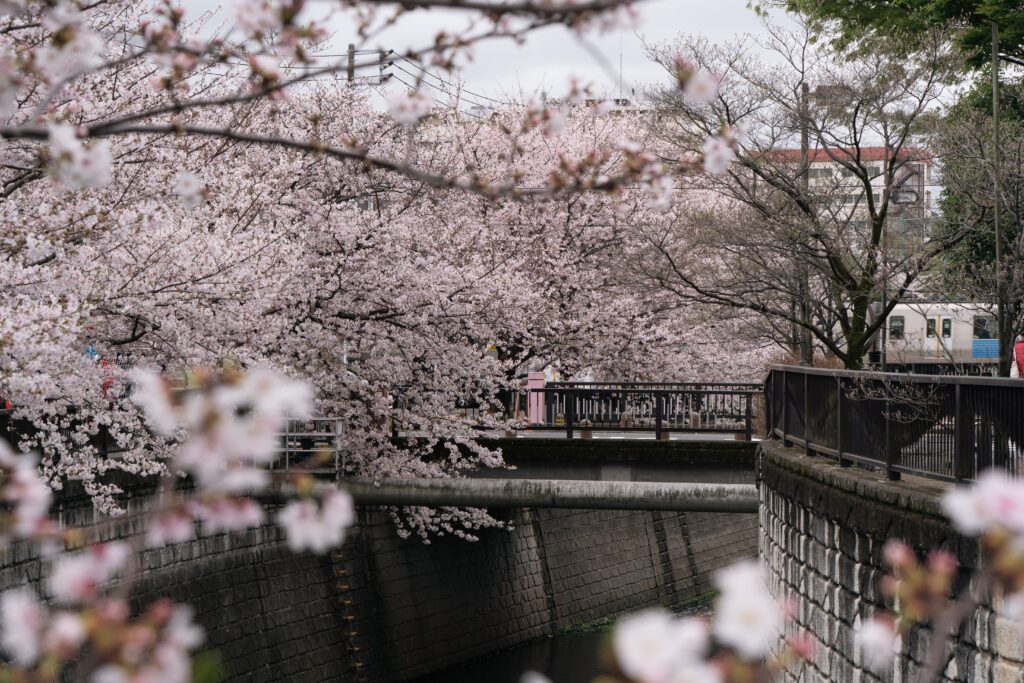
The sakura. Japan’s most photographed natural phenomenon. Hanami (flower-viewing picnics) in every park, pink against blue sky, the extraordinary fragility of the petals falling on a breeze. It’s real and it’s beautiful.
It’s also the most expensive and most booked time of year. Accommodation prices spike 30–50% in Tokyo and Kyoto. Popular parks are crowded from 7am. Ryokans in Hakone during peak bloom can be fully booked 6 months in advance.
If cherry blossom is the whole point of your trip: plan early, book early, go early in the morning. If it’s not the whole point: read on.
October to November — Autumn Colours
In my experience, autumn in Japan is better than spring. The koyo (autumn foliage) — maples turning from green to red to gold — runs from mid-October in the north to late November in Kyoto. The crowds are real but thinner than spring. The accommodation is more available. The light is extraordinary.
The specific recommendation: Kyoto in early November. Eikan-do temple (the most famous autumn leaf spot in the city) turns red in the first week of November. Book your Kyoto accommodation for this window 2–3 months ahead.
June to August — Summer
Hot and humid in Tokyo and Osaka. The mountain areas (Nikko, Hakone, the Japanese Alps) stay reasonable. Summer festivals are extraordinary — the Gion Matsuri in Kyoto (July) is one of Japan’s great cultural events. July and August are also when Japan’s beaches are at their best if you’re heading to Okinawa.
The downside: typhoon season runs July–October, with the highest risk in August and September. Most typhoons pass within 24–48 hours but they can disrupt transport.
December to February — Winter
Cold in most of Honshu (the main island). Snow arrives in the Japanese Alps and northern Japan from December. The snow monkey baths (Jigokudani) are at their best in February — the macaques sit in the natural hot springs for longer in colder weather.
The ski resorts (Niseko in Hokkaido, Hakuba in Nagano) operate December–March. The powder snow in Japan has a global reputation for good reason.
The Sweet Spot Most People Miss: Late October
The autumn leaves are starting. The summer heat has broken. The crowds are lighter than peak season. The light is excellent. October is when Japan rewards people who have been before and know enough to ignore the obvious windows.
The Regions — Tokyo, Kyoto, Osaka, and Beyond
The classic Japan itinerary runs Tokyo → Hakone → Kyoto → Nara (day trip) → Osaka. This route exists because it is genuinely the best sequence for a first visit. It flows geographically, it covers the full spectrum of what Japan offers, and it’s connected by the Shinkansen bullet train network.
Beyond the classic route, Japan opens into: the Japanese Alps, Hiroshima and the island of Miyajima, the snow country of Niigata and Ishikawa, Hokkaido in the north, and Okinawa and the southern island chains.
This guide covers the classic route in detail and opens some doors to the rest.
Tokyo — Three Days Done Right
Tokyo is the most extraordinary city I’ve ever stood in. 14 million people in the metropolitan area. Zero sense of that mass — the streets are quiet, the trains are silent, the city functions with a precision that makes every other megacity look improvised.
Three days is the right amount for a first visit. Long enough to stop feeling overwhelmed and start feeling oriented. Not long enough to exhaust the city — Tokyo is essentially inexhaustible — but long enough to leave with a sense of it.
Day One: East Side
Senso-ji Temple, Asakusa — Start at 6am. Tokyo’s oldest temple, founded in 645 AD, opens to dawn light before anyone else arrives. The Nakamise shopping street leading to the main gate is atmospheric when the stalls are shuttered and quiet. By 9am it looks very different. By 10am it’s crowded. Get there before the city does.
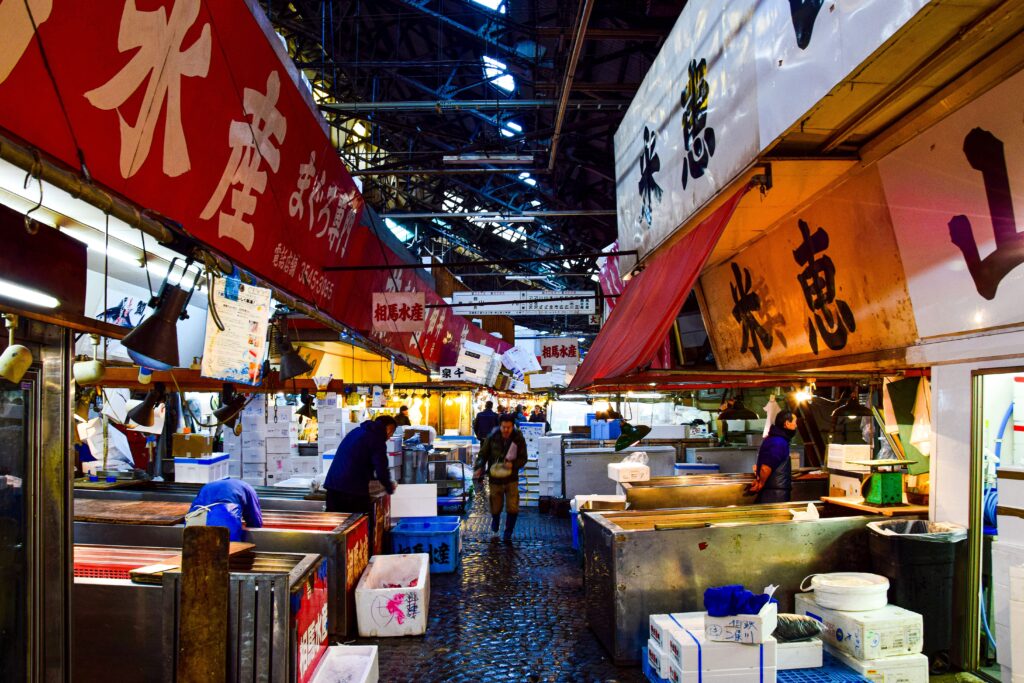
Tsukiji Outer Market — The inner fish market moved to Toyosu in 2018. The outer market stayed, and it’s better for the tourist anyway. The tuna auction at Toyosu requires an advance reservation and a 3am alarm. The outer market at 7am requires neither. Walk the stalls. Eat tamagoyaki (sweet egg roll) at the stands on the main walkway. Have the freshest sushi breakfast of your life.
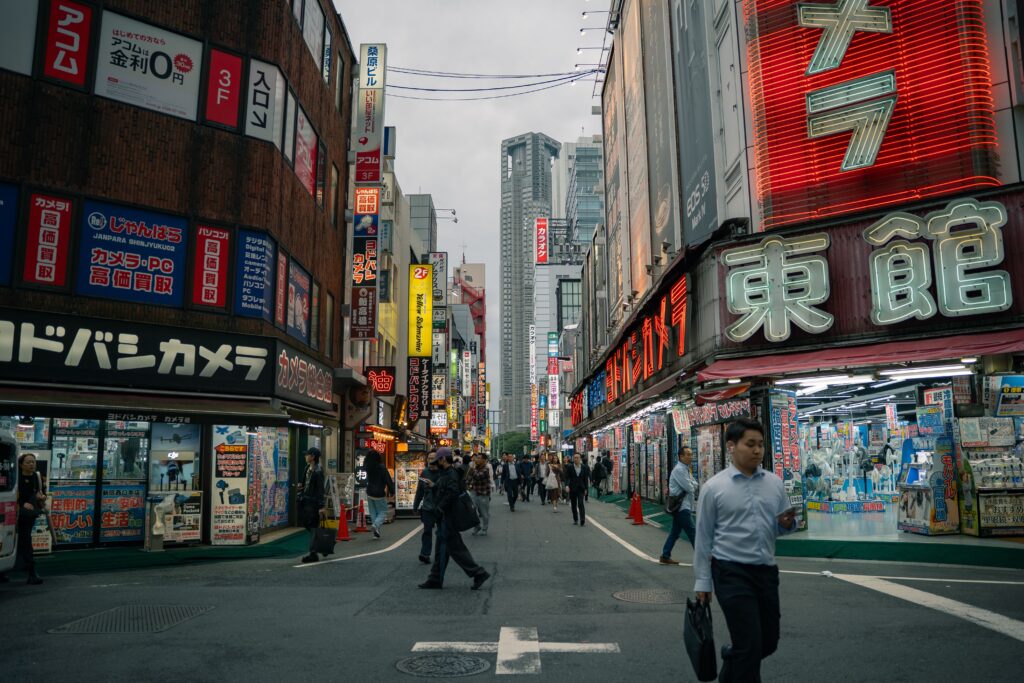
Akihabara — Tokyo’s electronics district turned anime and gaming quarter. You don’t need to be interested in anime to find it fascinating — the density of visual information per square metre is unlike anywhere else in the city. Go in the afternoon when it’s fully active.
Shibuya Crossing at Night — The most famous intersection in the world. For the view from below: stand on the corner and let it wash over you. For the view from above: the Mag’s Park observation deck on the sixth floor of the building above the Starbucks on the east side of the crossing. Free. The view at 7pm on a weekday is the image you’ve seen on every Japan mood board.
Day Two: West Side
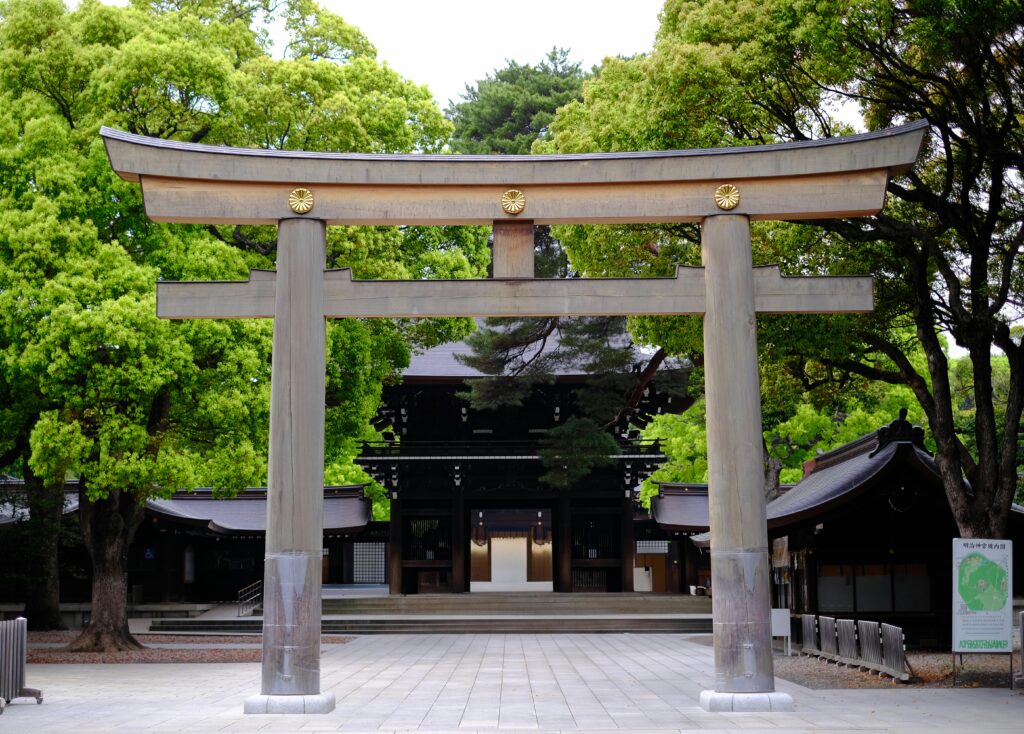
Meiji Shrine and Harajuku — Meiji Shrine sits inside a 700,000-square-metre forested park in the middle of Tokyo. The walk through the cedar forest to the shrine itself takes 10 minutes and is as peaceful as anything you’ll find in rural Japan. After the shrine: Harajuku, one train stop south, where the Takeshita Street fashion scene exists in its own universe. Then Omotesando, the wide boulevard running south from Harajuku — the designer shopping street, but also lined with some of the finest architecture in the city.
Shimokitazawa — Take the Keio Inokashira Line from Shibuya two stops to Shimokitazawa. This is the neighbourhood the guidebooks are starting to catch up with — independent record shops, vintage clothing, small live music venues, cafes that look like someone’s living room. Nothing to do except walk and find things. Lunch here.
teamLab Planets — Book in advance. It sells out weeks ahead, year-round, not just in peak season. An immersive digital art installation in Toyosu: rooms that respond to your movement, a field of flowers that blooms under your feet, a mirror room of light that goes in every direction. Some rooms have water — wear shorts or roll your trousers to the knee. It costs £22 and is one of the most genuinely stunning things I’ve experienced anywhere in the world.
Day Three: North and New
Yanaka — An old Tokyo neighbourhood that survived the wartime bombing and the subsequent rebuild. Traditional shotengai (shopping street), old wooden houses, a cemetery where writers and artists are buried, a cat population that moves through the lanes at a pace that suggests nobody is in any particular hurry. An hour here in the morning is the antidote to the enormous city outside it.
Shinjuku — Tokyo’s other centre. The east side: Kabukicho, the entertainment district, neon and izakayas and the Golden Gai (a warren of tiny bars, each seating six people, running through a network of narrow alleys). The west side: the Tokyo Metropolitan Government Building observation deck (free, open until 10:30pm) and the skyscraper district. Both are worth an evening.
Tokyo Tower vs Tokyo Skytree — You’ll probably only do one. Tokyo Tower is older, more iconic, more analogue — the view from it includes Tokyo Skytree on the horizon. Tokyo Skytree is taller and the view is more comprehensive. Neither is cheap (£10–25 depending on deck). The Tokyo Metropolitan Government Building is free and the view is excellent.
Hakone — The Fuji Night
Most people day-trip to Hakone from Tokyo. Most people are missing the point.
Hakone is 85 minutes from Shinjuku on the Romancecar express (book in advance at Odakyu, £13 each way). It’s a mountain resort town on the shores of Lake Ashi, with a view of Mount Fuji on clear mornings that stops conversations and makes people stand in silence looking at something they’ve seen in photographs their whole lives and didn’t quite believe was real until this moment.
The day-trippers leave by 4pm. After 4pm, Hakone belongs to the people who stayed.
What to Do in Hakone
Check into a ryokan first. The ryokan is the reason to be here. A traditional Japanese inn: futon on tatami floor, yukata (light cotton robe) to wear in the corridors, dinner served course by course in your room or in the dining hall, an onsen (hot spring bath) fed by the volcanic water of the Hakone caldera. Prices start at around £80–100/person including dinner and breakfast — which sounds expensive until you eat the dinner.
The Hakone Open Air Museum — A sculpture park with a permanent collection that includes Picasso and Henry Moore, and rotating installations across 70,000 square metres of landscaped garden with mountain views. Entry £16. Legitimately brilliant. Don’t skip it because it sounds like the least Japanese thing on the list.
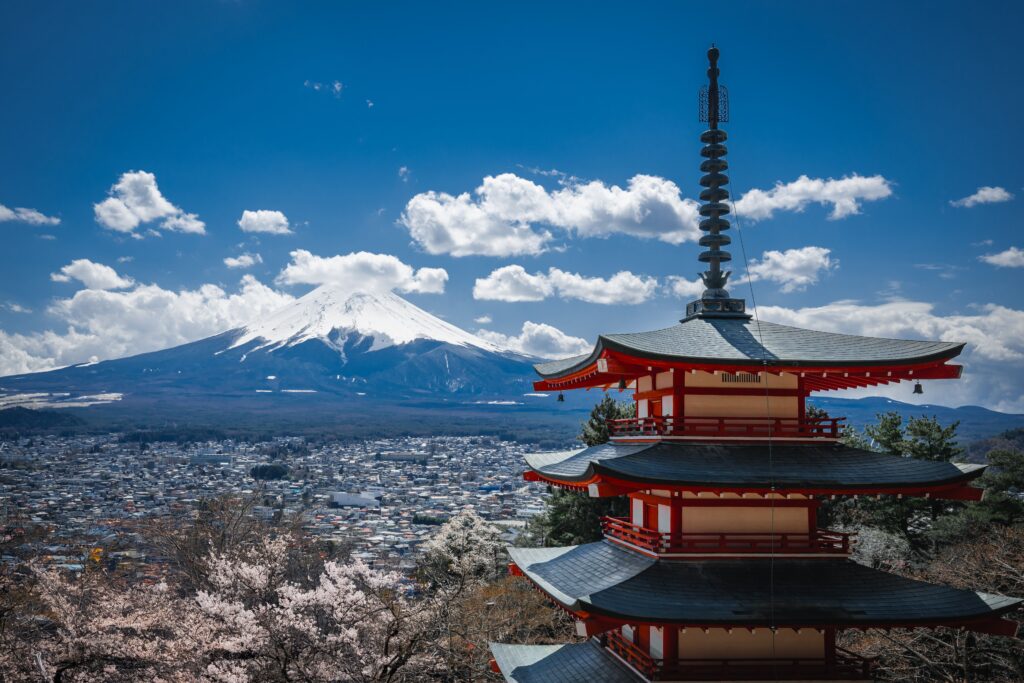
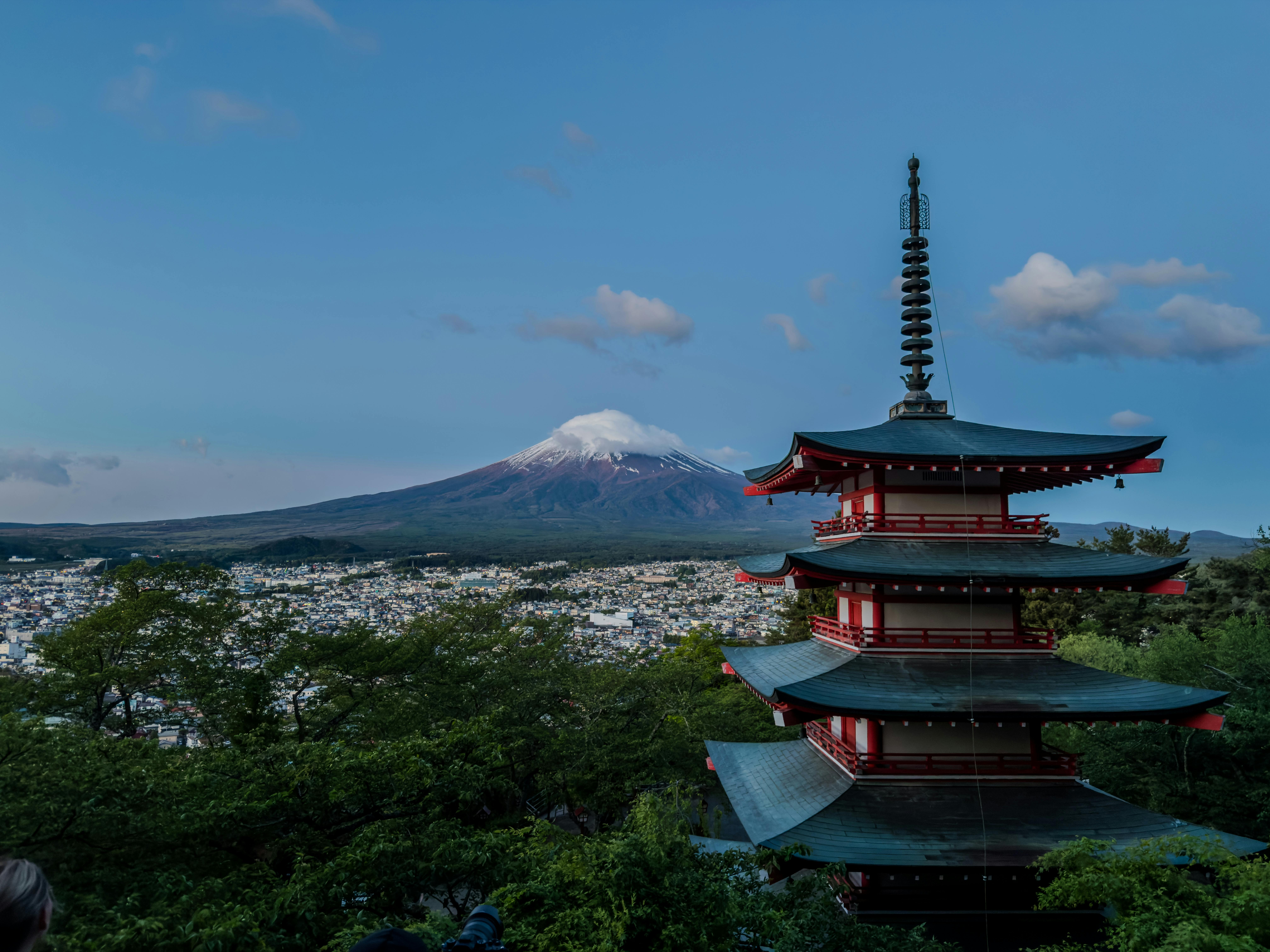
Mount Fuji — Hakone is the best base for views of Fuji that don’t require climbing it. Clear mornings (October–February are most reliable) reveal the full cone above Lake Ashi from several viewpoints in the town. The rope-way from Sounzan to Owakudani (an active volcanic zone, eggs boiled in the sulphur springs, views of Fuji across the caldera) is the most dramatic approach to a view point in the area.
If you want to climb Fuji itself: the official season is July–August. The climb from the 5th Station takes 5–7 hours ascent, 3–4 hours descent. Start late at night to reach the summit for dawn. Altitude: 3,776m — not technically difficult but physically demanding. Guides are not required. Go with a proper headtorch, layers, and the understanding that the weather above 2,500m can change in minutes.
Kyoto — The Early Alarm City
Kyoto is the most photographed city in Japan. It is also, genuinely, one of the most beautiful places I’ve been. Both things are true.
The crowds are real. 50 million visitors per year. The solution — the only solution — is to arrive before they do. In Kyoto, the difference between 5am and 9am is the difference between a private experience of one of the world’s great cultural sites and standing in a queue behind a tour group.
Set the alarm.
Fushimi Inari Taisha
The thousands of vermillion torii gates that appear on every Japan mood board. They wind up Mount Inari for 4km, donated by businesses and individuals whose names are carved on the back of each gate.
Go at 5am. By 5:15am you can walk the lower section with almost no one else. The light through the gates in the early morning is the best it will be all day. By 7am there are other people. By 9am there are tour buses.
The upper trail — past the point where most tourists turn back — takes 2 hours to the summit and back. The views over Kyoto from the upper mountain are as good as the gates below. The trail becomes quieter the higher you go. Do it.
Entry: free, open 24 hours.
The Arashiyama Bamboo Grove
The same rule applies. 6:30am at the bamboo grove. You’ll have 20 minutes before anyone else arrives.
The grove itself is brief — less than 500 metres of path through the bamboo. What makes it extraordinary is the combination of sound (wind through bamboo sounds like nothing else), light (the morning light filters green through the canopy), and the complete disorientation of a space where the vertical lines of the bamboo make it impossible to see more than a few metres in any direction.
After the grove: walk 5 minutes further into Jojakko-ji temple, a smaller temple on the hillside above Arashiyama that almost no one visits. Stone lanterns, autumn maple trees, moss-covered steps. Quieter than anything in the grove below.
Tenryu-ji Garden — adjacent to the bamboo grove. Entry £5. One of Japan’s finest karesansui (dry landscape) gardens, with a view of the Arashiyama mountains behind it that changes with every season. Worth 45 minutes.
The Philosopher’s Path
A 2km canal-side path lined with 450 cherry trees (or golden maple in autumn, or deep green in summer — it’s never not beautiful). Runs between Nanzen-ji temple in the north and Eikan-do in the south.
Nanzen-ji — at the northern end of the Philosopher’s Path: a large Zen complex with a Roman-style brick aqueduct running through the temple grounds. The aqueduct was built in 1890 to bring water from Lake Biwa into the city. It looks completely incongruous — red brick and arched bridges in a Japanese temple — and is entirely real.
Eikan-do — the most famous autumn foliage spot in Kyoto. Entry £8, worth it in early-to-mid November when the maples are at their peak. The view from the pagoda across the city, with the maple canopy in the foreground, is the Kyoto image that doesn’t make it onto many Instagram accounts because you have to be here at the right time of year to get it.
Gion
The geisha district. Hanamikoji Street is the address. Walk it in the mid-afternoon — better light than evening, slightly fewer people. Geisha sightings (maiko in training and geiko fully qualified) are real but not guaranteed. If you see one, don’t block the path for a photograph, don’t shout, don’t touch. They’re working, not performing.
The side streets off Hanamikoji — the narrow lanes lined with machiya townhouses — are more interesting and more atmospheric than the main street.
Yasaka Shrine — at the southern end of Gion, always open, always beautiful, the centre of the Gion Matsuri festival in July. At night, lit by stone lanterns, it’s as good as anything in Kyoto.
What to Skip in Kyoto
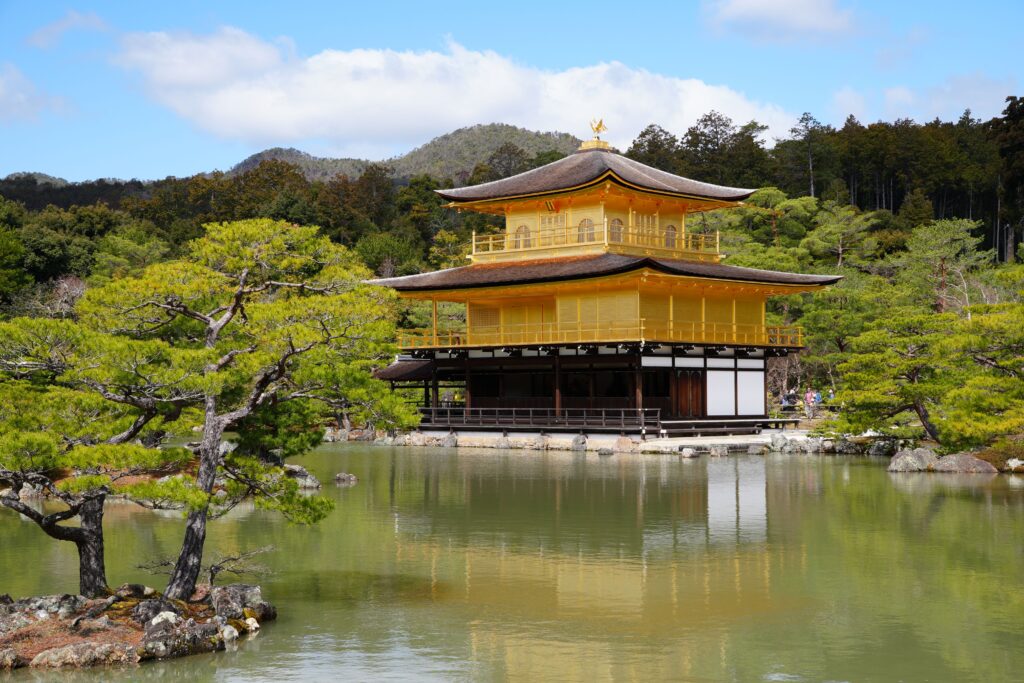
Kinkaku-ji (the Golden Pavilion) — genuinely extraordinary and genuinely overwhelming in peak season. The path around it is one-directional and crowded. Go at opening time (9am) if you want to experience it rather than just photograph it. The pavilion itself earns its reputation. The experience of visiting it in July at noon does not.
Nishiki Market — good for food browsing and tasting, but treat it as a walking snack rather than a sit-down experience. The pickled vegetables, fresh tofu, and matcha anything are worth the jostle. Don’t expect a quiet morning — it opens at 9am and is busy immediately.
Nara — The Day Trip Nobody Skips Twice
45 minutes from Kyoto by express train (£5 each way), 55 minutes from Osaka. The deer of Nara are the most visited deer in the world and the most nonchalant. They’ve been here for 1,200 years and they’ve had time to make peace with tourists.
Specifically: 1,200 Sika deer roam freely through Nara Park and the surrounding streets, approaching visitors who carry the biscuits (shika senbei) sold at stalls throughout the park. They bow for the biscuits. They steal the biscuits if you’re slow. They are entirely unbothered by cameras.
The deer are the reason most people go. Todai-ji temple is the reason most people come back. The world’s largest wooden building, housing a 15-metre bronze Buddha — the largest bronze statue in Japan, cast in 752 AD. Entry £5. Worth every penny of it.
Kasuga Taisha shrine — a 5-minute walk from Todai-ji into the forest. Thousands of bronze and stone lanterns lining the approach. Lit twice a year (February and August) in a ceremony that fills the darkened forest with candlelight. Even unlit, the approach through the old-growth cryptomeria forest is one of the finest short walks in the Kansai region.
Get to Nara by 8:30am to see the park before the school groups arrive. Be back on a train to Kyoto or Osaka by 3pm. A perfect day trip.
Osaka — Japan’s Food Capital
The move from Kyoto to Osaka takes 15 minutes on the Shinkansen and costs £12. You’re crossing from Japan’s cultural capital to its culinary one, and the shift is immediate.
Osaka is louder, cheaper, funnier, and hungrier than Kyoto. The residents of Osaka are known for their directness, their food obsession, and a disposition toward strangers that is warmer than the Japanese average (itself already warm). The city’s unofficial greeting — kuidaore — translates roughly as “eat until you drop.” This is treated less as a warning and more as an aspiration.
Dotonbori
The canal district. At night, neon signs — a crab, a blowfish, a running man — reflect in the water. Street food from a dozen different stalls lines the canal banks. Takoyaki (octopus balls, see below) and okonomiyaki (savoury pancake) are the dishes to eat here.
The canal itself at midnight, when the crowds thin and the neon reflects in still water and the city is quiet without being empty, is one of the finest urban views in Japan.
Kuromon Ichiba Market
A covered market that’s been operating since 1822. Fresh seafood, grilled crab legs, skewered meats, pickles, tofu. The market opens at 8am and the best stalls sell out by noon. Go in the morning. Eat at the stalls rather than the sit-down restaurants at the periphery.
Shinsekai
Old Osaka. A neighbourhood that predates the tourist trail and has maintained its character by not particularly caring about it. The kushikatsu (deep-fried skewers) bars here are small, warm, and excellent. The Tsutenkaku Tower — a 1956 landmark, less famous than Tokyo Tower and more characterful — looks down over the neighbourhood.
Osaka Castle
Impressive exterior, mediocre museum interior. Worth the walk around the castle grounds (free), less worth the entry fee (£8) unless you’re interested in Japanese history in detail. The grounds in cherry blossom or autumn are exceptional.
Hidden Japan — Beyond the Classic Route
The Snow Monkeys — Jigokudani, Nagano
Wild Japanese macaques that sit in natural outdoor hot springs in the Japanese Alps. This is real, it’s free, and it’s extraordinary.
The monkey park is in Jigokudani — 2 hours from Tokyo by Shinkansen to Nagano, then a local bus. February is the best month: the coldest weather means the monkeys stay in the water longer. Entry £4. No fences — you walk among them along the path to the pool.
The specific advice: arrive early (the park opens at 9am, get there for 9am). The monkeys are most active in the morning. The afternoon, when visitor numbers peak, tends to see them retreat from the main pool.
Kanazawa — The City Japan Loves More Than Tourists
Three hours from Tokyo on the Hokuriku Shinkansen. The city that survived the wartime bombing. The Kenroku-en garden — one of Japan’s three great gardens. The Higashi Chaya geisha district, better preserved than Gion and significantly less crowded. The 21st Century Museum of Contemporary Art. A seafood market (Omicho Ichiba) that feels like the real Japan in a way that Nishiki no longer entirely does.
Most tourists don’t reach Kanazawa. You should.
Hiroshima and Miyajima
Four hours from Tokyo by Shinkansen, or 2 hours from Osaka. The Peace Memorial Park and Museum are among the most important cultural sites in Japan — the museum documents the atomic bombing of August 6, 1945 with a quiet, unflinching clarity that is completely overwhelming. Go. Allow two hours minimum. Do not rush it.
The floating torii gate at Miyajima — a red torii gate of Itsukushima Shrine standing in the sea, accessible by ferry from Hiroshima — is one of Japan’s three “views” (Nihon Sankei). At high tide, with the gate surrounded by water and the shrine complex behind it, it earns the designation.
Hakuba Valley, Nagano — Winter Japan
Japan has some of the finest powder snow in the world. The Japanese Alps receive enormous snowfall from Siberian weather systems that drop moisture as they cross the Sea of Japan. Hakuba Valley, host of the 1998 Winter Olympics, has 9 interconnected resorts and genuinely exceptional skiing from December through April.
Getting there: 2.5 hours from Tokyo by Shinkansen to Nagano, then a bus. The resort towns have significant English-language infrastructure built over the past 20 years of international skier interest.
Tokyo Day Trips No One Takes
Beyond the famous ones (Kamakura, Nikko, Hakone): Kawagoe is a preserved Edo-period merchant town one hour from Ikebukuro by express train. Dark wood storehouses from the 18th century, a bell tower that still chimes four times a day, sweet potato in every conceivable form. Almost entirely Japanese visitors. Enoshima Island is an hour from Shinjuku — a small island connected to the mainland by a causeway with sea caves containing Buddhist shrines and some of the best shirasu (whitebait) food in Japan.
What It Costs — Real Numbers
The expensive reputation is partly true and partly the result of travelling wrong. Here’s the actual breakdown.
Daily Budgets
Budget (£40–55/day)
- Capsule hotel or hostel dorm: £18–28/night
- Meals: convenience store breakfast and lunch, ramen dinner (£8–12/day total)
- Transport: IC card for city travel, JR Pass amortised across the trip
- Activities: mostly free temples and shrines
This is achievable. It means eating from 7-Eleven more than you’d like, but 7-Eleven in Japan is not the convenience store you know from home. The food is genuinely good.
Mid-range (£80–110/day)
- Business hotel or guesthouse: £45–70/night
- Mix of convenience store, ramen, and one restaurant dinner: £20–30/day
- IC card plus occasional Shinkansen
- Two or three paid activities per week
Comfortable. You’ll sleep well, eat well, and not worry about the cost of every cup of tea.
Comfortable (£130–180/day)
- Mid-range to good hotel: £70–120/night
- Restaurant dinners, market lunches, convenience store breakfast: £35–50/day
- Travel as needed
- Activities without budget concern
At this level you’re in business hotels in central Tokyo and Osaka, eating at izakayas and mid-range restaurants most nights, and splurging on one ryokan night in Hakone.
What 10 Days in Japan Actually Costs from the UK
| Category | Budget | Mid-Range |
|---|---|---|
| Return flights (book 3 months ahead) | £550–700 | £700–900 |
| 10 nights accommodation | £280–350 | £500–700 |
| Food (10 days) | £100–140 | £250–350 |
| JR Pass (7-day) | £265 | £265 |
| Activities and entry fees | £60–100 | £100–180 |
| Total | £1,255–1,555 | £1,815–2,395 |
These numbers include the JR Pass, which is a fixed cost at £265 regardless of what else you spend.
The JR Pass — An Honest Calculator
The JR Pass is a pre-purchased rail pass covering most Japan Rail (JR) lines, including the Shinkansen bullet train network. It’s sold exclusively to foreign tourists and must be purchased before you leave the UK.
The 7-day pass costs £265 (verify current price — it changes periodically).
The question everyone asks: is it worth it?
On the classic Tokyo → Hakone → Kyoto → Osaka route:
Point-to-point costs without JR Pass:
- Romancecar Tokyo → Hakone: £13
- Shinkansen Odawara → Kyoto: £70
- Shinkansen Kyoto → Osaka: £12
- Plus city metro fares in Tokyo, Kyoto, Osaka: £25–40
Total without JR Pass: approximately £120–135 for the main intercity travel.
The JR Pass costs £265. On this route alone, it doesn’t pay.
But add:
- Nara day trip from Kyoto: £10 return
- Hiroshima from Osaka: £100+ return by Shinkansen
- Airport connections (Narita or Haneda → Tokyo): £13–32 return
- Snow monkeys day trip from Tokyo: £60+ return
If you’re doing Hiroshima from Osaka and the snow monkeys from Tokyo, the JR Pass saves money. If you’re doing the classic route only, buying point-to-point is often cheaper.
The BGGD recommendation: Use the Hyperdia or Japan Rail Pass calculator (search either by name) to input your exact route before deciding. Don’t assume the pass is always the right answer. For many 10-day itineraries, it is. For some, it isn’t.
Eating in Japan — A Brief Religion
Japanese food is a subject so large that this guide can only open the door.
Here is the door.
The Convenience Store Dismiss this at your peril. The onigiri (rice balls) at 7-Eleven — individually sealed triangles of seasoned rice with a nori seaweed wrapper and a filling — are the best fast food in the world. Salmon, tuna mayo, pickled plum, mentaiko (spicy cod roe). The katsu sandwiches are excellent. The hot foods at the counter (nikuman steamed pork buns, karaage fried chicken) are legitimately good. Budget £2.50–4 for a full meal.
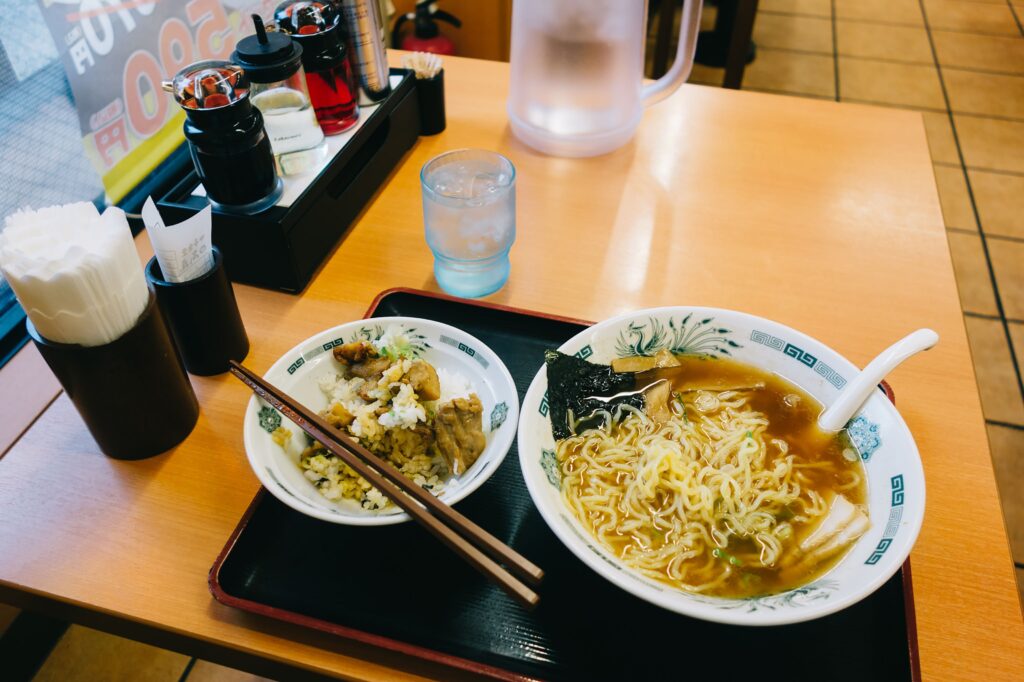
Ramen A bowl of ramen in Japan costs £5–8 and represents one of the finest value propositions in food. The broth is the thing — tonkotsu (pork bone, rich and creamy) in Fukuoka, shoyu (soy sauce, lighter, more aromatic) in Tokyo, miso in Sapporo. The noodles, the chashu pork, the soft-boiled egg, the bamboo shoots. Ichiran in Tokyo (Shibuya or Shinjuku) offers solo booth dining where you order on a form and eat in privacy — £5.25, one of the best value restaurant experiences in Japan.
Tsukiji Outer Market Breakfast Already mentioned. Fresh tuna, sea urchin, salmon roe on rice. The best sushi breakfast you will eat. Arrive at 7–8am. Order whatever the person in front of you ordered.
Osaka Street Food Takoyaki — octopus balls, crispy outside, molten inside, brushed with sauce and bonito flakes — from Wanaka on Dotonbori: £3.20 for 8 pieces. Okonomiyaki (the savoury pancake) at Mizuno on Dotonbori: £4.80. These are the two Osaka dishes. Everything else is supplementary.
The Teishoku Lunch Many mid-range restaurants offer set lunch (teishoku) at roughly half the dinner price. Main dish, rice, miso soup, pickles, salad. £4–8. The sushi restaurant at lunch is often 30–40% cheaper than at dinner. Always eat the significant meal at lunch rather than dinner in Japan.
The Izakaya The izakaya is the Japanese pub — small dishes, beer and sake, convivial. An izakaya dinner for two (8–10 small dishes, several drinks) costs £30–50. This is how most Japanese people socialise after work. Find them in the backstreets under the train tracks in Tokyo (Yurakucho), in Shimokitazawa, in Osaka’s Shinsekai. The ones without English menus are usually the better ones — point at what someone else has.
The Three Things Nobody Tells You Before You Land
After three trips, these are the things I wish someone had told me before the first.
1. Cash is still king
Japan is one of the most technologically advanced countries in the world and a significant number of restaurants, shrines, taxis, and small shops are still cash only. The beautiful ramen shop down the alley with no sign: cash only. The temple entry gate in Kyoto: cash only. The tatami souvenir stall: cash only.
Get ¥30,000 (about £170) from a Japan Post or 7-Eleven ATM on arrival and carry it. These ATMs accept foreign cards reliably. Many others do not. Keep the cash replenished throughout the trip. You will need it at the moment you can least afford not to have it.
2. Set up your IC card immediately
The IC card (Suica or Pasmo) is a prepaid transit card that works on every train, metro, and bus in Japan. It also works at convenience stores, vending machines, most taxis, and some restaurants.
Buy it at any JR machine on arrival at the airport — there’s an English interface. Add ¥3,000–5,000 to start (top up at any station). From this moment on, you tap in and out of every station without buying individual tickets. The city becomes significantly simpler.
3. The ticket vending machine restaurants
Many ramen shops, curry restaurants, and small lunch places use a system where you buy your meal from a vending machine outside the door, receive a ticket, hand it to the chef, and sit down. There is usually no English interface and the pictures are often very small.
This is not a problem. The machine works by: press the button next to whatever looks most like what you want (or whatever someone ahead of you pressed), insert coins or notes, receive a ticket, wait for someone to point you to a seat, hand them the ticket. The food arrives. It is almost certainly excellent.
Don’t let the machine confuse you into eating somewhere easier. The machine restaurants are usually the better ones.
The 10-Day Itinerary — The Route That Works
This is the route I’d recommend for a first trip and the one that flows naturally through the best of Japan without backtracking or wasting days in transit.
Days 1–3: Tokyo
Day 1: Land. Get your JR Pass activated at the airport exchange office. Buy an IC card at a JR machine. Get the train into the city. Sleep. The first day doesn’t count.
Day 2: Tsukiji Outer Market at 7am (breakfast). Asakusa and Senso-ji (9am, still manageable). Shibuya crossing at 7pm from the Mag’s Park deck.
Day 3: Meiji Shrine (morning). Shimokitazawa (lunch). teamLab Planets (book in advance, afternoon/evening slot).
Day 4: Tokyo → Hakone
Romancecar from Shinjuku, 85 minutes. Check in to ryokan. Onsen. Hakone Open Air Museum in the afternoon. Dinner served at the ryokan — this is the meal that makes the cost make sense.
Day 5: Hakone → Kyoto
Morning: rope-way to Owakudani if clear, lake view if not. Shinkansen from Odawara to Kyoto. Arrive afternoon. Walk Nishiki Market, Gion at dusk.
Days 6–7: Kyoto
Day 6: Alarm at 4:30am. Fushimi Inari at 5am. Arashiyama Bamboo Grove at 6:30am. Tenryu-ji garden. Lunch in Arashiyama. Afternoon: nothing specific — walk the smaller streets and allow the city to find you.
Day 7: Philosopher’s Path (morning). Nanzen-ji. Eikan-do in autumn or whenever you’re there. Kinkaku-ji if you’re early enough to beat the crowds. Daitoku-ji — the enormous temple complex near the north of the city that almost nobody enters.
Day 8: Nara Day Trip
Express train from Kyoto, 45 minutes. Deer. Todai-ji. Kasuga Taisha. Back to Kyoto for dinner or take the train to Osaka.
Days 9–10: Osaka
Day 9: Dotonbori (lunch and street food). Kuromon Ichiba Market (morning). Osaka Castle grounds. Shinsekai in the evening for kushikatsu.
Day 10: Morning in the city. Afternoon flight from Osaka Kansai International (KIX) — allow 90 minutes to the airport.
Total cost estimate:
| Category | Cost |
|---|---|
| Return flights UK → Tokyo, Osaka → UK (open jaw) | £600–800 |
| 10 nights accommodation (mix of capsule/hotel/one ryokan) | £450–550 |
| JR Pass 7-day | £265 |
| Food + activities (10 days) | £250–350 |
| Total | £1,565–1,965 |
For the full day-by-day version with accommodation picks, restaurant names, exact train numbers, and everything to book in advance, the Japan 10-Day Itinerary PDF is £12 at bggdworld.com.
Practical Notes
Visa: UK passport holders receive a 90-day visa exemption on arrival. No application, no fee, no advance registration. Simply arrive.
Getting there: Return flights London → Tokyo (Narita or Haneda) from £550–800 booked 3 months ahead. British Airways flies direct. Japan Airlines, ANA, and Emirates via Dubai are alternatives. Open-jaw routing — fly into Tokyo, out of Osaka Kansai — avoids backtracking and sometimes saves money.
Airport to city: The Narita Express (N’EX) runs from Narita to Shinjuku in 90 minutes, £25 one way. The Keikyu Skyliner from Haneda to Ueno is 36 minutes, £13. Both are covered by JR Pass variants — check before buying.
Language: English is less widely spoken than in Thailand. Major tourist sites have English signage. Google Translate with the camera function handles menus and signs. The language barrier is lower than it appears because Japanese service culture means extraordinary patience with people who are clearly trying.
Getting a SIM: Buy a pocket WiFi device or SIM at the airport. IIJmio and B-Mobile offer 10-day tourist SIMs from £20. Alternatively, activate an Airalo eSIM before you land.
Etiquette: The things that genuinely matter: no eating while walking (it’s considered rude), no talking on mobile phones on trains, shoes off at traditional restaurants with tatami flooring, both hands when exchanging business cards or money. The queue discipline is universal and absolute — always queue, always wait, always let the person ahead of you board first. This last one is so deeply embedded in the culture that violating it feels genuinely strange in a way that’s hard to explain until you’re inside it.
Final Thought
The moment Japan stops overwhelming you and starts making sense is one of the most satisfying transitions in travel. For most people it happens around day four — when the trains are no longer confusing, when you know what to order at the vending machine restaurant, when the city has stopped feeling alien and started feeling like somewhere you could live.
That feeling of orientation — hard-won, specific, yours — is what most people describe when they try to explain why they went back.
You’ll go back.