
The question that the Indian Ocean travel market generates more consistently than any other: Sri Lanka or Maldives? The honest answer: they are not alternatives. The Maldives gives the overwater villa, the coral reef at snorkel depth, and the specific Indian Ocean blue. Sri Lanka gives the temple, the tea plantation, the surf, the leopard in the Yala, and the specific South Asian cultural depth that the Maldives (which is an artificial construct of resort islands on uninhabited sandbanks) cannot and does not attempt to provide. The question “Sri Lanka or Maldives” is actually “do you want the beach that has no culture attached, or the country that happens to have excellent beaches?”
Reading time: 8 minutes | Last updated: 2026
The Core Distinction
The Maldives is a beach resort destination with no accessible Maldivian culture to engage with — the resort islands are uninhabited sandbanks that the Maldivian government leases to resort operators, the Maldivian population living on separate islands that most resort visitors never visit. The marine environment (the coral reef, the whale sharks, the manta rays) is genuinely extraordinary. The cultural experience is absent by design.
Sri Lanka is a country — the tea plantations of the Central Highlands, the ancient kingdoms of Anuradhapura and Polonnaruwa, the Sigiriya rock fortress, the surf at Arugam Bay, the leopard at Yala, the whale watching at Mirissa, and the specific Sri Lankan Tamil and Sinhalese cultural traditions visible in every town and every temple. The beaches (the south coast, the east coast) are excellent.
The correct question is not which is better. It is what you came for.
Category by Category
The Beach and the Marine Environment
Maldives wins clearly:
The Maldives atoll (the coral ring surrounding the lagoon — the lagoon water at 29-30°C, the visibility at 20-30 metres, the coral at snorkelling depth from the resort beach): the most accessible world-class coral reef beach in the Indian Ocean. The resort beach is private (the sandbank is the resort’s island — no public access), the beach chairs arranged for you each morning, and the marine biologist runs the house reef snorkel at 9am. This is the Maldives proposition. It is specific, it is excellent, and it is available at price points from £250/night (the accessible mid-range in the local guesthouses of inhabited islands like Maafushi) to £2,000+/night (the overwater villa at the ultra-luxury resort).
Sri Lanka competes:
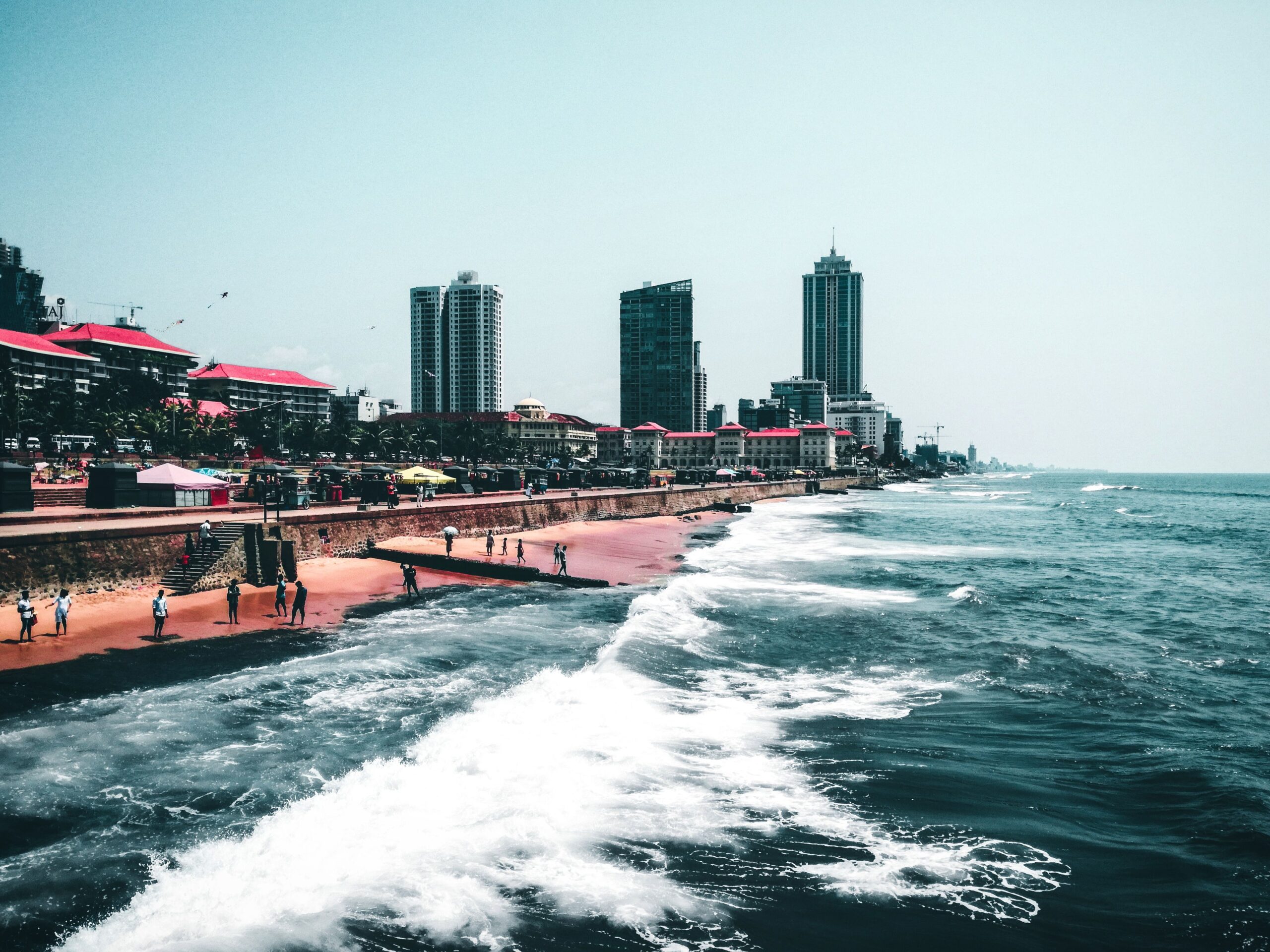
The Sri Lanka south coast (the Unawatuna, the Mirissa, the Tangalle — the beaches are golden sand, the water warm (27-29°C), the snorkelling at the Pigeon Island near Trincomalee comparable to the Maldives at the shallower end). The Arugam Bay (the east coast surf point, the consistent right-hand point break from May-October, the global surfing community that has made it the best surf destination in Asia): the beach that is correct for the surfer rather than the snorkeller.
Verdict: Maldives for the pure beach-and-reef experience. Sri Lanka if the beach is one component of a larger visit.
The Wildlife
Sri Lanka wins emphatically:
Yala National Park (the leopard density — the highest density of leopards per square kilometre of any protected area in the world, the leopard visible on approximately 75% of morning game drives in the wet zone of the park), the Udawalawe elephant sanctuary (the elephant in the wild, the herds of 40-80 elephants visible from the game drive vehicle — the Sri Lankan elephant, the smaller Asian subspecies with the specific Sri Lankan characteristics), and the Mirissa whale watching (the blue whale — the largest animal that has ever existed — visible from the whale watching boat from November to April, the blue whale feeding in the deep water off the south coast giving the surface blows visible from the boat at 1-3km distance).
Maldives wildlife:
The Maldives marine wildlife (the whale shark at the south Ari Atoll, the manta ray at the cleaning stations, the hammerhead at the outer atolls) is extraordinary — the full guide in Best Scuba Diving Destinations. For the visitor whose primary wildlife interest is terrestrial rather than marine, the Maldives has nothing on land — the resort island has the resident heron and the occasional sea turtle on the beach.
Verdict: Sri Lanka for wildlife that includes the leopard, the elephant, and the blue whale. Maldives for marine wildlife.
The Culture and History
Sri Lanka wins completely:
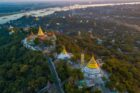
The UNESCO Sigiriya Rock Fortress (the 5th-century CE rock fortress at 200 metres above the surrounding forest, the frescoes of the sky maidens on the rock face, the mirror wall, the lion’s paw at the summit approach — the most specific single archaeological site in Sri Lanka and one of the finest in South Asia): entry USD 30 / £23.62.
The Kandy Temple of the Tooth (the Sri Dalada Maligawa — the temple housing the relic of the tooth of the Buddha, the most sacred Buddhist site in Sri Lanka, the daily puja (the ceremony at 6:30am, 9:30am, and 6:30pm visible from the public gallery of the temple)):
The ancient capitals of Anuradhapura (the ruined city covering 16 square kilometres, the capital of the Sinhalese kingdom from the 4th century BCE to 1017 CE) and Polonnaruwa (the later medieval capital, the best-preserved ancient city in Sri Lanka):
The Maldives culture: the Male (the Maldivian capital, accessible by ferry from the resort transfer boat) gives the Maldivian Friday Mosque, the local market, and the specific Maldivian urban experience — a significant contrast from the resort island but rarely incorporated into the standard Maldives visit.
Verdict: Sri Lanka for anyone who came for culture. The Maldives offers almost none.
The Cost
| Category | Maldives | Sri Lanka |
|---|---|---|
| 7-night budget option | £700-1,200 (local guesthouse islands) | £400-800 |
| 7-night mid-range | £1,500-3,000 | £700-1,400 |
| 7-night luxury | £3,500-8,000+ | £1,400-3,000 |
| Return flights (UK) | £550-800 | £400-650 |
| Food and activities | Included in resort package | £30-80/day |
Sri Lanka is approximately 50-60% of the Maldives cost at the mid-range. The luxury Sri Lanka (the Amangalla, the Amanwella, the Geoffrey Bawa-designed hotels) gives the equivalent luxury experience to the Maldives mid-tier at a fraction of the price.
The BGGD Verdict
Choose the Maldives if: You want the overwater villa, the coral reef accessible from the beach, and the specific luxury beach resort holiday with no other agenda.
Choose Sri Lanka if: You want the wildlife, the history, the culture, the surf, the tea plantations, the excellent beaches, and the country that gives you more to do per day than any island in the Indian Ocean can.
The compromise: Some travellers do 7 days in Sri Lanka (the culture, the wildlife, the south coast beach) and fly from Colombo to the Maldives for 4 days at the end (the reef, the overwater villa). The combined circuit is the most complete Indian Ocean holiday available.