
The route that gives Norway in its full geographic argument: two days in Bergen for the fish market and the Bryggen Wharf and the funicular that puts the fjordland landscape in its full west-coast context, three days driving the Hardangerfjord or the Sognefjord circuit for the waterfall that falls directly into the sea and the ferry that is the best way to understand what a fjord is, and two days in the Lofoten Islands — the fishing village archipelago above the Arctic Circle that is the most photographically extraordinary landscape in Europe and that most Norway guides include as a “maybe if you have time” when it is in fact the point.
Reading time: 11 minutes | Last updated: 2026
Norway is expensive — the most expensive country in this guide by the specific metrics of coffee (£5-7 per cup), accommodation (£120-250/night for mid-range), and restaurant food (£25-45 per main course). The price is real and worth acknowledging before the planning begins.
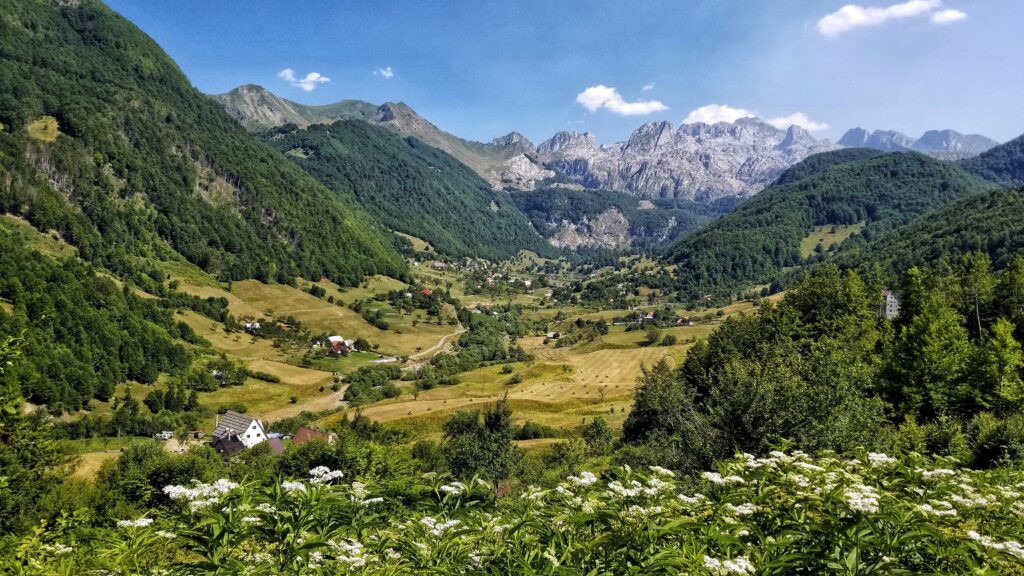
The Norway proposition: the landscape that justifies the price is available in no other country on Earth. The fjords (the glacial valleys filled by the sea, the water 1,300 metres deep in the Sognefjord, the walls above it 1,200 metres high) are the most dramatic water-meets-mountain geography accessible in Europe. The Lofoten Islands (the archipelago of 24,500 people above the Arctic Circle, the mountains rising directly from the sea, the midnight sun in summer and the aurora in winter) is the most extraordinary single landscape in Europe outside Iceland.
The question is not whether Norway is worth the price. It is whether the 7-day window available to the UK traveller gives enough time to understand the argument. It does — if the itinerary goes to the Lofotens.
Before You Leave
The season: The fjord experience is accessible year-round but the road passes (the Aurlandsfjellet “Snow Road,” the Trollstigen mountain road) are closed October-May. The summer (June-August) gives the midnight sun and the green fjord valley. The autumn (September-October) gives the golden birch and the early snow on the peaks. The winter gives the aurora (the northern lights visible throughout Norway from November-March).
The flights: Bergen (BGO) is the correct entry point for the fjord circuit. The Lofoten Islands (Svolvær, Leknes) are accessible by flight from Bergen via Oslo (SAS, Norwegian, Widerøe) or by overnight express coastal ferry from Bergen (the Hurtigruten — the classic Norwegian coastal voyage, 27 hours Bergen to Bodø with the Lofoten visible).
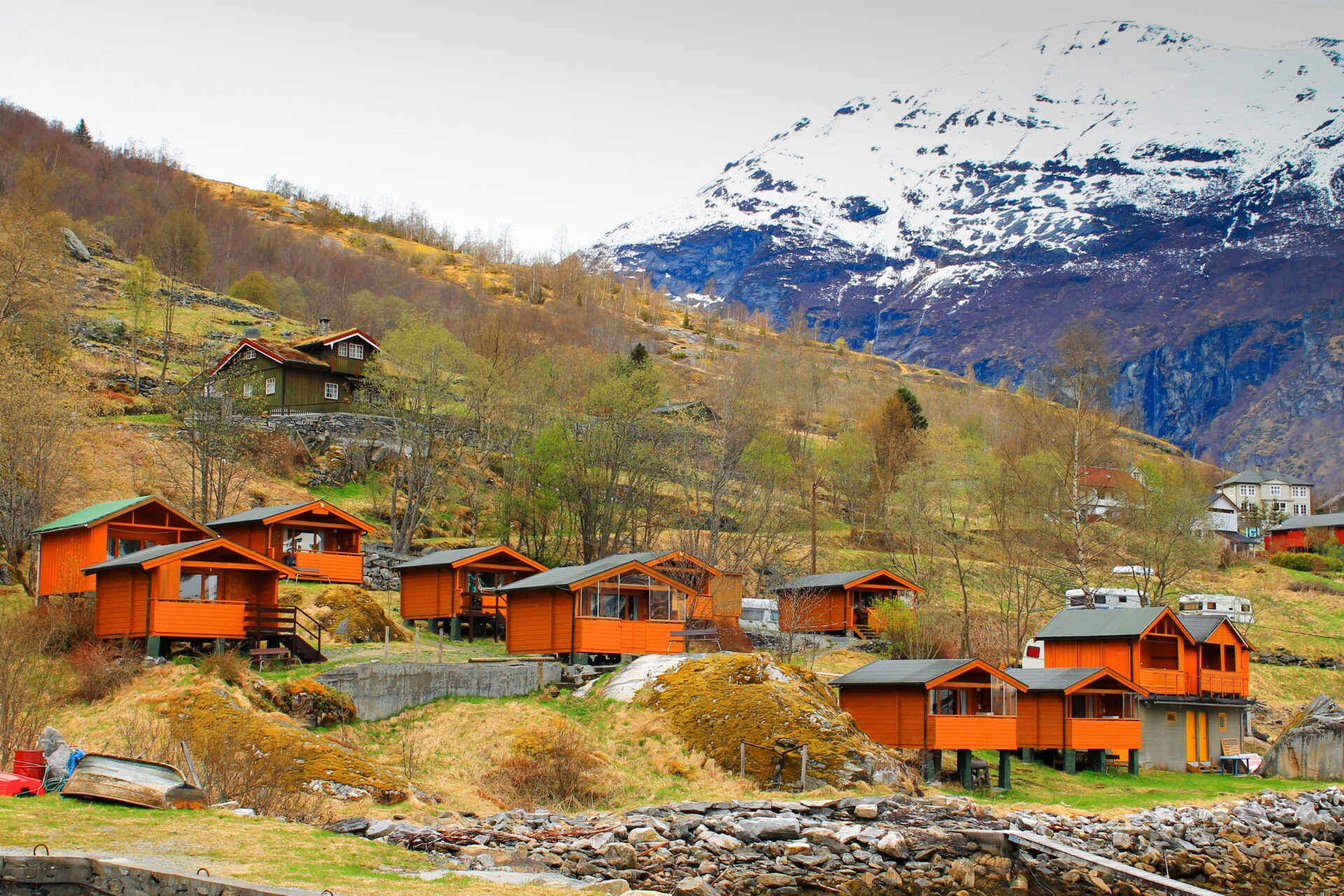
The budget: Norway’s tourist infrastructure has developed the camping and the cabin (hytte) culture as the budget alternative — the campsite (campingplass) at NOK 250-400 / £18.18-29.09 per night for two people (including the tent pitch), the self-catering cabin at NOK 600-1,200 / £43.64-87.27 per night. The BGGD budget table below assumes the cabin-and-self-catering model for 4 nights and hotel for 3 nights.
The Route
Bergen (2 nights) → Fjord circuit: Hardangerfjord or Sognefjord (3 nights, cabin base) → Fly Bergen-Oslo-Svolvær (Lofoten Islands, 2 nights)
The 7 Days
DAYS 1-2 — Bergen
Day 1: The Bryggen and the Fish Market
8:00am — The Fish Market
The Bergen Fish Market (Torget — the harbour-front market, the fish auction and retail market operating since the 12th century): at 8am, the fresh catch from the overnight trawlers — the Atlantic cod, the halibut, the king crab (the Paralithodes camtschaticus, the giant crab introduced from the Soviet Union in the 1960s and now the dominant crustacean of the Norwegian Arctic coast, the legs to 1.8 metres span), and the Norwegian salmon.
The market breakfast: the smoked salmon on rye bread (the røkelaks, the cold-smoked salmon from the Hardangerfjord farms, the specific Norwegian smoke profile): NOK 150-220 / £10.91-16.00. The fish soup (fiskesuppe) from the market stalls: NOK 120-180 / £8.73-13.09.
The Bryggen:
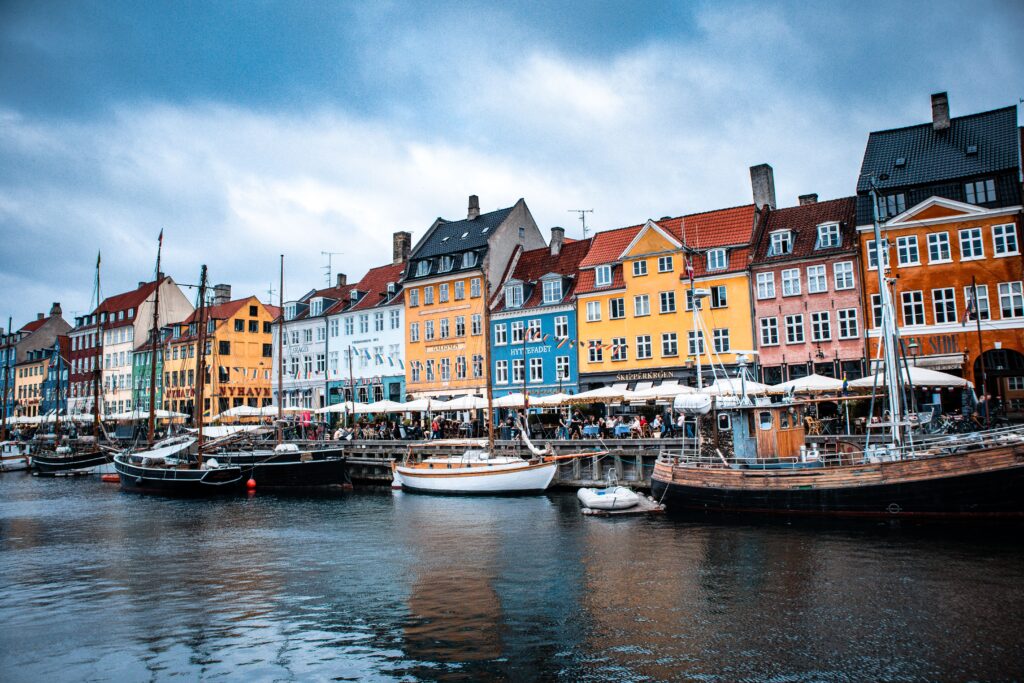
The Bryggen (the UNESCO-listed wharf — the 14th-century Hanseatic trading houses that made Bergen the most significant trading port in northern Europe during the medieval period, the current buildings the reconstruction after the 1702 fire using the same footprint and the same construction technique — the wooden plank buildings, no nails, the planks driven into each other in the specific Norwegian construction method):
The Hanseatisk Museum (the preserved interior of a Hanseatic merchant’s house — the sleeping quarters above the counting house, the system of debts visible in the carved tallies on the walls, the specific power structure of the Hanseatic League visible in the physical arrangement of the house): NOK 130 / £9.45.
The Fløibanen Funicular:
The Fløibanen (the funicular from the city centre to Mount Fløyen at 320 metres — the 8-minute ascent, the Bergen city and the seven mountains that surround it, the fjords visible to the south): NOK 135 / £9.82 return. The walk from the summit (the marked trail to the Skomakerdiket lake, the specific Norwegian mountain forest at the edge of the treeline): free.
Day 2: The Fjord in Context
The express boat from Bergen to Vik in the Sognefjord (the 3-hour passenger ferry, the fjord landscape from the water — the correct way to first see the fjord is from the level of the water rather than from the road above): NOK 450-650 / £32.73-47.27 return. Departures from the Strandkaiterminalen.
The Sognefjord (at 204km the longest fjord in Norway, at 1,308 metres the deepest): from the water, the scale is comprehensible in a way that the road map does not give. The walls above the water, the waterfalls descending from the plateau above, the farms on the narrow ledges between the water and the cliff.
DAYS 3-5 — The Fjord Circuit
Day 3: Drive to the Hardangerfjord
The Hardangerfjord (the fjord east of Bergen, the fjord with the fruit orchards on the valley sides — the apple and the pear trees visible in blossom in May and heavy with fruit in September, the specific agricultural pocket that the sheltered fjord microclimate creates):
The Vøringsfossen (the waterfall on the Hardanger plateau — the Bjoreio River plunging 182 metres from the edge of the Hardangervidda plateau into the gorge below, the most visited single natural feature in Norway): viewable from the canyon rim (free) or the specific guided path to the base (NOK 200 / £14.55 for the guided descent).
The Hardanger ferry (the car ferry from Brimnes to Bruravik across the fjord — NOK 50-80 / £3.64-5.82 for the car and passengers, the 5-minute crossing that gives the fjord from the surface in the most compressed available form): the specific Norway that the 5-minute ferry crossing enables.
Day 4: The Sognefjord — Flåm
The Flåm Railway (the Flåmsbana — the mountain railway from Myrdal on the Bergen-Oslo main line down to the Sognefjord at Flåm, the 20km descent of 863 metres through the Flåm valley, the waterfalls visible from the train window, the Kjosfossen waterfall stop — the train halts at the waterfall, the passengers given 5 minutes): NOK 450-680 / £32.73-49.45 one way, NOK 780-1,100 / £56.73-80 return.
The Flåm-Gudvangen boat (the 2-hour boat through the Nærøyfjord — the UNESCO-listed arm of the Sognefjord, the narrowest point 250 metres wide, the walls above 1,400 metres high, the reflection visible throughout): NOK 450-600 / £32.73-43.64 per person.
The specific instruction: do the Flåm railway and the Nærøyfjord boat in one day — the combination gives Norway’s landscape in its two most specific forms (the mountain railway descent and the fjord from the water surface) in a single circuit.
Day 5: Nærøyfjord Kayaking or Hardangervidda Plateau
The fjord kayak (the Flåm kayak hire): The Nærøyfjord by kayak — the fjord surface at the water level, the walls above, the waterfalls falling from the cliffs to the fjord 50 metres from the kayak: NOK 600-900 / £43.64-65.45 per person for the half-day guided kayak.
The Hardangervidda (the high mountain plateau): The most expansive landscape in Norway — the 8,000 square kilometre plateau above the tree line, the reindeer herds visible from the road, the specific Nordic mountain emptiness: drive the Rv7 across the plateau from the fjord to the eastern side.
DAYS 6-7 — The Lofoten Islands
Fly Bergen-Oslo-Svolvær (Lofoten): The flight from Bergen via Oslo to Svolvær or Leknes on the Lofoten Islands (Widerøe or SAS/Norwegian): NOK 1,200-2,500 / £87.27-181.82 per person return.
The Lofoten Islands:
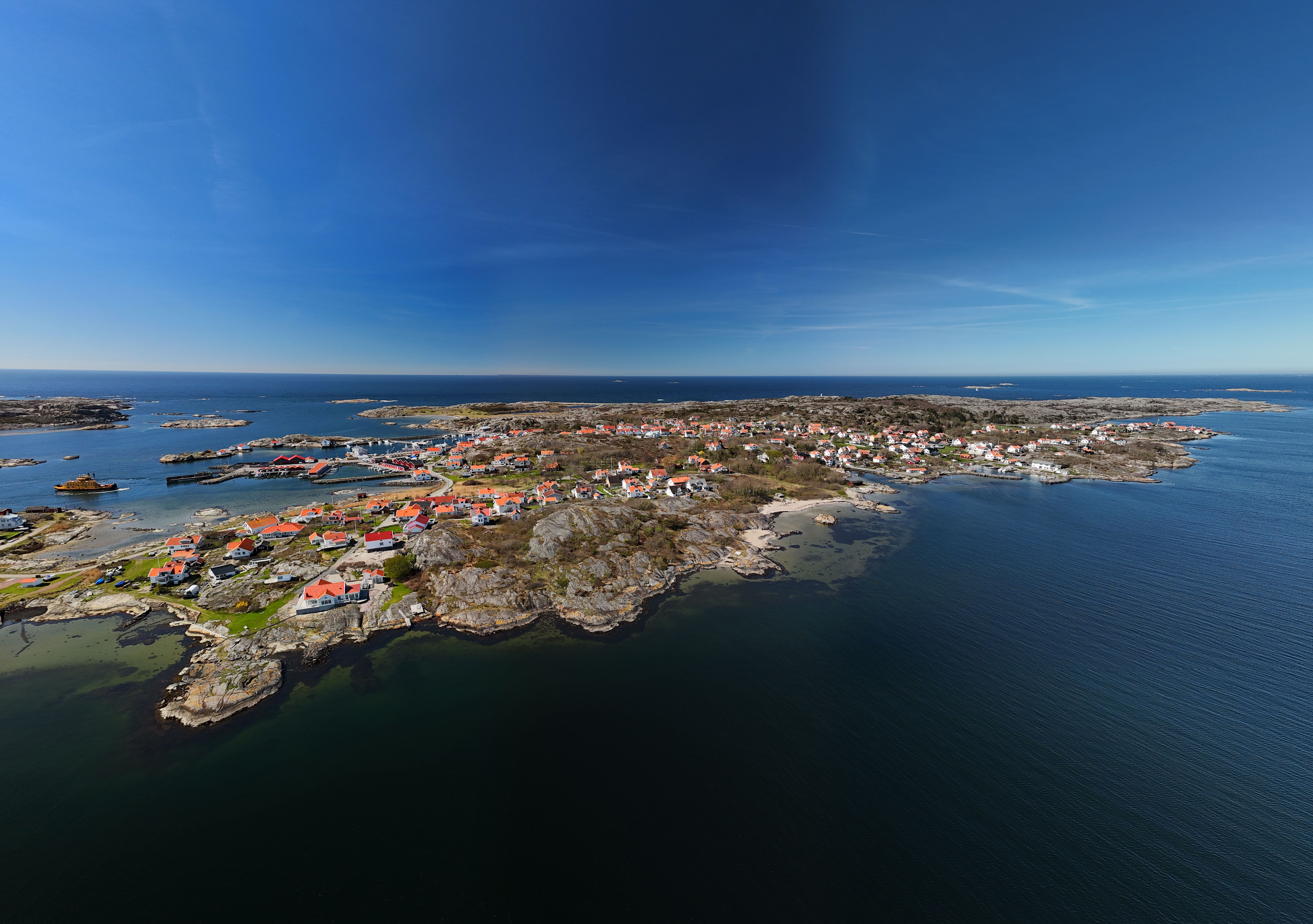
The archipelago of the Lofoten (the chain of islands from Austvågøya in the northeast to Moskenesøya in the southwest — the mountains that rise directly from the Arctic Ocean to 1,000 metres, the fishing villages (rorbuer — the traditional red wooden fishing huts) visible at the water’s edge throughout, the specific Lofoten visual that makes it the most photographed landscape in Norway):
Henningsvær:
The Henningsvær village (the most photogenic of the Lofoten fishing villages — the football pitch built on the rocks between two harbour entrances, the rorbu accommodation, the Klatrekafé climbing café with the view of the village from the bouldering wall): the specific Lofoten afternoon.
The Reine:
The Reine (the most photographed village in the Lofoten — the red and white rorbu visible in every Lofoten photograph, the Reinebringen peak (448 metres, the hike from the road, 2 hours up, the view over the Moskenesøya island chain in all directions):
The Reinebringen at 5am in June: the midnight sun, the sea below, the silence that the Arctic gives at the hour when the rest of the world is asleep. The most specific single experience in this guide.
The Midnight Sun or the Aurora:
June-July: the midnight sun (the sun visible above the horizon at midnight, the specific Arctic daylight that the sleeping mask cannot resolve but that the 2am walk on the Reinebringen makes comprehensible).
November-March: the Northern Lights (the aurora visible on clear nights from the Lofoten, the dark sky giving the full green and pink and white display that the lighter latitude locations cannot give in the same intensity): check the aurora forecast at spaceweather.com and at yr.no.
Where to stay in the Lofoten: The rorbu (the fishing hut accommodation — the traditional red wooden huts on the sea, NOK 800-1,800 / £58.18-130.91/night): the Gammelvær Rorbu (Henningsvær, the most atmospherically situated: NOK 1,200-2,200 / £87.27-160/night), the Sakrisøy Rorbuer (the island rorbuer on the Sakrisøy causeway above the water: NOK 1,000-1,800 / £72.73-130.91/night).
What It Costs
| Category | Budget | Mid-Range |
|---|---|---|
| Return flights (UK-Bergen, return Oslo or Bergen) | £80-200 | £120-300 |
| Internal flights (Bergen-Oslo-Svolvær) | £100-250 | £150-350 |
| 7 nights accommodation (mix cabin/hotel/rorbu) | £400-700 | £700-1,400 |
| Food (7 days, self-catering 4 days, restaurant 3 days) | £200-380 | £380-700 |
| Ferries, rail (Flåmsbana, fjord ferry) | £100-200 | £120-250 |
| Activities (kayak, mountain walks) | £50-130 | £80-180 |
| Total | £930-1,860 | £1,550-3,180 |
Norway is genuinely expensive. The budget range assumes self-catering for most meals (the supermarket and the cabin kitchen), the free hiking (the Norwegian allemannsretten — the freedom to roam on uncultivated land without permission), and the specific Norwegian winter-shoulder pricing where available.