
The cleanest capital city in Africa and the specific story of how it got that way, the Kigali Genocide Memorial that requires a full morning and cannot be rushed, the Kimironko Market that is the most vibrant and least touristic market in East Africa, the inzoga (sorghum beer) served in a shared gourd at a neighbourhood bar, the hillside restaurants at sunset over a city that has rebuilt itself in 30 years, and the 48 hours that make Kigali one of the most surprising cities on the continent.
Reading time: 8 minutes | Last updated: 2026
Kigali is not a city you visit for its history in the conventional sense. You visit it for what happened to its history and what happened after. The Rwandan Genocide of 1994 — 100 days in which approximately 800,000 Tutsi and moderate Hutu were killed by Hutu extremists, the most rapid mass killing in recorded history — is the fact around which the entire experience of Kigali organises itself.
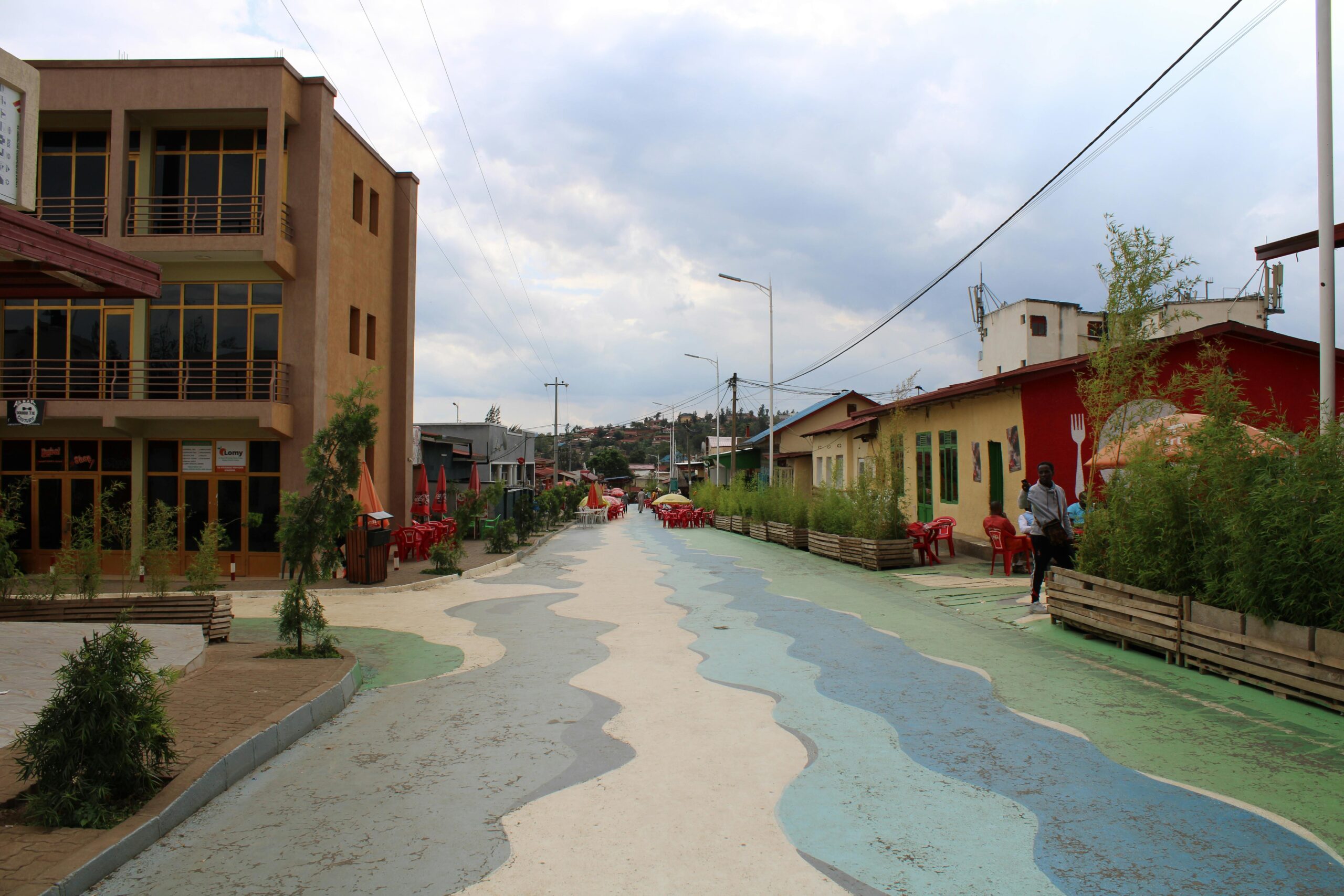
The city that exists now is the product of 30 years of deliberate reconstruction — physical, institutional, and psychological. The result is the cleanest, most efficiently governed capital in sub-Saharan Africa, a city with a functioning public transport system, a plastics ban enforced since 2008, and a specific quality of ordered ambition that other African capitals don’t yet match.
Both things — the genocide and the reconstruction — are worth engaging with. These 48 hours do both.
Hour-by-Hour
Day 1
9:00am — The Kigali Genocide Memorial
Allow the full morning. The Kigali Genocide Memorial (Kigali Memorial Centre, Gisozi) covers the 1994 genocide in full: the historical context (the Belgian colonial period’s introduction of the racial categories that hardened ethnic identities, the years of pre-genocide incitement, the specific 100 days), the photographic and testimonial record, and the children’s memorial.
The children’s memorial — photographs of murdered children with their names, ages, favourite foods, and last words — is the most affecting room in the memorial. The designers understood that the scale of 800,000 deaths becomes incomprehensible as a number and comprehensible as individual children described by their parents.
The memorial gardens above the centre contain the graves of approximately 250,000 genocide victims. The scale of the burial site — visible from the garden paths — gives the largest single concentration of mortality visible at any genocide memorial in the world.
Allow 2-3 hours. Entry is free; a guided tour (free, voluntary tip) gives context that the exhibits alone don’t provide.
1:00pm — Lunch: Heaven Restaurant or Choma Corner
Heaven Restaurant (Remera neighbourhood): founded by genocide survivors with international support, the finest restaurant in Kigali for Rwandan cuisine in a managed environment. The grilled tilapia from Lake Kivu, the ugali and isombe (cassava leaves), the brochettes (the Rwandan grilled meat skewers). 15,000-25,000 RWF / £10.05-16.75 per person.
Choma Corner (Nyamirambo neighbourhood): the neighbourhood grill — the goat brochettes, the plantain, the cold Primus (the Rwandan beer). The most local version of the Kigali grilled meat experience. 5,000-8,000 RWF / £3.35-5.36 per person.
2:30pm — Nyamirambo
The Nyamirambo neighbourhood — the most characterful quarter of Kigali, the oldest continuously inhabited area of the city, the Muslim-majority neighbourhood with its mosques and the specific commercial character of a West African-influenced East African Muslim quarter. The Nyamirambo Women’s Centre (organising guided walking tours of the neighbourhood, proceeds to women’s economic empowerment programmes): the most contextually informed way to explore Nyamirambo. Book at nwc.rw. Tour: 20,000 RWF / £13.40.
The neighbourhood: the market streets, the tailors, the mosques, the evening football match visible through the gates of the local pitch. The Nyamirambo that exists independently of the genocide narrative — the commercial, social, and religious life of the neighbourhood’s 200,000 residents.
5:00pm — Kimironko Market
The largest market in Kigali — a covered market complex of extraordinary density and organisation. The specific sections: the fresh produce (the East African vegetable and fruit market at its most abundant), the fabric section (the kitenge wax-print fabrics, the clothing market), the second-hand clothing section (mitumba — the imported used clothing that covers most of sub-Saharan Africa, the Rwanda paradox being that the government attempted to ban imports to support local textile production, a trade dispute with the US that was eventually abandoned), and the crafts section where the Rwandan handicraft cooperatives sell their work.
The Kimironko Market is the least touristic major market in East Africa — the buyers are Kigali residents, the sellers are Kigali traders, and the tourist infrastructure is minimal. Bring cash and willingness to navigate without English signage.
7:30pm — Inzaga and the Evening
Inzaga (also spelled urwagwa) — the traditional Rwandan sorghum beer, fermented in a clay pot, served at room temperature in a shared gourd through a communal straw. The neighbourhood bars of Nyamirambo and Kimironko serve it alongside the bottled beer (Primus, Mutzig, Skol).
The shared gourd tradition: the same vessel circulated among the group, the act of sharing the vessel a specific social gesture rather than a hygiene concern. The flavour: mildly sour, lower alcohol than the bottled alternatives, the sorghum grain character present throughout.
The hill bars — the outdoor terrace bars on the hillsides surrounding the Kigali valley (the city is built across multiple hills, the topology giving every elevated position a view of the surrounding hills) — serve both at sunset. The specific Kigali sunset: the hills in the orange light, the valley below, the city spread across 5 hills simultaneously visible.
Day 2
8:00am — Hotel des Mille Collines
The hotel made internationally known by the film Hotel Rwanda (2004) — the establishment where approximately 1,268 Tutsi and moderate Hutu sought refuge during the genocide, the hotel manager Paul Rusesabagina negotiating with militia leaders to preserve the lives inside.
The hotel continues to operate as a 4-star establishment (Kigali Serena Hotel now, the Mille Collines name retained for historical recognition). Non-guests may use the café and pool area. The historical weight of walking through a space where this specific history occurred is significant; the hotel’s continued operation as a luxury establishment is itself a statement about reconstruction and normalisation.
10:00am — Kigali City Tour: Architecture and Governance
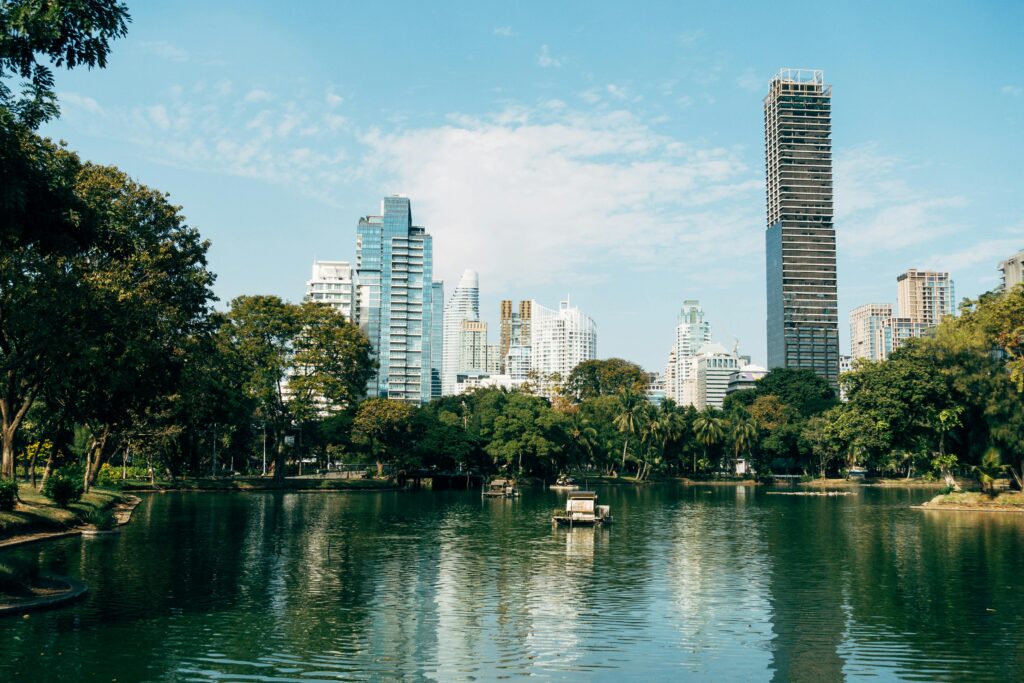
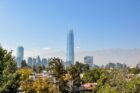
What Kigali looks like in 2025: the Vision 2050 development plan (Rwanda’s ambition to become a middle-income country and a regional technology hub) is visible in the new commercial district (the Kimihurura business district — the glass towers, the international hotel brands, the conference infrastructure that makes Kigali the most-booked African city for international conferences).
The contrast: the new commercial district beside the Kimironko market beside the Nyamirambo neighbourhood beside the memorial. All exist simultaneously. The rebuilt Kigali is the most specifically legible “before and after” urban story in Africa.
The Rwanda Art Museum (the former Presidential Palace museum, the home of former President Habyarimana, from whose estate the genocide was coordinated — now a museum covering both the genocide and Rwandan art): entry 10,000 RWF / £6.70.
1:00pm — Departure for Gorilla Country
The standard onward journey from Kigali: 3 hours northwest by road to the Volcanoes National Park for the mountain gorilla permits. The Uganda — BGGD Guide covers the Rwanda-Uganda gorilla comparison; the Rwanda — BGGD Guide covers the full Rwanda circuit.
Essentials
Getting there: Kigali International Airport (KGL). RwandAir direct from London Heathrow (8.5 hours — the only nonstop sub-Saharan African flight from London besides South Africa). Kenya Airways via Nairobi (9 hours total). Return from UK: £500-850.
Currency: Rwandan Franc (RWF). £1 ≈ 1,492 RWF. ATMs throughout Kigali. Cash essential for markets; cards accepted at hotels and international-facing restaurants.
The plastic bag ban: Rwanda banned plastic bags in 2008. Enforcement is genuine — plastic bags are confiscated at the airport border. Bring a fabric bag for market shopping.
Safety: Kigali is the safest capital city in sub-Saharan Africa by most metrics. The rule of law under the Kagame administration is strict — effective for safety, complex for press freedom and political opposition. The visitor experience is uniformly safe.