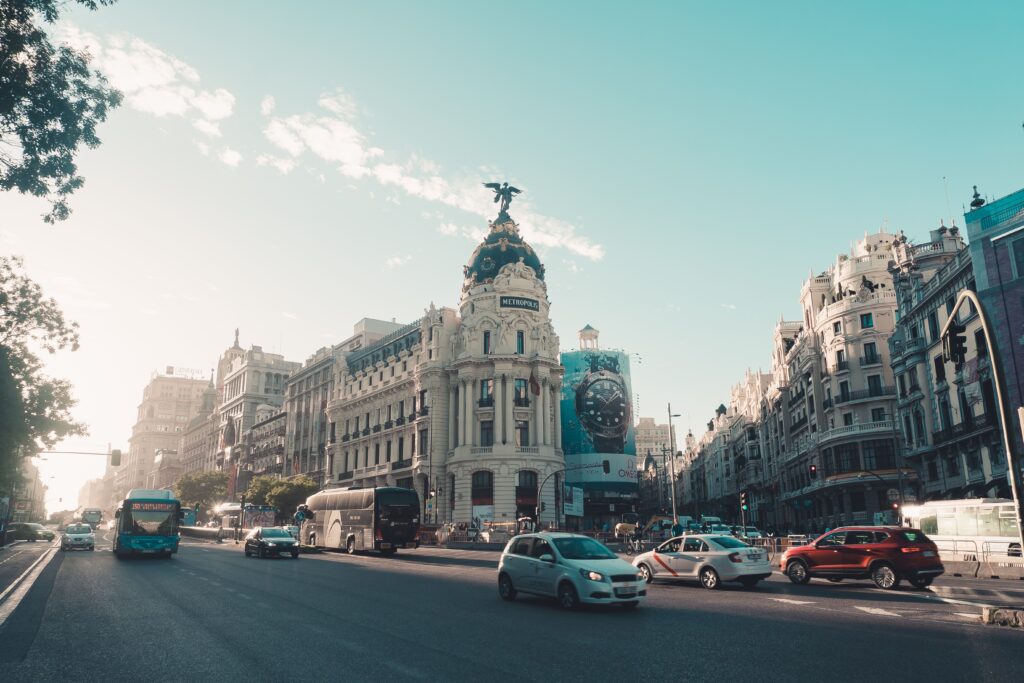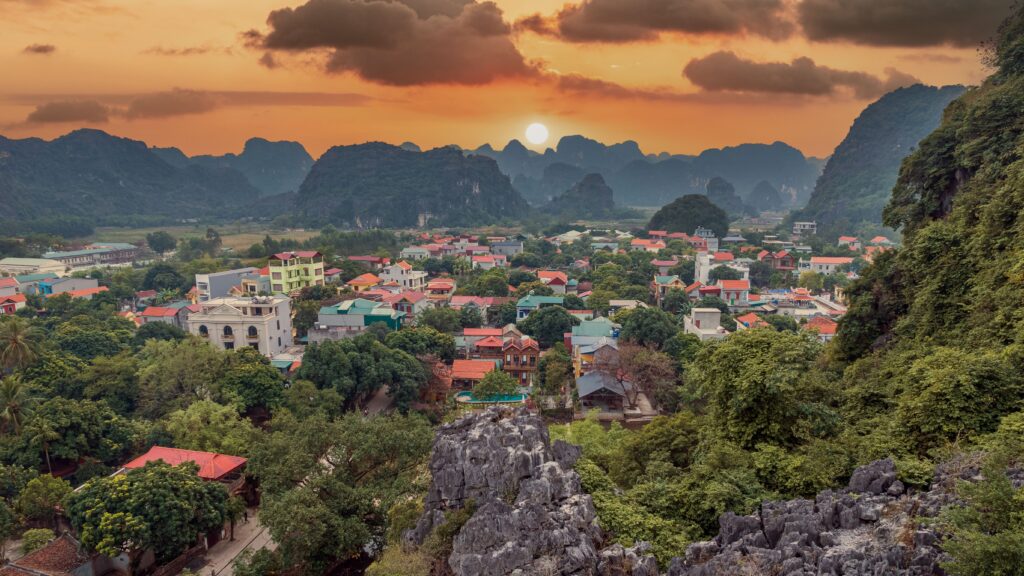
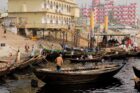

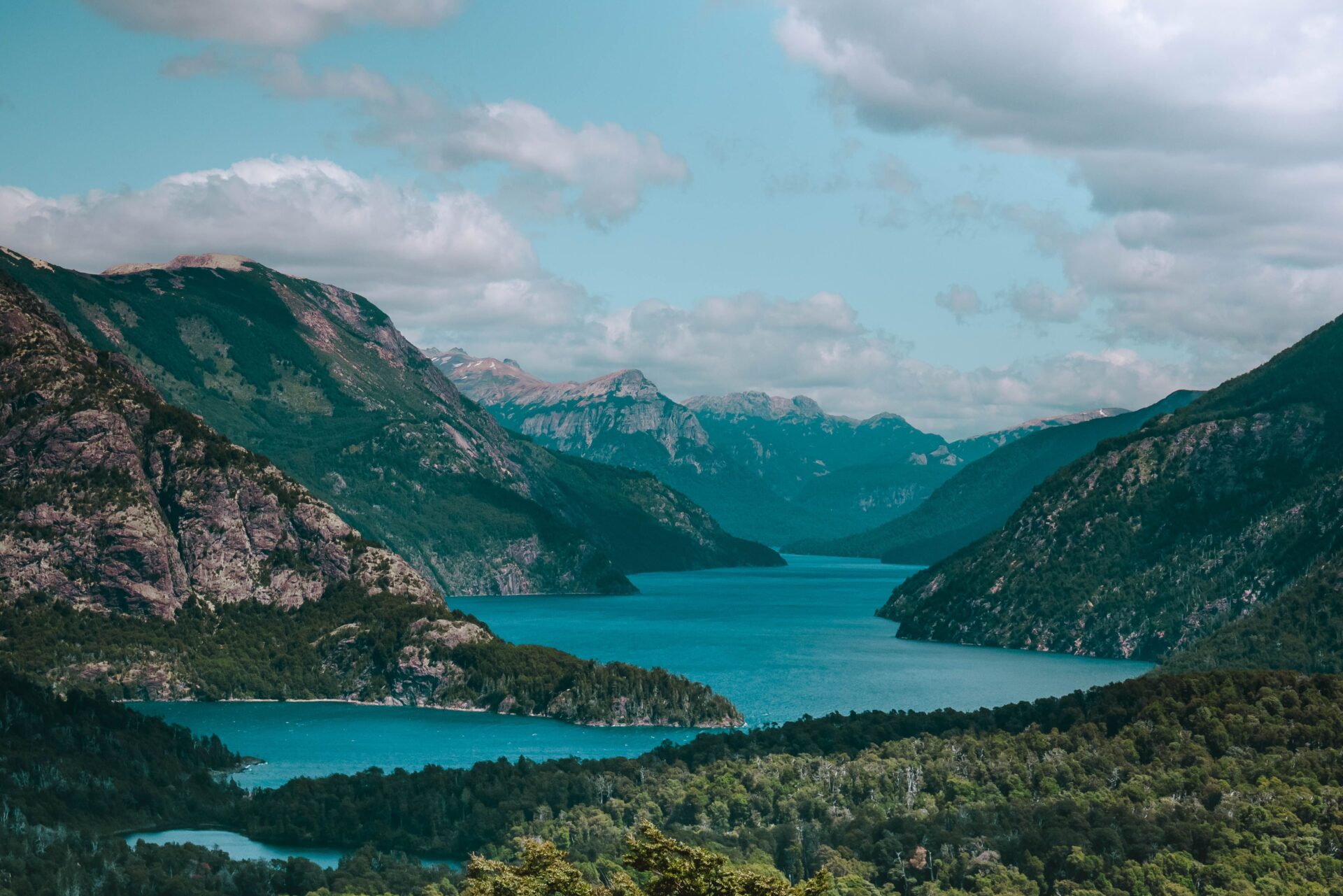
The route that gives Argentina its essential register: two days in Buenos Aires for the La Boca neighbourhood and the San Telmo Sunday market and the dinner at the parrilla where the 400g bife de chorizo arrives on the cast iron plate at 9:30pm when the restaurant is finally full, two days in Mendoza for the Malbec at the winery and the Aconcagua visible from the terrace at 6,962 metres and the specific Mendoza wine country that produces the finest altitude red wine in the world, and three days in the Argentine Lake District at Bariloche for the Nahuel Huapi National Park and the Tronador volcano and the chocolate that the Swiss immigrants brought in the 1890s and that is now the specific Bariloche contribution to the world’s culinary vocabulary.
Reading time: 11 minutes | Last updated: 2026
Argentina is the largest Spanish-speaking country in the world — 2.8 million square kilometres from the Bolivian altiplano to the Tierra del Fuego sub-Antarctic. The Argentine argument for the 7-day visitor: the Buenos Aires (the most European capital city in South America, the city whose architecture reflects the late 19th-century prosperity of the beef and grain economy), the Mendoza wine country (the Andean foothills at 900-1,100 metres giving the UV radiation and the thermal range that the Malbec grape requires), and the Patagonian Lake District (the Andean lakes, the Alerce forests, and the specific Argentine outdoor culture visible in the hiking and the skiing and the lake fishing that defines the Bariloche half of the country’s identity).
Before You Leave
The visa: UK citizens enter Argentina visa-free for 90 days.
The currency: The Argentine peso situation is described in full in Buenos Aires for Digital Nomads. The summary: bring cash (pounds or dollars), exchange at the blue dollar rate through the recommended exchange offices, and avoid ATM withdrawals at the official rate.
The internal flights: Buenos Aires (EZE or AEP) to Mendoza: 1.5 hours (Aerolíneas Argentinas or LATAM, ARS 15,000-40,000 / £14-37 depending on the exchange rate). Buenos Aires to Bariloche: 2 hours (ARS 15,000-45,000 / £14-42). Book through the Aerolíneas Argentinas app for the best rates.
The Route
Buenos Aires (2 nights) → Mendoza wine country (2 nights) → San Carlos de Bariloche / Lake District (3 nights)
The 7 Days
DAYS 1-2 — Buenos Aires
Day 1: San Telmo and the Parrilla
Full guide: Buenos Aires for Digital Nomads and Buenos Aires in 48 Hours. The specific 2-day Buenos Aires additions:
The San Telmo Sunday Market (the Feria de San Telmo — the Sunday antique market covering the Defensa Street from Plaza Dorrego south, the most atmospheric Buenos Aires market: the 1930s Evita Perón portrait prints, the mate gourds, the tango music from the street performers, the specific Buenos Aires Sunday morning that the weekday visitor misses):
The tango show (the milonga — the social tango event rather than the tourist performance, the correct Buenos Aires tango): the Salon Canning (Scalabrini Ortiz 1331, Palermo — the milonga on Friday and Saturday evenings from 11pm, the dancers of all ages and levels on the floor, the beginner welcome at the earlier hour, the advanced dancers arriving after midnight): entry ARS 2,000-3,500 / £1.87-3.27.
The parrilla:
The Argentine parrilla (the wood-fire grill — the specific Argentine beef from the Pampas cattle (the Hereford and the Angus grazing the grasslands of the Buenos Aires province for 3 years before slaughter, the grass-fed beef giving the specific flavour profile that the grain-fed export market has not replicated)):
The La Cabrera (José Antonio Cabrera 5099, Palermo — the most consistently cited Buenos Aires parrilla by the Buenos Aires food press): the bife de chorizo (the sirloin steak, the Argentine cut) at ARS 5,000-8,000 / £4.66-7.47 for the 400g portion — the meal that justifies the flight from the UK regardless of what else Argentina gives.
Day 2: The Recoleta and the MALBA
The Recoleta Cemetery (the most extravagant single necropolis in the Americas — the marble mausoleums of the Argentine elite, the Eva Perón tomb (marked simply “Eva Perón” — the location that no Buenos Aires guide declines to include and no Buenos Aires visitor declines to photograph)):
The MALBA (Museo de Arte Latinoamericano de Buenos Aires — Figueroa Alcorta 3415, Palermo: the most important Latin American art collection accessible, the specific Argentine and Latin American modernism of the 20th century): entry ARS 2,500 / £2.33.
DAYS 3-4 — Mendoza Wine Country
The wine estates:
Mendoza (the provincial capital at 762 metres, the wine estates extending from the Valle de Uco (1,000-1,200 metres — the highest altitude Malbec, the Zuccardi Valle de Uco and the Clos de los Siete estates) to the Maipú district (the more accessible lower-altitude Malbec, the bicycle-accessible estancia circuit):
The Luján de Cuyo bicycle circuit:
The bicycle hire from the Maipú tourism office (ARS 1,500-2,500 / £1.40-2.33 per day): the 15km circuit through the Luján de Cuyo bodegas (the family wineries open for tasting without appointment — the Zorzal Wines, the Achaval-Ferrer, the Clos de Chacras): the most accessible wine country day trip available anywhere in South America.
The Malbec tasting instruction: the specific Mendoza Malbec profile (the violet colour, the plum and the dark chocolate aromatics, the tannin from the high-altitude UV radiation giving the structure that the lower-altitude Malbec lacks) is the calibration reference for understanding what altitude does to wine — the Valle de Uco version versus the Maipú version of the same grape is the specific Mendoza education.
The Aconcagua view:
The Aconcagua (the highest peak in the Americas at 6,962 metres — the peak visible from the Mendoza valley on clear days, the provincial park accessible from the Los Penitentes ski resort): the Laguna de los Horcones (the approach road accessible in a standard sedan, the lagoon at 2,900 metres, the Aconcagua massif visible across the lagoon): free with the provincial park entry (ARS 500 / £0.47).
Where to stay (Mendoza): The Cavas Wine Lodge (the most celebrated Mendoza wine lodge, the private infinity pool above the vineyards, the Malbec at breakfast: £180-350/night), the Villaggio Hotel (the boutique city hotel: £50-100/night), the Hotel Empedrado (the guesthouse: £25-50/night).
DAYS 5-7 — Bariloche and the Lake District
Fly from Mendoza to Bariloche (1.5 hours):
San Carlos de Bariloche (the Argentine alpine town on the Nahuel Huapi lake — the Swiss-German architecture, the chocolate shops, the specific Patagonian landscape that the Swiss and German immigrants of the 1890s found so similar to the Alps that they replicated the culinary and architectural traditions without the irony):
Day 5: The Nahuel Huapi and the Circuito Chico
The Circuito Chico (the 60km circuit around the Lago Nahuel Huapi and the Lago Moreno — the most accessible driving circuit in the Bariloche area, the Cerro Campanario viewpoint (the chairlift giving the view over the lake and the Andes from above — the most photographed view in Argentine Patagonia) and the Llao Llao Hotel (the 1938 wood and stone hotel on the peninsula between the two lakes, the most iconic building in Patagonia, the afternoon tea at the hotel’s La Rotonda restaurant giving the lake view and the medialunas (the Argentine croissant)):
Chairlift: ARS 2,500 / £2.33. Afternoon tea at the Llao Llao: ARS 3,000-5,000 / £2.80-4.66 per person.
Day 6: The Tronador
The Cerro Tronador (the extinct stratovolcano at 3,478 metres — the “Thunderer,” the name from the sound of the glacial ice calving from the hanging glaciers on the peak’s flanks and falling into the valley below): accessible from the Valle del Río Manso road, 75km from Bariloche on the gravel road.
The Ventisquero Negro (the Black Glacier — the moraine-covered glacier at the base of the Tronador, the dark grey surface from the volcanic rock embedded in the ice, the glacier calving visible from the viewpoint above the moraine): free with the national park entry.
The specific Tronador instruction: the road to the Ventisquero Negro is one-way from 8am to 2pm (access) and 2pm to 8pm (exit). Arrive at 8am for the opening. The glacier visible in the morning light before the afternoon cloud builds over the peak.
Day 7: The Chocolate and the Departure
The Bariloche chocolate (the Rapa Nui chocolate factory — the most celebrated chocolate producer in Bariloche, the dulce de leche filling in the alfajor, the specific Argentine combination of the Swiss chocolate tradition and the Argentine dulce de leche): the Mitre Street (the main Bariloche commercial street, the 60+ chocolate shops visible in the 500-metre stretch from the Civic Centre):
The Bariloche alfajor (the Argentine biscuit sandwich filled with the dulce de leche and covered in chocolate — the most specifically Argentine single food product, the mass-market Havanna alfajor available in every Argentine airport as the correct departure purchase).
Fly home from Bariloche (BRC) via Buenos Aires (EZE).
What It Costs
| Category | Budget | Mid-Range |
|---|---|---|
| Return flights (UK-Buenos Aires, Bariloche-UK via Buenos Aires) | £600-950 | £800-1,300 |
| Internal flights (Buenos Aires-Mendoza, Mendoza-Bariloche) | £28-74 | £40-100 |
| 7 nights accommodation | £100-350 | £350-770 |
| Food (7 days, blue dollar rate) | £50-110 | £100-250 |
| Wine tastings, activities | £30-80 | £60-150 |
| Total | £808-1,564 | £1,350-2,570 |