



The question the South America first-timer asks before they ask anything else: Colombia or Peru? The answer depends entirely on one prior question: do you want the Inca Empire or do you want the modern city? Peru gives the Machu Picchu and the Cusco and the Sacred Valley and the world’s best ceviche in Lima. Colombia gives the Medellín transformation story and the Cartagena colonial city and the coffee region and the Caribbean coast and the cumbia and the aguardiente and the specific Colombian warmth that the travel industry calls “the most dangerous country turned the friendliest.” Both are correct. They are not alternatives.
Reading time: 8 minutes | Last updated: 2026
The Core Distinction
Peru is the archaeological country — the Inca Empire at Machu Picchu, Cusco, the Sacred Valley, Ollantaytambo, Pisac; the pre-Inca cultures at Tiwanaku, Huaca Pucllana, the Nazca Lines; and the ceviche at Lima that gives the country a culinary argument to equal the archaeological one. Peru is the country you go to because of what it was.
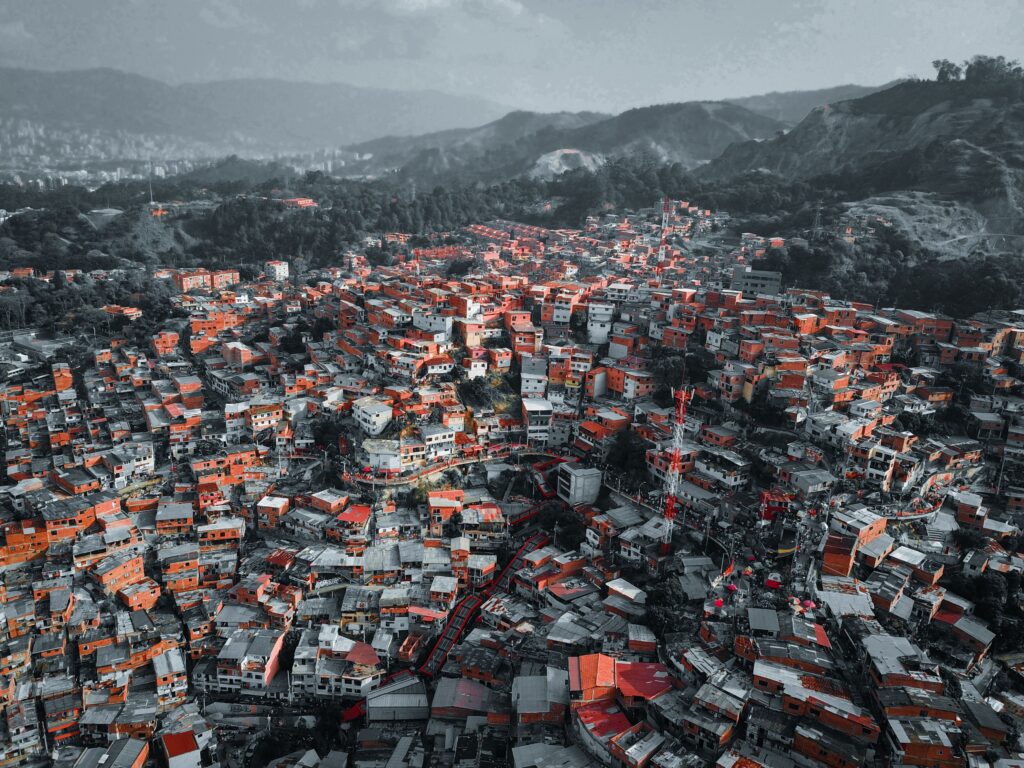
Colombia is the contemporary country — the Medellín that went from the most dangerous city in the world in 1991 (the murder rate: 381 per 100,000 residents) to a UNESCO-designated innovative city in 2016 (the murder rate: 16 per 100,000 residents, lower than Baltimore), the Cartagena colonial walled city on the Caribbean, the coffee region (the Coffee Cultural Landscape, UNESCO-listed, the finqueros visible in the hillside farms), and the specific Colombian cultural confidence that the transformation from narco-state to the country everyone talks about wanting to visit has produced. Colombia is the country you go to because of what it is becoming.
Category by Category
The Archaeology
Peru wins decisively:
The Machu Picchu (the 15th-century Inca city at 2,430 metres in the cloud forest — the most visited archaeological site in South America and, at the sun gate arrival from the Inca Trail at dawn, the most affecting single archaeological moment available anywhere): there is no Colombia equivalent. The Inca Empire’s specific architectural achievement (the fitted stonework, the hydraulic engineering, the astronomical alignment of the buildings) is the irreplaceable Peru advantage.
Colombia has: The Ciudad Perdida (the “Lost City” — the pre-Columbian city at 1,300 metres in the Sierra Nevada de Santa Marta, accessible only by 4-day trek through the jungle, the terraced stone city older than Machu Picchu by approximately 650 years but visited by a fraction of the number). An extraordinary site; not the Machu Picchu equivalent in either scale or visitor infrastructure.
Verdict: Peru for the traveller who came specifically for the pre-Columbian history. Colombia for the traveller who came for the contemporary country.
The City Experience
Colombia wins:
Medellín (the full guide in Medellín for Digital Nomads and 7 Days in Colombia) gives the most compelling single city narrative in South America — the transformation from the world’s most violent city to the innovation capital is visible in the city’s physical infrastructure (the cable cars connecting the hillside comunas to the formal economy, the library parks, the urban escalators) and in the confidence of the Medellín residents who tell the story with the specific pride of people who watched the change happen.
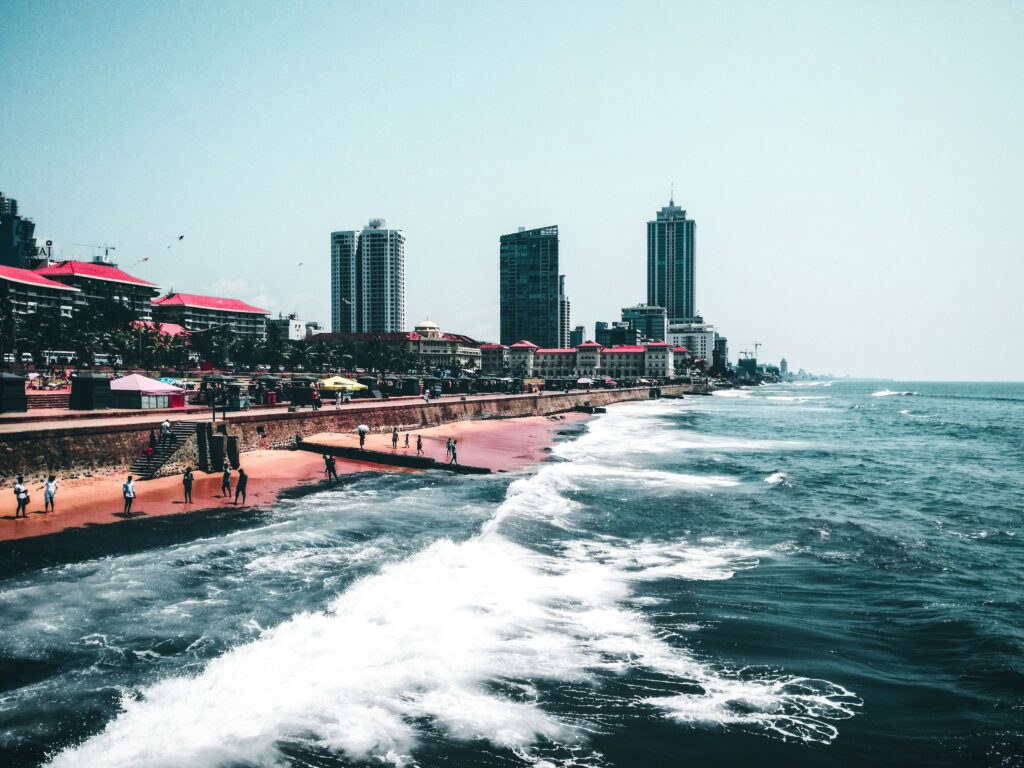
Cartagena (the walled colonial city on the Caribbean — the 16th-century walls, the coloured facades visible from the towers, the evening in the old city when the music comes from the windows and the rum is at the street cart price and the temperature is the specific Caribbean evening temperature that makes every conversation feel easier): the most specifically beautiful city in South America by consistent assessment.
Bogotá (the capital at 2,625 metres — the Gold Museum with the largest pre-Columbian gold collection in the world, the Usaquén neighbourhood market, the street art circuit of the La Candelaria and the Chapinero):
Peru has: Lima (the food capital of South America — the Larco Museum, the Miraflores waterfront, the ceviche at the Mercado de Surquillo at the market price that the Miraflores restaurant charges 8× for). A world-class city with a world-class food scene and a very specific urban quality.
Verdict: Colombia for the city experience. Peru for the food and the archaeology combination.
The Food
Peru wins on international recognition:
The Lima food scene (the Astrid y Gastón, the Central, the Maido — the three restaurants that occupy the World’s 50 Best Restaurants list and that give Lima its international culinary position) and the specific Peruvian dishes (the ceviche, the lomo saltado, the ají de gallina, the causa) are among the most internationally recognised in South America.
Colombia wins on daily eating:
The Colombian daily eating (the bandeja paisa at the neighbourhood restaurant — the beans, the rice, the ground beef, the chorizo, the chicharrón, the fried egg, the plantain, the avocado, all on one plate for £2.50), the aguapanela (the unrefined cane sugar tea, the Colombian staple drink at any time of day), and the Colombian coffee (the origin of the coffee that the specialty market uses as the reference Colombian — the Juan Valdez and the specific origin cafés in the Coffee Region) give the daily eating experience at the price that makes the visitor’s food budget go further.
Verdict: Peru for the world-class gastronomy. Colombia for the daily eating value.
The Safety Reality (2026)
Both countries require the standard urban awareness — the same precautions that apply in any South American city apply in Medellín, Bogotá, Lima, and Cusco. Neither country is as dangerous as the British tabloid reputation suggests; neither is as safe as the Instagram highlights suggest.
The specific safety distinction: the Colombian rural areas (the coca-growing regions of Caquetá, Putumayo, and Nariño) have ongoing conflict and are not tourist destinations. The tourist circuit (Medellín, Cartagena, the Coffee Region, Bogotá) is safe with standard urban precautions.
Peru’s specific risk areas: the rural highland areas around Ayacucho have historical Shining Path activity that the FCDO currently classifies as low risk for the tourist circuit but warrants monitoring.
The practical instruction for both countries: Register your trip with the FCDO (the Foreign, Commonwealth & Development Office travel registration service — travel.alert.fcdo.gov.uk). Check the current travel advisory before departure.
The BGGD Verdict
Choose Peru if:
- Machu Picchu is on your bucket list (this is the correct and sufficient reason)
- Food is the primary travel motivation
- You want the deepest archaeological experience in South America
Choose Colombia if:
- Urban culture and contemporary city experience are the motivation
- You want the Caribbean coast beach with the South America trip
- The transformation story (the most violent city to the innovation city) is intellectually compelling to you
- The budget matters (Colombia is 20-30% cheaper than Peru across all categories)
The ideal itinerary: 2 Weeks in Latin America (the guide at 2 Weeks in Latin America) covers Colombia and Peru in the same circuit. Both are correct. Neither is the substitute for the other.