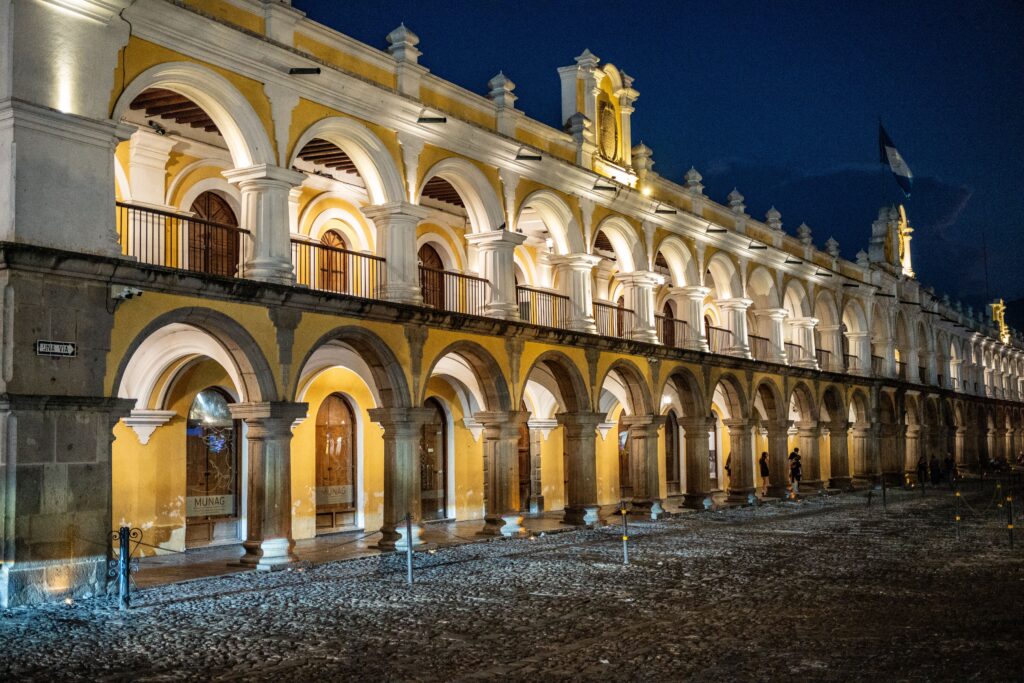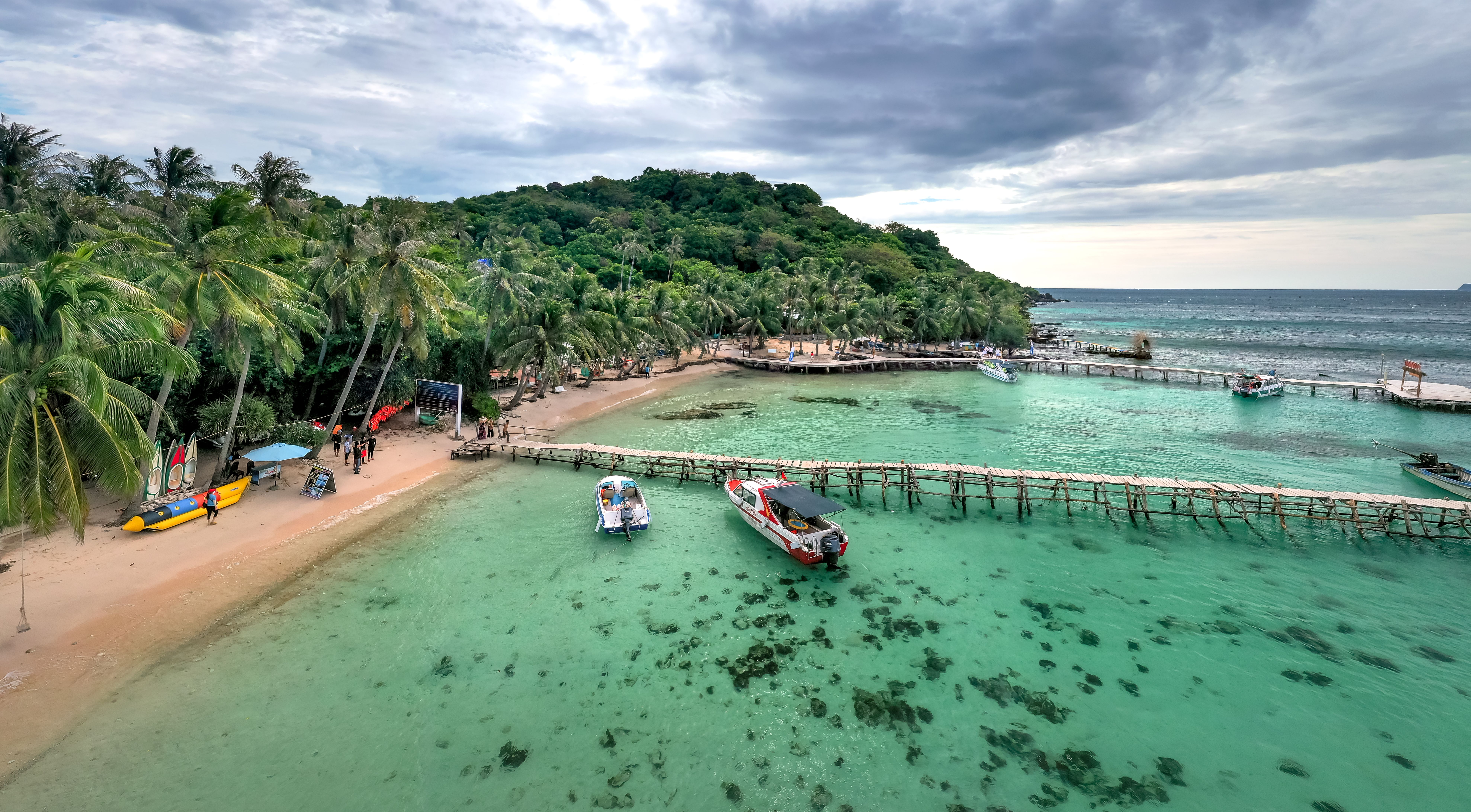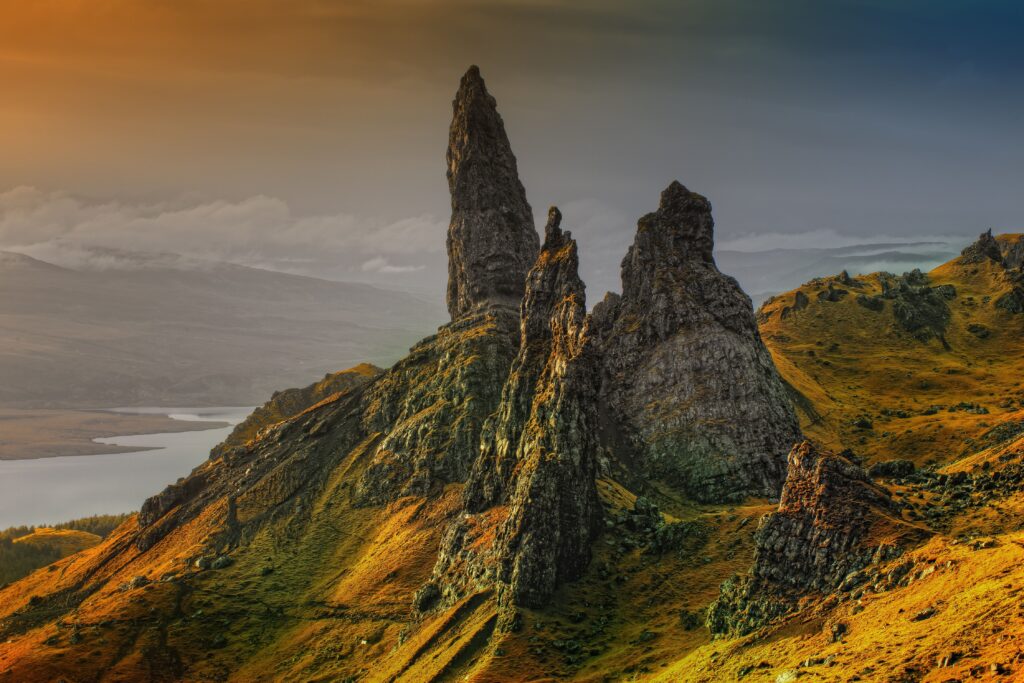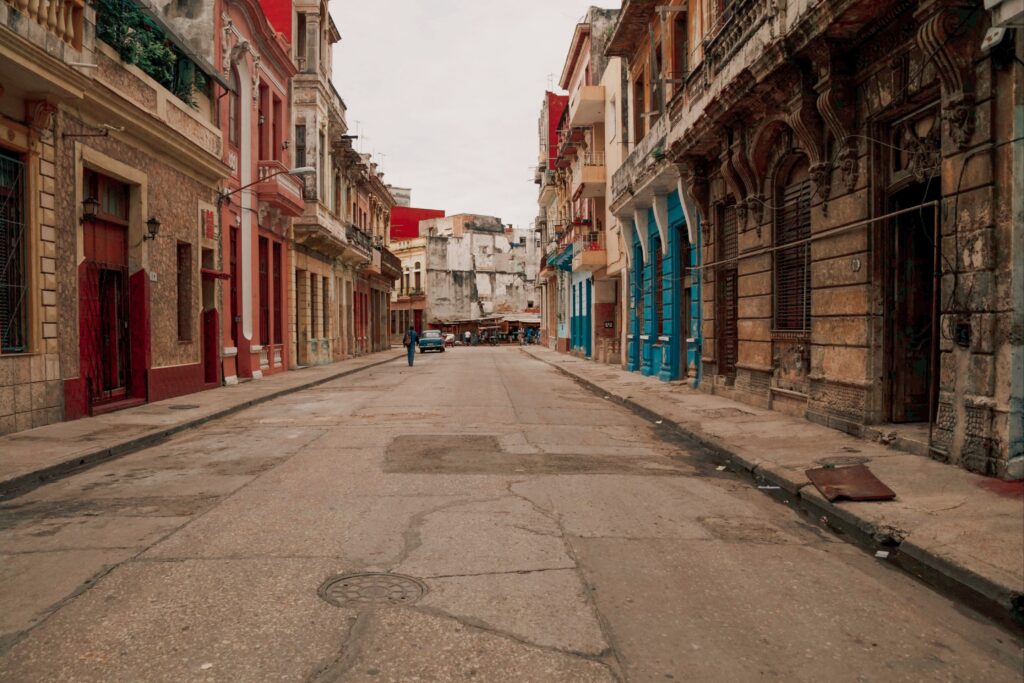

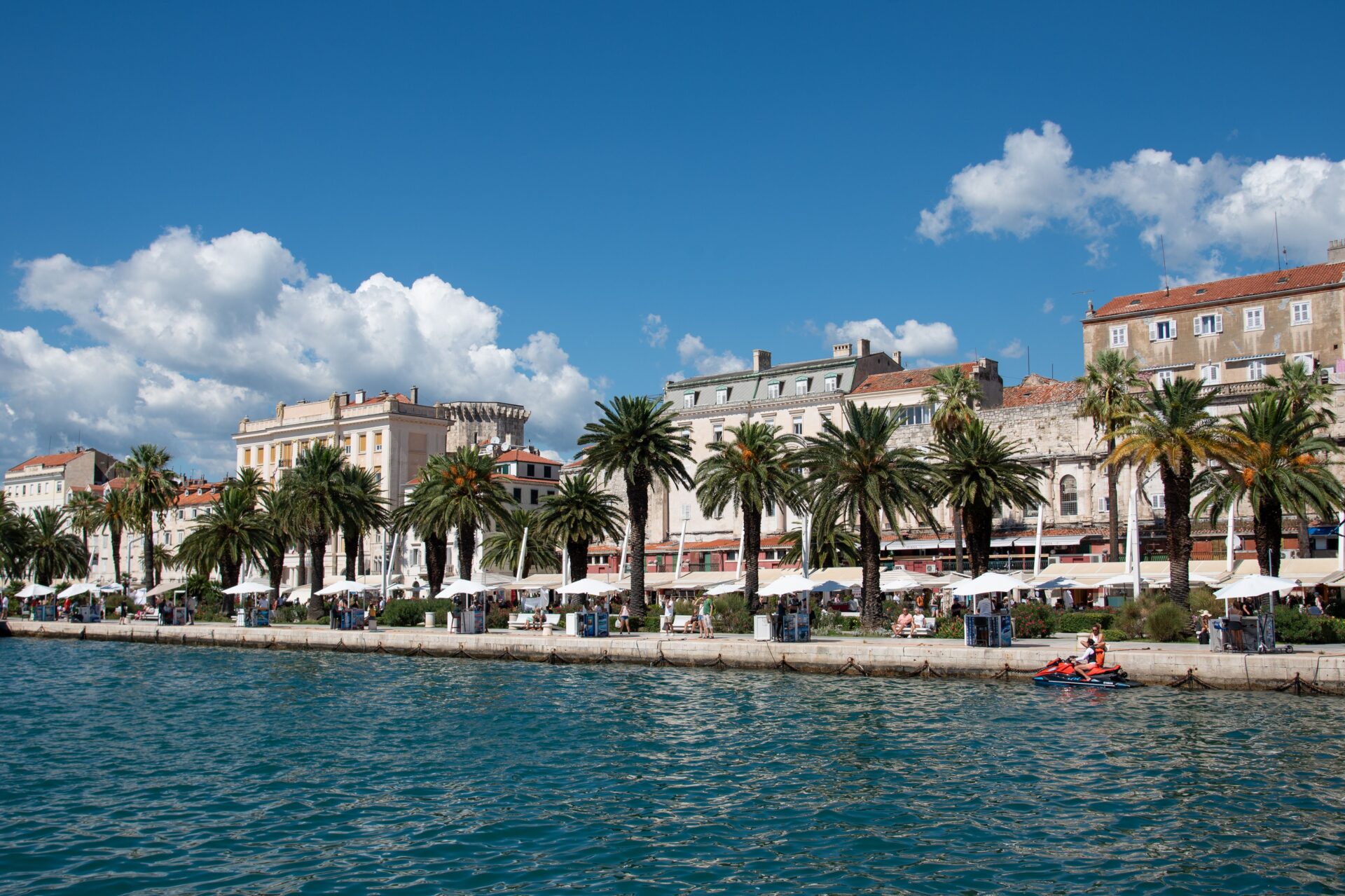
The circuit that gives the Western Balkans its full breadth and its full argument: two days in Ljubljana for the city that is exactly the correct size and that has the covered market and the castle above the Ljubljanica and the specific Slovenian quality of being the EU country that most of its EU neighbours have not yet visited, two days in Dubrovnik for the walls at 6am before the cruise ship disembarkation and the island ferries, three days in Mostar and Sarajevo for the Stari Most and the Baščaršija and the specific Bosnia that the Siege of 1992-96 produced and that the city is still processing, two days in Kotor Bay for the most dramatically enclosed fjord-like bay in the Mediterranean, and five days in Albania for the specific Albania — the Riviera that the Instagram is discovering, the Gjirokastër that the UNESCO listed and that the tourist infrastructure has not caught up with, and the Llogara Pass above the Ionian Sea that the motorcycle community has been riding for 20 years and that the campervan has recently found.
Reading time: 12 minutes | Last updated: 2026
The Western Balkans circuit is the most consistently undervalued two-week itinerary available to the UK traveller — the combination of the historical density (the Roman, the Byzantine, the Ottoman, the Austro-Hungarian, and the Yugoslav layers all visible in adjacent cities), the geographical variety (the Alpine Slovenia, the Adriatic Croatia, the Ottoman Bosnia, the Adriatic Montenegro, and the specifically Albanian Ionian coast), and the price (the most affordable complete circuit in Europe at £45-70/day at the mid-range) give the Balkans the argument that its comparative obscurity has not yet been made.
The Route
Ljubljana (2 nights) → Dubrovnik (2 nights, fly or overnight bus) → Mostar (1 night) → Sarajevo (2 nights) → Kotor (2 nights, overnight bus via Montenegro) → Shkodër (1 night, entry to Albania) → Berat (1 night) → Albanian Riviera/Sarandë (3 nights)
DAYS 1-2 — Ljubljana
Full guide: Ljubljana in 48 Hours. The specific 2-week extension note: the Bled day trip (the glacial lake 55km northwest of Ljubljana — the island church, the castle above the lake, the cream cake (kremšnita) at the Bled Castle restaurant, the walk around the lake (6km, 2 hours) that gives the water at every angle): the Ljubljana day trip that the city’s 2-day visitor universally takes and correctly so.
DAYS 3-4 — Dubrovnik
Full guide: Dubrovnik in 48 Hours. The Lokrum Island day trip (the ferry from the Old Port, 15 minutes, EUR 6 / £5.17 return — the island nature reserve, the peacocks on the paths, the saltwater lake (Mrtvo More — the Dead Sea), the nude beach at the island’s eastern tip): the correct Dubrovnik afternoon retreat from the walled city summer heat.
DAYS 5-6 — Mostar and Sarajevo
Mostar:
The Stari Most (the 1566 Ottoman bridge over the Neretva River, destroyed in 1993 by Croatian artillery and rebuilt to the original design in 2004 — the specific Bosnia that the bridge represents: the destroyed, the rebuilt, the ongoing):
The bridge at 6am (before the tour groups from the Dubrovnik day trips arrive at 9:30am): the bridge in the morning light, the Neretva visible below, the Kujundžiluk bazaar (the Old Bazaar below the bridge, the copper craftsmen visible at the forge from 8am).
The bridge diver (the Stari Most diving club — the young men who dive from the bridge into the Neretva 21 metres below, the dive requiring the donation from the assembled crowd (BAM 20-30 / £8.33-12.50 is the expected contribution for the specific performance that the club has maintained since the 16th century)): the spectacle that the tourist industry has not diminished because the physics are real.
Sarajevo:
The Sarajevo walking circuit (the Baščaršija — the Ottoman bazaar quarter, the Sebilj fountain (the 19th-century wooden fountain, the symbol of the city), the Gazi Husrev-beg Mosque (the 1531 mosque, the most important in Bosnia, the call to prayer audible in the bazaar from 5:30am)):
The Tunnel of Hope Museum (the tunnel dug beneath the Dobrinja neighbourhood in 1993 to bypass the Sarajevo siege line — the 800-metre tunnel that gave the besieged city its lifeline during the 44-month siege): BAM 10 / £4.17.
The specific Sarajevo instruction: the siege of Sarajevo (April 1992-February 1996) is the longest siege of a capital city in the history of modern warfare. The city does not hide this history — the bullet holes in the facades, the ruže sarajevske (the Sarajevo roses — the red resin filled into the shrapnel scars in the pavement where mortar shells killed civilians), and the yellow ribbons on the buildings still identify the specific buildings hit. Walking Sarajevo with this knowledge changes the walk.
The Sarajevo ćevapi (the minced beef and lamb sausage grilled over charcoal, the Bosnian national dish, served in the somun bread with the raw onion and the kajmak (the clotted cream)): BAM 8-15 / £3.33-6.25 at Ćevabdžinica Petica Tuzlanka in the Baščaršija.
DAYS 7-8 — Kotor Bay, Montenegro
The Kotor Bay:
The Bay of Kotor (the drowned river valley — the deepest natural harbour in the southern Mediterranean, the limestone peaks of the Orjen massif rising 1,749 metres above the water at the bay’s eastern end, the Venetian and the Austro-Hungarian and the Serbian architectural traditions visible in the bay’s towns):
The Kotor old city:
The Kotor Old City (the UNESCO walled city — the Cathedral of Saint Tryphon (the 1166 Romanesque cathedral, the treasury containing the reliquary of the city’s patron), the city walls (the ascent via the 1,350 steps to the Fortress of San Giovanni above the city — the bay visible in every direction from the fortress, the city below giving the specific Kotor scale)): EUR 8 / £6.90 for the wall access.
Our Lady of the Rocks:
The Our Lady of the Rocks (the artificial island in the Risan Bay — the island built by the local sailors on the shoal where a miraculous icon was found in 1452, the island extended over centuries by the tradition of throwing a stone into the water on the feast day, the church visible from the Perast village): the boat from Perast (EUR 5 / £4.31 return, the local fishermen rowing the tourists the 200 metres to the island).
DAYS 9-14 — Albania
Day 9: Shkodër (Entry Point)
The Shkodër (the northern Albania city — the Rozafa Fortress above the city (the fortress where the Albanian legend of the walling-in of the young bride is set, the fort visible above the confluence of the Drin and the Buna rivers), the city as the entry point for the specific Albania that the tourist infrastructure has not yet homogenised):
The specific Albania instruction: Albania uses the Albanian Lek (ALL). UK Visa and Mastercard are accepted at the major hotels and some restaurants; cash is required for most transactions. ATMs in Shkodër, Berat, Sarandë, and the Riviera. The exchange rate: withdraw ALL from the ATM rather than exchanging at the border.
Day 10: Berat — The City of a Thousand Windows
The Berat (the UNESCO city — the Ottoman and Byzantine houses on the hillside above the Osum River, the windows of the Mangalem quarter visible as the specific Berat silhouette that gives the city its UNESCO designation, the Berat Castle (the castle inhabited by 300 families in the houses within the walls, the churches converted to mosques and back in the Ottoman and post-Ottoman periods)):
The Gorica neighbourhood (the Christian quarter of Berat — the Orthodox churches, the specific Berat dual-culture visible in the two neighbourhoods on the opposite sides of the river): free to walk.
Days 11-13: The Albanian Riviera
The Albanian Riviera (the Ionian coast south of Vlorë — the road descending from the Llogara Pass (the 1,027-metre pass above the Ionian Sea, the coastal road visible from the pass switchbacks as the specific Riviera panorama that the opening of the road in the 1990s revealed)):
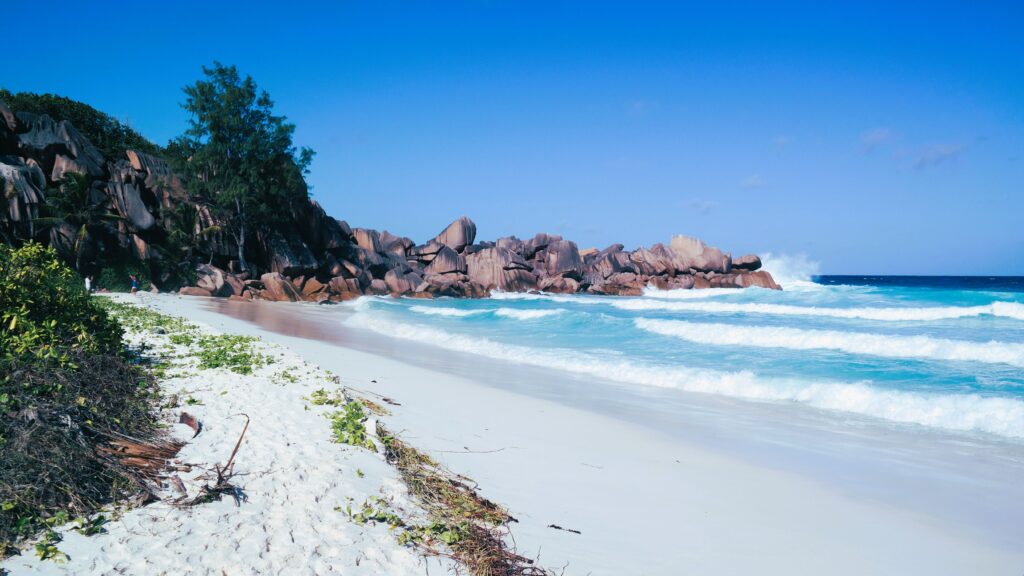
The Riviera beaches (the Dhermi, the Himara, the Palasa — the beaches that the Ionian Sea gives at the base of the Albanian karst mountains, the water the specific Adriatic-Ionian clarity at 23-26°C in June-September, the beaches less developed than the Croatian and the Greek equivalents at 40% of the cost):
The Sarandë (the southern Albania town opposite the Greek island of Corfu — the Butrint National Park (the UNESCO archaeological site of the Greek-Roman-Byzantine-Venetian-Ottoman city at the lake’s edge, the most layered single archaeological site in the Balkans) accessible by taxi (20km, ALL 1,500 / £10.26)): entry ALL 700 / £4.79.
Day 14: The Sarandë-Corfu crossing (optional)
The ferry from Sarandë to Corfu (the Ionian Seaways service — 35 minutes, EUR 19-25 / £16.38-21.55 per person one way): the Corfu Town, the flight home from Corfu International or the return to the mainland via the ferry.
What It Costs
| Category | Budget | Mid-Range |
|---|---|---|
| Return flights (UK-Ljubljana, Corfu-UK or Tirana-UK) | £80-200 | £120-300 |
| 14 nights accommodation | £350-700 | £700-1,400 |
| Food (14 days) | £100-250 | £250-500 |
| Transport (buses, ferries, overnight transfers) | £80-160 | £120-240 |
| Activities and entries | £40-100 | £80-180 |
| Total | £650-1,410 | £1,270-2,620 |