



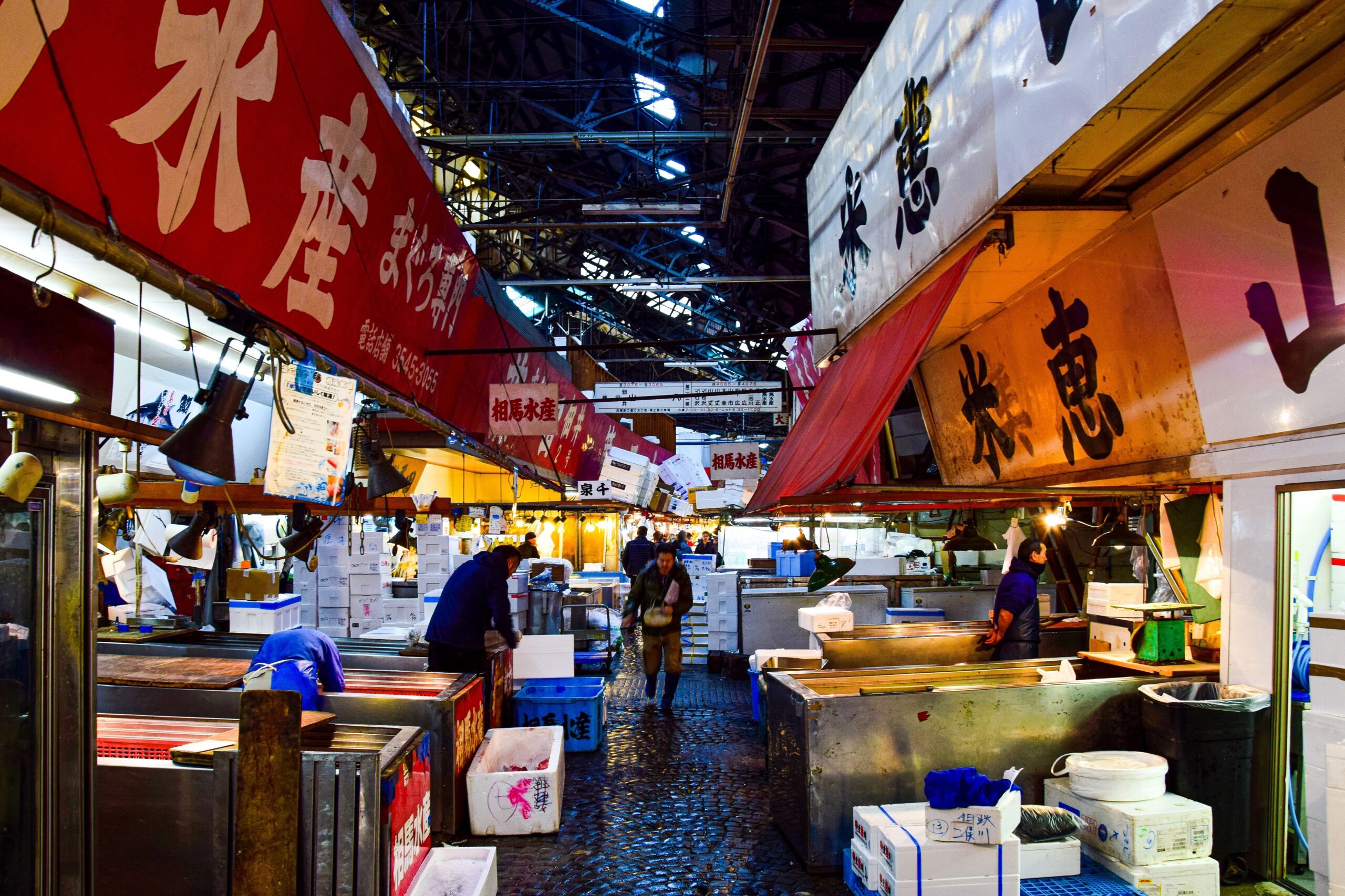
The food market ranking built on the only question that matters: is the person eating here at 7am a local or a tourist? The Tsukiji outer market in Tokyo (the local chefs buying the morning tuna at 6am, the tourist eating the same tuna at 10am, the specific Tsukiji quality that both access but only the 6am visitor understands was assembled before they arrived), the Chatuchak Weekend Market in Bangkok (the 15,000 vendors, the specific section (Section 26, the food section) where the local Bangkok family eats at 9am before the shopping, the vendor who has sold the same roast pork rice for 25 years from the same cart at the same price that the surrounding stalls have raised three times), and the Chow Kit Market in Kuala Lumpur (the most visited market in Malaysia by the Malaysian population and the least visited by the tourist population, for the specific reason that the tourist industry has not indexed it yet).
Reading time: 8 minutes | Last updated: 2026
The Rankings
1. Tsukiji Outer Market — Tokyo
Why it’s first: The Tsukiji Outer Market (the market surrounding the former Tsukiji Fish Market — the inner market relocated to Toyosu in 2018, the outer market remaining in its original location): the approximately 400 shops and restaurants in the outer market area, operating from 5am, the specific Tokyo market morning.
What to eat:
The maguro (bluefin tuna) sashimi at the Sushizanmai or the Daiwa Sushi (the two tuna sushi restaurants at the market edge — the queue from 5:30am, the specific Tsukiji tuna at the market price (¥1,500-3,000 / £7.95-15.90 for the breakfast sushi set) that the Ginza sushi restaurant charges 5× for):
The tamagoyaki (the rectangular omelette — the specific Japanese egg preparation visible at the Tsukuta and the Marutake stalls, the omelette made to order on the rectangular pan, the sweet and the dashi version available, the sample offered before the purchase):
The knife shop (the Tsukiji knife market — the professional kitchen knives at the market prices, the stall where the blade is sharpened on the whetstone while you watch): the specific Tsukiji purchase that is not the tuna.
When to go: 6am-9am. The outer market operates from 5am; the best produce is before 9am.
2. Pak Khlong Talat (Flower and Vegetable Market) — Bangkok
Why it’s second: The Pak Khlong Talat (the 24-hour market at the Memorial Bridge in Bangkok — the largest flower and vegetable market in Thailand, the market that supplies the Bangkok restaurant industry with the night delivery and that the Bangkok resident uses for the dawn purchase):
What makes it specific: The market operates at its fullest from 11pm to 6am — the vegetable vendors receiving the truck deliveries from the Chao Phraya valley farms, the flower vendors assembling the marigold garlands (phuang malai — the flower offerings for the temple altars, the garlands assembled at speed by the market workers at 3am at a rate of approximately one garland per 90 seconds):
The Pak Khlong Talat at 4am: the market at maximum volume, the lorries unloading at the riverside, the flower garland assemblers visible under the fluorescent lights, the specific Bangkok market night that the tourist infrastructure does not include in the standard itinerary.
What to eat: The Pad Thai from the market cart (THB 50-80 / £1.11-1.78), the mango sticky rice from the vendor at the market’s northern edge.
3. Chow Kit Market — Kuala Lumpur
Why it’s third: The Chow Kit Market (the wet market in the Chow Kit district, KL — the market operating from 5am, the specific Malay, Indian, and Chinese food culture visible in adjacent stalls selling the roti canai, the fish head curry ingredients, and the Malaysian assam laksa components simultaneously):
What to eat:
The roti canai (the Malaysian flatbread — the dough stretched and folded on the tawa, the specific technique giving the layers, the dhal (the lentil curry) alongside): RM 1.50-3 / £0.27-0.54.
The nasi lemak at the market stall (the coconut rice with the ikan bilis (the dried anchovy), the peanut, the cucumber, the hard-boiled egg, the sambal (the chilli paste) — the specific Malay breakfast that the Chow Kit vendor assembles from the individual components, the banana leaf wrapping standard): RM 3-6 / £0.54-1.08.
The yong tau foo (the Hakka Chinese dish — the tofu and the vegetables stuffed with the fish paste, the soup or the dry version, the specific KL market Chinese-Malay food tradition): RM 1-2 / £0.18-0.36 per piece.
4. Ben Thanh Market — Ho Chi Minh City (Before 9am)
Full description in 7 Days in Vietnam South. The specific ranking entry: the Ben Thanh at 6am (the food vendors at the northern hall, the working market before the tourist pricing of the midday) versus the Ben Thanh at noon (the tourist market, the same vendors at the tourist price). The 6am visit is the market; the noon visit is the souvenir shop that happens to be inside a building with a clock tower.
5. Khlong Toei Market — Bangkok
Why it’s fifth: The Khlong Toei Market (the largest wet market in Bangkok — the 36,000 square metre market adjacent to the Port of Bangkok, the market that the Bangkok restaurant industry uses for the daily produce and protein purchase):
What makes it specific: The Khlong Toei is the market that Bangkok chefs use rather than the market that Bangkok tourists visit — the specific distinction that gives the market its quality indicator. The fish section (the fresh water and salt water species from the Gulf of Thailand visible in the ice displays at 6am), the live frog section (the ingredient visible at the purchase stage, the specific market reality that the supermarket packaging conceals), and the pak chi farang (the sawtooth coriander — the specific Thai herb visible in the herb section of the Khlong Toei that the supermarket does not stock):
How to access: BTS Asok to the Khlong Toei MRT (the connection: 15 minutes), then the 10-minute walk south. Open from 4am; the correct visit window 6am-9am.