
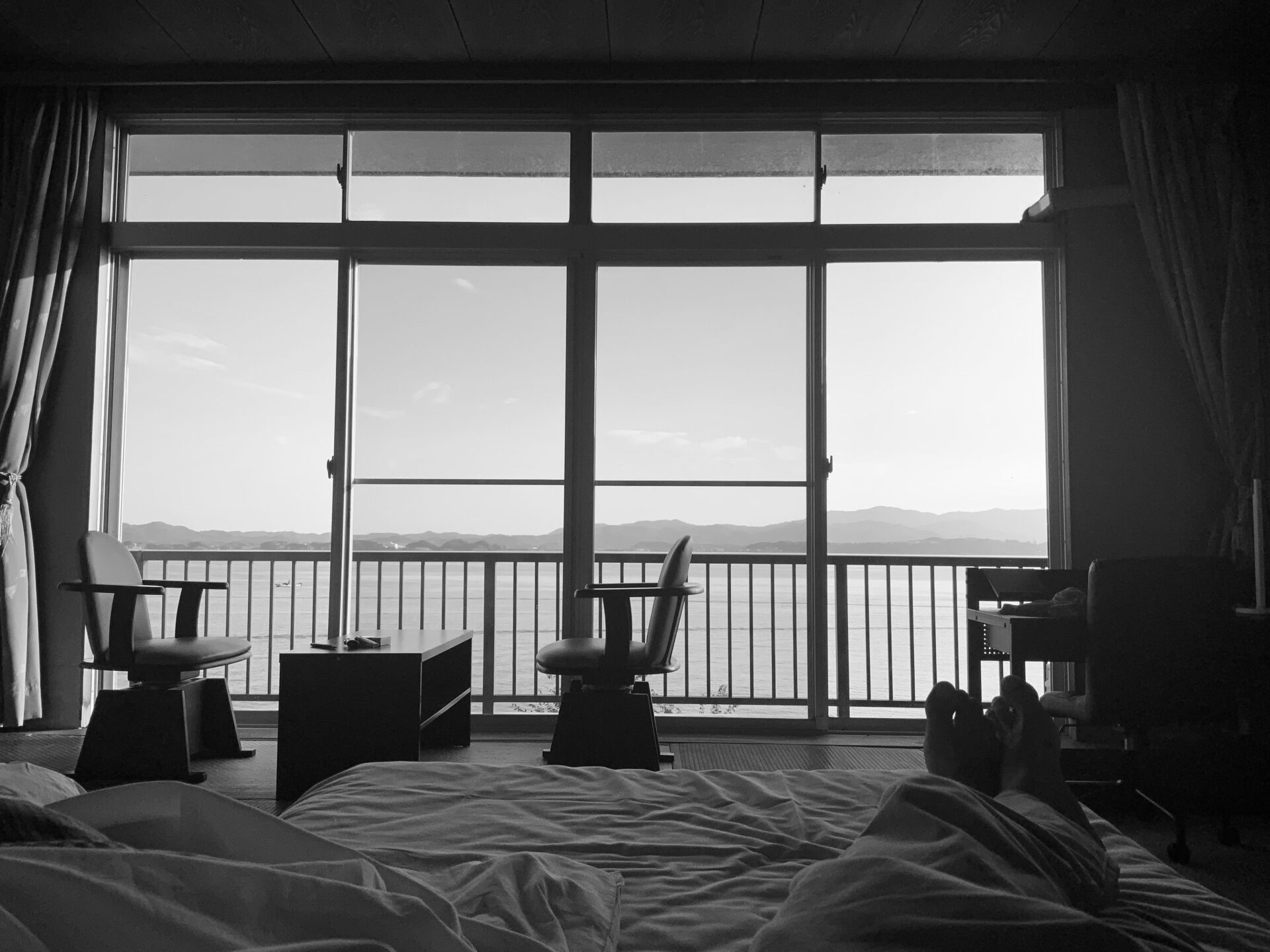
The budget ryokan guide for the traveller who wants the Japan overnight (the futon rolled out on the tatami, the yukata folded on the zabuton, the dinner served in the room by the nakai (the ryokan attendant), the onsen visible from the room’s private bath) without the Kyoto Tawaraya’s ¥80,000-200,000 / £424-1,060 per person per night. The budget ryokan (the minshuku — the family-run guesthouse version, or the ryokan with the en-suite bath rather than the private cypress pool) gives the tatami, the futon, the yukata, and the breakfast at ¥8,000-22,000 / £42.40-116.58 per person per night. The specific budget ryokans that the Japanese travel community uses and that the international guide has not yet indexed.
Reading time: 7 minutes | Last updated: 2026
The Ryokan Tier Explained
The minshuku (民宿): The family-run inn — the equivalent of the B&B, the shared onsen bath (not the private room bath), the family breakfast and dinner, the tatami and the futon, the yukata provided. Price: ¥6,000-12,000 / £31.80-63.60 per person per night.
The budget ryokan: The traditional inn with the shared or en-suite onsen bath, the room service available but not mandatory, the tatami and the futon. Price: ¥10,000-22,000 / £53-116.58 per person per night.
The mid-range ryokan: The traditional inn with the private onsen bath (the kakenagashi (flowing onsen water) in the room), the multi-course kaiseki dinner, the dedicated nakai service. Price: ¥22,000-50,000 / £116.58-265 per person per night.
The luxury ryokan (the Tawaraya, the Hiiragiya, the Gora Kadan): The reference standard. Price: ¥50,000-200,000 / £265-1,060 per person per night. Full guide: Luxury Japan — The Ryokans Worth the Price.
The Budget Ryokans Worth Booking
1. Shimizu-ya Ryokan — Kyoto (¥8,000-14,000 / £42.40-74.20 per person)
What it is: The family-run minshuku in the Fushimi district of Kyoto (20 minutes from the Fushimi Inari Taisha by foot) — the 10-room ryokan, the shared onsen bath, the Japanese breakfast included, the ryokan in the working Kyoto residential neighbourhood rather than the tourist Gion district:
The specific Shimizu-ya quality: The breakfast (the gohan (the white rice), the miso shiru (the miso soup with the tofu and the wakame), the tamagoyaki (the sweet omelette), the grilled fish, the pickled vegetables) prepared by the ryokan owner’s mother and served in the communal dining room at 7:30am. The communal breakfast with the other guests (the Japan solo travellers, the visiting chef doing the food research, the German architectural photographer) is the specific minshuku social format that the hotel does not give.
Book at: shimizuya-kyoto.com (English website available).
2. Ryokan Seifuso — Hakone (¥12,000-20,000 / £63.60-106 per person)
What it is: The mid-range ryokan in the Gora area of Hakone (90 minutes from Tokyo by the Romancecar express from Shinjuku) — the Mount Fuji visible on clear days from the upper floors, the onsen bath (the Hakone sulfur spring, the specific Hakone onsen chemistry giving the milky white water visible in the outdoor bath), and the kaiseki dinner:
The Hakone onsen: The Hakone volcanic area (the Ōwakudani volcanic zone — the sulfurous vents visible from the Ropeway, the specific Hakone geology that gives the onsen its chemical composition) gives the specific onsen experience that the Kyoto city onsen does not — the mountain setting, the outdoor bath visible from the changing room door, the bath in the sulfur spring visible against the forest.
3. Nishimuraya Kinosaki — Kinosaki Onsen (¥16,000-28,000 / £84.80-148.40 per person)
What it is: The mid-range ryokan at the Kinosaki Onsen town (the traditional onsen town on the Japan Sea coast, 3 hours from Osaka by the Kounotori limited express — the town of 7 public bath houses, the yukata-wearing guests visible on the town streets walking between the baths from 3pm):
The Kinosaki specific: The soto-yu meguri (the public bath circuit — the 7 public bath houses in the Kinosaki town, the daily pass (¥1,500 / £7.95 per person) giving access to all 7, the yukata and the bath bag provided by the ryokan, the specific Japan experience of walking between the outdoor bath houses in the yukata in the evening): the Goshow-no-yu (the mandarin duck bath), the Kono-yu (the outdoor rooftop bath), and the Jizo-yu (the children’s bath house, the bathhouse adjacent to the Jizo statue).
4. Fuji Hakone Guest House — Hakone (¥8,000-14,000 / £42.40-74.20 per person)
What it is: The English-friendly minshuku in the Hakone town — the specifically international-traveller-oriented ryokan, the owner English-speaking, the explanation of the ryokan etiquette given in the English briefing at check-in (the yukata instruction, the onsen protocol, the breakfast timing), the shared onsen bath:
The specific value: The Fuji Hakone Guest House is the correct first ryokan for the visitor who has never stayed in a ryokan before — the English-language support (the rare ryokan characteristic), the lower price, and the authentic experience without the anxiety of the etiquette uncertainty that the no-English ryokan occasionally produces.
The Ryokan Etiquette (The Essential Guide)
The shoes: Remove at the genkan (the entrance step). The slipper available at the step.
The yukata: The cotton kimono available in the room — wear it throughout the stay, including to the dining room and for the soto-yu (the outdoor bath walk). The left side over the right (the right over the left is the funeral dress — the specific error to avoid).
The onsen: Wash at the shower stall before entering the shared bath. No swimwear in the onsen (the onsen is nude — the specific Japan cultural norm that the first-time onsen visitor needs to receive before the changing room, not at the changing room).
The futon: The nakai prepares the futon on the tatami in the evening (the futon is not in the closet for self-preparation at the budget ryokan — the nakai visits the room while you are at dinner). Leave the futon in place in the morning; the nakai restores the room.